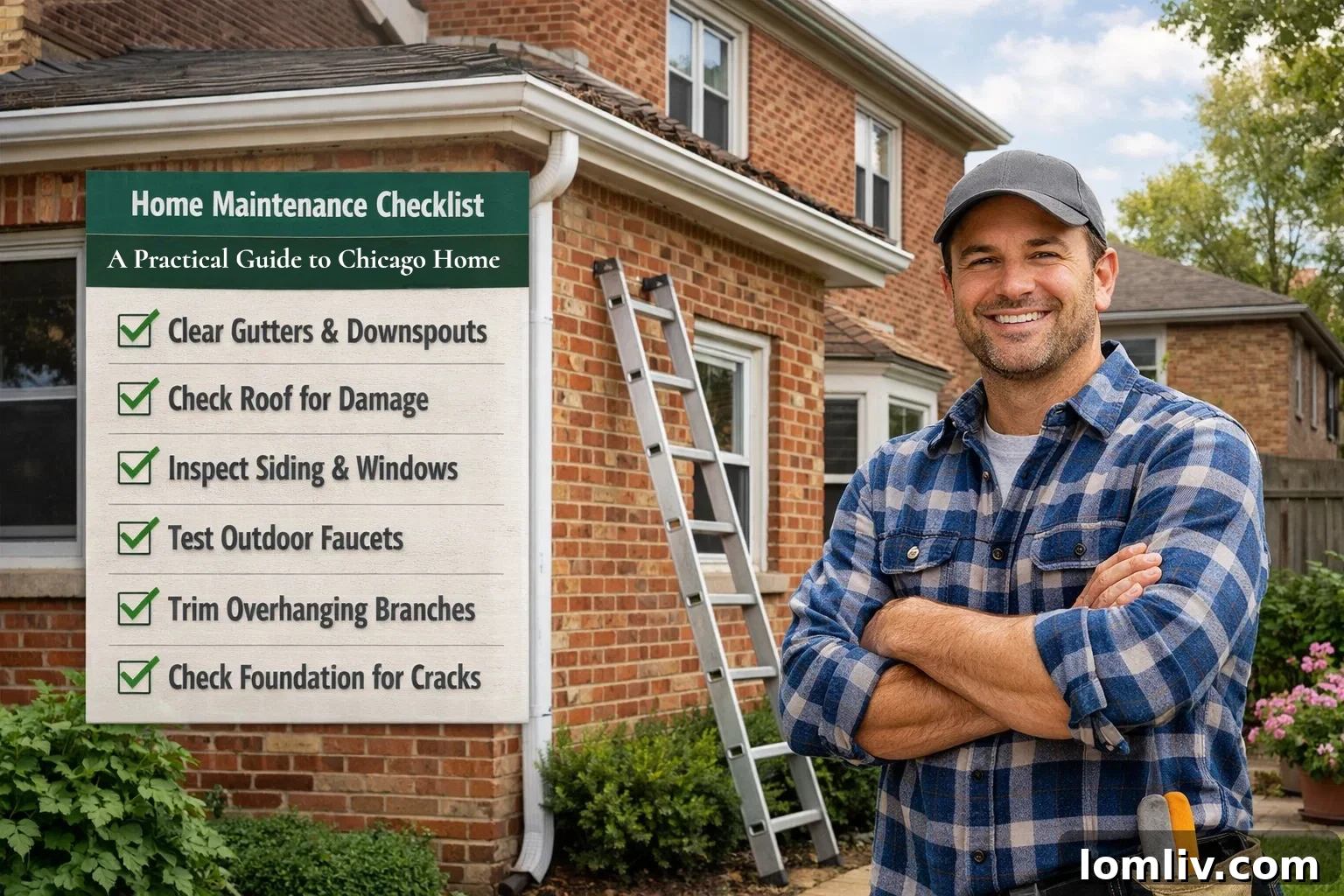
Owning a home is a significant investment, both financially and emotionally. While the idea of constant maintenance can feel overwhelming, adopting a simple, consistent routine transforms it from a daunting chore into a manageable and rewarding aspect of homeownership. This proactive approach not only preserves your property’s value but also saves you considerable money and stress in the long run. Imagine avoiding costly emergency repairs, enjoying lower utility bills, and having peace of mind knowing your home is safe and sound.
This comprehensive guide offers a time-boxed maintenance system designed with the unique challenges of the Greater Chicago area in mind – from its diverse weather patterns and specific soil conditions to local utility regulations. However, its principles are universally effective, making it an invaluable resource for most U.S. homeowners. You’ll discover quick wins you can complete in under an hour, essential seasonal adjustments tailored for the Midwest’s intense heat, biting cold, and unpredictable storms, and clear indicators that it’s time to call in a professional. By integrating these practices into your routine, you’ll ensure your home remains a comfortable, efficient, and safe haven for years to come.
Empowering Homeowners, Landlords, and Real Estate Professionals
This guide is meticulously crafted for anyone who oversees a property and desires a localized, no-guesswork maintenance plan. Whether you’re a first-time homeowner navigating the complexities of property care, an experienced landlord seeking to protect your investments, or a real estate professional aiming to advise clients wisely, this resource provides actionable insights. It is particularly invaluable for those in Chicagoland, an area known for its humid summers that challenge cooling systems, harsh winters that test insulation and plumbing, dramatic freeze-thaw cycles that impact foundations and driveways, and frequent storm activity that can stress roofs, siding, and mechanical systems. Understanding these regional nuances is key to implementing truly effective preventative maintenance, safeguarding your property from common local issues and unforeseen emergencies alike.
The Hallmarks of a Well-Maintained Home
A home that benefits from consistent, proactive maintenance isn’t just aesthetically pleasing; it’s a model of efficiency and resilience. Such a property experiences significantly fewer emergency calls, leading to more predictable and manageable maintenance spending rather than sudden, budget-breaking repairs. Energy performance is optimized, translating into lower utility bills year-round as HVAC systems run efficiently and insulation performs effectively. Furthermore, a well-maintained home comes with organized records of service, repairs, and upgrades – a crucial asset. For landlords, this meticulous documentation builds renter confidence, demonstrating a commitment to their living environment. For all homeowners, a consistent maintenance checklist protects and often enhances property value, providing a clear narrative of care that appeals to potential buyers. These records are also indispensable for substantiating insurance claims and fulfilling real estate disclosure requirements, streamlining processes and preventing disputes.
Simplifying Maintenance with Strategic Time Blocks
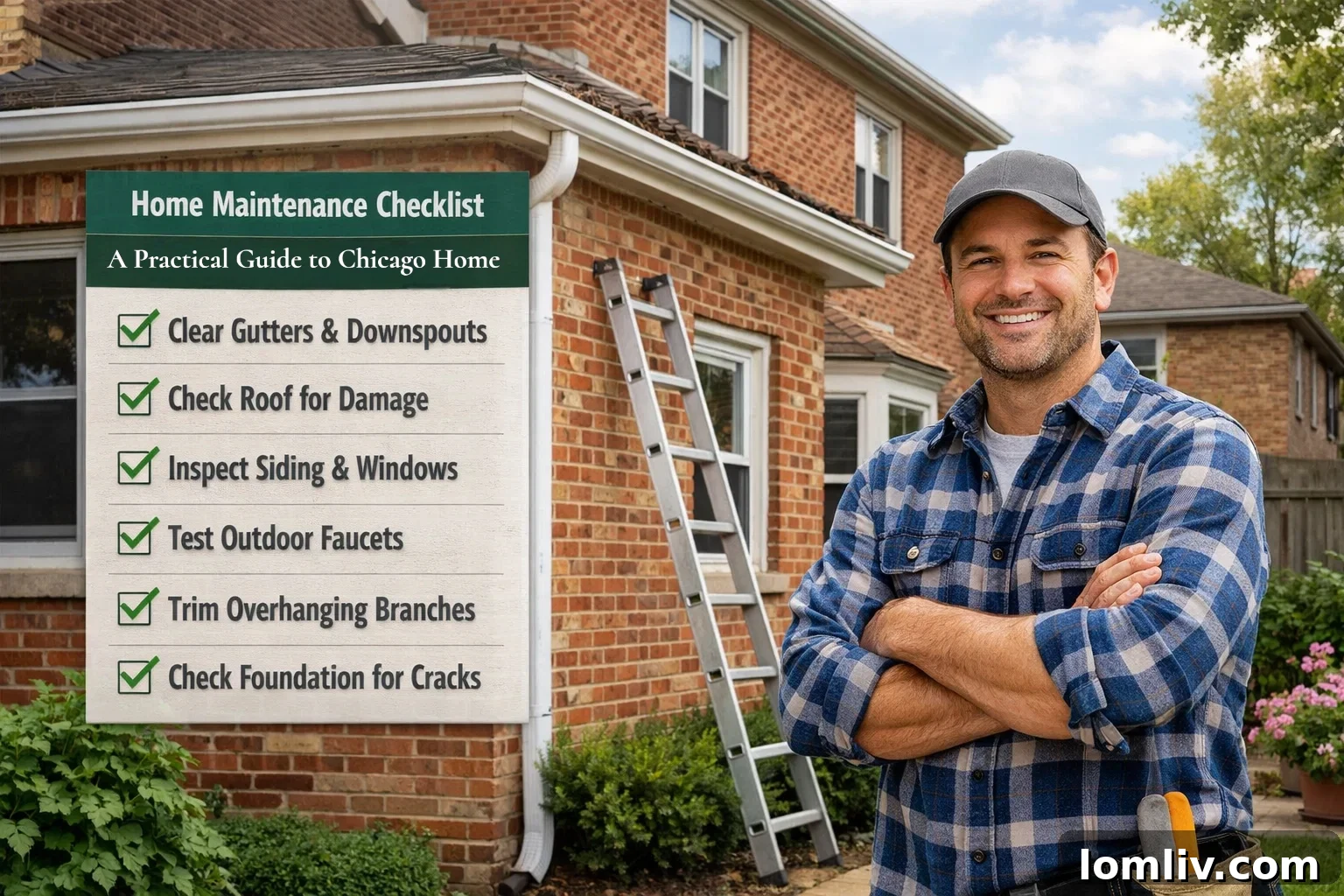
The secret to keeping home maintenance manageable and preventing it from monopolizing your precious weekend hours lies in establishing a simple, rhythmic routine. By breaking tasks into achievable time blocks, you ensure that essential checks and preventative measures are consistently addressed without becoming overwhelming. Our system categorizes tasks into three efficient blocks:
- Monthly Tasks: These quick, high-impact tasks require only 30 to 60 minutes of your time. They primarily focus on crucial checks like air filters, detecting potential leaks, and verifying the functionality of safety alarms. This regular attention helps catch minor issues before they escalate.
- Quarterly Tasks: Requiring approximately 90 minutes, these tasks delve deeper into safety and system performance. This block is dedicated to more thorough inspections of critical systems and components, ensuring they operate safely and efficiently throughout the year.
- Seasonal Tasks: Allocated 2 to 4 hours, these comprehensive tasks are designed to prepare your home for Chicago’s dramatic weather shifts across spring, summer, fall, and winter. From sealing drafts to checking exterior drainage, seasonal maintenance is your primary defense against weather-related damage and ensures your home remains comfortable and protected regardless of the elements.
By adhering to this structured approach, you’re not just performing maintenance; you’re cultivating a robust defense strategy for your home, ensuring its longevity and your peace of mind.
Effective Tracking and Reminder Strategies for Home Maintenance
Staying on top of your home maintenance schedule is crucial for its long-term health and your financial well-being. Effective tracking and reminder systems ensure that no task is overlooked, transforming what could be a chaotic process into an organized and efficient one. Here are practical strategies to keep you on track:
- Leverage Your Phone Calendar: For recurring tasks like changing air filters or testing smoke alarms, set up monthly, quarterly, or annual reminders directly in your smartphone’s calendar. Include specific details about the task, tools needed, and estimated time to complete. This proactive reminder system ensures you never miss a beat.
- Create a Photo Log: Before and after completing key tasks, especially those involving repairs or significant changes, take clear photographs. This visual documentation serves multiple purposes: it helps you track progress, provides proof of maintenance for warranties or insurance claims, and can be invaluable for diagnosing future issues or explaining work to professionals.
- Maintain a Running Issues List: Keep a centralized document (digital or physical) where you log any observed issues, no matter how minor. Note the date, a brief description of the problem, and an estimated cost for repair if known. This list helps you prioritize repairs, budget effectively, and track potential recurring problems.
- Organize System-Specific Folders: For each major home system (HVAC, plumbing, electrical, appliances), create a dedicated physical or digital folder. Store all relevant manuals, warranty information, and receipts for parts or professional services within these folders. This ensures that when an issue arises or a professional is called, all necessary information is readily accessible, saving time and potential hassle.
One Focused Hour: Preventing Larger, Costly Problems
Dedicate just one focused hour each month to high-impact tasks, and you can prevent a cascade of avoidable problems, saving yourself significant time, money, and stress. This hour is an investment in your home’s health and efficiency.
HVAC Filter Management
Begin by checking or replacing your heating and cooling system’s filter. This simple act has profound effects on air quality and system efficiency. ENERGY STAR advises checking filters monthly and replacing them at least every three months, or more frequently if you have pets, allergies, or live in a dusty environment. A dirty filter restricts airflow, forcing your HVAC system to work harder, leading to increased energy consumption and higher utility bills. It also compromises indoor air quality and can shorten the lifespan of your unit.
Smoke and Carbon Monoxide Alarm Testing
Next, test all smoke and carbon monoxide (CO) alarms. The U.S. Fire Administration (USFA) recommends testing these vital safety devices monthly. Ensure you have alarms on every level of your home, especially outside sleeping areas. Smoke alarm units typically need to be replaced every 10 years, while CO alarms often have a lifespan of 5-7 years; check the manufacturer’s date on each unit. These devices are your first line of defense against potentially fatal hazards.
The 10-Minute Leak Check
Finally, conduct a quick 10-minute leak check. Start by reading your water meter, then ensure all water fixtures and appliances in your home are turned off. Check the leak indicator on your meter; if it’s still moving, you likely have a hidden leak. Systematically inspect under sinks, around toilets, and near water heaters for any visible drips or dampness. The EPA’s WaterSense program highlights that average household leaks can waste nearly 10,000 gallons of water per year – a significant impact on your utility bill and a potential source of unseen water damage.
Pass or Fail Criteria for Monthly Checks
- HVAC Filters: Replace filters immediately if they are visibly dirty, clogged, or have been in use for longer than three months.
- Smoke/CO Alarms: Replace any smoke alarm unit older than 10 years, and CO alarms past their manufacturer’s recommended lifespan. Replace batteries annually, even if the unit appears to be working.
- Water Leaks: If your water meter’s leak indicator moves while all fixtures are off, it’s a clear sign of a hidden leak that requires further investigation and prompt repair.
Why Quarterly Checks are Non-Negotiable for Home Safety
While monthly checks cover immediate concerns, targeted quarterly inspections delve deeper into critical systems, significantly reducing the risk of major hazards. These checks are designed to identify potential failures in crucial safety mechanisms, preventing dangers such as fire, carbon monoxide exposure, and mechanical entrapment.
Comprehensive Garage Door Safety Tests
Your garage door is the largest moving part of your home and a potential safety hazard if not properly maintained. Each quarter, perform the 2-inch block reversal test: place a 2-inch thick block of wood flat on the ground in the path of the closing door. The garage door opener should reverse quickly and completely upon contacting the block. Next, wipe the photo-eye lenses clean with a soft cloth and confirm that the sensors are perfectly aligned; an obstructed or misaligned sensor can prevent the door from closing properly. Lubricate rollers, hinges, and springs (but NOT torsion springs) with a garage-rated lubricant. It is critical to reiterate: never attempt to adjust torsion springs yourself, as they are under extreme tension and can cause severe injury. If your garage door sticks, makes unusual noises, or fails the auto-reverse test, it indicates a serious issue. For prompt and safe service, especially if you need a same-day fix in Chicagoland, contact a reputable company like Chicago garage door repair professionals. Their expertise ensures the issue is resolved safely and effectively.
Diligent Dryer Vent and Lint Control
Dryer fires are a leading cause of residential fires. The U.S. Fire Administration estimates approximately 2,900 residential dryer fires occur annually, with roughly one-third directly attributable to a failure to clean dryer vents. Make it a habit to clean the lint screen after every single load of laundry. Quarterly, go a step further: inspect the exterior venting system to ensure it’s free of obstructions and that airflow is robust. If the exterior airflow feels weak, the dryer takes an unusually long time to dry clothes, or clothes are excessively hot to the touch after a cycle, it’s a strong indicator of a clogged vent. Schedule a professional vent cleaning at this point; in the Chicago area, this service typically costs between $120 and $180, a small price to pay for preventing a potentially catastrophic fire.
Seasonal Preparations for Your Home: Adapting to Chicago’s Climate
Chicago’s diverse climate demands a proactive seasonal approach to home maintenance. Preparing your home for the specific challenges of each season protects it from the elements, enhances its comfort, and extends the lifespan of its critical systems.
Spring: Getting Your Home Ready for Storms and Growth
The Midwest spring brings not only budding flowers but also the threat of high winds, hail, and torrential rain. Pre-storm preparation is paramount. From the ground, use a zoom lens to capture baseline photos of your roof. Document the condition of your shingles, flashing around chimneys and vents, and gutters. These photos provide valuable evidence for insurance claims if storm damage occurs. Clear all gutters and downspouts of winter debris, ensuring downspout extensions carry water at least five feet away from your foundation to prevent basement flooding and foundation erosion. Inspect window and door seals for drafts and damage after winter. Tune up your lawnmower and other garden equipment for the growing season.
Simple Roof Inspection Cues
- Look for any missing shingles or tabs that are lifted, curled, or cracked.
- Check flashing around chimneys, vents, and skylights for signs of tearing, rust, or sealant failure.
- Watch for excessive granule buildup in your gutters or at downspouts, which indicates shingle wear.
- If you notice any areas of exposed fiberglass matting, call a licensed roofer immediately; this signifies significant shingle deterioration.
Summer: HVAC Optimization and Water Management
Chicago’s heat waves can be brutal, often arriving by early summer. Reducing the risk of HVAC breakdowns before peak temperatures hit saves money and prevents uncomfortable situations. Schedule an HVAC tune-up in late spring or early summer. A professional inspection ensures your system is clean, charged, and operating efficiently. Keep outdoor condenser units shaded if feasible, and maintain at least two feet of clearance around them to ensure optimal airflow. Clean the coils if they appear dirty. Adjust your water heater thermostat to 120 degrees Fahrenheit to reduce standby energy losses and minimize the risk of scalding. Test irrigation systems, adjusting schedules to comply with local watering ordinances and seasonal restrictions, ensuring efficient water use for your lawn and garden.
Fall: Preparing for the Chill
As autumn leaves fall, prepare your home for the colder months ahead. A thorough gutter cleaning is essential to prevent ice dams and water damage when snow arrives. Schedule a professional furnace tune-up to ensure efficient and safe heating throughout winter. Inspect and clean your chimney if you use a fireplace, or have it professionally done. Winterize all outdoor faucets and irrigation systems by shutting off the water supply and draining the lines to prevent frozen pipes. Seal any drafts around windows and doors with caulk or weatherstripping, improving your home’s energy efficiency.
Winter: Protection Against the Cold
Chicago winters demand vigilance. Monitor your home for potential frozen pipes, especially in unheated areas like basements, crawl spaces, and exterior walls. Open cabinet doors under sinks to allow warm air to circulate, and consider letting a faucet drip slightly during extreme cold snaps. Ensure attic ventilation is clear to prevent ice dam formation. If you use a humidifier, keep it clean to maintain indoor air quality. Clear snow and ice promptly from walkways and driveways to prevent slips and falls, and inspect your roof for any signs of snow load stress or ice dam build-up.
Smart Water Habits: Saving Money and Preventing Damage
Prioritizing leak detection and smart water usage habits is one of the most effective ways to lower your water bills and prevent hidden, costly damage to your home’s structure. The EPA’s WaterSense program estimates that about 10 percent of homes leak more than 90 gallons of water per day. Fixing common household leaks – from dripping faucets to running toilets – can reduce your water bill by roughly 10 percent annually, in addition to preventing mildew, rot, and foundation issues.
Reading the Meter for Silent Leaks: Your First Line of Defense
The most straightforward way to detect silent leaks is by performing a water meter test. First, ensure all water-using fixtures, appliances, and irrigation zones are completely shut off. Then, go to your water meter and observe the leak indicator – usually a small triangle or disc that spins when water is flowing. If it continues to move, you have a leak. To pinpoint the source, start isolating different fixtures or zones (e.g., turn off the water supply to toilets one by one, or shut off irrigation zones). Record your meter readings before going to bed and again in the morning to catch slow, overnight leaks. For enhanced protection and peace of mind, consider installing smart leak sensors under sinks, near water heaters, and behind toilets. For properties with a history of recurring leaks or where you want maximum protection, automatic shutoff valves can be a wise investment, detecting leaks and instantly cutting off the main water supply.
Clear DIY Rules: Keeping You Safe and Sane
Knowing precisely where your DIY capabilities end and professional expertise begins is crucial for both your personal safety and the integrity of your home. While many routine maintenance tasks are perfectly suited for the ambitious homeowner, certain projects carry inherent risks that are best left to licensed and insured professionals. Always prioritize safety and understand the potential consequences of tackling a job beyond your skill level.
You should absolutely hire a professional for:
- Electrical Work: Beyond simple fixture swaps or replacing light switches, any work involving wiring, circuit breaker panels, or adding new circuits should be handled by a licensed electrician. Electrical mistakes can lead to fires, electrocution, or severe system damage.
- Gas Lines: Any repairs, installations, or modifications to gas lines are extremely dangerous and must be performed by a qualified plumber or HVAC technician certified to work with gas. Leaks can cause explosions or carbon monoxide poisoning.
- Structural Changes: Altering load-bearing walls, adding new windows or doors, or making any changes that affect your home’s structural integrity requires professional assessment and often engineering plans.
- Steep Roof Work: While ground-level roof inspections are encouraged, any work involving climbing onto a steep roof is a significant fall risk and should be delegated to experienced, insured roofers.
- Torsion Spring Repairs: As mentioned previously, garage door torsion springs are under immense tension. Attempting to repair or adjust them yourself is incredibly dangerous and can result in severe injury or even death.
- Major Plumbing Repairs: Beyond fixing a leaky faucet or clearing a simple clog, complex plumbing issues like main line blockages, pipe bursts, or water heater installation require a licensed plumber.
Decision Tree Prompts for DIY vs. Pro
When in doubt about a task, ask yourself these questions:
- Does the job involve gas, high voltage electricity, or a significant fall risk? If the answer is yes to any of these, immediately hire a qualified professional. Your safety and the safety of your home are paramount.
- Is a permit required by local code? Before starting any substantial project, check with your local municipal building department. Many structural, electrical, and plumbing changes require permits and inspections. Performing work without a permit can lead to fines, difficulties with insurance, and problems when selling your home.
- Could a mistake cause significant water damage, structural damage, or lead to health hazards (like mold)? If the potential for expensive or hazardous collateral damage is high, err toward professional help. The cost of a professional is almost always less than the cost of repairing botched DIY work or addressing its aftermath.
Conclusion: The Power of Proactive Home Care
Embracing a consistent, Chicago-calibrated home maintenance routine is the most effective strategy for safeguarding your property and enhancing your quality of life. This proactive approach fundamentally reduces the likelihood of disruptive emergencies, helps you effectively control and often lower utility costs, and significantly protects your home’s long-term market value. By investing time in preventative maintenance, implementing smart upgrades as needed, and maintaining clear, organized documentation, you build crucial trust with potential buyers and renters, fostering confidence in your property’s care.
Beyond the financial and practical benefits, a well-maintained home is simply a more pleasant and stress-free environment for its occupants. Start by integrating the simple checklists provided in this guide into your monthly, quarterly, and seasonal rhythms. And remember, the key to smart homeownership is knowing your limits: bring in qualified professionals when red flags appear or when tasks involve complex systems, high voltage, or significant risk. This balanced approach ensures that small issues are addressed promptly, preventing them from escalating into expensive, overwhelming problems and preserving your home as a valuable asset for years to come.
Frequently Asked Questions About Home Maintenance
How often should I change HVAC filters if I have pets or allergies?
If you have pets that shed or family members with allergies, inspect your HVAC filters monthly. Plan to replace them every one to two months, depending on the visible dust accumulation and shedding levels. While higher MERV (Minimum Efficiency Reporting Value) rated filters capture more particles, balance filtration efficiency with airflow; very high MERV ratings can increase static pressure on your system, potentially reducing its overall performance and lifespan. Consult your HVAC technician for the optimal MERV rating for your specific unit and needs.
What is the simplest way to test for hidden water leaks?
The simplest and most effective method is to use your water meter. First, ensure all water-using fixtures, appliances, and irrigation zones are completely shut off. Then, check your water meter’s leak indicator (a small spinning wheel or triangle). If it continues to move, you have a hidden leak. To isolate the problem, systematically shut off the water supply to individual fixtures (like toilets) or irrigation zones one by one, rechecking the meter after each, until the indicator stops moving. For toilets, dye tablets can also be dropped into the tank; if the color appears in the bowl without flushing, the flapper valve is leaking. Additionally, regularly inspect irrigation valves for any signs of seepage.
Do I need carbon monoxide alarms if my home is all-electric?
Yes, absolutely. Even if your home uses only electric appliances and heating, carbon monoxide (CO) risks can still exist. Attached garages where vehicles are run, nearby fuel-burning equipment (like generators, grills, or even neighbors’ furnaces), or the use of portable generators can all create dangerous CO levels that can seep into your home. It is crucial to install CO alarms on every level of your home, and especially outside all sleeping areas, for comprehensive protection.
What basic tools cover most DIY home maintenance tasks?
A well-stocked basic toolkit is essential for most routine DIY maintenance. Key tools include: a multi-bit screwdriver set, an adjustable wrench (or a set of open-ended wrenches), various pliers (needle-nose, slip-joint, locking), a sturdy headlamp or flashlight, a reliable stud finder, a non-contact voltage tester (for electrical safety), a GFCI outlet tester, a caulk gun for sealing, a sturdy step ladder or extension ladder (depending on tasks), and appropriate personal protective equipment (PPE) such as safety glasses, gloves, and dust masks. As you gain experience and tackle more specific projects, you can gradually add specialty tools to your collection.
How can I make my home more energy-efficient beyond basic maintenance?
Beyond routine maintenance like clean HVAC filters and sealed drafts, consider professional energy audits to identify specific areas of heat loss or gain. Upgrade to smart thermostats for optimized heating and cooling schedules. Improve insulation in your attic and walls. Replace old, inefficient windows and doors with energy-efficient models. Invest in energy-efficient appliances. Consider LED lighting throughout your home. Even small changes, like unplugging electronics when not in use (phantom load), can contribute to significant energy savings over time.
When should I consider professional pest control services?
Routine DIY pest prevention, such as sealing cracks and keeping food stored properly, is always recommended. However, if you notice recurring infestations, signs of structural damage from pests (like termites or carpenter ants), or the presence of pests that carry health risks (like rodents or stinging insects in nests), it’s time to call a professional pest control service. They have the expertise, equipment, and access to treatments that are more effective and safer for serious infestations.