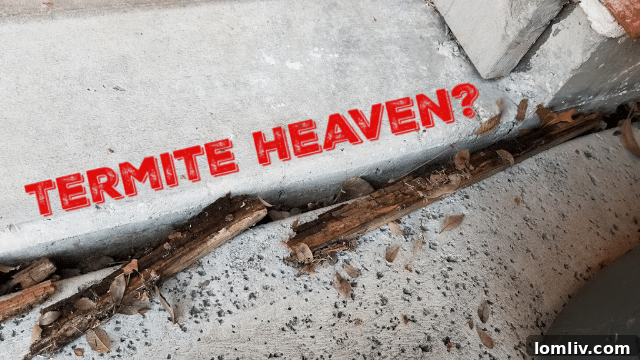
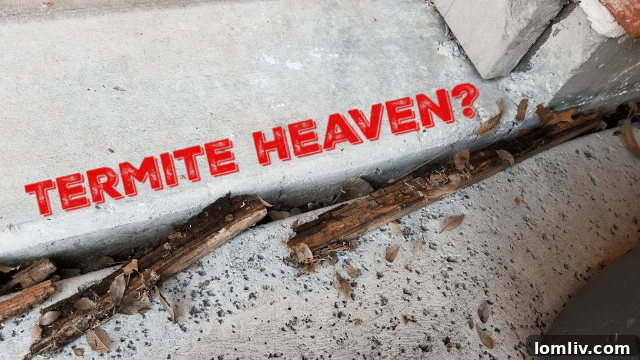
Protect Your Home: Identifying and Preventing Termite Conducive Conditions
Every week, the dedicated professionals at Green Scene Home Inspections provide Daltxrealestate.com readers with essential knowledge on home maintenance and safety. This series, “Upon Closer Inspection,” aims to educate homeowners on critical issues that might otherwise go unnoticed. Today, we delve into one of the most destructive and costly threats to homes across America: termites.
Did you know that termites are responsible for over $5 billion in property damage annually in the United States? This staggering figure, reported by experts like Orkin, highlights the immense financial burden these tiny pests impose on homeowners. What’s even more concerning for many is that standard home insurance policies often do not cover the damage caused by termites, classifying it as preventable maintenance rather than an unforeseen disaster. This makes proactive prevention and vigilant inspection absolutely essential for every homeowner.
Especially in regions like North Texas, termites are not just a seasonal nuisance; they are active year-round. While their presence might become more noticeable during the warmer spring and summer months when swarming activity peaks, their destructive work continues relentlessly beneath the surface throughout the year. Therefore, now is always a good time to thoroughly inspect your property for what home inspectors refer to as “conducive conditions” – circumstances that attract termites and other wood-destroying insects (WDIs) and facilitate their access to your home. Understanding and mitigating these conditions is your first line of defense against costly infestations. For a comprehensive list of common conducive conditions, you can refer to additional resources such from Green Scene Home Inspections.
Common Termite Attractors: What to Look For Around Your Home
Termites are masters of stealth, often working unseen for extended periods before significant damage becomes apparent. Their survival depends on access to food (wood or cellulose) and moisture. By eliminating or mitigating conditions that provide these necessities, you can significantly reduce your home’s vulnerability to these destructive pests. Let’s explore some of the most frequently encountered conducive conditions:
1. Decaying Form Boards
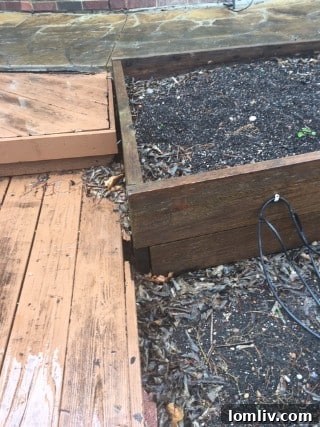
Form boards are pieces of wood, typically lumber, that contractors use during construction to mold and support wet concrete as it sets. You’ll commonly find these in foundation work, around concrete slabs, and along sidewalks or driveways. While they serve a crucial purpose during the building phase, their continued presence once the concrete has cured creates a significant risk. If these wooden forms are left in place and buried or left exposed, they inevitably begin to rot over time due to moisture from the soil. This decaying wood becomes an irresistible treat for termites, providing both a food source and a direct, often hidden, pathway into your home’s foundation or structural elements. Removing these boards post-construction is a simple yet vital step in preventing future termite problems. If you discover any remaining form boards, especially those showing signs of rot or moisture, it’s prudent to have them professionally removed and the area inspected.
2. Improper Landscaping: Foliage Too Close to the Foundation
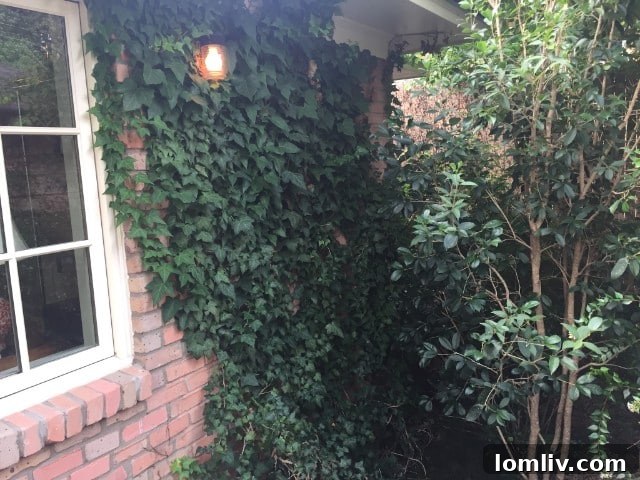
Beautiful landscaping enhances curb appeal, but if not properly managed, it can inadvertently create an inviting environment for termites. Trees, shrubs, vines, and other dense foliage planted too close to your home’s foundation or wooden exterior offer several advantages to termites. Firstly, they provide a direct, concealed bridge that termites can use to access your home without detection. Termites can build their mud tunnels behind dense greenery, hidden from your view. Secondly, dense plantings trap moisture against the foundation, creating the damp conditions that termites thrive in. This constant moisture softens wood, making it easier for termites to penetrate. To mitigate this risk, keep all foliage trimmed back at least 12-18 inches from your home’s foundation. Consider relocating larger trees whose root systems might impact the foundation or create dense shade that keeps the soil excessively moist. Regular trimming and thoughtful plant selection can make a significant difference in your home’s defense against these pests.
3. Direct Wood-to-Ground Contact
Perhaps one of the most common and easily overlooked conducive conditions is direct wood-to-ground contact. Any wooden component of your home or attached structures that touches the soil provides an open invitation for termites. This includes, but is not limited to, siding, wood trim, deck posts, fence posts, stair stringers, porch columns, and even wooden window or door frames if they extend too low. When wood is in direct contact with the soil, it readily absorbs moisture, making it soft and an easy target for termites seeking food and shelter. Furthermore, it allows termites to bypass the treated soil barrier that is often applied around foundations as a preventive measure. To avoid this, ensure there is at least a 6-inch clearance between the soil and any wooden structural components of your home. Use concrete piers or treated lumber (which is more resistant but not impervious to termites) for deck posts, and maintain proper grading around your home to direct water away from the foundation. Addressing this issue can prevent termites from establishing their colonies directly against your primary food source – your home.
4. Excessive Moisture and Poor Drainage
Beyond the direct contact points, pervasive moisture problems are a major red flag for termite activity. Leaky pipes, faulty irrigation systems, clogged gutters that cause water to overflow against the foundation, and improper grading that allows rainwater to pool near your home all contribute to creating a humid, damp environment. Termites, especially subterranean species, require consistent moisture to survive and construct their protective mud tubes. Eliminating sources of standing water and ensuring good drainage around your property are critical. This includes extending downspouts away from the foundation, cleaning gutters regularly, and ensuring that the ground slopes away from your house on all sides. Addressing moisture issues not only deters termites but also prevents other problems like mold growth and foundation damage.
5. Stored Firewood and Debris
Storing firewood, lumber scraps, or any cellulose-rich debris directly against your home or in crawl spaces is an open invitation for termites. These materials provide an immediate food source and shelter for termite colonies, giving them an easy starting point to then transition into your home’s structure. Always store firewood at least 20 feet away from your house and elevated off the ground. Regularly clear away any old lumber, cardboard boxes, or fallen tree limbs that accumulate around your property. Keeping your yard clean and free of unnecessary wood debris significantly reduces potential nesting sites for termites.
Visualizing Termite Conducive Conditions
Sometimes, seeing is believing. In the video below, a professional inspector from Green Scene Home Inspections identifies several conducive conditions within a single area of a home. This provides a practical demonstration of how these conditions can combine to increase a property’s vulnerability:
The Critical Role of Professional Inspections
While DIY checks are valuable for initial detection, the subtle and destructive nature of termites often requires the expertise of a trained professional. A comprehensive Wood-Destroying Insect (WDI) inspection goes beyond what the average homeowner can identify. Inspectors are trained to spot hidden signs of activity, such as mud tubes in inconspicuous areas, subtle wood damage, or conducive conditions that might be overlooked. They utilize specialized tools and knowledge to assess areas like crawl spaces, attics, and sub-foundations, which are common termite entry points but often inaccessible or intimidating for homeowners. Regular professional inspections, ideally annually or during a real estate transaction, are your best defense against significant termite damage and can save you thousands of dollars in repairs down the line. Early detection is key to effective and less invasive treatment.
Further Resources and Your Next Steps
Understanding the threat and knowing what to look for empowers you as a homeowner. For an abundance of valuable information regarding termites specifically in Texas, we recommend exploring the resources provided by the Texas Department of Agriculture. This official resource offers detailed FAQs and guidelines relevant to local pest control and prevention.
Don’t let termites undermine the integrity and value of your home. By proactively identifying and addressing conducive conditions, performing regular visual checks, and scheduling professional WDI inspections with trusted experts like Green Scene Home Inspections, you can safeguard your investment and maintain a healthy, pest-free living environment. Take action today to protect your most valuable asset.