The Dallas real estate market is a vibrant tapestry woven with diverse trends, reflecting the city’s dynamic growth and evolving demographics. This week, we delve into key insights shaping the Dallas-Fort Worth (DFW) landscape, from the city’s growing appeal to senior citizens seeking quality living options to the robust performance of the retail sector. We’ll also explore fascinating shifts in household composition, particularly among younger adults, and how these changes are influencing housing demand and urban development. Join us as we uncover the latest developments impacting residential choices, commercial vitality, and the socio-economic fabric of one of Texas’s most prominent metropolitan areas.
Dallas Emerges as a Preferred Destination for Senior Living
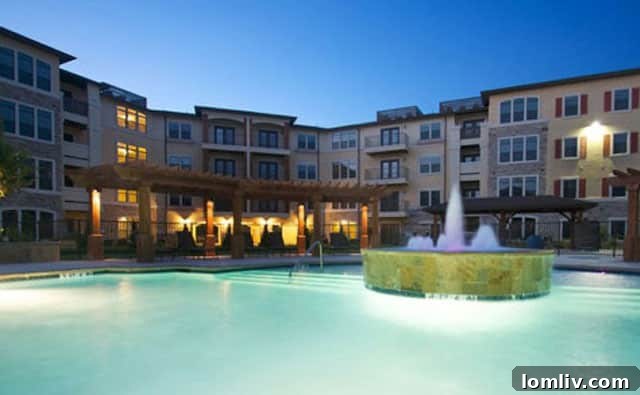
Dallas has firmly established itself as a top-tier city for senior citizens, offering a remarkable breadth of residential choices that cater to various lifestyles and financial capacities. Whether one seeks the grandeur of traditional estates, the sleek modernity of urban high-rises, or the cozy comfort of studio apartments, the Dallas metroplex provides an abundance of options. This diverse housing stock, ranging from fully furnished rental units to starter homes with ample space for personalization, ensures that every senior can find a place to call home that perfectly aligns with their needs and desires.
According to a comprehensive report recently published by Caring.com, the Dallas area boasts an impressive 185 distinct senior living facilities. This extensive network includes everything from independent living communities designed for active seniors who desire convenience and social engagement, to assisted living facilities offering personalized care and support for daily activities, and specialized memory care units providing a safe and nurturing environment for those with cognitive impairments. These options underscore Dallas’s commitment to supporting its aging population with a spectrum of services and living arrangements.
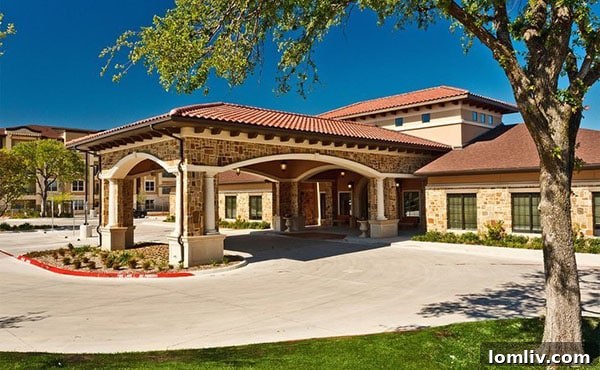
The growing appeal of Dallas for seniors is not just a matter of housing availability; it’s a reflection of broader demographic shifts. Census data projects a significant milestone by 2035, indicating that seniors will outnumber youth. This monumental shift necessitates that communities worldwide, and particularly in rapidly expanding metros like Dallas, proactively prepare to address the unique physical, mental, and social needs of older adults. As Donnie Dinh, a media coordinator, rightly emphasized in a press release, ensuring our cities are equipped to support this demographic is paramount for fostering inclusive and sustainable communities.
In a detailed evaluation of 302 cities across the nation, Dallas earned a commendable ranking of No. 94 among the best overall places for individuals over 60. This assessment was based on a multi-faceted approach, scrutinizing critical factors such as affordability of living, accessibility and quality of healthcare services, overall quality of life (including amenities, green spaces, and cultural attractions), the availability and suitability of senior living and housing options, opportunities for community involvement, and the efficiency and convenience of transportation networks. Dallas’s strong performance across these metrics highlights its balanced approach to creating an environment where seniors can thrive, enjoy an active lifestyle, and access necessary support, making it a truly attractive destination for retirement and beyond.
Source: Caring.com
DFW Retail Market Experiences Significant Upswing in Leasing Activity
The Dallas-Fort Worth retail market continues to demonstrate remarkable resilience and growth, with the latest reports indicating a robust upward trend in leasing activity. A significant indicator of this strength is the increased big box net absorption observed in the most recent quarter. According to leading real estate services firm CBRE, this positive absorption signifies a healthy market where large retail spaces are not only being leased but are also being strategically filled by dynamic and experiential concepts, primarily within the fitness and entertainment sectors.
This trend reflects a broader evolution in the retail landscape, where traditional brick-and-mortar stores are making way for destinations that offer more than just products. Consumers are increasingly seeking experiences, and DFW landlords and developers are responding by welcoming tenants such as state-of-the-art fitness centers, interactive entertainment venues, upscale dining establishments, and specialty lifestyle retailers. This shift ensures that physical retail spaces remain relevant and engaging in an era dominated by e-commerce, creating vibrant hubs that attract diverse demographics and encourage longer stays.
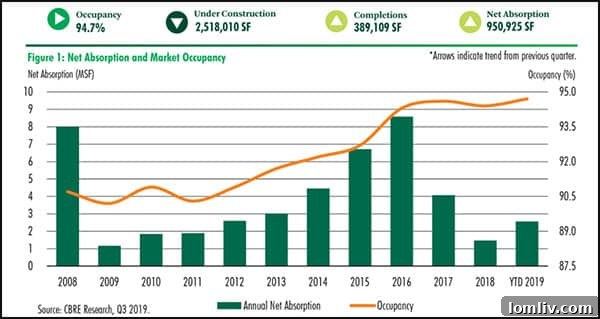
The sheer volume of activity further underscores the market’s vitality. Over 950,000 square feet of retail space was absorbed across the expansive Dallas/Fort Worth market during the third quarter of 2019 alone. This impressive absorption rate indicates strong demand from a variety of retailers looking to establish or expand their presence in this economically robust region. Concurrently, the occupancy rate held steady at an exceptional 94.7 percent, a testament to the limited availability of prime retail spaces and the consistent demand from businesses. A high occupancy rate like this signals a competitive market for tenants and a favorable environment for property owners and investors.
Looking ahead, the development pipeline remains robust, signaling continued expansion and modernization within the DFW retail sector. More than 2.5 million square feet of retail space is currently under construction, poised to introduce new shopping centers, mixed-use developments, and redeveloped properties that will further enhance the region’s retail offerings. Furthermore, over 389,000 square feet of new retail space was successfully delivered to the market in the last quarter, demonstrating the ongoing commitment of developers to meet the growing consumer demand and support the region’s burgeoning population. This sustained investment in new construction ensures that the DFW retail market remains at the forefront of innovation and growth, solidifying its status as a major retail hub in the United States.
Source: CBRE
Evolving Household Dynamics: Dallas Young Adults Opt for Multi-Generational Living
The fabric of the American household is undergoing a profound transformation, and Dallas is no exception to this nationwide phenomenon. While the 1960s saw the vast majority of young adults embarking on their independent lives, often with a spouse, contemporary trends reveal a significant divergence: today’s 20-somethings in Dallas are increasingly likely to reside with their parents. This shift in living arrangements challenges traditional notions of independence and reflects a complex interplay of economic pressures and evolving social norms.
A recent illuminating study conducted by Apartmentlist.com highlights this dramatic change in household composition across the country, with data specifically underscoring the trends observed in Dallas. The implications of these shifting dynamics are far-reaching, influencing everything from urban planning and housing demand to the social and economic well-being of young adults and their families.
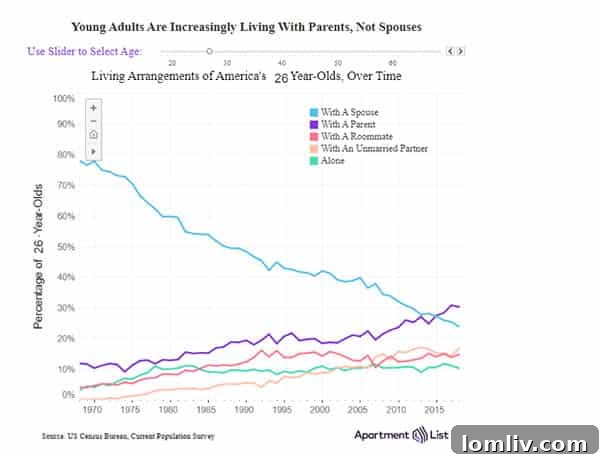
Olyvia Ruhlmann, a representative from Apartmentlist.com, succinctly captured the essence of this transformation, stating in a press release, “The rising cost of housing and shifting family dynamics have reconfigured the American household, and trends in who lives together are determining what types of housing will ultimately be available and affordable.” This statement pinpoints the primary drivers behind the trend: soaring housing costs, including both escalating rents and prohibitive home prices, coupled with a cultural embrace of multi-generational living. Many young adults face the daunting challenges of student loan debt, stagnant wage growth relative to inflation, and a highly competitive job market, making independent living an often-unobtainable luxury.
The statistics paint a stark picture: approximately 24 percent of 26-year-olds currently live with a spouse. This figure stands in sharp contrast to just 50 years ago, when a remarkable 76 percent of individuals in the same age bracket were married and likely living independently or with their partner. This dramatic decline in spousal cohabitation is a clear indicator of postponed marriage and family formation, allowing young adults more time to focus on career development and financial stability before taking on the responsibilities of independent households. The study also meticulously examines the percentages of 26-year-olds living alone or with roommates, providing a comprehensive overview of alternative living situations for those who do not reside with their parents. These various housing choices collectively shape the demand for different housing types in Dallas, influencing everything from the construction of smaller starter homes to the design of more spacious properties accommodating extended families, underscoring the need for flexible and affordable housing solutions in a changing demographic landscape.
Source: Apartmentlist.com
The Dallas-Fort Worth real estate market is a microcosm of broader national trends, yet it maintains a distinct character shaped by the region’s unique economic vitality and cultural landscape. From catering to the needs of an expanding senior population with diverse living solutions, to witnessing a thriving retail sector pivot towards experiential offerings, and adapting to the evolving household dynamics of its youngest generations, Dallas consistently demonstrates its ability to grow and transform. These trends underscore the importance of agile urban planning, innovative development, and community-focused initiatives to ensure that Dallas remains a desirable, accessible, and economically robust city for all its residents for years to come.