

Decoding the Modern Homebuyer: Key Insights from NAR’s Latest Report
The landscape of homeownership is continuously evolving, shaped by shifting demographics, economic pressures, and technological advancements. The National Association of Realtors® (NAR) consistently provides invaluable insights into these dynamics through its comprehensive reports. The 2018 Profile of Home Buyers and Sellers, for instance, unveiled compelling trends that continue to resonate in today’s housing market, offering a detailed snapshot of who is buying homes, how they are finding them, and the challenges they face.
The Rise of the Single Female Homebuyer: A Powerful Market Force
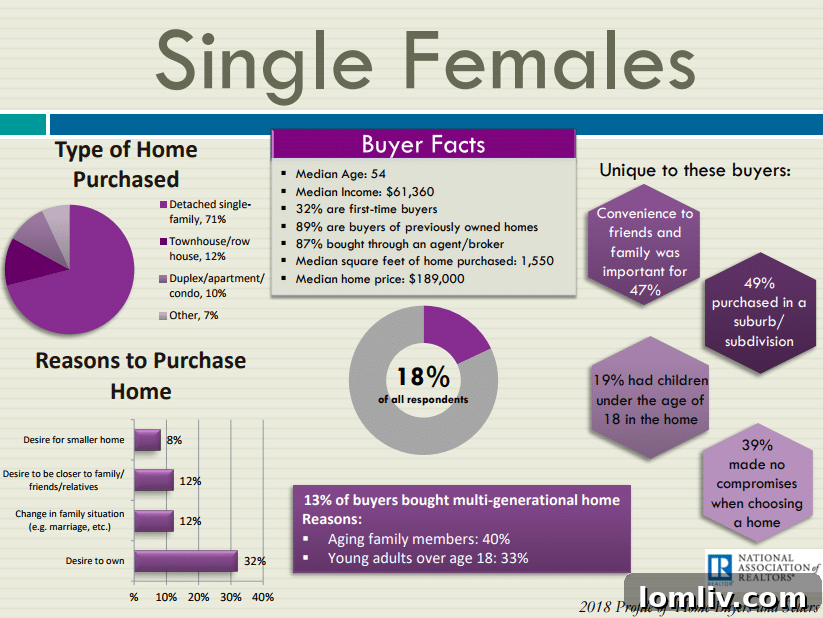
One of the most striking revelations from the NAR report highlights the growing influence of single female buyers in the real estate market. Making up a significant 18 percent of all homebuyers, single women have, for the second consecutive year, solidified their position as the second most common household buyer group. This impressive statistic places them firmly behind married couples, who account for 63 percent of homes sold, and significantly ahead of single male buyers, who constituted nine percent of sales.
This trend underscores a powerful shift in societal and economic independence. Single women are increasingly achieving financial stability and pursuing homeownership as a personal milestone, unattached to traditional partnership timelines. This demographic’s growing purchasing power reflects broader societal changes, including increased educational attainment, career advancement, and delayed marriage. While single male buyers tended to purchase homes with a median price of $215,000, single female buyers acquired properties with a median price of $189,000, demonstrating a strategic approach to affordability and value within their budgets.
The consistent presence of single women as a dominant force in the housing market is a testament to their ambition and financial acumen. It also signals an important demographic consideration for real estate developers, lenders, and agents, who must increasingly tailor their services and offerings to meet the unique needs and preferences of this empowered buyer segment. Understanding their motivations, financial planning strategies, and desired property characteristics is crucial for effectively serving a significant portion of the buyer pool.
Navigating the Affordability Challenge: A Hurdle for Many Aspirants
Despite the notable achievements of certain buyer groups, the NAR report also cast a spotlight on persistent challenges within the housing market, particularly concerning affordability. The data revealed that many prospective buyers continued to face significant hurdles in finding a home they could afford, a trend that has profound implications for the overall health and accessibility of the housing market.
The Scarce Inventory Crisis and its Ramifications
A primary driver of the affordability crisis, as highlighted by NAR Chief Economist Lawrence Yun, was the acute inventory shortage, particularly at the lower end of the housing market. “With the lower end of the housing market – smaller, moderately priced homes – seeing the worst of the inventory shortage, first-time home buyers who want to enter the market are having difficulty finding a home they can afford,” Yun stated. This scarcity of available properties, especially those that are starter-home friendly, created a highly competitive environment where homes were selling in a median of just three weeks. Multiple offers became a common occurrence, pushing home prices upward and further out of reach for many.
This imbalance between supply and demand not only inflated prices but also reduced the negotiating power of buyers, especially those with tighter budgets. The scarcity disproportionately affects first-time buyers, who often seek more modestly priced homes to enter the market. The ripple effect of this inventory crunch extends beyond just pricing, impacting neighborhood stability, urban development, and the overall economic mobility of younger generations. While Yun noted a slow rise in inventory on a year-over-year basis in recent months, suggesting potential relief, the persistent shortage has undeniably shaped the buying experience for millions.
First-Time Buyers: An Endangered Species?
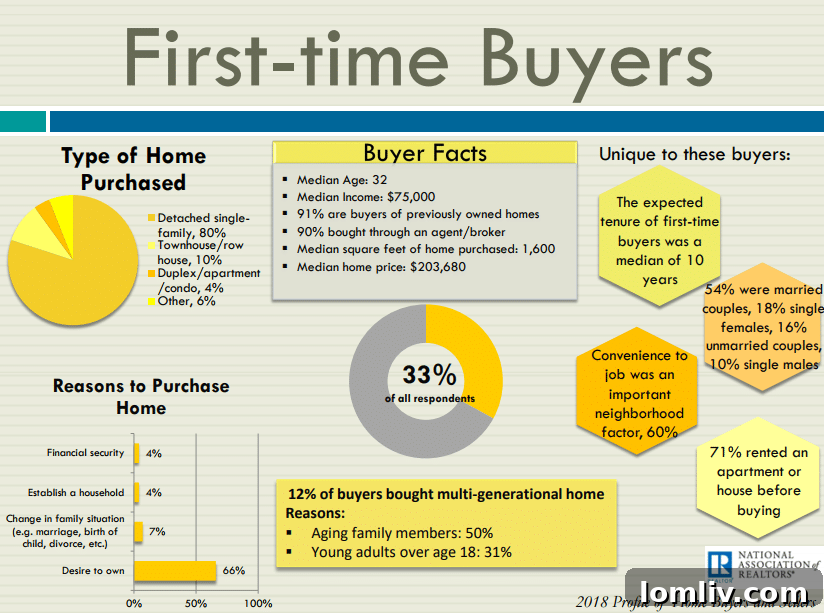
Compounding the inventory issues was a significant decline in the number of first-time buyers, which fell to 33 percent—continuing a worrying three-year trend. This figure represented a historical low since 2010, when the first-time homebuyer credit ended, indicating a long-term struggle for new entrants to the market. The decline of first-time buyers is a critical indicator of market health, as they represent the perpetual engine of the housing ecosystem, allowing existing homeowners to move up or downsize.
The struggles of first-time buyers are attributed to a confluence of economic factors. Economists pinpoint low inventory, rising interest rates, and the pervasive burden of student loan debt as the primary culprits. For a significant portion of would-be homeowners, the dream of owning a property feels increasingly distant. The psychological impact of consistently being outbid or unable to save for a substantial down payment can be disheartening, leading many to delay homeownership or abandon the aspiration altogether.
Economic Headwinds: Interest Rates and Student Loan Debt
The twin challenges of higher interest rates and substantial student loan debt have proven particularly formidable for aspiring homeowners. Rising interest rates directly impact mortgage affordability, increasing monthly payments and reducing the maximum loan amount buyers can qualify for. Even a slight uptick can translate into thousands of dollars over the lifetime of a loan, effectively pricing out segments of the market.
Student loan debt, however, emerged as an even more pervasive barrier. The report revealed that a staggering 50 percent of all buyers reported that such debt was significantly hampering their ability to save for a down payment. With the average student loan burden growing, many young professionals find their disposable income severely constrained, making it nearly impossible to accumulate the substantial savings required for a down payment and closing costs. This financial straitjacket forces many to delay homeownership for years, impacting not only individual wealth accumulation but also the broader economy.
The Digital Frontier Meets Human Expertise: Modern Home Search
In an increasingly digital world, the process of finding a home has been fundamentally transformed, yet the enduring value of human expertise remains paramount. The NAR report meticulously detailed how technology and personal guidance coalesce in the modern home search journey.
The Indispensable Role of the Internet in Home Discovery
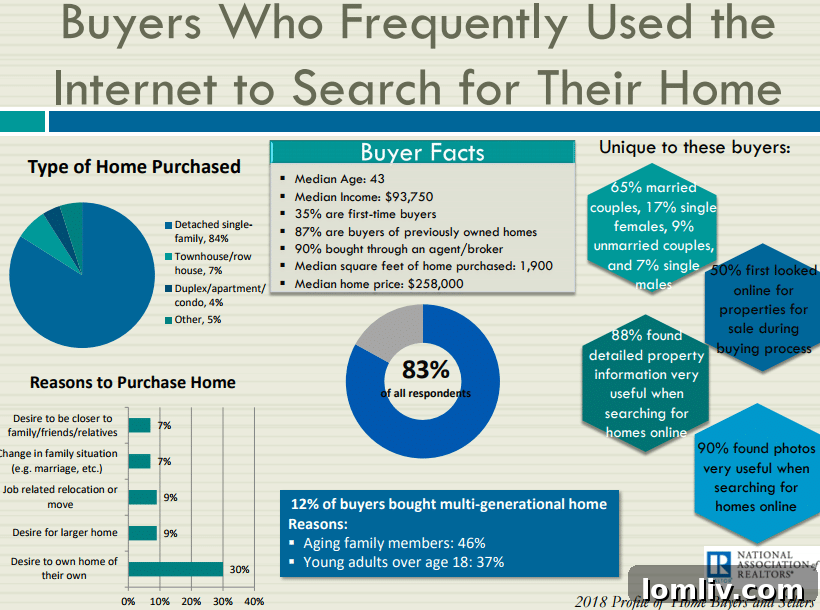
The internet’s dominance in the initial stages of the home search process is undeniable. A remarkable 95 percent of buyers reported using the internet at some point in their search, underscoring its role as the primary discovery tool. Furthermore, 50 percent of buyers ultimately purchased a home they first discovered online. This highlights the critical importance of robust online listings, high-quality photography, virtual tours, and comprehensive property information for both buyers and sellers. Digital platforms offer unparalleled convenience, allowing prospective buyers to explore countless properties, compare features, and narrow down their options from the comfort of their homes.
The advent of sophisticated real estate websites, mobile apps, and data analytics has empowered buyers with unprecedented access to market information, neighborhood insights, and property histories. This digital revolution has democratized access to real estate, making the initial stages of property search more efficient and transparent than ever before. However, the online experience, while powerful, often serves as a gateway to the next crucial step in the home-buying process.
The Enduring Value of Real Estate Professionals
Even with the internet playing such a significant role in home discovery, the human element of the transaction remains indispensable. The report affirmed the enduring value of real estate professionals, with 86 percent of buyers utilizing a Realtor in their home search. A staggering 87 percent ultimately purchased their home through a Realtor, demonstrating the critical role agents play in navigating the complexities of the market.
The trust and satisfaction buyers place in their agents were further highlighted by the fact that 90 percent said they would definitely or probably use their Realtor again, or recommend them to a friend. This strong endorsement speaks volumes about the expertise, guidance, and peace of mind that Realtors provide. From negotiating offers and understanding legal contracts to coordinating inspections and facilitating closing, real estate professionals act as essential advocates and navigators through a process that can be daunting and emotionally charged. Their local market knowledge, negotiation skills, and ability to troubleshoot unexpected issues are invaluable, transforming a complex transaction into a smoother, more secure experience for their clients.
The Decline of For-Sale-By-Owner (FSBO): Complexity Demands Professionalism
The report also shed light on the declining trend of For-Sale-By-Owner (FSBO) sales, which hit an all-time low for the NAR survey at just 7 percent. This statistic marks a significant shift from a high of 15 percent in 1981 and underscores a growing recognition among sellers that navigating a home sale requires professional expertise.
Selling a home independently, while seemingly a way to save on commission fees, often comes with hidden costs and increased risks. The complexities involved in pricing a home accurately, marketing it effectively to a broad audience, conducting showings, negotiating offers, understanding intricate legal disclosures, and managing the closing process can be overwhelming for the average homeowner. The report explicitly stated, “This number has been steadily declining since a high of 15 percent in 1981, with more and more owners relying on the expertise of an agent to help navigate the complicated process and intricacies of a home sale.” The perceived savings from bypassing an agent can often be offset by a lower selling price, longer time on the market, or costly legal missteps. The intricate nature of real estate transactions, coupled with the desire for a smooth and profitable sale, continues to reinforce the irreplaceable role of real estate agents for both buyers and sellers.
Looking Ahead: Trends Shaping the Future of Homeownership
The 2018 NAR Profile of Home Buyers and Sellers provides a vital lens through which to understand the ongoing transformations in the housing market. From the empowering rise of single female homebuyers to the persistent challenges of affordability and the indispensable role of real estate professionals, these trends continue to shape the aspirations and realities of homeownership.
As the market evolves, it will be crucial to address the structural issues contributing to the affordability crisis, particularly the inventory shortage and the burden of student loan debt. Policy discussions around increasing housing supply, reforming lending practices, and providing financial literacy and assistance to first-time buyers will be critical. Simultaneously, the real estate industry must continue to innovate, leveraging technology to enhance the home search experience while reinforcing the irreplaceable value of expert human guidance. The blend of digital efficiency and professional acumen will define the future of real estate, ensuring that the dream of homeownership remains accessible and achievable for a diverse and evolving population.
To delve deeper into these fascinating statistics and gain a more comprehensive understanding of the market dynamics, access the entire report directly from the National Association of Realtors® by clicking here.