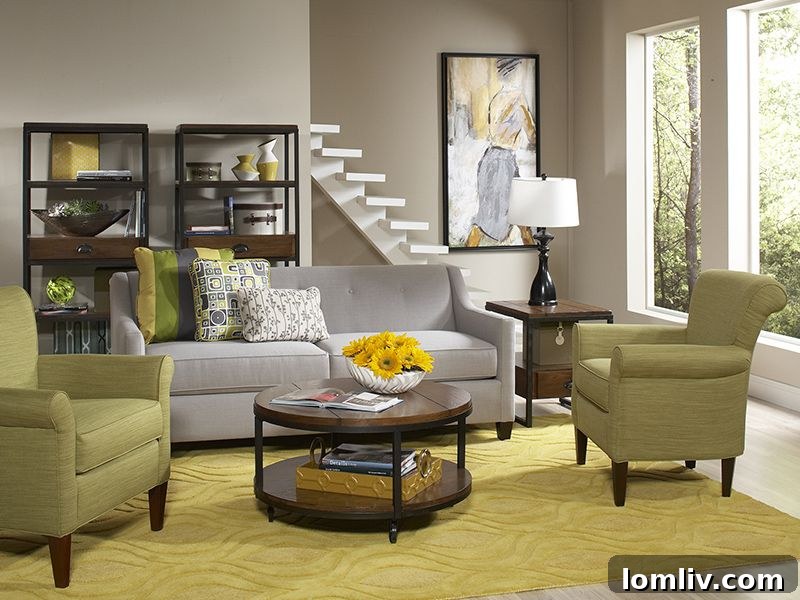
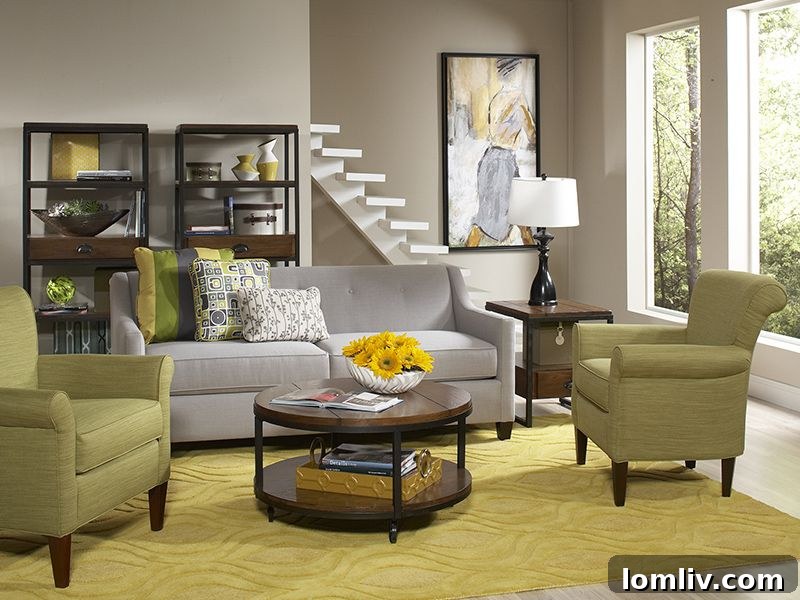
In the competitive world of real estate, the first impression is often the only impression. For vacant properties, this initial viewing can be particularly challenging. An empty house, devoid of furniture and personal touches, often struggles to connect with potential buyers on an emotional level. This is where the power of professional home staging, specifically for what industry experts refer to as “naked” listings, becomes indispensable. This guide delves into why staging a vacant home is not just an aesthetic choice, but a strategic marketing investment that can significantly impact sale price and speed.
Unlock Your Vacant Home’s True Potential: The Indispensable Value of Professional Staging
Selling a home is a significant undertaking, and when that property stands vacant, the task becomes even more complex. An empty house can feel cold, uninviting, and often fails to showcase its true scale or potential. Buyers may struggle to visualize how their furniture would fit or how life would unfold within those bare walls. This is a common dilemma, and one that professional home stagers are uniquely equipped to solve.
The demand for furnishing vacant properties for sale has consistently remained one of the most requested staging services. Real estate agents frequently reach out to stagers, often seeking a quick estimate and hoping for an immediate installation. However, the comprehensive process of staging a vacant home is far more intricate and strategic than many initially realize. It’s an art and a science, meticulously planned to transform an anonymous space into a warm, aspirational home that resonates deeply with potential buyers.
Why Vacant Properties Benefit Dramatically from Professional Staging
Many sellers assume an empty house offers a blank canvas, allowing buyers to project their own vision onto the space. In reality, the opposite is often true. Vacant rooms lack warmth, scale, and a sense of purpose. This can lead to several negative outcomes:
- Perceived Smaller Spaces: Without furniture to provide scale, rooms often appear smaller or oddly proportioned, making it difficult for buyers to understand their true dimensions.
- Lack of Emotional Connection: Buying a home is an emotional decision. Empty spaces often feel sterile and uninspired, failing to evoke the crucial “I can see myself living here” feeling.
- Highlighting Flaws: In a vacant home, minor imperfections, outdated fixtures, or unusual architectural features tend to stand out more prominently without the distraction of appealing decor.
- Lower Offers: Buyers often underestimate the value of an unstaged vacant home, leading to lower offers or a perception that the property needs significant work.
- Longer Time on Market: Properties that fail to captivate buyers from the outset often linger on the market, incurring additional carrying costs for the seller, such as mortgage payments, utilities, and insurance.
Professional staging directly addresses these issues by creating visually appealing and functional spaces. It provides context, defines areas, and infuses the home with personality and warmth, helping buyers to fall in love with a lifestyle, not just a structure.
The Meticulous Journey of Professionally Staging a Vacant Home
When real estate agents inquire about the cost to furnish a house, often followed by, “Can you install tomorrow?”, it’s clear there’s a common misconception about the depth and complexity involved in professional vacant home staging. Delivering an accurate estimate or an immediate installation without proper assessment is simply not feasible for a high-quality, effective staging project.
Step 1: The Initial Consultation and Strategic Blueprint
The staging process begins with a comprehensive property preview. This is much more than a casual walk-through; it’s a strategic assessment where the stager meticulously photographs each room, takes precise measurements, and analyzes the home’s architectural style, inherent features, and natural light. A crucial element of this phase is identifying the target buyer demographic. Is the home best suited for a young family, a bustling professional, or an empty-nester couple? Understanding the ideal buyer informs every subsequent design decision. This initial preview also involves mentally space planning and selecting specific items to enhance the property’s unique characteristics, whether it’s a sprawling multi-million-dollar estate or a charming, more modestly priced ranch.
Step 2: Crafting the Design Concept and Curated Inventory Selection
Once the property assessment is complete, the stager develops a cohesive design concept tailored to the home and its potential buyers. This involves selecting an extensive array of furniture, artwork, lighting, rugs, and decorative accessories from the stager’s curated inventory or through trusted rental partners. Every item is chosen with purpose: to define spaces, enhance flow, introduce texture and color, and create inviting vignettes that tell a story. This isn’t about filling rooms; it’s about creating an aspirational lifestyle. The scale and style of items chosen for a luxury Preston Hollow mansion, for example, will be vastly different from those selected for a cozy Lake Highlands ranch, underscoring why a generic “ballpark figure” is insufficient.
Step 3: Detailed Estimation and Formal Agreements
Creating a precise and transparent estimate is a labor-intensive process that can easily take several hours. This involves not only calculating the costs of furniture and accessory rentals but also factoring in significant labor expenses for the staging team, transportation fees (for both delivery and eventual removal), and the stager’s professional design and coordination fees. This detailed work justifies why professional stagers typically charge a fee for this comprehensive estimation. Once the detailed proposal is accepted, robust staging and furniture rental contracts are drafted. These contracts clearly outline the scope of work, terms and conditions, insurance provisions, and project timelines. It’s important for clients to recognize that a professional staging company often manages multiple complex projects simultaneously, making instant turnarounds unrealistic but thorough planning essential.
Understanding the Investment: Deconstructing Staging Costs
It’s not uncommon for sellers to express surprise at the cost when they receive a detailed staging proposal, often remarking, “Wow, this is a lot more expensive than I was expecting.” This reaction usually stems from an underestimation of the sheer volume of items and the extensive labor involved in a professional staging project. For a typical vacant staging in an average-sized home, it’s not unusual to utilize 20 to 30 individual pieces of furniture, augmented by dozens of carefully selected accessories, art, and lighting fixtures, all meticulously chosen to create an inviting and cohesive atmosphere.
Beyond Furniture: The Value of Expert Labor and Execution
The investment in professional staging extends far beyond merely renting furniture. It encompasses a highly coordinated effort and specialized expertise:
- Expert Placement and Styling: The staging team expertly coordinates and meets delivery trucks, then precisely places each piece of furniture to optimize room flow, proportion, and visual appeal.
- Art Installation and Accessory Styling: This includes professional hanging of artwork at the ideal height, unpacking and strategically placing decorative accessories to create focal points and inject personality into each space.
- Detailed Finishing Touches: Tasks like steaming bed linens, fluffing pillows, and arranging soft furnishings are crucial for presenting a polished, high-end look that photography can capture effectively.
- Pre-Staging Coordination: Many professional stagers also facilitate or coordinate essential pre-staging services such as scheduling minor repairs, arranging professional landscaping, and coordinating cleaning crews to ensure the property is in immaculate condition before any staging elements are introduced.
This comprehensive approach transforms a raw, empty space into a meticulously designed, show-ready home. It’s a physically demanding and creatively intensive process that delivers tangible results far beyond what a do-it-yourself effort could achieve.
The Undeniable Return on Investment: Staging as a Smart Marketing Expense
While the initial cost of professional vacant home staging is an investment, it is consistently proven to be significantly less expensive than the financial repercussions of not staging. The math is straightforward: staging is a strategic marketing expense designed to protect and maximize your equity.
Accelerated Sales and Maximized Selling Prices
Extensive industry data and countless success stories demonstrate that staged homes consistently sell faster and for higher prices than unstaged properties. While market conditions vary, staged homes frequently sell 5-15% above their unstaged counterparts and often spend half the time, or even less, on the market. This swift sale minimizes the seller’s carrying costs—including mortgage payments, property taxes, utilities, and insurance—and provides a quicker return on investment.
Avoiding Costly Price Reductions
Every week a vacant property sits on the market unstaged increases the likelihood of a price reduction. A typical price drop of $10,000 or more on a mid-range home can significantly erode a seller’s profit. A strategic investment of a few thousand dollars in staging can often prevent such reductions entirely, potentially even leading to a higher final sale price. When sellers clearly understand this cost-versus-return analysis, the “Aha!” moment often occurs, making professional staging the clear, financially astute choice.
Tax Benefits of Home Staging
Beyond the direct benefits of faster and higher sales, professional home staging can also offer financial advantages through tax implications. According to Dallas CPA David Moffat, “The seller would include the cost of staging, including furniture rental along with other ‘fixing up expenses’ that increase the original basis (cost) of the house and therefore reduce the gain on the sale.” This means that the investment in staging could potentially reduce your taxable capital gains upon the sale of your property, further enhancing its financial appeal. Always consult with your tax professional for personalized advice regarding your specific tax situation.
The De-Staging Process: A Crucial Final Step
The work of a professional stager doesn’t conclude with a successful sale; it extends through the meticulous de-staging process. This final phase requires just as much coordination and attention to detail as the initial installation to ensure a smooth transition for the new homeowners and the efficient return of all rented items.
Professional stagers carefully coordinate the scheduling and logistics with moving companies and delivery teams. Every piece of furniture, artwork, and accessory is systematically dismantled, packed with care, and meticulously inventoried. This ensures that nothing is overlooked or damaged and that the property is cleared efficiently. Most professional staging companies incorporate a contract clause requiring at least a two-week notice to de-stage a property. This allows ample time for complex scheduling, avoiding last-minute pressures and ensuring that the property is left pristine and ready for its new owners.
Make the Smart Choice: Embrace Professional Vacant Home Staging
Ultimately, no one desires to purchase a “naked house” that feels lifeless and devoid of promise. Buyers are searching for a home where they can envision their future, forge an emotional connection, and feel a sense of belonging. This critical connection is incredibly difficult to establish when a potential buyer walks into an empty, silent space.
While the investment in professional staging might not always be feasible for every seller, the overwhelming evidence consistently points to it being a strategic necessity for maximizing a property’s market potential. Professional vacant home staging is a powerful blend of design expertise, logistical precision, and savvy marketing. It transforms empty spaces into dream homes, accelerates sales timelines, and safeguards your property’s equity. It is an investment that consistently yields substantial returns, positioning it as one of the wisest decisions you can make when preparing a vacant property for sale.

Karen Eubank is a highly respected and top-tier home stager based in Dallas, Texas. Her discerning eye for design and proven track record have earned her a loyal clientele, including many well-known real estate agents who trust her expertise to elevate their listings. Karen resides in the vibrant Hollywood Heights neighborhood with her son and an impressive collection of silk orchids that are so lifelike, everyone believes they are real. To explore Karen’s portfolio and learn more about her exceptional staging services, please visit her official website.