HOA Liability: Who Pays When Building Infrastructure Fails?
The question of accountability within homeowners’ associations (HOAs) often surfaces during unfortunate events, particularly when a building’s infrastructure fails, causing significant damage. Do HOAs possess the legal right to absolve themselves of responsibility when an accident occurs, even when the building itself is undeniably at fault? This complex query strikes at the heart of homeowner expectations versus the often intricate realities of HOA governance and insurance policies. Many homeowners might instinctively assume their HOA would bear the brunt of such costs. After all, a significant portion of annual HOA dues is typically allocated towards comprehensive insurance policies designed precisely for these catastrophic scenarios. Moreover, if a neighbor were to cause similar damage, they would be held accountable for repairs. Why, then, should an HOA, tasked with maintaining common elements, be treated any differently?
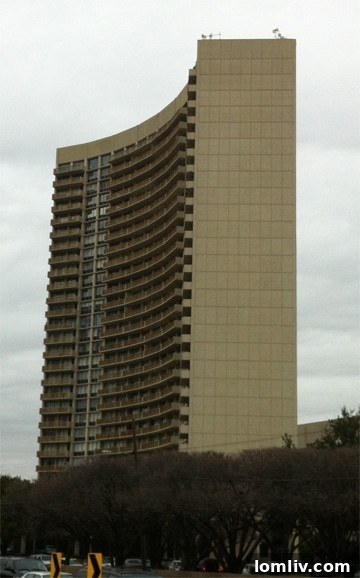
The legal landscape surrounding HOA liability is currently being illuminated by a pivotal case unfolding in the Dallas court system. For over a year, a dispute between Preston Tower, a prominent Dallas high-rise, and one of its unit owners has been making its way through the judicial process, promising to set a significant precedent for homeowners and HOAs alike across the nation.
The Catastrophic Flood at Preston Tower: A Case Study in Infrastructure Failure
The origins of this legal battle trace back to a devastating incident in February 2015. Preston Tower experienced a catastrophic flood when a critical water booster pump, an integral part of the building’s communal water supply system, malfunctioned. This equipment failure unleashed an uncontrolled torrent of water, which cascaded relentlessly from the penthouse level all the way down to the ground floor. For a staggering 80 minutes, water poured unabated through multiple units, causing extensive and widespread damage throughout the building’s residential and common areas.
The scale of the destruction was immense, impacting numerous individual units as well as the building’s shared infrastructure. In the wake of this disaster, the Preston Tower HOA Board, in conjunction with its management company, Intercity Investments (ICI), and likely other stakeholders, made a controversial decision. Rather than filing a claim with the building’s master insurance policy to cover the substantial repair costs across so many affected units, they opted to shift the financial burden. This meant instructing individual unit owners to file claims under their personal condominium insurance policies for repairs within their units, effectively fobbing off the significant expenses from the HOA’s books.
Unraveling the HOA’s Decision: Why Shift the Burden?
The precise motivations behind the HOA’s decision to bypass its master insurance policy remain a subject of debate and speculation. From the HOA’s perspective, this path undoubtedly presented a more immediate financial benefit, as it avoided the direct outlay of funds or the potential impact on their insurance premiums. Questions naturally arise: Was the potential rate increase to the building’s insurance policy deemed too substantial to bear? Would a major claim of this magnitude have jeopardized the building’s ability to secure affordable insurance coverage in the future, given that insurance companies are notoriously quick to collect premiums but often reluctant to pay out claims or penalize for them? These are valid concerns that many HOAs face, but they pit the collective financial health of the association against the individual financial resilience of its members.
However, this decision sparked considerable discontent among homeowners. One particular owner refused to accept this reallocation of responsibility and subsequently initiated a lawsuit against both the HOA and ICI. While the intricacies of the legal proceedings span over 300 pages of court documentation, filled with a complex web of claims and counterclaims, the core issue remains straightforward: the failed water booster pump was an intrinsic component located within the building’s walls. As such, its servicing, maintenance, and ultimate responsibility in the event of failure clearly fell under the purview of the building’s management and, by extension, the HOA.
(For those seeking a deeper dive into the legal specifics, you can access the court documents by clicking here and entering case number DC-15-08890.)
The Far-Reaching Implications of the Preston Tower Verdict
The outcome of this landmark case carries profound implications for every homeowner living within an HOA-governed community. Should the Preston Tower HOA prevail in court, it would effectively signal a significant shift in responsibility, potentially forcing all homeowners to critically reassess their individual vulnerability to building infrastructure failures. Such a ruling would necessitate a comprehensive review of existing HOA bylaws and governing documents. Homeowners would be compelled to advocate for, and demand that, their HOA Boards explicitly delineate their exact responsibilities and financial obligations in the face of catastrophic damage caused by building-wide issues. It raises a critical fairness question: if an HOA is reticent to absorb the costs of rising insurance premiums for building-related failures, then individual homeowners should not be unilaterally burdened with the financial consequences of maintaining infrastructure that is clearly the HOA’s domain.
Understanding Condo and Building Insurance Policies
To fully grasp the stakes, it’s essential to understand the typical division of insurance coverage in condominium and high-rise structures. Generally, individual condo insurance policies, often referred to as HO-6 policies, provide coverage from the “drywall in.” This means they protect the interior of a unit, including personal belongings, fixtures, and interior finishes. Conversely, the building’s master insurance policy covers the structural elements, common areas, and the infrastructure situated “behind the drywall,” such as plumbing, electrical systems, and the very booster pump that failed at Preston Tower. Regardless of a building’s age, mechanical failures and accidents are an unfortunate reality. Given the relentless force of gravity, water—as tragically demonstrated at Preston Tower—remains the most formidable adversary for all high-rise buildings, capable of inflicting immense and costly damage.
What Homeowners Need to Know: Proactive Steps and Advocacy
The ongoing legal battle, which has now spanned well over a year, is nearing a critical juncture. A hearing scheduled for December 14th will address the homeowner’s motion for summary judgment and a request for legal costs. The resolution of this case will undoubtedly reshape how HOAs and homeowners navigate liability in the future.
For homeowners, the Preston Tower case serves as a powerful reminder of the imperative to be informed and proactive. Understanding your HOA’s Covenants, Conditions, and Restrictions (CC&Rs), bylaws, and master insurance policy is not merely a formality; it is a vital safeguard for your investment and peace of mind. Attend HOA board meetings, ask questions, and advocate for transparent communication regarding maintenance schedules, emergency protocols, and, most importantly, clear definitions of liability for infrastructure failures.
Furthermore, homeowners should meticulously review their personal HO-6 policies to understand exactly what they cover in the event of building-wide damage. It may be prudent to consult with an insurance professional to ensure adequate coverage for potential scenarios that your HOA’s master policy might seek to bypass. This proactive engagement is crucial for protecting individual interests and fostering a responsible, accountable HOA community.
Stay tuned as this significant case progresses through the courts. Its final judgment could establish a precedent that impacts high-rise living and HOA governance for years to come.
P.S. It goes without saying that I’m not a lawyer nor have I ever played one on TV. The information provided here is for general understanding and should not be construed as legal advice.
About the Author: Insights into High-Rise Living and Real Estate
My passion lies in exploring the dynamic world of high-rises, the intricacies of HOAs, and the ever-evolving landscape of renovation projects. Beyond these core interests, I hold a deep appreciation for both modern and historical architecture, often viewed through the lens of the YIMBY (Yes In My Backyard) movement, which advocates for housing growth and density. If your organization is interested in hosting a Candysdirt.com Staff Meeting event, I’m readily available to collaborate.
In 2016, my dedication to insightful real estate commentary was honored with both Bronze and Silver awards from the prestigious National Association of Real Estate Editors, a testament to the quality and relevance of my writing. Do you have a compelling story to share, a unique perspective on real estate, or perhaps even a marriage proposal to make? Feel free to reach out directly by sending an email to [email protected]. I look forward to hearing from you.