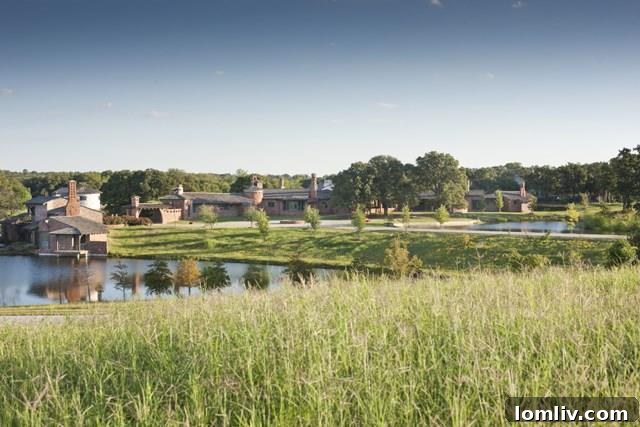
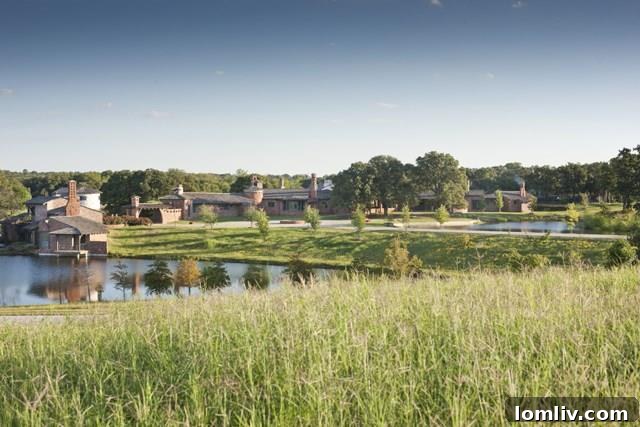
PaigeBrooke Farm: A North Texas Architectural Masterpiece Rescued and Reimagined
Nestled amidst the serene landscape of Westlake, North Texas, lies PaigeBrooke Farm – a property that transcends the typical definition of a luxury estate. Originally featured in December 2011, this remarkable ranch house continues to captivate with its rich history, unique architectural lineage, and an extraordinary tale of preservation. Designed by the illustrious Charles Dilbeck, one of Dallas’ most celebrated architects, and commissioned by a prominent Dallas family, the home carries an unparalleled pedigree. Yet, its story doesn’t end there; PaigeBrooke Farm underwent a monumental transformation in 1998, when it was meticulously relocated and then lovingly restored and expanded by its dedicated owners, Scott and Kelly Bradley. This 4,500 square foot residence was carefully wrapped and moved in six separate pieces, a delicate ballet performed on steel beams, to its current breathtaking 18-acre setting. The result is an “ahhh experience” – a tranquil, country-like oasis where the hustle of civilization feels miles away. Currently listed for $7,900,000 with Jeff Watson of Briggs Freeman-Sotheby’s International Realty, PaigeBrooke Farm represents a rare confluence of historical significance, architectural genius, and unwavering passion.
The visionaries behind this incredible feat of preservation are Scott and Kelly Bradley, a couple whose commitment to safeguarding architectural heritage is nothing short of inspiring.
The Visionary Architect: Charles Dilbeck’s Enduring Legacy
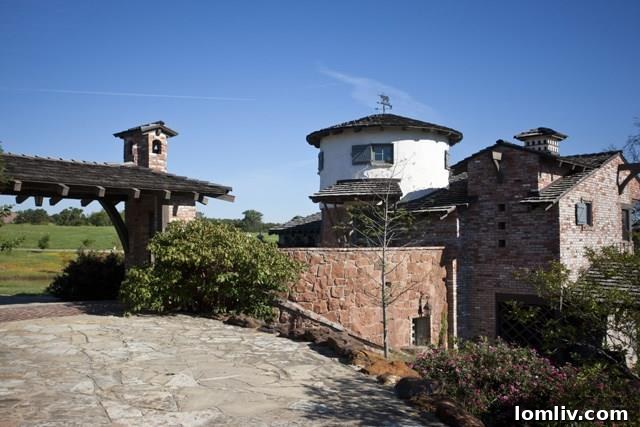
PaigeBrooke Farm is more than just a house; it’s a living testament to the distinctive style of Charles Dilbeck. Minutes from DFW Airport and a short drive from Westlake Academy, this rambling, half-timbered structure was originally designed in 1938 for Ted Dealey, a scion of Dallas’ influential publishing dynasty and a publisher of the Dallas Morning News. Dilbeck’s architectural philosophy, deeply rooted in creating homes with character and charm, is evident in every detail of PaigeBrooke. He famously believed that each room should hold a unique “surprise element,” and this residence is replete with artisan handiwork and delightful discoveries throughout.
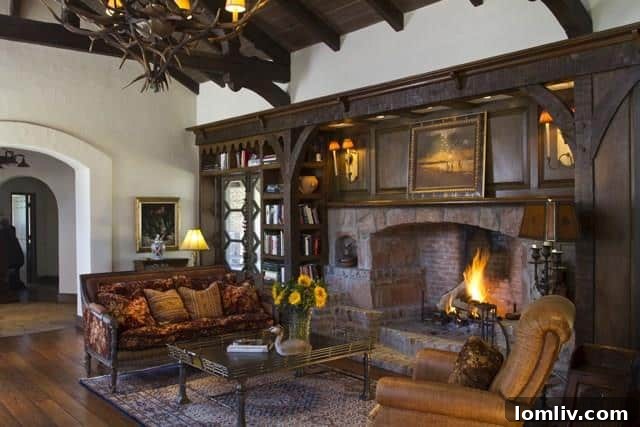
Charles Dilbeck is revered for his romantic Tudors and French country homes, which dot the prestigious Park Cities and parts of North Dallas. His designs often predated the “Harry Potter” aesthetic, showcasing an enchanting, storybook quality. Dilbeck’s signature style evokes the warmth and authenticity of an English farmhouse, characterized by sprawling layouts that appear to have evolved organically over time, as if additions were made incrementally. He often pointed out that true cottages revealed their original log cabin beginnings – a feature thoughtfully incorporated into PaigeBrooke Farm. Another hallmark of his design was the deliberate absence of traditional hallways, requiring passage through one room to reach another, fostering a more intimate and connected living experience that feels genuinely organic.
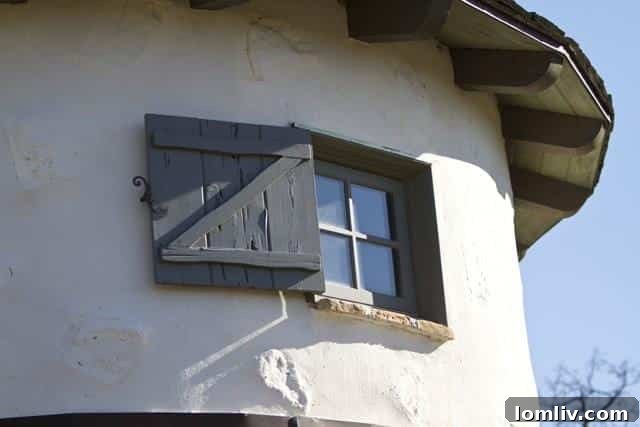
PaigeBrooke Farm perfectly embodies classic Dilbeck elements, constructed with rustic brick, natural stone, durable tile, and rich wood. The home boasts his recognizable features: gracefully rounded chimneys, charming overhanging balconies, distinctive cupolas, and even a majestic bell tower. Ahead of his time, Dilbeck was an ardent proponent of eco-friendly building practices long before “green” architecture became vogue. He favored salvaged and recycled materials, imbuing his homes with history and character. For instance, the distinctive pinkish stone that graces PaigeBrooke was repurposed from an old slaughterhouse in Fort Worth, while the hand-hewn beams were meticulously crafted from original Union Terminal timbers, also from Fort Worth. This commitment to sustainable, storied materials contributes significantly to the home’s unique charm and enduring appeal.
A Storied Past: From Dallas Dynasty to Neglect
Dilbeck designed several country estates, but PaigeBrooke Farm held a special place in his heart. His widow, Pat Dilbeck, and their daughter Elaine Dilbeck MacIntire, remained close friends with the Bradleys and consistently cited PaigeBrooke as their favorite among Dilbeck’s creations, confirming it was his favorite as well. Pat Dilbeck shared with The Dallas Morning News, “I believe this was my husband’s favorite home. He created so many pretty homes, but this one was so beautiful, being out in the country in such a lovely setting.” The deep familial connection to the property is further highlighted by the fact that a Dilbeck grandson even chose PaigeBrooke as the meaningful location to propose to his fiancée, weaving new chapters into its already rich family history.
The Bradleys’ Unwavering Dedication: Rescuing a Landmark
Beyond its architectural grandeur, PaigeBrooke Farm’s soul lies in the story of Scott and Kelly Bradley. Their profound commitment extends not only to this magnificent home but also to their community. Scott, a highly respected securities attorney, served an astounding 17 consecutive terms as Mayor of Westlake. During his tenure, he transformed the town’s finances from a mere $35,000 in the bank to a robust $6.5 million. The Bradleys embody a rare dedication to preservation, conservation, and making the world a better place. The property itself is affectionately named after their daughters, Paige and Brooke, underscoring the deep personal connection that permeates every inch of this estate.
When Scott and Kelly first encountered the Westlake property, it had been vacant for a decade, fallen into disrepair, and become a haven for raccoons and other wildlife. Despite its neglected state, the Bradleys fell in love at first sight. Kelly vividly recounts the early days: “You could stay in bed and fix breakfast in that house,” she says, emphasizing its original small footprint during their early refurbishment efforts. The rural nature of Westlake and Southlake at the time meant communities were small, with Westlake having only about 200 residents. Texas State Highway 114 was a two-lane road, and Kelly humorously recalls sleeping with a shotgun nearby, less for burglars and more for the abundant critters. Even legendary oilman Nelson Bunker Hunt, whose Circle T Ranch later became part of Vaquero, was a neighbor, embodying the spirit of community by having his cowboys return stray Bradley cows.
Originally, the Dealey home stood as the centerpiece of the vast 220 Ranch, hosting prominent Dallas business and civic leaders who sought to savor country life. It was a stark contrast to the bustling corporate landscape that now surrounds it, with major Fidelity headquarters and American Airlines operations just a stone’s throw away. By the time the Bradleys purchased it, the 220 acres had dwindled to about 130, following various land transactions. The previous owner had bought it for his real-estate professional wife, but she passed away before they could move in, leaving the home vacant and, in a sense, heartless.
The Bradleys poured their energy and love into refurbishing every inch of the property. During this initial phase, they lived in an 800-square-foot foreman’s house on the land. Kelly recalls turning on the water one morning only to find it gushing red, bringing her to tears – a testament to the monumental task they had undertaken.
An Unprecedented Feat: Moving a Masterpiece
A pivotal moment arrived in 1998 when Scott Bradley found himself entangled in a business battle crucial to Westlake’s future. For the betterment of the community, the Bradleys agreed to sell a portion of their acreage to Fidelity Investments for a new regional headquarters. This development, while financially beneficial for Westlake, placed their cherished PaigeBrooke directly in the path of demolition. Most families might have accepted the offer, bid an emotional farewell to their home, and moved on. But not the Bradleys. Scott, leveraging his legal acumen, added a remarkable clause to the sale agreement: Fidelity must either preserve the house in perpetuity or grant the Bradleys permission to move it themselves. This foresight proved to be invaluable, showcasing a profound commitment to heritage that few would undertake.
And so began one of the most fascinating and dramatic chapters in the home’s history. The Bradleys’ beloved 4,500-square-foot PaigeBrooke was meticulously “chopped” into six massive pieces, carefully wrapped in Tyvek like a delicate holiday ornament, and moved on steel beams to its new, idyllic location on their remaining 18 acres. This monumental endeavor evolved into a painstaking 10-year process. During the initial five years, the Bradleys resided in a trailer on the property, overseeing every detail. They then moved into an adjacent guest house, skillfully designed by Dallas preservation architect Nancy McCoy. McCoy was tasked with the critical role of seamlessly blending the original Dilbeck home with any necessary additions, ensuring the architectural integrity and style were perfectly maintained.
Nancy McCoy aptly described the entire undertaking as an “architectural marvel.” The sheer complexity of dismantling a house like a colossal jigsaw puzzle and then reassembling it with precision is almost unfathomable. It was also, as one might expect, an extraordinarily expensive venture. The scale of the project is underscored by staggering statistics, such as the living room alone weighing an astonishing 98,000 pounds!
Expansion and Enhancement: A Modern Marvel Rooted in History
The original Charles Dilbeck design, typically only one room deep to maximize cross-breezes before the advent of air conditioning, spanned 4,500 square feet. With the immense effort of moving the entire structure, the Bradleys seized the opportunity to enhance and modernize the home while meticulously preserving its historic essence. They thoughtfully integrated additions that Dilbeck himself might have appreciated in a different era. This included introducing a central hallway – a departure from Dilbeck’s original no-hallway philosophy but a practical concession for modern living – along with more spacious bathrooms and larger closets. (Dilbeck, much like Frank Lloyd Wright, seemed to design for a minimalist wardrobe, resulting in typically tiny closets.)
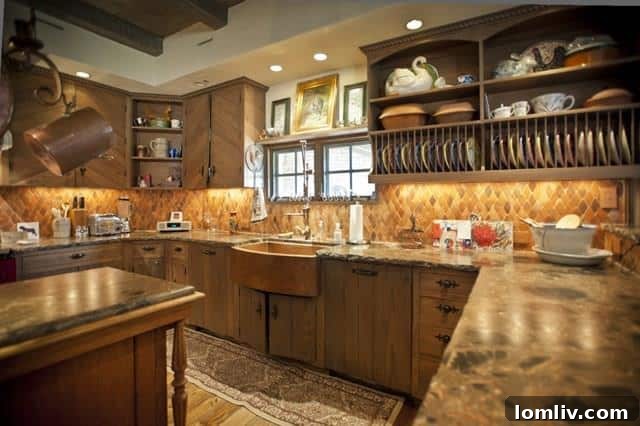
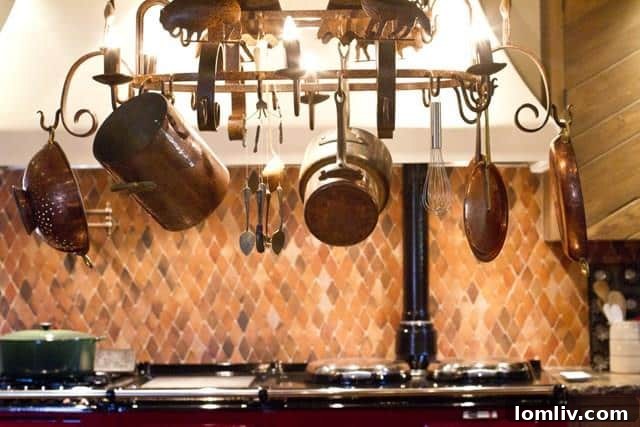
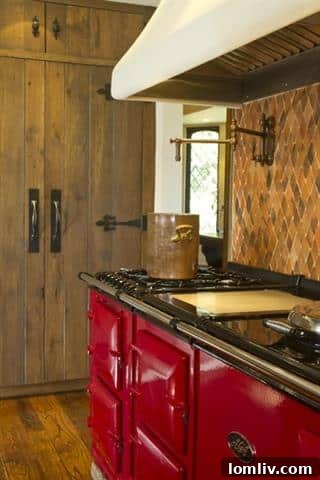
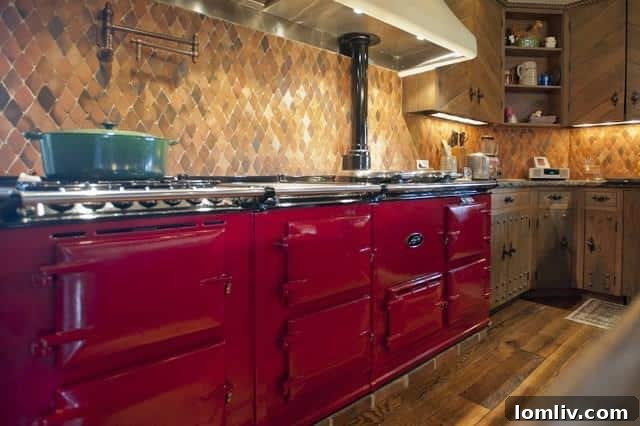
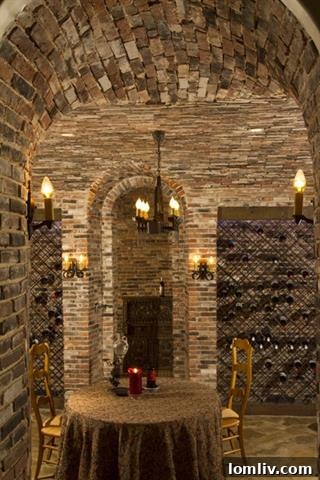
The renovation saw the creation of a luxurious master bathroom featuring three exquisite ships’ windows, an upscale kitchen boasting the most stunning red Aga stove imaginable, a sophisticated wine cellar, and a dedicated media room. Charles Dilbeck, a visionary in his own right, would undoubtedly have marveled at these thoughtful additions, which seamlessly blend modern luxury with his timeless aesthetic.
Adding another layer of historical intrigue and modern functionality, the Bradleys discovered original plans for the house, tucked away on three pieces of paper in Dilbeck’s widow’s attic. These plans revealed a never-built basement, which the Bradleys proceeded to add, expanding the home further. Now rambling gracefully over two floors, the entire structure floats on an impressive 276 piers, a testament to its robust engineering. Scott Bradley’s commitment to high eco-standards also led to the integration of a geothermal and radiant heating system, making PaigeBrooke a model of sustainable luxury. All walls are constructed with thick plaster, ensuring a solidity and soundproofing akin to the renowned nuclear bunker at The Greenbrier.
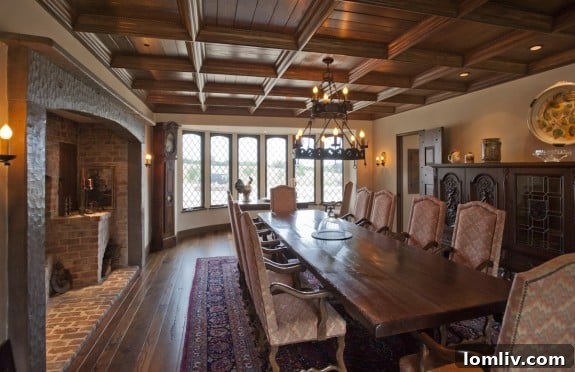
Every interior touch was executed with unparalleled care and oversight to faithfully replicate and extend Dilbeck’s distinctive style. The Bradleys enlisted the exceptional talent of Steven Guest, a master woodworker who dedicated a decade to recreating and enhancing the rustic elements Dilbeck envisioned. Guest, who is deaf and an expert lip-reader, crafted an ingenious kitchen pantry with double-folding hinged doors that swing open to reveal hidden shelving. His artistry is also evident in the vent screens throughout the house, which appear to be authentic 18th-century pieces, and most remarkably, the incredible 480-pound front door, perfectly rounded to fit its gracefully curved surrounding wall.
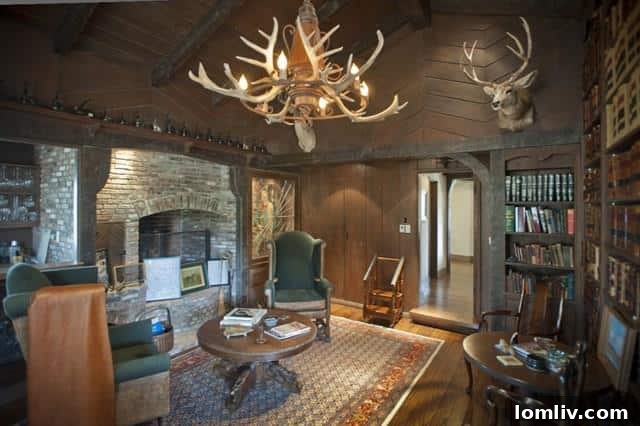
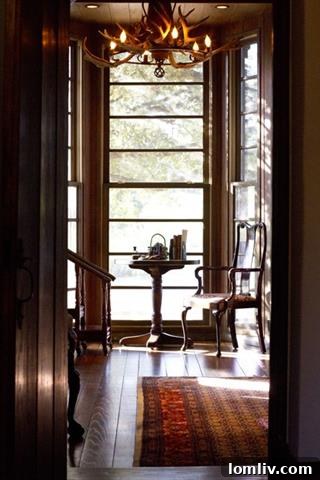
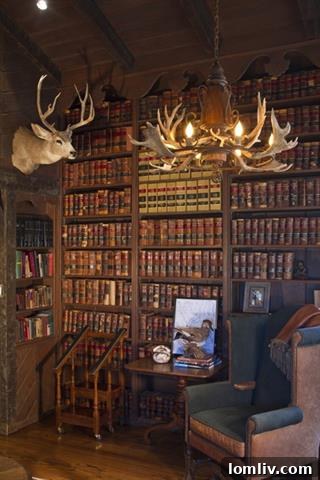
The comprehensive renovation and expansion ultimately increased the main house to an impressive 11,500 square feet, complemented by a substantial 2,200 square-foot guest house. The interiors are a captivating reflection of the Bradleys’ eclectic tastes and their love for unexpected treasures. The home is adorned with unique finds, from stuffed animal heads and antler chandeliers to vibrant tapestries. Scott’s personal collection of notary seal presses, discovered serendipitously in a storeroom at the Dallas law firm of Jenkens & Gilchrist, adds another layer of personal history and charm to this remarkable residence.
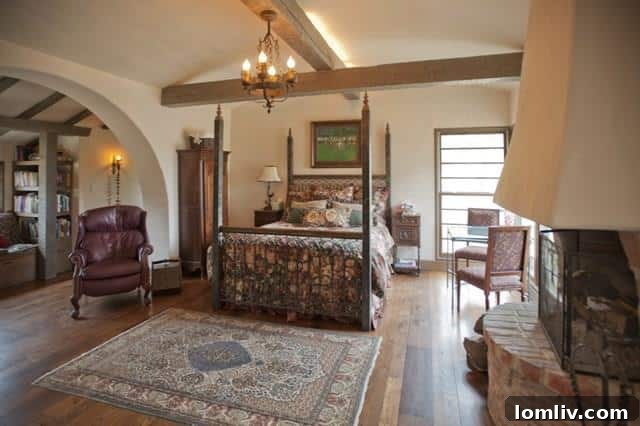
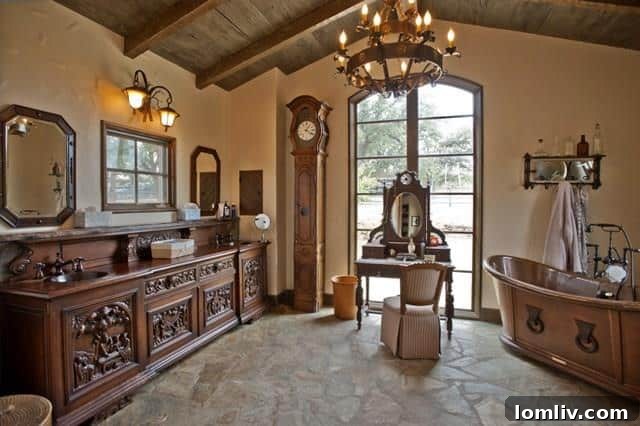
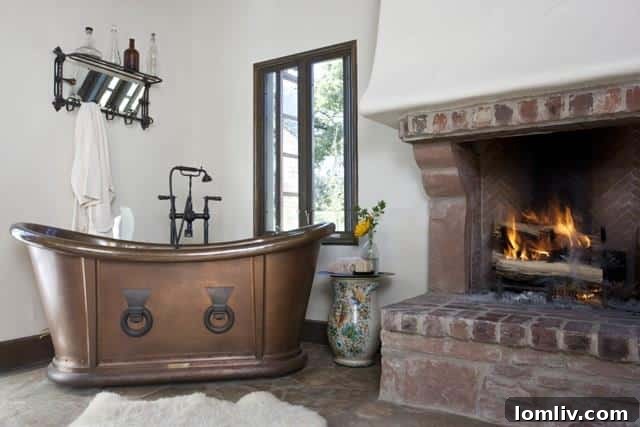
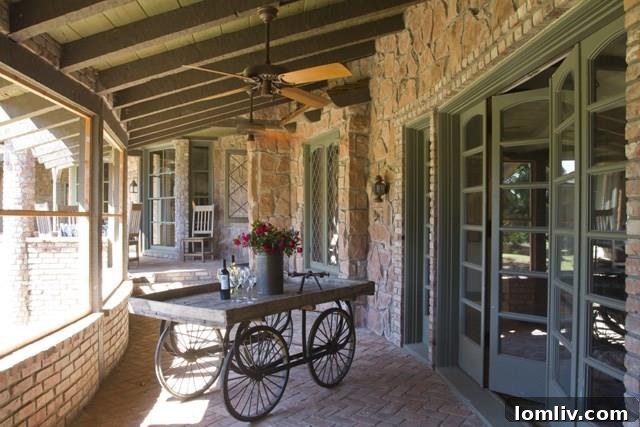

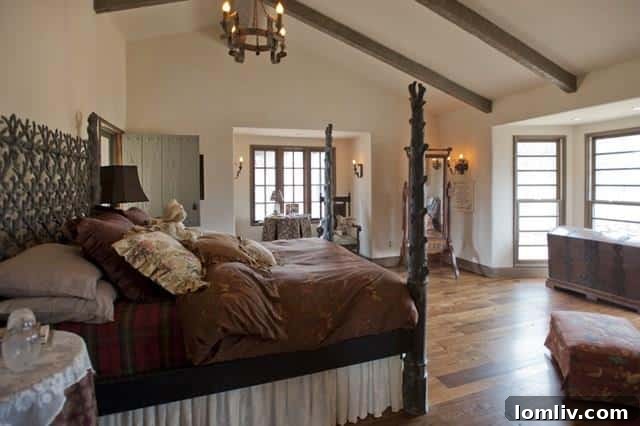
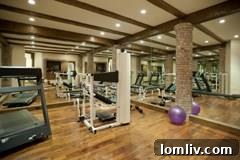
Inside PaigeBrooke: A Glimpse into Rustic Luxury
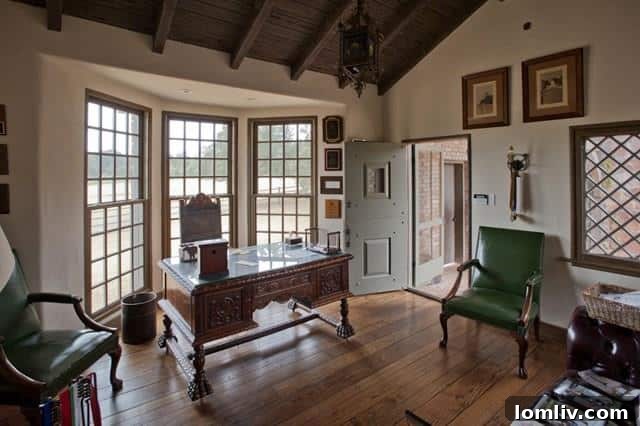
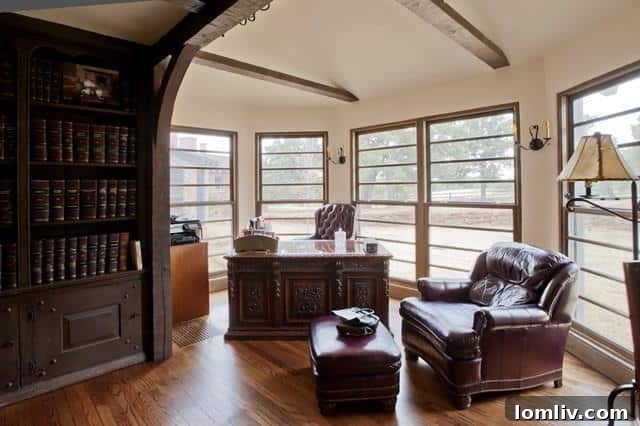
Each room within PaigeBrooke Farm tells its own story, making it nearly impossible to pick a single favorite. However, Scott’s study, also functioning as the library, stands out as a particular gem. This room retains its original character from the Dealey era, featuring a magnificent gun case within which hangs a painting of Ted Dealey himself. This gun case is truly one-of-a-kind, possibly the only museum-quality piece of its kind in the world, adorned with a leaded glass door featuring an intricate spider-web design. A cozy corner window, where Ted Dealey reportedly used to relax, now thoughtfully accommodates Scott’s desk, blending past and present seamlessly. And, for the modern enthusiast, a well-appointed bar ensures that every convenience is at hand.
Furthermore, a bookcase from this original room, the only item Ted Dealey chose to move from his previous Dallas home, is proudly displayed in the new basement, connecting the home’s rich past to its expanded future. The meticulous attention to detail and the preservation of such historical elements make every visit to PaigeBrooke Farm an immersive journey through time and architectural artistry.
PaigeBrooke Farm Today: A Legacy Continues
PaigeBrooke Farm, now listed with Jeff Watson of Briggs Freeman-Sotheby’s International Realty for $7,900,000 (previously listed with Maribeth Peters of Allie Beth Allman, who connected with the Bradleys through preservation groups), offers far more than just luxurious living. It embodies a profound piece of North Texas history and architectural heritage, arguably more so than many smaller, historic Dallas homes. Its meticulously preserved Charles Dilbeck design, coupled with the incredible story of its relocation and expansion, elevates it to a status beyond mere real estate.
This property stands as a magnificent tribute to Dilbeck’s warm, beautiful designs and the unwavering dedication of Scott and Kelly Bradley to preserving an architectural masterpiece. PaigeBrooke Farm is not just a home; it is an architectural dedication, a living museum that allows its inhabitants to experience daily the legacy of a visionary architect and the profound commitment of a family who refused to let history be forgotten. It remains an unparalleled opportunity to own a piece of North Texas history, a testament to rustic luxury, and an enduring symbol of conservation in the heart of Westlake.