In the vibrant tapestry of American urban development, Fort Worth stands out as a city rich in history, resilience, and captivating architecture. From its humble origins as a rugged military outpost, Fort Worth rapidly transformed into a bustling hub of commerce and culture. This metamorphosis attracted a wave of affluent citizens eager to establish their presence and build lasting legacies. It was on a picturesque bend of the Trinity River, to the northeast of the burgeoning downtown, that these early pioneers chose to make their homes, giving rise to one of the city’s most historically significant thoroughfares: Samuels Avenue.
The land that would become Samuels Avenue boasts a fascinating past. Originally part of an expansive plantation, the property underwent several changes of ownership before eventually becoming the possession of Kentuckian Baldwin Samuels in 1870, whose name the street proudly bears to this day. This pivotal period in Fort Worth’s development coincided with the legendary Chisholm Trail, which carved its path through the nearby Cold Springs Road, cementing the area’s place in the lore of the American West. Samuels Avenue quickly became the address of distinction, lined with grand Victorian mansions that were testaments to the prosperity and architectural ambition of the late 19th century.
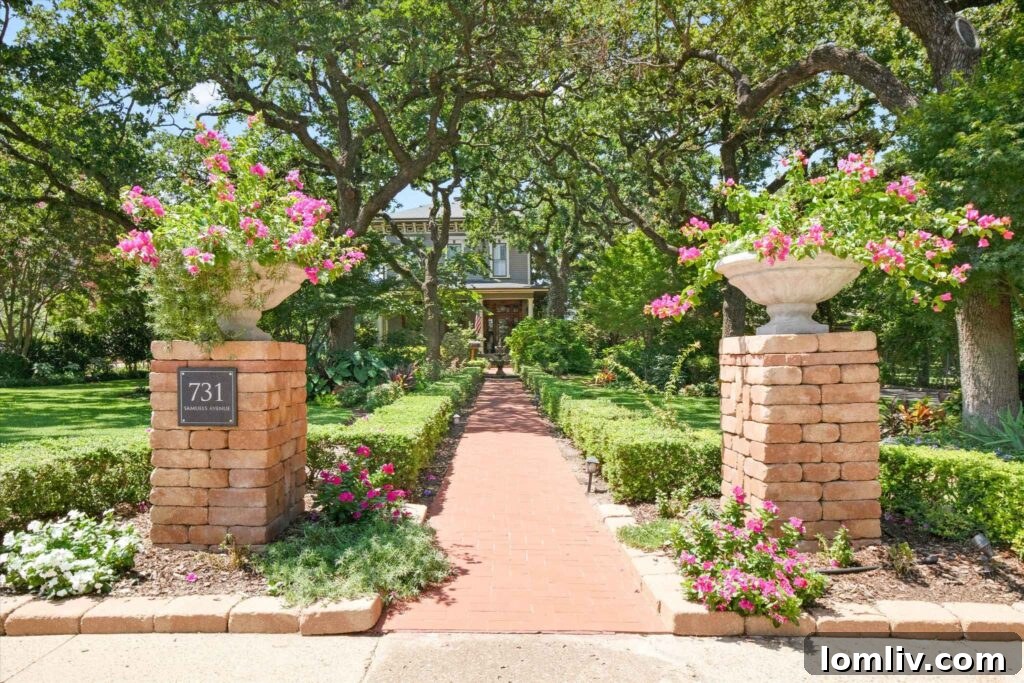
While many of these magnificent Victorian mansions have tragically succumbed to the ravages of time – lost to devastating fires or the relentless march of urban renewal bulldozers – a precious handful of notable survivors continue to grace the landscape. Among these rare gems stands **731 Samuels Avenue**, an exceptional and utterly distinctive property that represents a unique opportunity for discerning buyers in today’s dynamic real estate market. This historic Fort Worth home is more than just a residence; it is a living piece of history, offering a rare glimpse into the city’s formative years.
It is important to note that not all dwellings in this burgeoning enclave were grand estates. During this early stage of its history, Fort Worth maintained a remarkably egalitarian spirit. Workers and artisans lived alongside their more affluent neighbors, constructing simpler yet charming shotgun-style houses that added to the diverse character of the Samuels Avenue community. This blend of stately homes and more modest residences contributed to a vibrant social fabric, reflecting the rapidly evolving nature of a frontier town on the cusp of greatness.
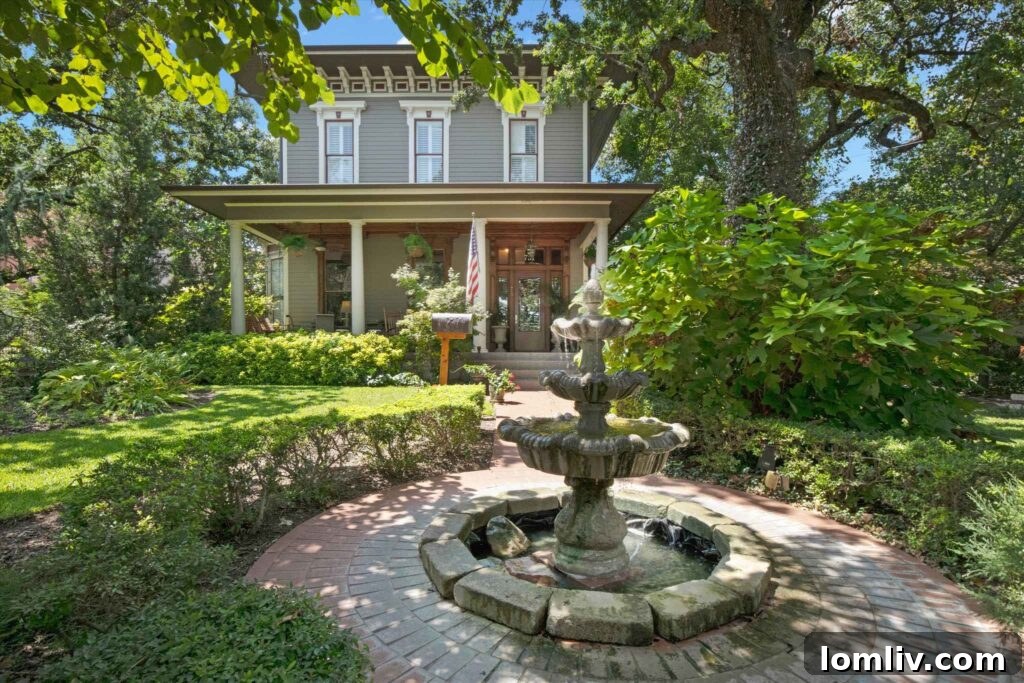
At 731 Samuels Avenue, one discovers the quintessence of an urban oasis, a serene retreat that transports its inhabitants to another era. This romantic residence, designed in the distinguished Italianate architectural style, captivates with its rhythmic corbels that elegantly support deep, sheltering roof eaves. The house is majestically set upon one-and-a-half acres of truly enchanting, secret gardens that gently cascade towards the tranquil waters of the Trinity River. This seamless integration with nature offers unparalleled riverfront access and breathtaking views, a rarity in modern urban settings.
The home’s commanding front porch, a quintessential feature of period architecture, is gracefully supported by four sturdy Tuscan order columns, exuding a sense of classical elegance and welcoming charm. What makes this property truly extraordinary is its remarkable state of preservation; almost unbelievably, the house has meticulously retained all of its original millwork and an astonishing array of period details. From intricate moldings and ornate trim to original hardware and pristine flooring, every element tells a story of craftsmanship and timeless design, making it a dream for anyone passionate about historic home preservation.
The David Chapman Bennett House: Built For a Banker
The story of 731 Samuels Avenue is inextricably linked to one of Fort Worth’s early financial titans. While the property listing suggests the house, famously known as the David Chapman Bennett House, was constructed around 1865, historical research, particularly by Mike Nichols of Lost Fort Worth, more accurately dates its construction to sometime in the 1870s. This distinction places the home firmly within Fort Worth’s post-Civil War boom, a period of immense growth and opportunity.
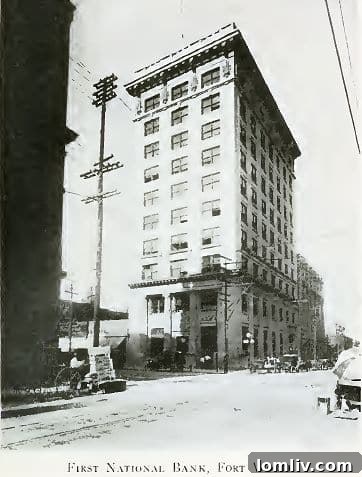
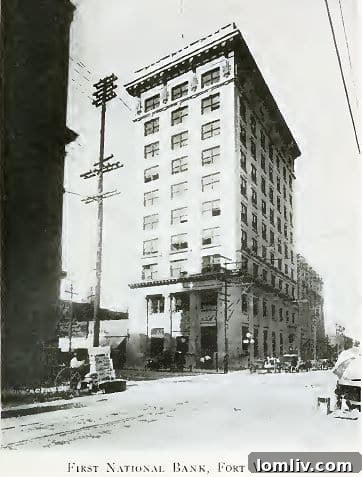
David Chapman Bennett was a figure of considerable influence, serving as Vice President of the esteemed Fort Worth National Bank. His position was a testament to his acumen and standing within the community. The Fort Worth National Bank itself was a landmark institution. In 1910, the bank inaugurated its magnificent 10-story headquarters, a structure that was proudly described in a Fort Worth Star-Telegram article as a towering skyscraper, constructed at an impressive cost of $150,000. This architectural marvel was a symbol of Fort Worth’s burgeoning financial power and its aspirations for urban sophistication. Famously, in 1912, the bank’s president, Captain M.B. Loyd, uttered his dying words, a memorable and somewhat humorous prophecy: “Damn my soul, you’ll never fill that building.”
Despite Captain Loyd’s skeptical pronouncement, the grand building at 711 Houston Street did indeed find tenants, flourishing as a center of commerce. Its success was so profound that, by 1926, it underwent a significant expansion, doubling its original size. True to Fort Worth’s enduring spirit of preservation, this impressive Beaux-Arts style “skyscraper” has not only survived but continues to stand as a prominent fixture in the downtown landscape, serving today as a thriving office building. The history embedded in the very foundations of the Bennett House thus connects directly to the economic and architectural development of early 20th-century Fort Worth.
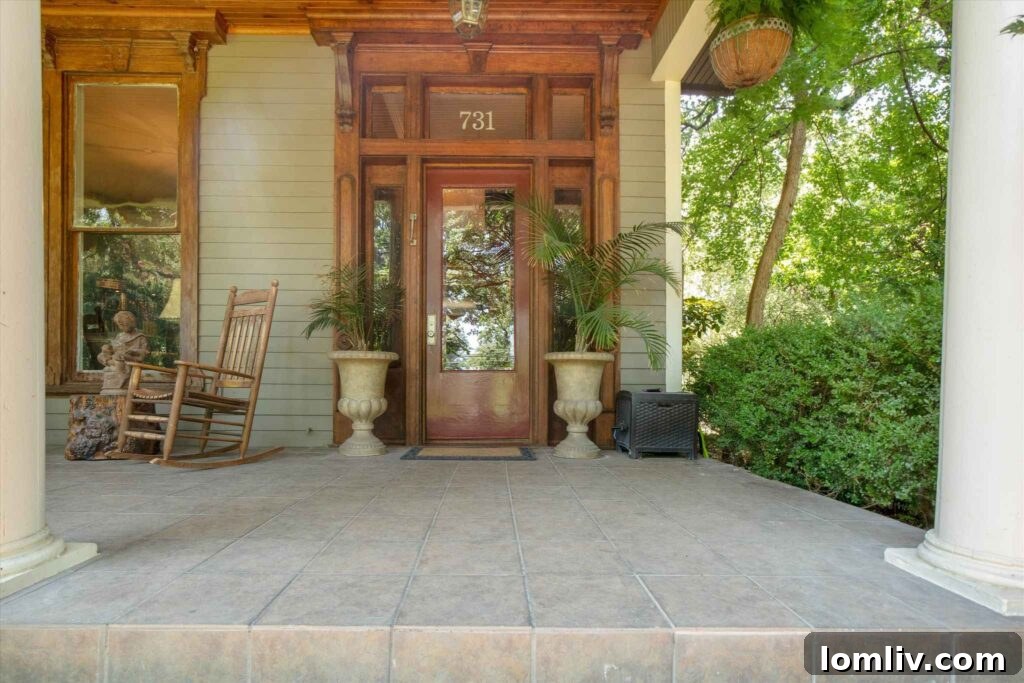
Belying its somewhat stately and formal demeanor, the David Chapman Bennett House offers a remarkably comfortable and manageable living space. This charming mini-villa spans approximately 2,500 square feet, thoughtfully arranged with three bedrooms and two-and-one-half baths. Its modest footprint, by today’s standards for luxury homes, is perfectly scaled for intimate living while still conveying a sense of historical grandeur. A profound debt of gratitude is owed to the current owners, whose dedication to the property borders on obsession. Through years of meticulous and loving restoration, they have painstakingly returned this gracious home to its original, pristine condition, ensuring that every detail reflects its authentic 19th-century charm and character. Their efforts have preserved a vital piece of Fort Worth’s architectural heritage for future generations.
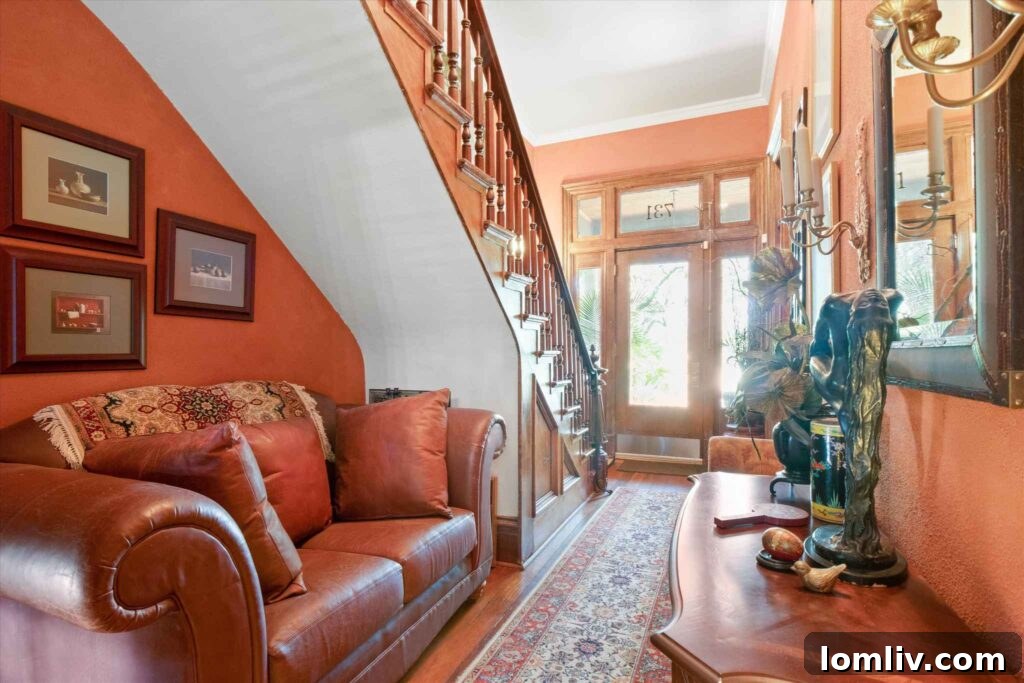
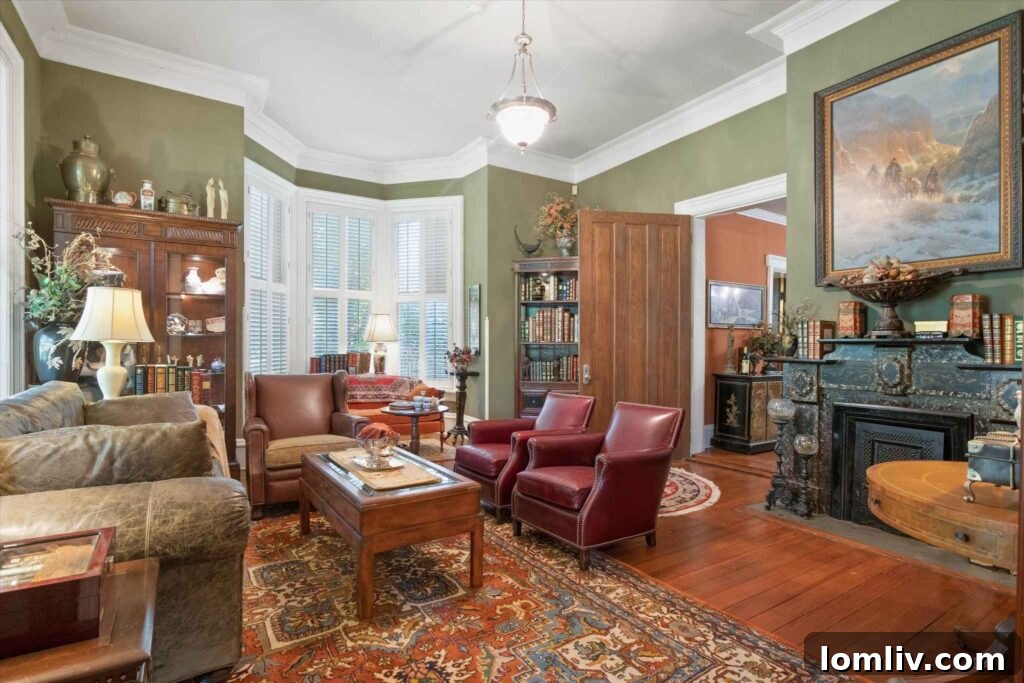
Stepping inside, the house immediately impresses with its preserved elegance. The living room, more aptly described as a parlor given its historical context, is an inviting space. It features one of the home’s three beautifully maintained original fireplaces, providing a cozy focal point and a tangible connection to the past. Natural light floods the room through a charming side bay window, which offers picturesque views of one of the many enchanting gardens that encircle the property. The intricate details of the fine original fireplace, with its period mantelpiece and hearth, exemplify the commitment to authenticity seen throughout the house.
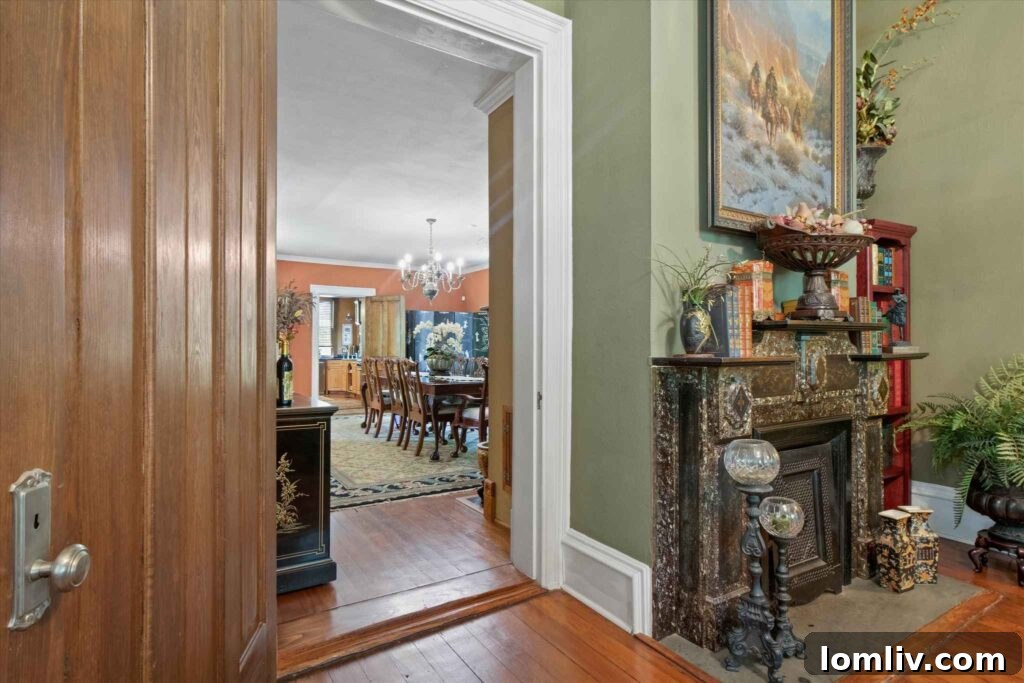
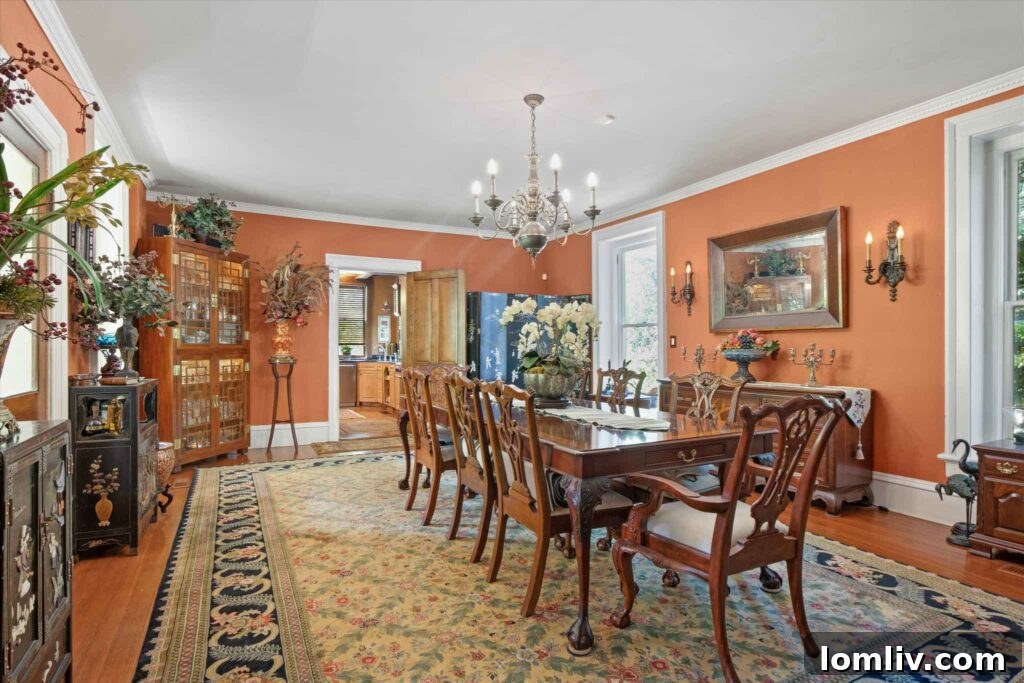
While the Bennett House may not boast an abundance of rooms, each space is designed with an ample scale that imparts a feeling of grandeur and spaciousness. This is particularly evident in the generously sized dining room, a perfect setting for entertaining. It can comfortably accommodate a formal dining table seating twelve or more guests, allowing for memorable gatherings reminiscent of opulent 19th-century soirees. The room’s high ceilings and preserved architectural details create an atmosphere of refined elegance, ideal for both everyday living and special occasions.
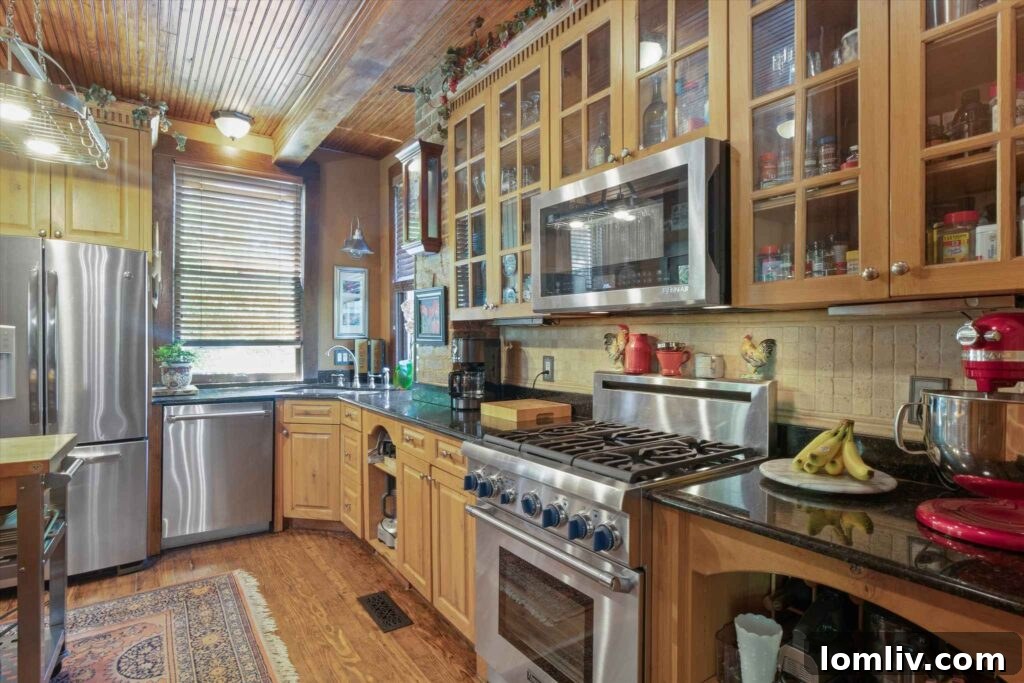
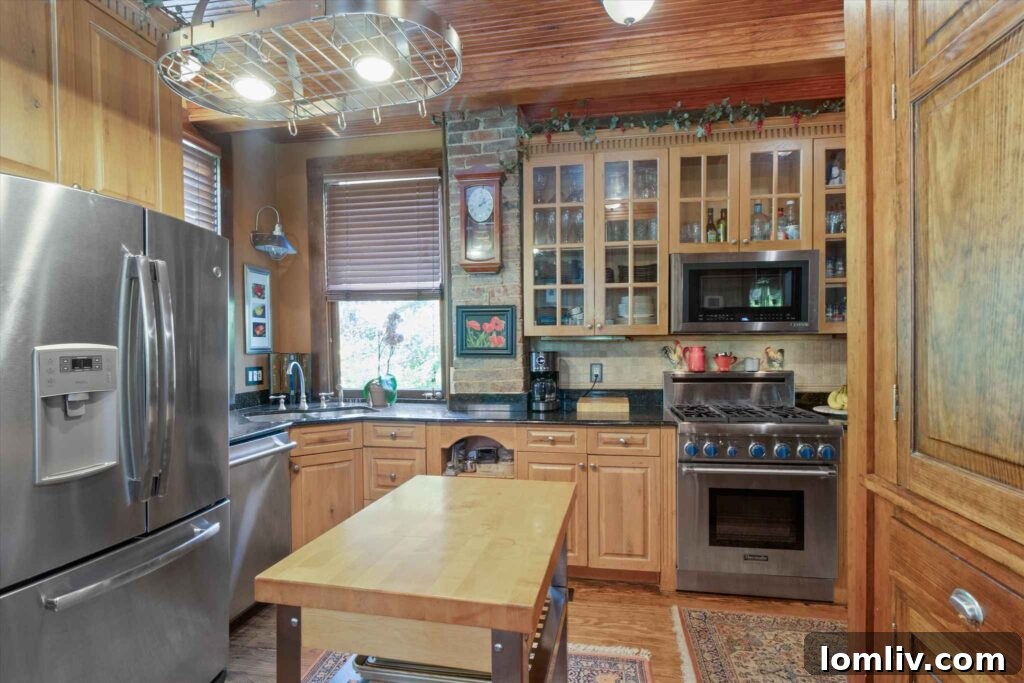
The kitchen, while perhaps appearing a tad compact by expansive modern standards, has been thoughtfully updated to be fully functional and efficient. It seamlessly blends historic charm with contemporary convenience, featuring a suite of up-to-date, high-performance appliances, including a professional-grade six-burner Viking range. This allows for serious culinary endeavors without compromising the home’s authentic aesthetic. The careful integration of modern amenities ensures that this historic home meets the demands of contemporary living while retaining its unique character.
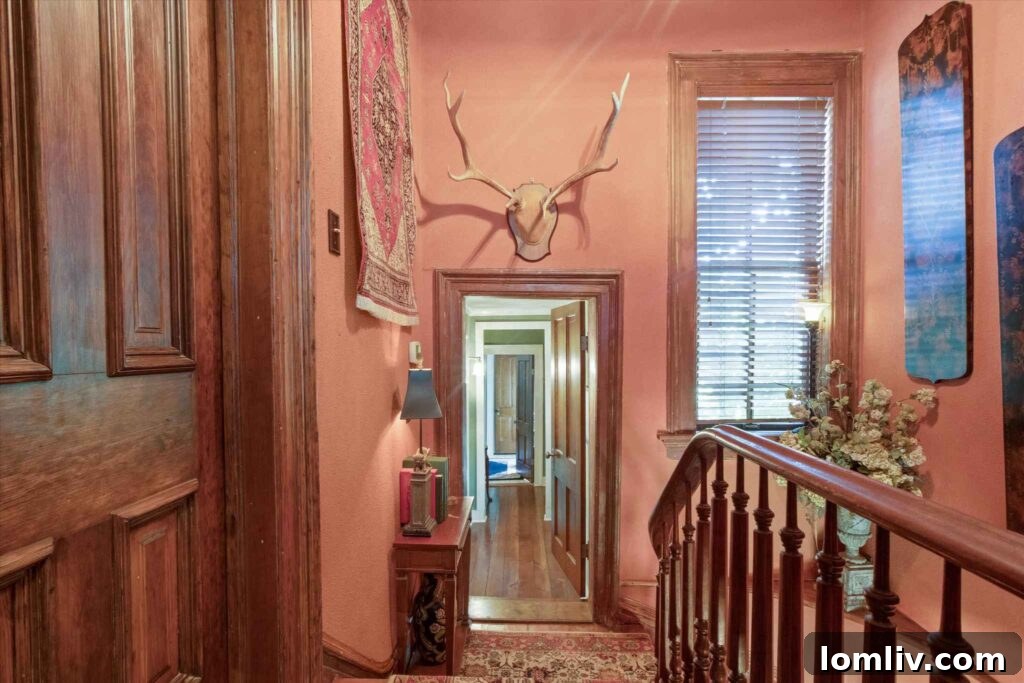
One of the most remarkable aspects of the recent restoration has been the painstaking effort to strip away decades of accumulated paint from much of the home’s original woodwork. This meticulous process has lovingly revealed the exquisite, untouched finishes beneath, most notably on the gracefully winding banister of the main staircase. This architectural masterpiece serves as a central artery of the home, leading upstairs to the private quarters. The landing at the top of the stairs offers uninterrupted enfilade sight lines, a classical architectural technique that creates an impressive vista through multiple rooms, enhancing the sense of space and grandeur. This attention to detail speaks volumes about the quality of the original craftsmanship and the dedication of those who have preserved it.
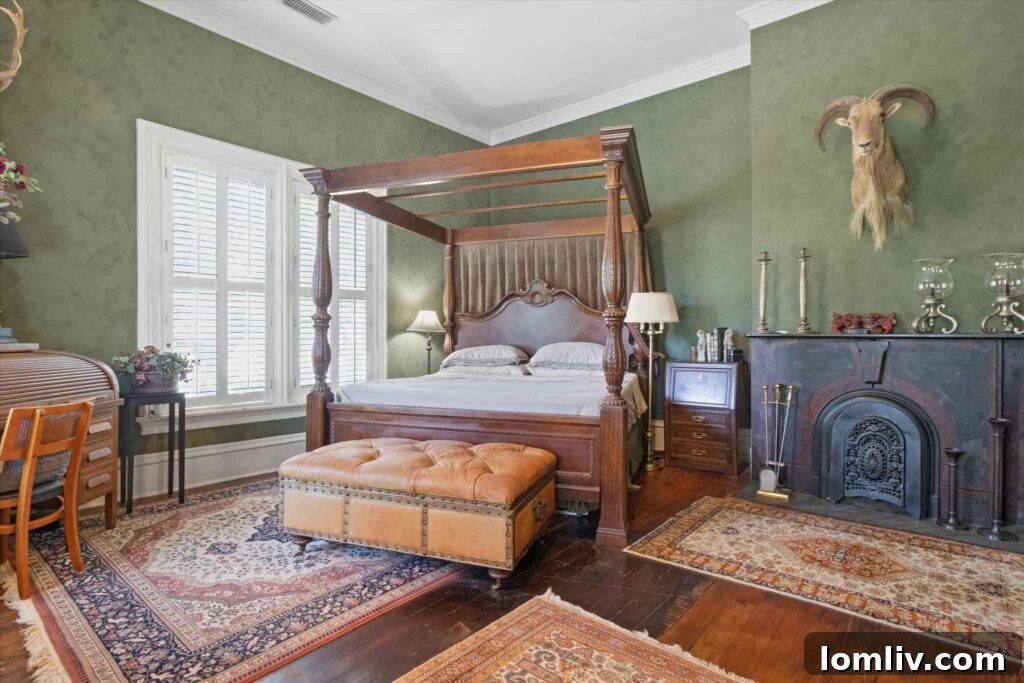
The upper floor houses the private sanctuaries of the home. This is the largest of the three bedrooms, an inviting retreat complete with its own cozy fireplace, perfect for chilly Fort Worth evenings. Another bedroom is currently thoughtfully utilized as a comfortable sitting and television room, offering flexibility for modern lifestyles. Additionally, there is a charming, albeit smaller, extra bedroom, ideal for guests or as a private study. The layout of the residence strongly suggests it was originally designed for a single person, a couple, or perhaps a couple with one child, reflecting the social norms and family structures of its era. As with many houses of this period, a discreet back stairway, once intended for servants, remains a testament to the home’s original operational structure. Beyond the main residence, the historic carriage house located at the rear of the property has undergone an equally meticulous and extensive restoration, ready to serve a variety of contemporary needs.
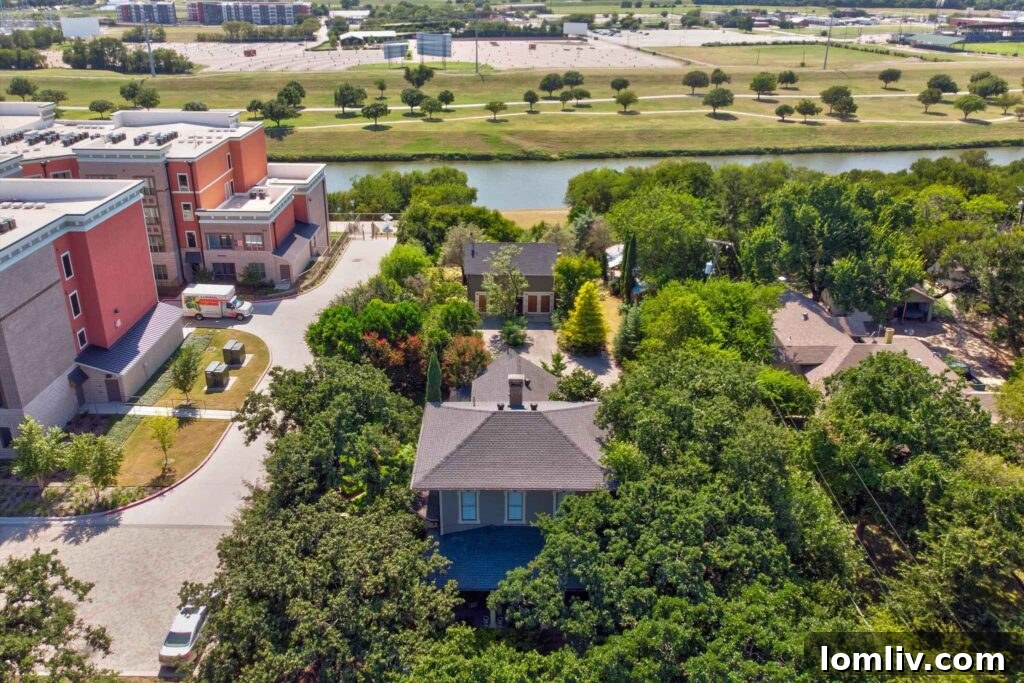
An aerial perspective of the property reveals its truly exceptional scope and unique positioning. The expansive one-and-a-half-acre plot gracefully extends all the way to the banks of the Trinity River, offering not just a generous lot size but also highly sought-after riverfront access and views. This direct connection to the Trinity is a defining feature of the David Chapman Bennett House, making it a rare and invaluable asset in the Fort Worth real estate landscape.
A Future on the Horizon: Development vs. Preservation
And therein lies the contemporary dynamic – a fascinating and perhaps bittersweet rub. The listing details for 731 Samuels Avenue open with a resounding declaration: “RIVERFRONT Excellent investor, development, or residential opportunity to acquire +/-1.472 acres of land.” This bold statement underscores the critical juncture at which this historic property finds itself, nestled within an area that is currently experiencing a phenomenal surge in development and investor interest.
The Samuels Avenue corridor is now considered “red hot,” positioned right at the epicenter of the ambitious Trinity River Vision Project. This monumental urban revitalization initiative, particularly focused around Panther Island, has transformed the surrounding landscape into a locus of intensive, high-density development. Immediately adjacent to the Bennett House property, the signs of this transformation are evident with new high-density residential complexes taking shape. The sheer size of this one-and-a-half-acre plot, coupled with its unparalleled river frontage, significantly elevates its value not just as a historic home, but as prime development land. This dual identity places the future of the David Chapman Bennett House in a precarious position, even within a city like Fort Worth, which has demonstrated a commendable commitment to preservation in many of its historic districts.
The juxtaposition of this historically significant Italianate villa with the relentless march of modern urban development presents a profound dilemma. On one hand, the property represents an irreplaceable piece of Fort Worth’s architectural and social history, meticulously restored to its original splendor. On the other, its prime riverfront location and substantial acreage make it an incredibly attractive prospect for developers seeking to capitalize on the booming growth fueled by the Trinity Vision Project. This tension creates a bittersweet narrative for this enchanting estate. For the moment, we can continue to cherish the David Chapman Bennett House and its delightful gardens as a nostalgic idyll – a vivid, tangible reminder of another time in Fort Worth’s captivating history, even as its future hangs in the balance.
Gwen Harper of Briggs Freeman Sotheby’s International Realty is proudly offering 731 Samuels Avenue for $2.3 million, representing a singular opportunity to own a piece of Fort Worth’s past and potentially influence its future.