Dallas’s Enduring Glare Dispute: Unpacking the Museum Tower Solution
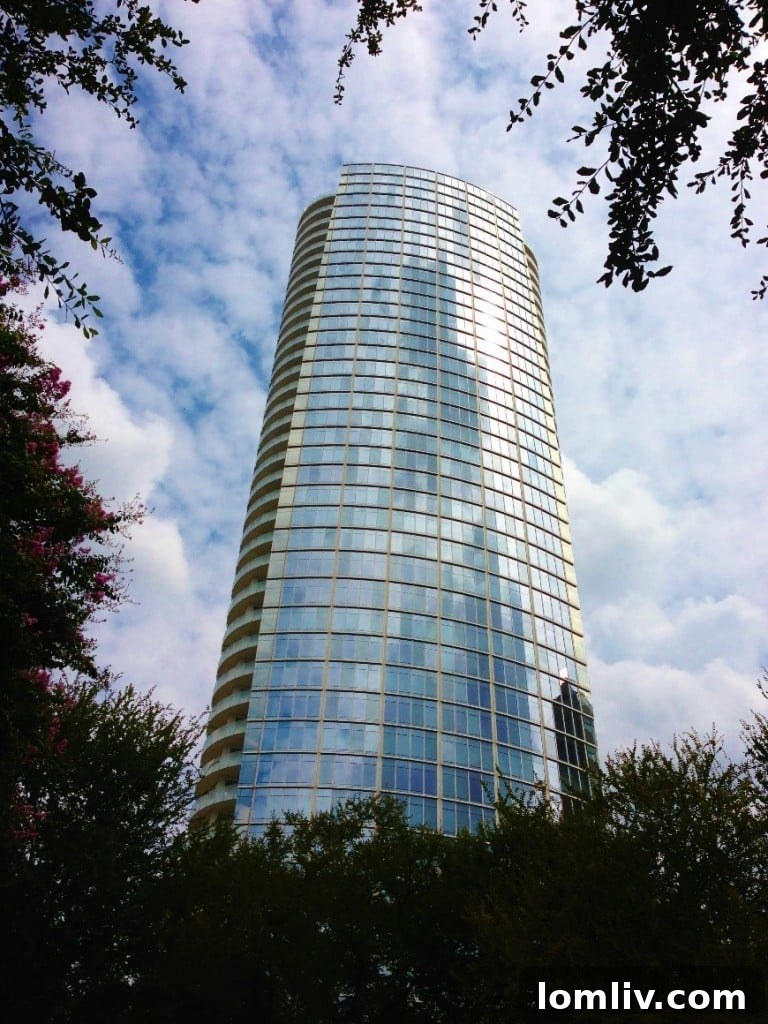
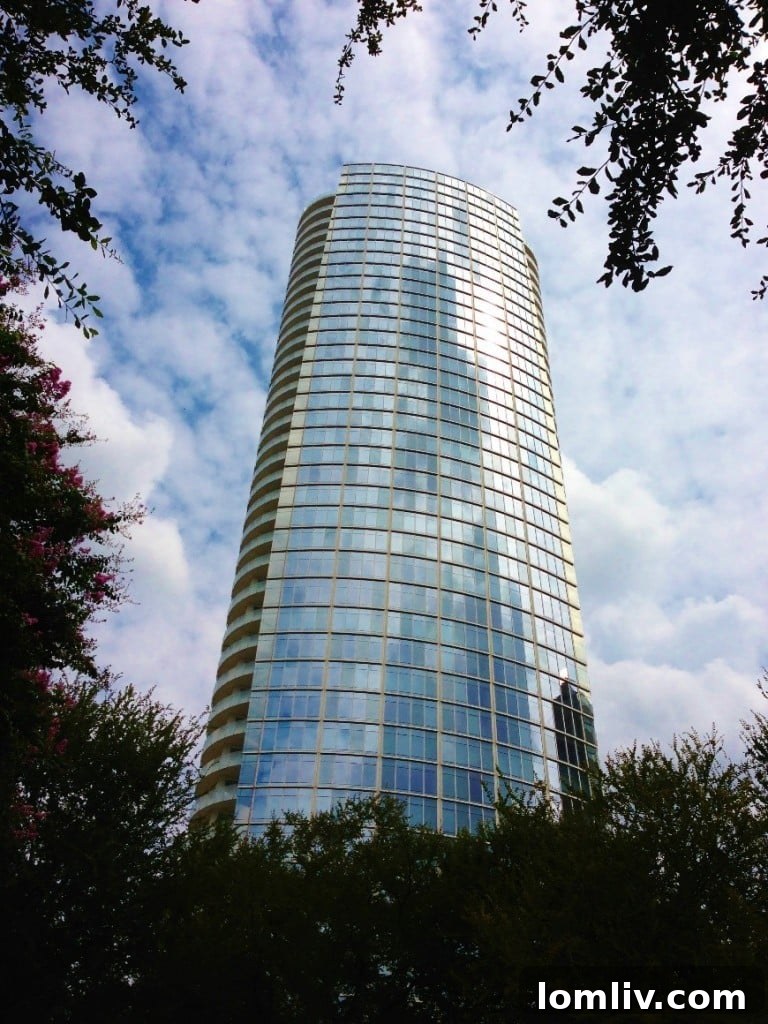
For years, the striking architectural beauty of the Dallas Arts District has been marred by an equally striking controversy: the intense solar glare emanating from the Museum Tower. This multi-year dispute, pitting the towering residential high-rise against the revered Nasher Sculpture Center, has become a defining saga in Dallas urban development, sparking conversations about architectural responsibility, urban planning, and the delicate balance between progress and preservation. Recent developments, however, suggest that a long-awaited resolution might finally be within reach, fostering a cautious optimism among city officials and the community.
The heart of the issue lies in the Museum Tower’s highly reflective, energy-efficient glass facade. While designed to enhance sustainability and aesthetics, its specific orientation and material choices inadvertently created a powerful magnifying effect, directing harsh, damaging sunlight onto the meticulously curated gardens and art installations of the adjacent Nasher Sculpture Center. This wasn’t merely an inconvenience; it threatened the structural integrity of artworks, damaged delicate plant life, and rendered parts of the Nasher’s outdoor spaces unusable for extended periods, directly impacting the visitor experience and the institution’s mission.
A Battle of Beams: The Origins of the Museum Tower Glare Problem
The Museum Tower, completed in 2012, quickly became a prominent feature of the Dallas skyline. Its sleek, modern design was initially lauded, but almost immediately after its completion, the severe glare problem came to light. The Nasher Sculpture Center, an architectural masterpiece itself designed by Renzo Piano, found itself under siege from the reflections. The problem wasn’t unique to Dallas; cities worldwide have grappled with “walkie-talkie” or “fry-scraper” effects from similarly designed buildings, where concave surfaces or highly reflective glass concentrate sunlight into intense beams. For the Nasher, the issue was particularly acute, given its reliance on natural light and its collection of outdoor sculptures and carefully cultivated gardens.
The dispute quickly escalated beyond neighborly grievances. The Nasher family and institution, custodians of a world-renowned collection, publicly highlighted the destructive impact of the glare. This led to a very public back-and-forth involving the building’s owner, the Dallas Police and Fire Pension System, and the developer, Hines. Critics argued that insufficient environmental impact studies or foresight had led to the architectural oversight, while proponents of the tower emphasized its economic contribution and modern design. The controversy drew national attention, casting an unwelcome shadow over Dallas’s burgeoning reputation as an arts and culture hub.
Exploring Solutions: From Futuristic Glass to Practical Interventions
The quest for a definitive solution to the Museum Tower’s glare has been a complex and protracted journey. Early discussions often veered into the realm of advanced architectural innovations. Our own discussions a year prior with C. Hastings “Hasty” Johnson, CEO of Hines, hinted at the potential of future building materials. Johnson spoke of revolutionary glass technologies that could dynamically darken in response to sunlight, essentially transforming an entire glass wall into a giant solar panel. This kind of “smart glass” or electrochromic technology promised a future where buildings could actively manage light and energy, though it also raised intriguing legal questions about property rights to sunlight and energy sources.
While such cutting-edge solutions represented an ideal, the immediate need called for more pragmatic interventions. Hines, the esteemed international development firm behind the tower, committed to working with the Museum Tower ownership to mitigate the reflectivity. Senior Vice President George C. Lancaster expressed confidence in their ability to identify and implement an effective solution. The challenge was multifaceted: any solution needed to be effective, aesthetically pleasing, structurally sound, and cost-efficient, all while navigating the complexities of existing building codes and stakeholder expectations.
A Breakthrough on the Horizon? The Reflective Film Proposal
Fast forward to today, and a tangible step towards resolution has emerged. As reported by Robert Wilonsky, Hines has proposed applying a specialized reflective film to the Museum Tower’s facade. This film is designed to significantly reduce the glare, offering a potential reprieve for the Nasher Sculpture Center. While not a definitive final answer, this proposal represents a significant pivot from years of impasse towards active problem-solving.
City Councilman Lee Kleinman, a key figure in the ongoing discussions, confirmed that while the film solution isn’t yet a “done deal,” he is highly encouraged by the collaborative spirit now evident between the Dallas Police and Fire Pension System (owners of Museum Tower) and the Nasher family. This newfound cooperation is a crucial ingredient for any lasting resolution. Kleinman optimistically noted that the film is projected to reduce the reflectivity by approximately 50 percent, a reduction he considers “significant.” He expressed a widespread desire for certainty and resolution among all parties involved, stating, “I think people are ready for a degree of certainty and resolution here. Will this resolve those concerns? I am optimistic it will.”
Council colleague Philip Kingston, also serving on the pension system’s board of trustees, echoed the sentiment that the proposal is still in its testing phase. “It isn’t a done deal,” Kingston emphasized, “But the board had to do something to continue with the testing.” This highlights the meticulous approach being taken to ensure the efficacy and longevity of any chosen solution.
Beyond the Initial Fix: The Pursuit of Optimal Solutions
Crucially, the proposed reflective film is viewed not as the ultimate panacea, but rather as a promising first step in a broader strategy. Jeremy Strick, Director of the Nasher Sculpture Center, released a statement underscoring this point. Strick confirmed that the Pension Fund has indeed committed to exploring a range of potential changes to the Tower’s facade. These investigations aim to identify interventions that could prove even more effective than the initial film application, which, while significant, only mitigates glare by 50 percent.
This commitment to continued research and development is vital. It acknowledges that while a 50% reduction is beneficial, there might be superior products or architectural modifications available that could offer a more comprehensive and enduring solution. The Fund’s willingness to “find them, test them, and then adopt them” demonstrates a proactive and responsible approach to addressing the core issue definitively. This could involve exploring other advanced architectural glass technologies such as fritted glass, which uses ceramic patterns to scatter light, or incorporating external shading elements (brise soleil) if structurally and aesthetically feasible. The ultimate goal is to achieve a level of glare reduction that ensures the full functionality and protection of the Nasher’s invaluable collections and outdoor spaces.
A Collaborative Future for Dallas’s Arts District
The collaborative momentum described by Councilman Kleinman between the Pension Fund and the Nasher family marks a critical turning point in this long-running dispute. It signifies a shift from adversarial posturing to a shared commitment to finding a workable solution that benefits both parties and, by extension, the entire Dallas Arts District. This spirit of cooperation is essential for maintaining Dallas’s reputation as a city that values its cultural institutions and fosters harmonious urban development.
The Museum Tower glare dispute serves as a significant case study for urban planners, architects, and developers worldwide. It underscores the importance of comprehensive pre-construction analyses, the profound impact of architectural decisions on neighboring properties, and the need for adaptive solutions when unforeseen challenges arise. For Dallas, the resolution of this issue would not only rectify a major architectural misstep but also symbolize the city’s maturity in addressing complex civic challenges through dialogue and innovation.
What’s Next? Testing, Evaluation, and the Path to Healing
As the reflective film proposal moves forward into testing, the eyes of the community remain fixed on Museum Tower. The ultimate success will depend not just on the technical efficacy of the film, but also on whether it genuinely satisfies the long-standing concerns of the Nasher Sculpture Center. Is a 50 percent reduction acceptable, or does the unique nature of the Nasher’s collection demand a near-total elimination of damaging glare? These are questions that continued testing and open communication will answer.
The journey from a contentious architectural flaw to a collaborative resolution is often arduous, but the recent developments offer genuine hope. As the stakeholders work diligently to identify and implement the most effective and sustainable solution, there’s a collective sentiment that the time for discord is past. We are all ready for the healing to begin, paving the way for a future where Museum Tower and the Nasher Sculpture Center can coexist in harmony, enriching the vibrant cultural tapestry of Dallas for generations to come.