Unlocking Profit: Phillip Murrell’s Journey in Dallas Short-Term Rentals & Airbnb Investment
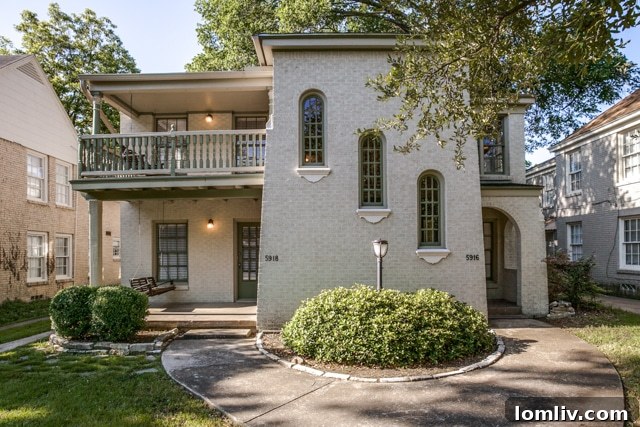
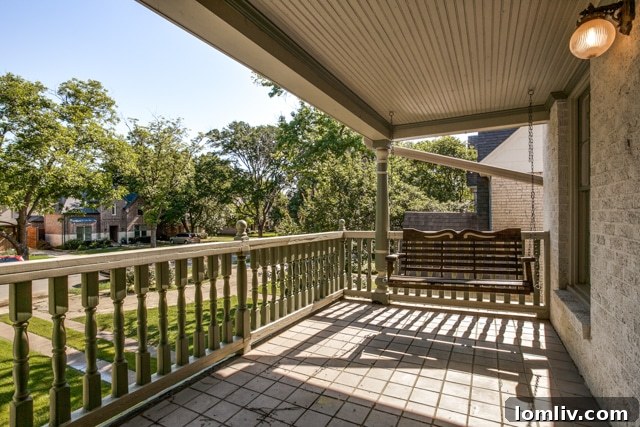
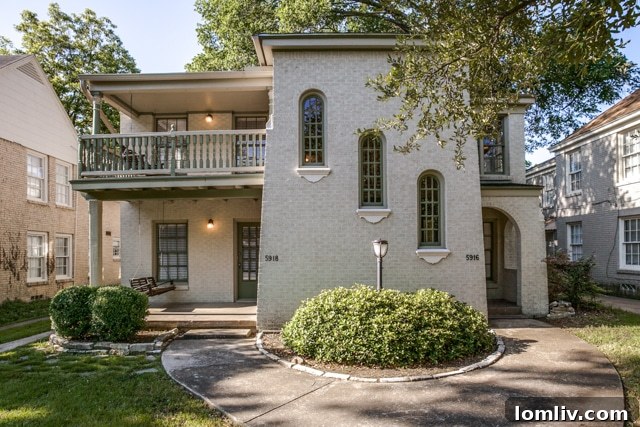
In the dynamic world of real estate, opportunities often arise in unexpected places. For Phillip Murrell, a seasoned Compass Real Estate agent, such an opportunity presented itself about three years ago in the charming M Streets neighborhood of Dallas. He stumbled upon an attractive off-market duplex, a property that immediately captured his attention. Impressed by its potential, Murrell and his partner decided to acquire it, setting the stage for an intriguing foray into the short-term rental market. The initial decision was a pivotal one: would they seek a traditional long-term tenant, or venture into the then-nascent world of Airbnb?
“At that point, Airbnb was big but a lot less tested than it is now,” Murrell recalls, reflecting on the nascent stage of the platform. “I didn’t know anyone personally who did an Airbnb.” This sentiment underscores the pioneering spirit required to embrace new investment avenues. Despite the lack of personal examples, Murrell moved forward, initially renting the bottom unit to a client for a six-month term. Meanwhile, he began furnishing the upstairs unit with a thoughtful blend of consignment pieces and his own decor, preparing it for its debut as a short-term rental. The anticipation built, and soon, it was time to list the space and gauge the market’s response.
The M Streets Success Story: A Profitable Transition
The market’s reaction was nothing short of immediate and overwhelmingly positive. “The response was almost instant,” Murrell recounts with enthusiasm. The upstairs unit, his first venture into the Airbnb platform, quickly began generating substantial income, consistently bringing in “well over $2,700 per month.” This initial success served as powerful validation, demonstrating the immense potential of short-term rentals in the Dallas market, particularly within desirable areas like the M Streets.

When the downstairs tenant’s lease concluded, Murrell wasted no time in converting that unit into an Airbnb property as well, eager to replicate the success he’d found upstairs. This expansion proved to be a lucrative decision. Collectively, both units began to yield impressive monthly sales figures, ranging from $4,500 to an astounding $9,000. This substantial revenue comfortably covered the mortgage and generated a healthy profit, far exceeding the returns typically seen from long-term rentals in similar properties. The undeniable success prompted Murrell to ponder why more investors weren’t tapping into this burgeoning market.
Dallas: A Hub for Travelers and Airbnb Guests
One of Murrell’s key revelations during his time as an Airbnb host was the sheer diversity and volume of reasons people visit Dallas. Travelers frequently inquired about the property’s proximity to major Dallas landmarks and essential services, such as the convention center or area hospitals. These were factors Murrell hadn’t initially considered in his investment strategy, yet they proved to be significant drivers of demand for short-term accommodations. “Unless you are in the hotel business you just don’t realize how many reasons there are to come to Dallas,” he observed, highlighting a critical insight for prospective Dallas real estate investors.
Dallas, a vibrant metropolitan hub, attracts a wide array of visitors. Business travelers flock to the city for conferences, trade shows, and corporate meetings hosted at the Kay Bailey Hutchison Convention Center and various corporate headquarters. Medical tourists seek specialized care at world-renowned institutions like UT Southwestern Medical Center and Baylor University Medical Center, often requiring comfortable, home-like accommodations for extended stays. Additionally, Dallas is a popular destination for leisure travelers drawn to its thriving arts scene, professional sports teams (Dallas Cowboys, Mavericks, Stars), diverse culinary landscape, and numerous entertainment venues. Family visitors, attending graduations, weddings, or simply visiting loved ones, also contribute significantly to the demand for flexible, short-term lodging solutions. This constant influx of diverse travelers makes Dallas an exceptionally fertile ground for Airbnb and other short-term rental investments.

Navigating the Demands of Short-Term Hosting
While the financial rewards of short-term rentals can be substantial, Murrell cautions prospective investors that it often entails more hands-on work than traditional long-term leases. Unless one opts to hire dedicated help, an Airbnb host will find themselves fielding numerous guest inquiries, managing booking schedules, coordinating cleaning services, and addressing maintenance needs that require timely, on-site attention. This intensive operational aspect led Murrell to liken the experience to “running a small business,” or “just like running a little bed and breakfast.”
However, the experience also taught Murrell invaluable lessons in efficiency and process streamlining. To proactively address common guest questions and reduce the volume of direct inquiries, he developed a comprehensive FAQ page that visitors could easily refer to. Furthermore, having both of his units in the same building allowed for optimized scheduling of cleaners and maintenance staff, enabling them to service both properties efficiently in a single visit. These strategic approaches helped mitigate some of the operational complexities, making the hosting experience more manageable and profitable. For those who genuinely enjoy the entrepreneurial spirit and direct interaction with customers, the role of an Airbnb host can be incredibly rewarding.
Strategic Investment Advice from a Seasoned Host
Phillip Murrell’s journey offers crucial insights for anyone considering real estate investment in the short-term rental sector. He recently sold his successful duplex, shortly after he and his partner decided to go their separate ways. However, his enthusiasm for the model remains, and he would “definitely consider running another Airbnb property should the right situation arise.” His forward-looking perspective suggests that the potential for Airbnbs to thrive, even amidst economic shifts, is significant. “If the economy ever adjusts, I think Airbnb’s might do better than hotels because they are more price effective and can accommodate more people, which consolidate their costs,” he predicts, underscoring the inherent flexibility and value proposition of short-term rentals.
Murrell offers several key pieces of advice for aspiring Airbnb investors:
1. Location Strategy: Embracing Busy Streets
Unlike traditional residential buyers who often shy away from homes on busy streets due to noise concerns or perceived lack of family appeal, Murrell advises short-term rental investors to view such locations as a strategic advantage. Properties on busy thoroughfares can often be acquired at a lower price point, presenting an attractive entry cost for investors. Crucially, Murrell points out that “busy streets don’t negatively affect an Airbnb’s viability.” In fact, for many travelers seeking easy access to area attractions, convention centers, or medical facilities, a location with good transportation links can be seen as a significant plus. This counter-intuitive approach to property selection can unlock hidden value in the Dallas market.
2. Optimized Booking Strategy: Beyond Single-Day Stays
One common pitfall for new Airbnb hosts is accepting single-day bookings, especially on high-demand days. Murrell strongly recommends that Airbnb owners avoid renting for just one day. If you agree to someone who wants to stay on a Friday, you potentially miss out on a guest who would have booked the entire weekend, thereby maximizing your occupancy and revenue. Implementing minimum stay requirements, particularly for peak nights or weekends, ensures that hosts capture the full value of their property and reduce the turnaround efforts associated with frequent check-ins and check-outs.
3. Competitive Pricing and High Demand
Ultimately, success in the short-term rental market boils down to smart pricing. “If you are priced right you probably won’t have to worry about staying full,” Murrell advises confidently. Dallas’s constant stream of visitors, from business to leisure, ensures a robust demand for accommodations. By conducting thorough market research, understanding seasonal fluctuations, and dynamically adjusting prices, hosts can maintain high occupancy rates and optimize their rental income. The key is to find the sweet spot where value meets demand, ensuring your property remains an attractive option for the continuous flow of people “constantly coming here.”

Conclusion: The Enduring Appeal of Dallas Short-Term Rentals
Phillip Murrell’s experience serves as a compelling case study for the lucrative potential of short-term rentals in Dallas. From a cautious initial step into an untested market to becoming a highly profitable venture, his journey highlights the importance of strategic property selection, astute operational management, and an understanding of the local demand drivers. While hosting an Airbnb requires a more hands-on approach than traditional rentals, the financial rewards and the satisfaction of running a small, thriving business can be exceptionally fulfilling. For real estate investors looking to maximize their returns and tap into Dallas’s vibrant tourism and business sectors, the short-term rental market, guided by insights from seasoned professionals like Murrell, remains a prime opportunity.