
Do you have a spare room gathering dust, perhaps a former “home office” now cluttered with forgotten gadgets, or a guest room that rarely sees a guest? Many homeowners look at these underutilized spaces and ponder, “Shouldn’t this be earning its keep?” The answer, increasingly, is a resounding yes.
In today’s dynamic housing market, with mortgage rates fluctuating and rental costs soaring in many urban centers, homeowners are seeking innovative solutions to navigate financial pressures. A 2025 Eye on Housing report highlighted a significant trend: over one-third of U.S. adults have lived in a shared household at some point, and this figure continues to climb. This isn’t merely a sign of necessity; it reflects a growing embrace of shared housing as a strategic financial move.
Renting out a spare room offers a tangible way to generate extra income, help cover rising living costs, or simply make your home work harder for you. However, the glossy portrayals of effortless passive income on home renovation shows can be misleading. Transforming a spare room into a profitable rental space involves more than just interior decorating. It requires careful preparation, clear communication, and an understanding of key practical and legal considerations.
Before you hand over a key and welcome a new housemate into your home, let’s delve into the essential steps and considerations to ensure a smooth, successful, and harmonious experience. From preparing your space to screening potential tenants and navigating legal requirements, here’s a comprehensive guide to mastering the art of renting out a spare room.
1. Prepare Your Space: Make It Irresistible for a Future Tenant

First impressions are paramount, especially when you’re inviting someone to live in your home. Just as you wouldn’t expect to pay for a hotel room that feels like a forgotten storage unit, potential tenants won’t pay for a “spare” room that appears to be an afterthought. The goal is to create a welcoming, clean, and functional living space that someone would genuinely want to call home.
Here’s a detailed checklist for preparing your spare room for rental:
- Declutter and Depersonalize: This is step one. Remove all personal belongings, sentimental items, and any “junk” that has accumulated. No one wants to live surrounded by someone else’s past. Think of it as creating a blank canvas. This also includes old tax returns, photo albums, and defunct electronics.
- Deep Clean Thoroughly: A spotless environment is non-negotiable. This means scrubbing floors, wiping down surfaces, cleaning windows, and addressing any lingering odors. Consider a fresh coat of neutral paint if the walls are scuffed or outdated.
- Furnish with Essentials: While not every room needs to be fully furnished, certain basics are crucial. A comfortable bed (without creaks or sagging), a nightstand, and a lamp are fundamental. If space permits, include a small desk and chair, as many individuals now work remotely or appreciate a dedicated workspace. Adequate storage, such as a dresser or closet space with hangers, is also highly valued.
- Provide Fresh, Neutral Linens: Invest in new, clean bedding, pillows, and towels in neutral colors. This instantly elevates the room’s appeal and signals a fresh start.
- Ensure Privacy and Security: This is a critical point. Install a sturdy lock on the bedroom door. This demonstrates respect for your future tenant’s privacy and provides them with a sense of security within your home. Ensure windows also have working locks.
- Optimize Lighting: Good lighting can make a room feel larger and more inviting. Ensure adequate natural light and supplement with ceiling fixtures and bedside lamps.
- Address Minor Repairs: Fix any leaky faucets, squeaky doors, or peeling paint. These small details contribute significantly to the perceived quality and care of the space.
Remember, high-quality visuals are crucial for attracting prospective tenants. According to DALTX Real Estate, listings featuring clear, well-lit, and clutter-free photographs receive 2.4 times more inquiries. People are naturally drawn to clean, organized, and inviting spaces. By meticulously preparing your spare room, you not only attract more interest but also signal to potential housemates that you are a responsible and attentive host, setting the stage for a positive living arrangement.
2. Establish Clear Boundaries: The Foundation of Harmonious Shared Living
When you rent out a spare room, you’re not just leasing space; you’re inviting someone to share your home, your routines, and often, your personal space. Without clearly defined boundaries and expectations, even the most minor discrepancies can escalate into major conflicts. Unclear rules are a primary source of friction in shared living situations, with statistics showing that around 45% of roommate conflicts stem from ambiguity surrounding chores, guests, or noise.
Laying out ground rules upfront isn’t about being overly controlling; it’s about fostering mutual respect and preventing future misunderstandings. Think of it as creating a “Housemate Agreement” that covers all potential areas of shared living. This document, while not always a legally binding lease, serves as an invaluable guide for both parties.
Key areas to establish clear boundaries for your spare room rental:
- Guest Policy:
- Are overnight guests permitted? If so, how often, and what is the notification protocol?
- Are daytime visitors allowed, and are there any restrictions on their presence in common areas?
- Noise Levels and Quiet Hours:
- What are the designated quiet hours, especially on weekdays and weekends?
- Are there any restrictions on loud music, TV volume, or instruments in common areas?
- Shared Space Usage:
- Kitchen: How should the kitchen be cleaned after use? What are the rules for food storage (e.g., designated fridge/pantry space)? Are there specific times for cooking?
- Bathroom: Who is responsible for cleaning the shared bathroom, and how often? What is the protocol for sharing toiletries?
- Living Room/Common Areas: How should these spaces be used? What are the rules regarding personal items left in common areas?
- Utilities and Bills:
- How are shared utilities (electricity, water, gas, internet) handled? Are they included in the rent, or split? If split, what is the method?
- Cleaning and Chores:
- Beyond the bathroom, what are the expectations for general cleanliness in common areas?
- Is there a rotating chore schedule, or is it based on individual responsibility?
- Pets:
- If you have pets, how will their presence affect your housemate?
- If your housemate has pets, are they allowed? What are the specific rules regarding their care, behavior, and cleanliness? (Note: many homeowners choose a “no pets” policy for spare room rentals.)
- Smoking/Vaping Policy:
- Is smoking or vaping allowed anywhere on the property, including outdoors? Be explicit about this.
Once you’ve outlined these rules, share them openly and honestly with prospective tenants during the screening process. Encourage them to ask questions and discuss any concerns. Documenting these expectations in a simple written agreement or as an addendum to your lease will serve as a valuable reference point, minimizing misinterpretations and fostering a respectful and harmonious living environment. It’s about proactive communication, not reactive conflict resolution.
3. Choose the Right Platform: Where to List Your Spare Room for Maximum Reach and Safety
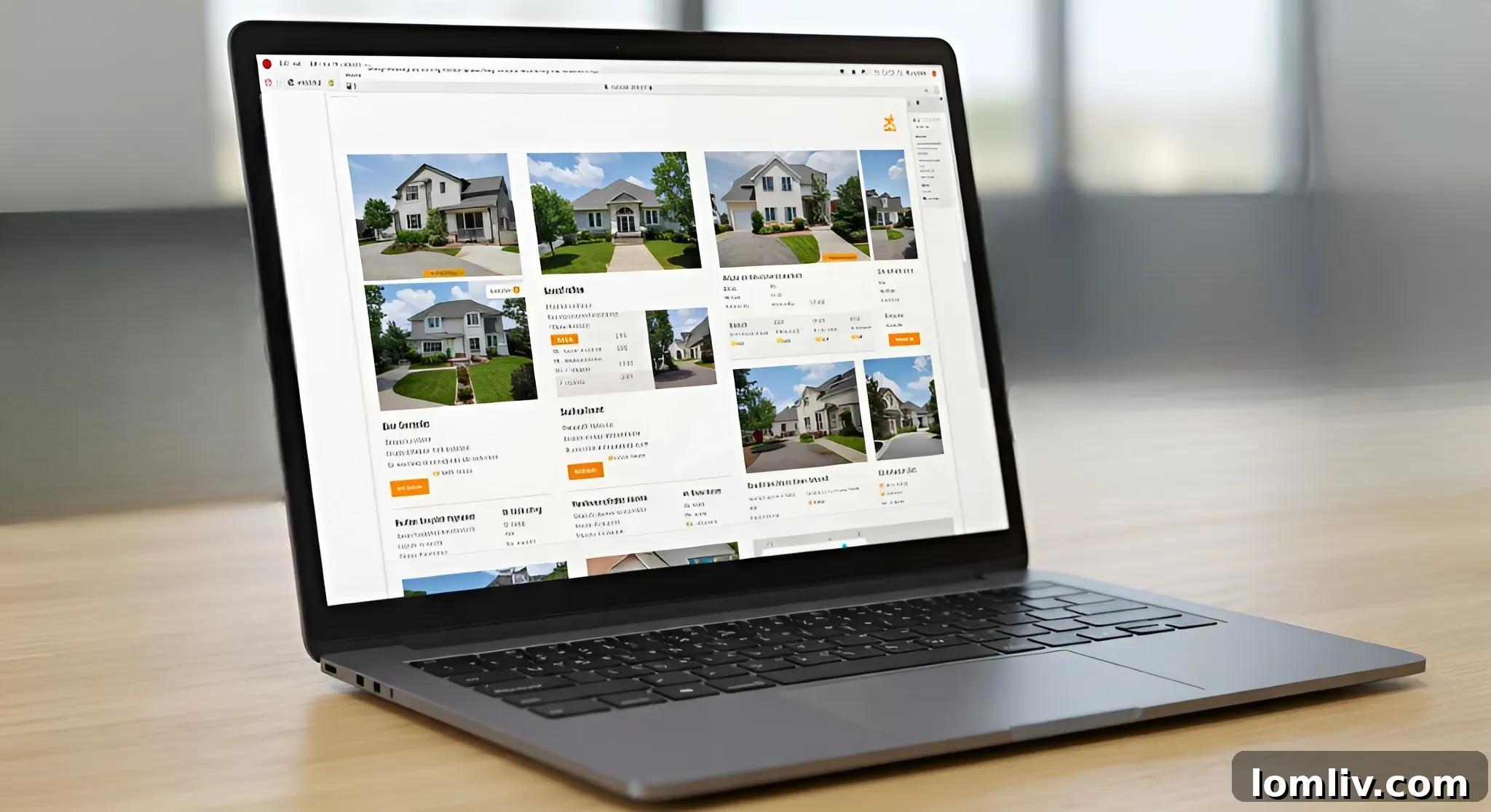
Once your spare room is sparkling and your house rules are clearly defined, the next crucial step is finding the right platform to list your rental. The choice of platform can significantly impact the quality of inquiries you receive, the safety of the process, and the speed at which you find a suitable housemate. Not all platforms are created equal, and understanding their pros and cons is key to optimizing your search.
Here’s a breakdown of popular platforms for finding a spare room tenant:
- Dedicated Roommate Matching Sites:
- SpareRoom.com: This platform is a rising favorite, akin to a dating app for housemates but with more robust screening features. It allows users to create detailed profiles, specify preferences, and offers options for background checks and identity verification. It’s designed specifically for shared living, leading to a more targeted and often higher-quality pool of applicants. Many users appreciate its focus on compatibility beyond just price.
- Roomies.com / Roomster: Similar to SpareRoom, these platforms specialize in connecting individuals looking for shared accommodations. They often feature detailed search filters, messaging systems, and options for uploading photos and descriptions of both the room and the living situation.
Pros: Highly targeted audience, often better screening tools and safety features, users are specifically looking for shared living arrangements.
Cons: May involve subscription fees or premium features to get the most visibility. - Social Media Platforms:
- Facebook Marketplace / Local Housing Groups: These are free, fast, and offer vast reach within local communities. Many cities have dedicated “housing” or “roommate wanted” groups where you can post your listing.
Pros: Free, wide local reach, can quickly generate interest.
Cons: Can be chaotic with many unqualified inquiries, higher risk of scams, less built-in security/screening features, requires more personal vetting. - General Classifieds:
- Craigslist: Still widely used for rentals, Craigslist offers a vast audience and is free to use.
Pros: Free, extensive reach.
Cons: High risk of scams, often attracts less serious inquiries, requires extreme caution regarding personal safety when meeting potential tenants. Always meet in a public place during daylight hours and avoid sharing personal information upfront. - University/College Housing Boards:
- If you live near a college or university, checking their off-campus housing resources or student forums can be an excellent way to find responsible student tenants.
Pros: Targeted audience, often includes students with financial aid or parental support, may lead to longer-term tenants (academic year).
Cons: Limited to student population, may require coordination with academic calendars. - Local Community Boards / Word-of-Mouth:
- Sometimes, the most reliable leads come from trusted sources. Letting friends, family, and colleagues know you’re renting a room can yield reputable referrals. Local coffee shop bulletin boards or community centers might also be effective.
Pros: High trust factor, often leads to pre-vetted individuals.
Cons: Limited reach, slower process.
The National Multifamily Housing Council reports that modern renters increasingly prioritize security and transparency alongside price. This means opting for platforms that allow for detailed descriptions, multiple photos, and potentially some level of identity verification can enhance your chances of attracting a reliable and compatible housemate, making your listing appear professional and trustworthy rather than questionable.
4. Craft an Honest and Compelling Listing: Don’t Catfish Your Rental

Effective marketing is crucial, but it must be rooted in honesty. The goal is to attract the right tenant, not to trick someone into viewing a “sun-drenched studio” that’s actually a converted broom closet. Transparency builds trust, which is the cornerstone of any successful shared living arrangement. A misleading listing will only lead to wasted time for both you and potential housemates, and potentially a quick turnover if someone feels deceived.
Your listing should be comprehensive, accurate, and appealing, providing all necessary information upfront:
- Financial Details:
- Rent Amount: Clearly state the monthly rent.
- Due Date & Payment Method: Specify when rent is due and how you prefer payment (e.g., direct deposit, online portal).
- Security Deposit: Outline the required security deposit amount and any conditions for its return.
- What’s Included/Excluded: Explicitly state what utilities are included (e.g., Wi-Fi, electricity, water, gas) and which, if any, are extra or split. Mention parking availability and laundry access.
- Detailed Room Information:
- Description: Describe the room’s size, features (e.g., closet, natural light, private bathroom if applicable).
- Furnishings: Indicate whether the room is furnished, unfurnished, or partially furnished, listing the specific items if applicable.
- Availability & Lease Term: State the exact move-in date and the desired lease length (e.g., month-to-month, 6-month, 1-year).
- High-Quality Photos & Video Tour:
- Include clear, well-lit, and clutter-free photos of the actual room.
- Crucially, also include photos of shared common areas (kitchen, living room, bathroom). This helps set realistic expectations.
- Consider adding a short video walk-through for a more immersive experience, if the platform allows.
- Location Highlights:
- Mention the neighborhood’s key features, proximity to public transportation, local amenities (parks, grocery stores, cafes), universities, or major employment centers.
- “Vibe Check” / Lifestyle Compatibility:
- This is where you describe your household’s general atmosphere. Are you a quiet, studious home? A social household that enjoys cooking together? Do you have pets? Are you a full-time professional or a student? This helps attract compatible individuals and filters out those who wouldn’t be a good fit. For example, “Seeking a clean, respectful, and quiet professional” or “Ideal for a student who appreciates a calm study environment.”
- Application Process:
- Briefly explain what you’re looking for in an applicant and the next steps (e.g., “Please tell me a little about yourself, your work, and what you’re looking for in a shared living situation”).
A 2025 Zillow study revealed that renters were three times more likely to engage with listings that included both photos and a personalized description. A basic “900/month – no weirdos” listing lacks the warmth and essential information that serious, quality tenants seek. By investing time in a thorough and honest listing, you project professionalism and attract individuals who are genuinely interested and compatible, saving you time and potential headaches down the road.
5. Screen Thoroughly: Selecting the Right Housemate for Your Home

This is arguably the most critical step in renting out your spare room. You’re not just finding a tenant; you’re choosing someone who will share your living space, your amenities, and perhaps even your personal routines. A hasty decision here can lead to significant stress, financial loss, and a compromised sense of security. Thorough screening is about protecting your home, your peace of mind, and your financial investment.
Here’s a multi-faceted approach to thoroughly screening potential housemates:
- Initial Inquiry & Questionnaire:
- Start with a brief questionnaire. Ask about their work schedule, lifestyle preferences (e.g., quiet, social), hobbies, reason for moving, expected lease term, and any pets or allergies. This helps filter out obvious non-fits before committing to a meeting.
- Include questions that probe their understanding of shared living, such as “What’s your approach to household chores?” or “How do you resolve conflicts?”
- Initial Interview (Video or In-Person):
- Once you’ve narrowed down candidates from the questionnaire, schedule a meet-and-greet. This could be a video call initially, followed by an in-person viewing of the room and common areas.
- Pay attention to their punctuality, communication style, and overall demeanor. Ask open-ended questions to encourage them to talk about themselves. Listen to your gut feeling – if something feels off, trust that intuition.
- Reference Checks:
- Request references from previous landlords (if applicable), employers, or even personal references.
- When contacting references, ask specific questions about the applicant’s reliability, cleanliness, financial responsibility, respect for property, and ability to live harmoniously with others.
- Background Checks:
- With the applicant’s explicit written consent, run a comprehensive background check. This typically includes a criminal history check and an eviction history report.
- Use reputable, third-party screening services like RentSpree, Avail, or TransUnion SmartMove. These platforms streamline the process and often handle the collection of fees directly from the applicant.
- Credit Check:
- Again, with consent, a credit check provides insight into a potential tenant’s financial responsibility. It can reveal a history of late payments, significant debt, or other financial red flags. While not always a deal-breaker (especially for younger tenants), it offers a holistic view.
- Proof of Income:
- Request proof of employment and income, such as recent pay stubs or an offer letter. A common rule of thumb is that a tenant’s gross monthly income should be at least three times the monthly rent.
- Fair Housing Considerations:
- Familiarize yourself with fair housing laws in your area. Discrimination based on race, color, religion, sex, national origin, familial status, or disability is illegal. Ensure your screening process is applied consistently to all applicants.
Our expert tip: Rushing this process to fill a vacancy quickly can be a costly mistake. The wrong housemate can lead to far more stress, property damage, and financial headaches than a few weeks of vacancy. Take your time, be diligent, and prioritize finding someone who is not only financially stable but also a compatible and respectful addition to your home environment.
6. Don’t Skip the Legalities: A Robust Lease Agreement is Non-Negotiable

Many homeowners mistakenly believe that because they’re only renting out a single room within their primary residence, they can bypass formal legal agreements. This is a perilous assumption. Verbal agreements, no matter how cordial, offer little to no legal protection should a dispute arise. A comprehensive written lease agreement is your fundamental safeguard, defining the rights and responsibilities of both parties and protecting your investment.
A legally sound lease for a spare room rental should include, but not be limited to, the following essential components:
- Identification of Parties & Property: Full legal names of both landlord (you) and tenant, and the specific address of the property and the room being rented.
- Term of Tenancy: Clearly state the start and end dates of the agreement. Specify if it’s a fixed-term lease (e.g., 6 months, 1 year) or a month-to-month tenancy.
- Rent Details:
- Amount: Exact monthly rent amount.
- Due Date: Specific date rent is due each month.
- Payment Method: Preferred method of payment (e.g., direct deposit, online portal, check).
- Late Fees: Any penalties for late rent payments, including amount and grace period.
- Security Deposit:
- Amount: The exact amount of the security deposit.
- Conditions for Return: Clearly state the conditions under which the deposit will be returned (e.g., no damage beyond normal wear and tear, cleanliness).
- Jurisdiction-Specific Requirements: In many states, security deposits must be held in a separate, interest-bearing escrow account. Familiarize yourself with local laws regarding security deposits.
- Utility Responsibilities: Clearly outline which utilities are included in the rent and which are the tenant’s responsibility (or how they are split).
- House Rules & Shared Spaces: Incorporate the detailed boundaries and rules established in Section 2 regarding guests, noise, use of common areas (kitchen, living room, laundry), cleaning responsibilities, pets, and smoking.
- Maintenance & Repairs: Define who is responsible for minor repairs in the rented room versus common areas. Outline the procedure for reporting maintenance issues.
- Notice to Terminate: Specify the required notice period for either party to end the agreement (e.g., 30 or 60 days, as per local law).
- Entry to Premises: State the circumstances under which the landlord may enter the tenant’s room (e.g., emergencies, repairs, with reasonable notice).
- Default Clauses: Outline what constitutes a breach of the lease agreement and the consequences (e.g., eviction procedures for non-payment of rent or violation of terms).
Beyond the lease, you must be aware of local regulations:
- Zoning Ordinances & Permits: Many cities have zoning laws that restrict the number of unrelated individuals who can live together in a single-family home. Some also require permits or licenses for renting out rooms, especially for short-term rentals. For example, in New York City, it’s generally illegal to rent out a room for fewer than 30 days unless the host also lives there.
- Landlord-Tenant Laws: Familiarize yourself with your state and local landlord-tenant laws. These laws govern everything from eviction processes to required disclosures and tenant rights.
- Homeowner’s Insurance: Inform your homeowner’s insurance provider that you are renting out a room. Your existing policy may not cover damages caused by a tenant or provide liability coverage for incidents involving a tenant. You might need to add a specific rider or obtain a separate landlord policy.
- Tax Implications: Rental income is taxable. Keep meticulous records of all income and expenses related to the rental to ensure accurate tax reporting. Consult with a tax professional to understand your obligations.
Ignoring the legal aspects can expose you to significant financial and legal risks. It is highly advisable to consult with a local attorney specializing in landlord-tenant law to draft a lease agreement tailored to your specific situation and ensure compliance with all local, state, and federal regulations. While it may seem like an extra step, this professional advice is an invaluable investment in your peace of mind and protection.
Beyond the Money: The Holistic Benefits of Renting Your Spare Room
Undoubtedly, the financial benefits of renting out a spare room are a powerful motivator. In many urban and suburban areas, a spare room can generate anywhere from $700 to $1,500 or more per month, depending on location, amenities, and market demand. This substantial income can be a game-changer for homeowners – whether it’s for paying down a mortgage faster, tackling debt, building savings for home renovations, or simply providing a much-needed buffer against inflation and rising living costs. It transforms an idle asset into a productive one, significantly boosting your household’s financial resilience.
However, the advantages extend far beyond the monetary gains. Renting out your spare room can contribute to a more intentional, sustainable, and potentially enriching lifestyle.
- Optimizing Space: It’s about utilizing your home’s footprint to its full potential. In an era where housing efficiency is paramount, ensuring every square foot serves a purpose is a smart strategy. You reduce wasted space and energy that might otherwise go into heating, cooling, and maintaining an unused room.
- Adapting to Market Shifts: The housing market is constantly evolving. By embracing shared living, you’re adapting to current economic realities and participating in a flexible housing solution that benefits both homeowners and individuals seeking affordable living options.
- Security and Companionship: For some, having another person in the house can offer a sense of added security, especially for single homeowners. It can also combat loneliness and provide companionship, fostering a more vibrant and connected home environment – assuming, of course, a good personality match is made.
- Community Building: When done right, renting a room can lead to unexpected friendships and a stronger sense of community within your home and neighborhood. You might find yourself sharing meals, engaging in hobbies, or simply enjoying the presence of another individual.
Ultimately, transforming your spare room into a rental property is a thoughtful endeavor that demands preparation, clear communication, and due diligence. By meticulously preparing your space, establishing clear boundaries, leveraging the right platforms, crafting an honest listing, thoroughly screening applicants, and adhering to legal requirements, you empower yourself to create a successful and harmonious shared living experience.
So, clear out that clutter, define those expectations, and embark on this journey with confidence. Your spare room has the potential to become one of the most valuable, and perhaps even the most rewarding, square footage in your entire house.