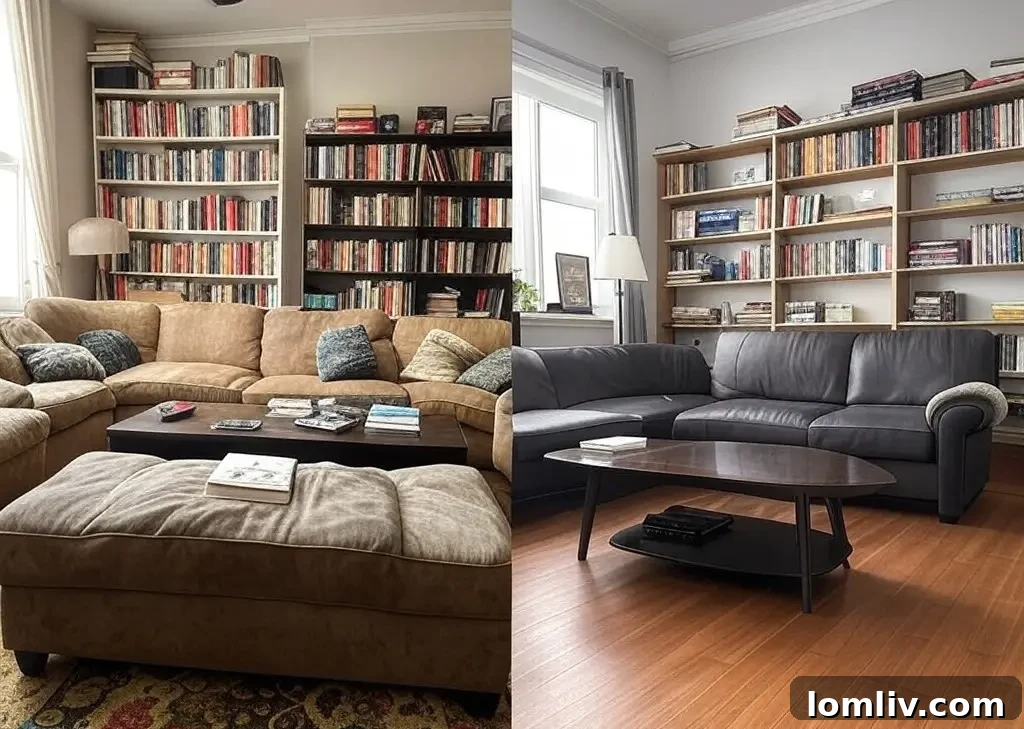

In an increasingly fast-paced world, the concept of downsizing has transcended mere trend status, evolving into a widely embraced smart decision for countless individuals across the United States. Whether you’re contemplating a move to a cozy abode in the vibrant cities of Texas, the picturesque landscapes of Wisconsin, or any other region, transitioning to a smaller home offers a compelling pathway to significant financial savings and a wonderfully simplified lifestyle. This strategic shift requires thoughtful choices and a creative approach to maximizing every inch of your new living space. While the benefits are extensive, it’s worth noting that specific local considerations, such as robust storage options, can greatly enhance the downsizing experience, as seen in areas like Bellevue, WI.
Downsizing is far more than just moving into a property with fewer square feet; it’s a deliberate re-evaluation of priorities, possessions, and daily routines. It’s about shedding the excess that often accumulates over years, freeing up resources – both financial and temporal – for what truly matters. From empty nesters looking to reduce their footprint after children have left home, to young professionals seeking financial agility, or retirees desiring a more manageable and travel-friendly lifestyle, the motivations for embracing a smaller living space are diverse and deeply personal. This comprehensive guide will walk you through the essential steps and benefits of this transformative journey, helping you unlock the full potential of a minimalist and more efficient living situation.
Defining Your Needs: The Essential First Step to Downsizing Success
Before embarking on your search for a smaller home, the most critical initial phase involves a thorough assessment of your current belongings and future lifestyle aspirations. This isn’t just about tidying; it’s a profound “Marie Kondo-style” evaluation, challenging you to ask what truly serves a purpose and brings joy. A smaller home inherently means less room for accumulated clutter, making this ruthless decluttering process absolutely essential. Think of it as preparing a blank canvas for your new life.
Start by categorizing items meticulously. What do you use daily, weekly, or seasonally? What has languished untouched for years, collecting dust in a closet or garage? That seldom-used bread maker, the collection of magazines from a decade ago, or bulky sports equipment for a hobby you no longer pursue are prime candidates for removal. Be rigorously honest with yourself about what is truly essential versus what you simply have out of habit, obligation, or misplaced sentimentality. A practical rule of thumb often suggested is the “one year rule”: if you haven’t used it in a year, it’s likely time for it to go, unless it holds irreplaceable sentimental value.
Beyond possessions, reflect deeply on your ideal lifestyle. Do you envision spending weekends hiking nature trails, pursuing creative arts, or traveling extensively instead of dedicating countless hours to mowing a sprawling lawn and maintaining a large property? Perhaps a modern condo or a charming townhouse with minimal or zero yard work aligns perfectly with your new priorities. Or maybe you still desire a small patch of green for gardening or outdoor relaxation, just a more manageable version. Understanding these core desires will not only guide your decluttering efforts but also precisely inform the type of smaller home that best suits your future and minimizes potential regrets.
This early introspection sets the crucial foundation for a successful downsizing journey, ensuring that your new space truly supports the life you wish to live, rather than becoming another repository for unnecessary items. It’s about designing your environment to foster happiness and reduce stress from the ground up.
Navigating Large Items and Vehicle Storage Challenges During Downsizing
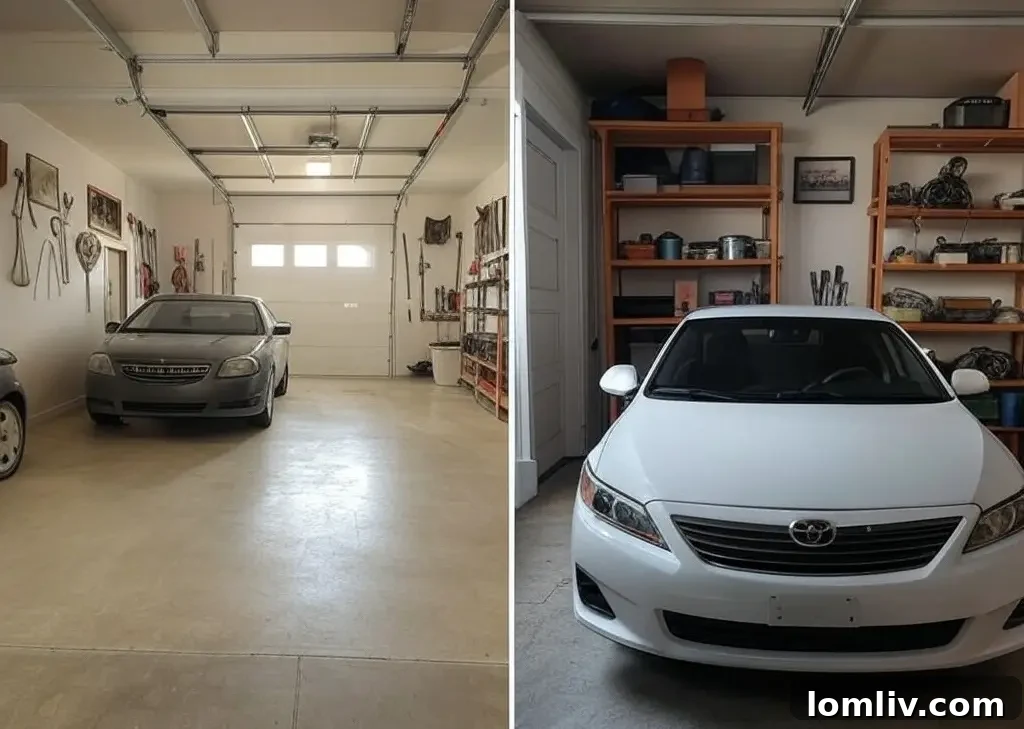
One of the most significant and often daunting hurdles in the downsizing process is determining what to do with large, bulky possessions and multiple vehicles. That expansive sectional sofa that perfectly fit your former living room, the extra refrigerator humming away in the garage, or a cherished collection of hobby equipment like vintage snowmobiles or large musical instruments simply won’t have a natural place in a smaller footprint. This stage demands both creativity and, at times, difficult emotional decisions.
Strategic Approaches for Handling Large Items:
- Sell, Donate, or Gift Effectively: If an item won’t fit or serve a practical purpose in your new home, it needs to find a new home itself. Utilize popular online marketplaces such as Facebook Marketplace, Craigslist, or local consignment shops to sell items. For quicker removal and community benefit, local charities are often eager to accept functional furniture and appliances, frequently providing a tax deduction receipt. Consider thoughtfully gifting cherished items to family members or friends who can genuinely appreciate and utilize them, ensuring their continued life.
- Embrace Multi-Functional Furniture: Smart furniture choices are paramount when optimizing a smaller space. Invest strategically in pieces that serve dual or even triple purposes. Think storage ottomans that double as extra seating and hidden compartments for blankets or books, beds with integrated drawers or lift-up storage mechanisms for seasonal clothing, and extendable dining tables that can expand for entertaining guests and contract for daily, intimate meals. Every single piece of furniture in your downsized home should efficiently earn its keep and contribute to the overall functionality.
- The Vehicle Conundrum: For many individuals, especially those accustomed to a spacious suburban garage or multiple driveways, managing vehicle storage is a critical consideration. If your new home offers limited parking options, tough choices may be necessary. Do you genuinely require multiple family cars, a motorcycle collection, or that large RV you only use a few times a year? For those vehicles and recreational items that are important but not daily necessities, off-site storage becomes an invaluable and practical solution.
Exploring Off-Site Vehicle Storage Solutions: Investing in a dedicated external storage facility can be a highly worthwhile expense to retain valuable assets without cluttering your new, compact living space. Look for reputable facilities in your region that offer secure car, boat, or RV storage. Options typically include open outdoor parking, covered parking to protect against elements, and fully enclosed, climate-controlled units for maximum protection of classic cars or sensitive vehicles. This flexibility allows you to seamlessly downsize your primary residence without sacrificing cherished possessions or expensive recreational vehicles that enhance your lifestyle.
For individuals residing in Bellevue, WI, for example, the availability of reliable car storage Bellevue options ensures that homeowners can secure their vehicles safely, thereby freeing up precious space at home. Similarly, a well-planned and efficiently organized garage, even a compact one, can significantly alleviate some of these storage pressures, making the transition much smoother and less stressful. Thoughtful planning for large items and vehicles ensures a less cluttered, more functional, and ultimately more enjoyable smaller home environment.
Maximizing Every Inch: Smart Storage Solutions and Organization Strategies for Small Homes
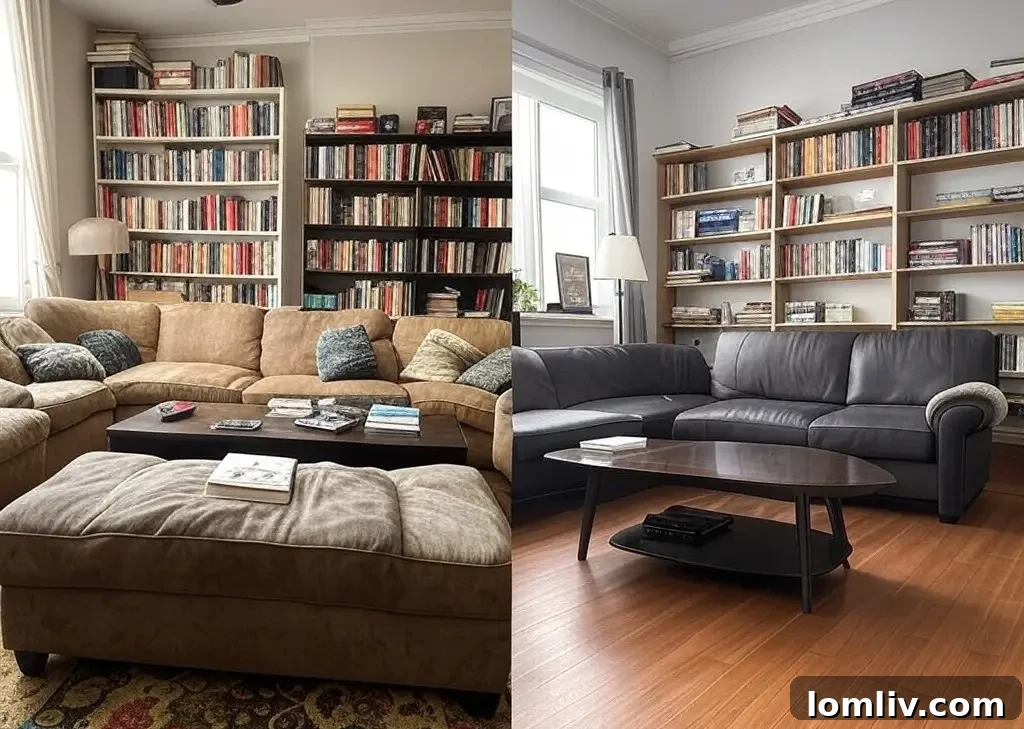
Once you’ve successfully pared down your belongings, the next critical step is to strategically optimize your smaller space to work efficiently and aesthetically for you. The guiding principle for successful small-space living is simple yet powerful: “think vertical!” Every wall, every corner, and every seemingly unused nook holds immense potential for smart, integrated storage solutions.
- Embrace Vertical Storage with Purpose-Built Shelves: Floor-to-ceiling shelving units are your absolute best friend in a downsized home. They capitalize on often-overlooked vertical space, creating substantial storage capacity without occupying much valuable floor area. Utilize them creatively in living rooms for books, decorative items, and media, in bedrooms for clothing, accessories, and personal items, and even in a compact utility space or garage for tools and household supplies. Floating shelves can add functional storage and display space without making a room feel heavy or enclosed, maintaining an airy feel.
- Wall-Mounted Everything for Efficiency: Get items off the floor and onto the walls whenever possible. This applies to everything from wall-mounted desks and entertainment units to spice racks in the kitchen, key holders and coat racks by the door, and even wall-mounted storage for bicycles or sports equipment. Pegboards are incredibly versatile for organizing tools, craft supplies, or kitchen utensils, keeping them visible, accessible, and off precious counter or drawer space. Over-the-door organizers in bathrooms and closets are also highly effective for small items.
- Clever Hidden Storage Solutions: Integrate storage seamlessly and discreetly into your furniture. Beyond ottomans with storage compartments, consider sophisticated coffee tables with lift-up tops for remote controls and magazines, entryway benches with internal storage for shoes and bags, and modern beds with built-in drawers or platform designs that allow for spacious under-bed storage bins. These solutions keep clutter out of sight, maintaining a clean, minimalist, and serene aesthetic in your downsized home.
- Customized Closet Systems: A Game-Changer: A well-designed closet can be an absolute game-changer in a smaller home, effectively doubling or tripling storage capacity. Whether you opt for a professionally installed system or a modular DIY solution, focusing on maximizing every cubic inch is key. Think double-hanging rods for shirts and pants, adjustable shelves for varying item heights, drawer dividers for small accessories, and plenty of clear bins for folded items, seasonal clothing, or linens. Vertical shoe racks or over-the-door organizers can also free up significant closet floor space, making your wardrobe manageable.
- The Power of Labeling and Clear Bins: Once items are thoughtfully stored, clear bins with easily readable labels will save you immense time, frustration, and prevent re-buying items you already own. Knowing exactly where everything is located, especially for items not used daily, maintains organization and ensures efficiency. Store seasonal items, cherished keepsakes, or infrequently used gadgets in less accessible spots, such as high shelves, under the bed, or in a dedicated external storage unit.
- Utilize External Self-Storage for True Non-Essentials: For items that are genuinely important but not needed in your daily life – perhaps sentimental heirlooms, extensive hobby equipment, bulky seasonal decorations, archived documents, or inherited furniture – renting an external self-storage unit can be an excellent long-term solution. This prevents your meticulously downsized home from becoming cluttered again and ensures your most valued possessions are kept safe, secure, and accessible when you truly need them.
By implementing these smart storage and organization strategies, you can transform a smaller living space into a highly functional, comfortable, and aesthetically pleasing environment that feels surprisingly spacious and incredibly serene, perfectly tailored to your new, simplified lifestyle.
Embracing a Fulfilling Smaller-Home Lifestyle: More Than Just Less Space
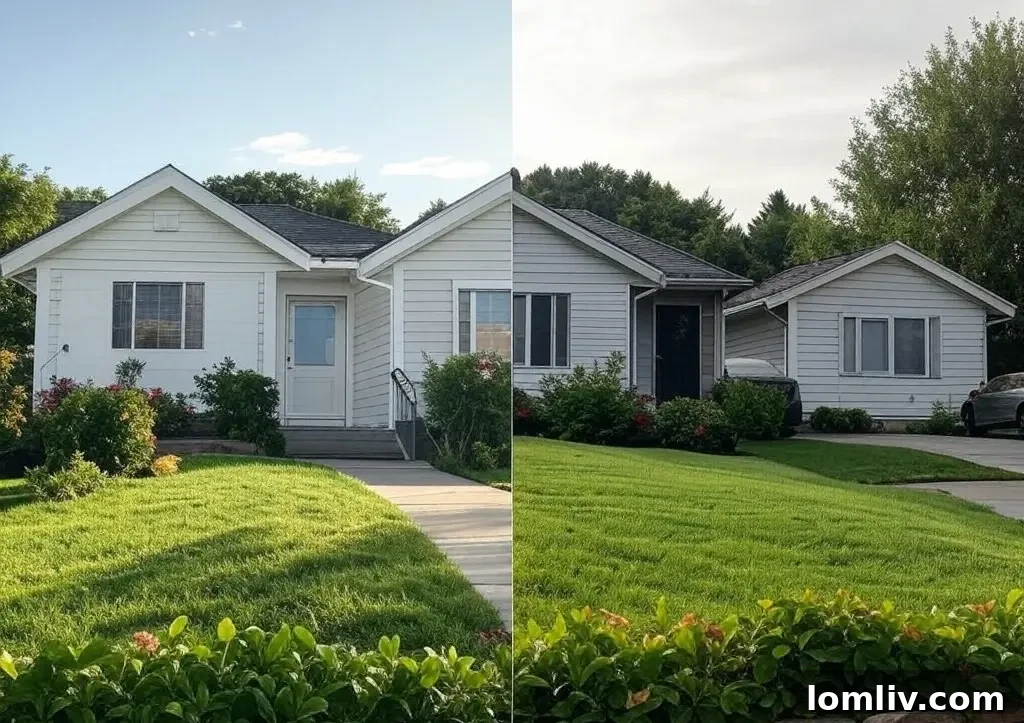
Living in a smaller home extends far beyond merely reducing square footage; it signifies a profound mindset shift towards intentionality, efficiency, and simplicity. It encourages a more thoughtful approach to consumption and daily living, fostering a greater appreciation for experiences over material possessions. This lifestyle choice often leads to a deeper connection with your immediate environment and a clearer understanding of what truly contributes to your happiness.
Consider the practical implications and opportunities: a smaller kitchen might prompt you to streamline your appliances. Do you truly need a stand mixer, a food processor, and a blender, or can a multi-functional device suffice? This simplification frees up valuable counter space and reduces visual clutter, making the kitchen a more enjoyable place to cook. Similarly, a smaller living room means being deliberate with furniture choices, opting for pieces that are cozy and inviting without overwhelming the space. Interior design principles for small spaces, such as utilizing light colors, incorporating mirrors to reflect light, and choosing furniture with appropriate scale, can significantly enhance the perception of space and openness.
The immediate and perhaps most appealing upside to this lifestyle transformation is the significant reduction in household chores and maintenance. Less square footage directly translates to less cleaning, fewer rooms to dust, and quicker tidying sessions. If you’ve opted for a home with minimal or no yard, you can effectively say goodbye to countless hours spent on lawn care, gardening, or exterior upkeep. This newfound freedom of time and energy can be powerfully redirected towards activities you genuinely enjoy – whether it’s exploring new travel destinations, diving into long-desired hobbies, spending quality time with loved ones, engaging in community activities, volunteering, or simply indulging in more moments of quiet relaxation and self-care. This shift truly empowers you to live a life less burdened by property maintenance and more enriched by meaningful pursuits.
Entertaining guests might also take on a slightly different, often more intimate, form. Instead of hosting elaborate, large-scale holiday bashes that require extensive preparation and cleanup, you might find yourself gravitating towards more cozy dinner parties, game nights with close friends, or leveraging community spaces for larger events. Furthermore, get creative with your outdoor areas. A well-appointed patio, a charming balcony, or even a small garden space with comfortable seating, ambient lighting, and perhaps a compact grill can serve as a wonderful and seamless extension of your indoor living area, perfect for al fresco dining, morning coffee, or simply enjoying fresh air and nature. This flexibility allows for continued social connection without the burden of excessive indoor space.
Ultimately, embracing a smaller-home lifestyle is about curating an environment that profoundly supports your well-being, minimizes distractions, and maximizes your capacity for joy and purposeful living. It’s a conscious decision to prioritize quality of life, experiences, and personal growth over the sheer quantity of space or material possessions, leading to a richer, more meaningful existence.
Addressing the Emotional Landscape of Downsizing: Navigating Memories and New Beginnings
Let’s be candid: the process of letting go of a home, particularly one filled with years, or even decades, of cherished memories, can be an emotionally charged and challenging experience. It’s not merely about divesting physical possessions; it’s often about navigating the profound nostalgia, deep sentimentality, and sometimes, a sense of grief or loss associated with a particular chapter of your life. Acknowledging, validating, and patiently processing these feelings is a crucial, often overlooked, part of the overall downsizing journey.
It’s vitally important not to rush or force the emotional process. Approach it gradually, perhaps room by room, or by category of items, allowing yourself time to reflect. As you declutter, you will inevitably encounter objects that trigger strong memories and emotions. For truly sentimental items that you cannot part with, consider creating a designated “memory box” or a digital photo album to preserve the essence and stories of these keepsakes without retaining every physical object. Take high-quality photographs of beloved items before donating or selling them as a tangible way to hold onto the memory, making it easier to let go of the physical item itself. Passing down heirlooms and significant items to family members can also be a beautiful and meaningful way to ensure their legacy continues while easing your burden of storage and decision-making.
Allow yourself the space and grace to grieve the loss of space or the perceived end of an era. This is a natural and healthy part of any significant life transition. However, consciously and actively shift your focus towards the immense freedom, exciting new opportunities, and simplified lifestyle you are gaining. Visualize the positive aspects of your new, streamlined life: less property maintenance, more financial flexibility, increased time for personal passions, and the freedom to explore new interests. Frame this transition not as an ending, but as a vibrant new beginning.
Once you’ve successfully moved into your new home, make it an absolute priority to imbue your smaller place with warmth, personality, and your unique style, transforming it into a true sanctuary. Hang your favorite artwork, proudly display those treasured keepsakes that made the cut, and arrange your furniture in a way that feels inherently comfortable, inviting, and uniquely yours. Personalizing your new space is absolutely vital for establishing a deep sense of belonging and making it genuinely feel like home, allowing you to create new, cherished memories and foster a sense of peace in your simplified environment. This step ensures that downsizing leads to a more fulfilling life, not just a smaller one.
The Compelling Financial Advantages of Embracing a Smaller Home
While the emotional and lifestyle benefits of downsizing are profound and deeply rewarding, the financial perks often serve as the primary and most compelling motivator for many individuals. Making the strategic move to a smaller home can be a serious win for your personal finances, offering significant savings and opening up new avenues for remarkable financial freedom and stability.
- Substantially Lower Utility Bills: This is one of the most immediate, tangible, and ongoing benefits. Heating and cooling a smaller space requires considerably less energy, directly translating to noticeably lower monthly expenses for electricity, natural gas, or oil. Additionally, reduced water consumption (especially with fewer bathrooms or a smaller yard) and potentially lower internet/cable packages tailored to a compact household further contribute to overall savings. This consistent reduction in overhead adds up very significantly over time, bolstering your disposable income.
- Reduced Property Taxes and Insurance Premiums: While dependent on your specific location and local tax assessment policies, a smaller home typically commands a lower property valuation. This directly results in lower annual property tax obligations, freeing up hundreds or even thousands of dollars each year that can be reallocated to savings, investments, or discretionary spending. Furthermore, homeowners insurance premiums are often lower for smaller, less expensive properties, adding another crucial layer to your financial savings and peace of mind.
- Cashing Out Significant Home Equity: For many, selling a larger, more expensive home and simultaneously purchasing a smaller, more affordable one unlocks a significant portion of their accumulated home equity. This released capital can be an absolute game-changer for your financial future. You might strategically use it to pay off outstanding high-interest debts, substantially bolster your retirement savings, fund long-desired travel experiences, establish a robust emergency fund, or even make desirable upgrades to your new, more modest abode without incurring new debt.
- The Dream of Mortgage-Free Living: For some fortunate individuals, the equity released from selling their larger home is sufficient to purchase their downsized residence outright. Imagine the unparalleled financial freedom and profound peace of mind that comes with completely eliminating monthly mortgage payments. This liberates a substantial portion of your monthly income, opening doors to new opportunities, dramatically reducing financial stress, and providing a powerful sense of security, especially crucial during retirement or periods of economic uncertainty. It transforms your financial landscape.
- Lower Maintenance and Repair Costs: Generally, smaller homes require less maintenance and repair. Fewer rooms to paint, a smaller roof to replace, less extensive landscaping, and fewer complex systems mean reduced ongoing costs for materials, labor, and services. This not only saves money but also significantly reduces the time and effort you need to invest in home upkeep, allowing you to focus on more enjoyable activities.
Collectively, these powerful financial advantages create a robust foundation for enhanced economic stability and the tangible pursuit of a more financially liberated life. Downsizing isn’t just about cutting costs; it’s about strategically investing in your future well-being and freeing up precious resources to truly live the life you’ve always envisioned, unburdened by excessive expenses.
Downsizing: A Holistic Path to a Richer, More Intentional Life
In essence, downsizing transcends the simple logistical act of moving; it represents a deliberate, thoughtful, and ultimately transformative journey towards a more intentional, simplified, and deeply fulfilling existence. It’s a conscious decision about shedding the excess, both tangible and intangible, that no longer serves your purpose, thereby creating invaluable space for what truly matters in your life.
Yes, the process undoubtedly demands effort, meticulous planning, and often, difficult emotional decisions regarding cherished possessions and long-held attachments. However, the profound rewards that await far outweigh these initial challenges. Picture the unparalleled financial freedom gained from lower everyday expenses, potentially a mortgage-free life, and substantial equity to reallocate towards your dreams. Envision the significant decrease in daily stress and the newfound mental clarity that comes from living in an organized, uncluttered, and highly efficient environment. Most importantly, imagine the invaluable gift of more time – time redirected from endless chores, property maintenance, and financial worries towards pursuing your passions, fostering deeper connections with loved ones, traveling, learning new skills, engaging in community service, or simply enjoying moments of profound peace and quiet reflection.
Downsizing is not about deprivation or living with less; it’s fundamentally about discerning what truly brings value, joy, and utility to your life, and then actively curating your environment and lifestyle to prioritize those essential elements. It’s a powerful tool for self-redefinition, allowing you to align your living space with your core values, future aspirations, and the kind of life you genuinely wish to lead. So, approach this significant transition with patience, be mindful of each decision you make, and enthusiastically embrace the unparalleled opportunity to design a life that is lighter, richer, more meaningful, and authentically yours. The journey to a smaller home can, indeed, lead to a wonderfully larger and more expansive life.