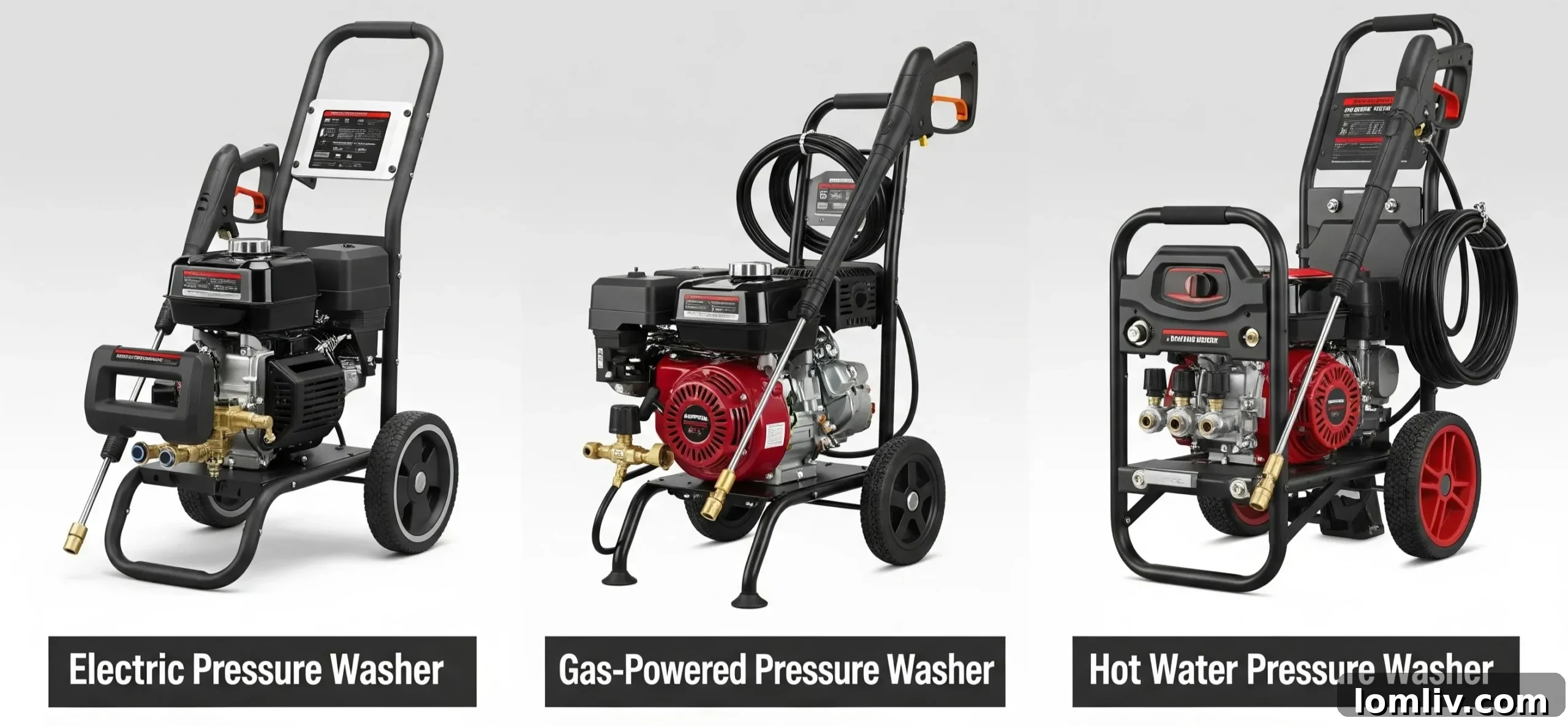
Once considered a tool exclusively for seasoned professionals, the high-pressure washer has undergone a remarkable transformation. Today, this powerful cleaning marvel is readily available to homeowners, promising to revolutionize outdoor cleaning tasks. Its accessibility has sparked a common question: Is a high-pressure washer a necessary investment for every household? In this comprehensive guide, we’ll delve into the world of pressure washing, exploring its benefits, types of equipment, crucial parameters, and ultimately, help you decide if this versatile machine deserves a spot in your garage.
Should You Invest in a Pressure Washer? The Ultimate Guide for Homeowners
To fully understand the practicality and necessity of a household pressure washer, we sought insights from the experts at Activate Pressure Washing. As professionals in the field, they possess an unparalleled understanding of the advantages and disadvantages of these powerful machines. While the allure of DIY pressure washing is strong, it’s essential to weigh the commitment against the benefits.
Undoubtedly, one of the most popular uses for a pressure washer among homeowners is vehicle cleaning. The ability to wash your car in a “contactless” manner means that a high-pressure stream of water, often exceeding 100 m/s (360 km/h) at the nozzle, effectively blasts away dirt, grime, and road salt without the need for abrasive scrubbing. This gentler approach helps preserve your vehicle’s paintwork, minimizing the risk of scratches often associated with traditional sponge washing. However, the utility of a pressure washer extends far beyond just cars.
Beyond Vehicle Cleaning: Versatile Applications for Your Home
The scope of a household pressure washer’s application is impressively broad, making it a valuable tool for maintaining various aspects of your property. Consider these diverse uses:
- Revitalizing Exterior Surfaces: From grimy fences and algae-covered walls to dirty garden paths and slippery patios, a pressure washer can dramatically restore the appearance of these outdoor surfaces. It effortlessly removes built-up dirt, mildew, mold, and environmental stains, breathing new life into your home’s curb appeal. For delicate surfaces like wood decks, it’s crucial to use appropriate pressure and fan nozzles to avoid damage.
- Cleaning Garden and Outdoor Equipment: Keep your lawnmowers, trimmers, garden tools, and even outdoor furniture sparkling clean. Regular cleaning with a pressure washer helps remove caked-on mud, grass clippings, and debris, extending the lifespan of your equipment and maintaining its efficiency.
- Spraying Chemicals for Garden Care: Some pressure washer models or compatible attachments can be used to evenly spray insecticides, herbicides, or fertilizers across garden trees and vegetable patches. This can offer a more efficient and consistent application compared to manual sprayers, especially for larger areas, though always ensure compatibility and proper safety precautions for chemical handling.
- Prepping Surfaces for Renovation: Whether you’re planning to repaint an old garden shed or re-stain a deck, a pressure washer can be an invaluable tool for surface preparation. It effectively removes loose paint, peeling finishes, and rust from metal surfaces, creating a clean canvas for new coatings to adhere properly.
- Clearing Blocked Sewer Pipes: With specialized jetter nozzles designed to navigate and clear obstructions, certain high-pressure washers can assist in dislodging minor blockages in outdoor sewer pipes. While this can be a DIY solution for light clogs, significant or internal plumbing issues are best left to professional plumbers.
While the prospect of tackling these tasks yourself sounds incredibly appealing, it’s important to be realistic about the time commitment involved. For many busy homeowners, regularly scheduling and performing extensive pressure washing tasks can be challenging. It might be significantly more convenient and efficient to opt for a professional service, such as a complete exterior cleaning for your home, once or twice a year, rather than dedicating an entire weekend to the task. This ensures a thorough, expert clean without the hassle. However, if you are committed to DIY upkeep and are serious about leveraging the power of a pressure washer, then understanding the fundamental principles of selecting the right equipment is your next crucial step.
Understanding Pressure Washer Classes: Finding Your Perfect Match
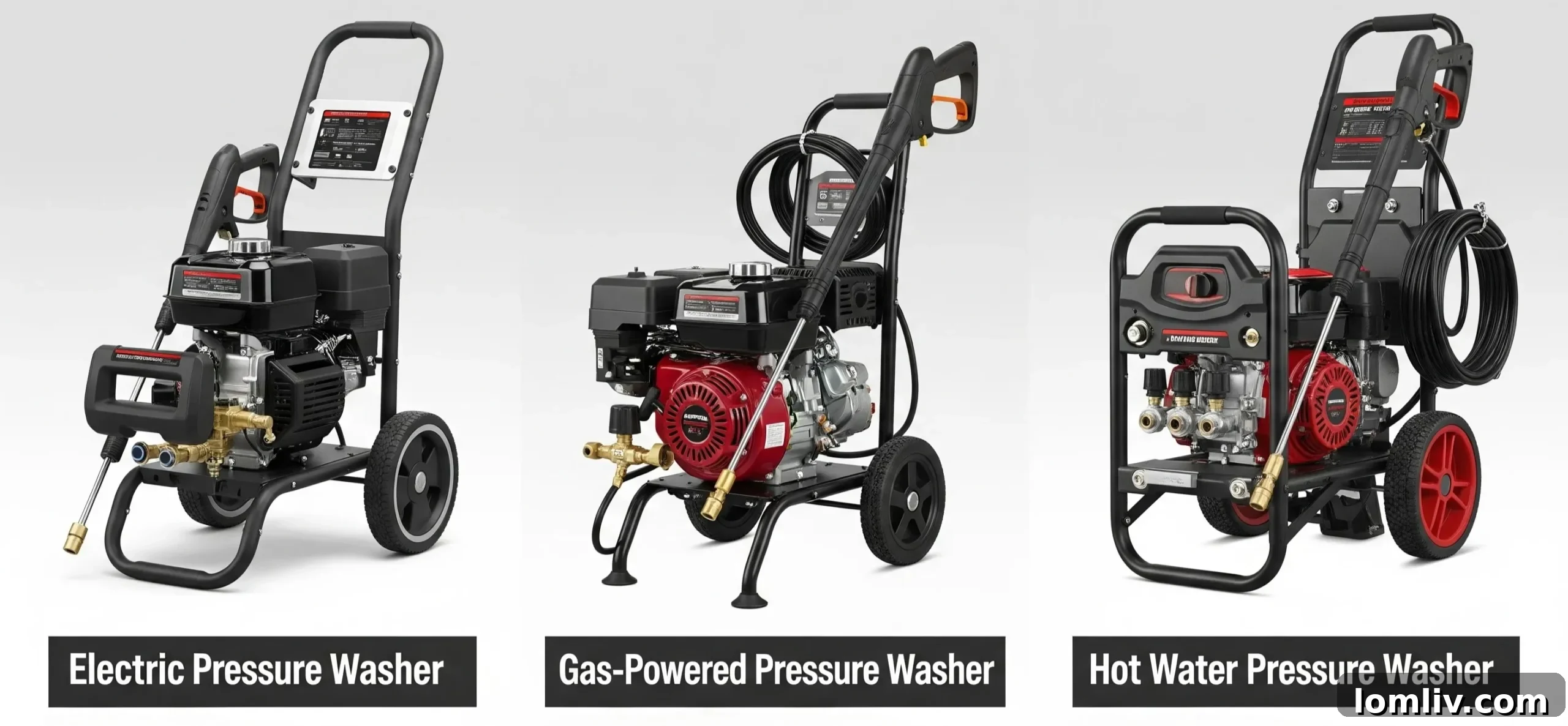
The market for mini-washers, often referred to as pressure washers, is incredibly diverse, offering a wide array of models to suit various needs and budgets. While the core design principles remain consistent, these machines are generally categorized into three distinct classes based on their power, durability, and intended use. Understanding these classifications is key to making an informed purchase that aligns with your specific requirements.
- Compact Entry-Level Mini-Washers:
- Pressure Range: Typically generate up to 120 bar (approximately 1740 PSI).
- Construction: Often feature pumps made of plastic or composite materials, which contributes to their lighter weight and lower cost.
- Productivity: Generally have lower flow rates, reaching up to 400 liters per hour (L/h) or about 1.0 GPM.
- Ideal Use: Best suited for very light-duty tasks around the home. Think cleaning bicycles, rinsing garden tools, washing patio furniture, or lightly cleaning small garden paths.
- Limitations: The jet pressure from these models is generally insufficient for tackling ingrained dirt, tough stains, or effectively washing cars with significant grime. Their plastic components mean they are not designed for prolonged continuous use and require cool-down periods.
- Mid-Level Mini-Washers:
- Pressure Range: Capable of producing up to 150 bar (around 2175 PSI).
- Construction: Feature more durable pumps, often made from a combination of metal (such as aluminum or brass for critical components), plastic, and silumin (an aluminum-silicon alloy). This enhances longevity and performance.
- Productivity: Offer improved flow rates, typically between 1.4 to 1.8 GPM.
- Ideal Use: An excellent choice for the average car enthusiast with one or two vehicles, as they provide sufficient power for effective vehicle cleaning. They are also highly effective for cleaning decks, patios, driveways, house siding, and fences.
- Features: These models strike a balance between power, portability, and price. They are lightweight and compact enough for easy storage but robust enough for consistent use, often capable of continuous operation for an hour or more.
- High-Level Mini-Washers (Semi-Professional/Prosumer):
- Pressure Range: Generate impressive pressures exceeding 150 bar (over 2175 PSI), with some reaching 200 bar (2900 PSI) or more.
- Productivity: Boast high flow rates, typically starting from 600 L/h (around 2.5 GPM) and going upwards.
- Construction: Often built with professional-grade components, including durable brass pumps and robust induction motors, designed for extended operational periods.
- Ideal Use: While still available to consumers, these machines border on professional equipment. They are perfect for homeowners with large properties, multiple vehicles, or those who undertake frequent and demanding cleaning projects, such as preparing large surfaces for painting, removing stubborn grime from concrete, or continuous cleaning tasks.
- Durability: Engineered for prolonged work sessions without needing frequent cool-down breaks, offering superior longevity and reliability.
The choice of equipment hinges entirely on your specific cleaning goals, the size of the areas you intend to clean, and the frequency of use. A crucial distinction to remember is between household-grade and truly professional-grade devices. A typical household pressure washer is designed for intermittent use, perhaps an hour or two a day. In contrast, a professional model is built to withstand the rigors of an entire working day, albeit with necessary breaks. Purchasing a high-level or professional device when your needs are merely occasional would be an unnecessary financial burden, not only in the initial cost but also in potential maintenance, which tends to be more complex and expensive for advanced machinery.
Key Parameters and Features to Consider Before Buying Your Pressure Washer
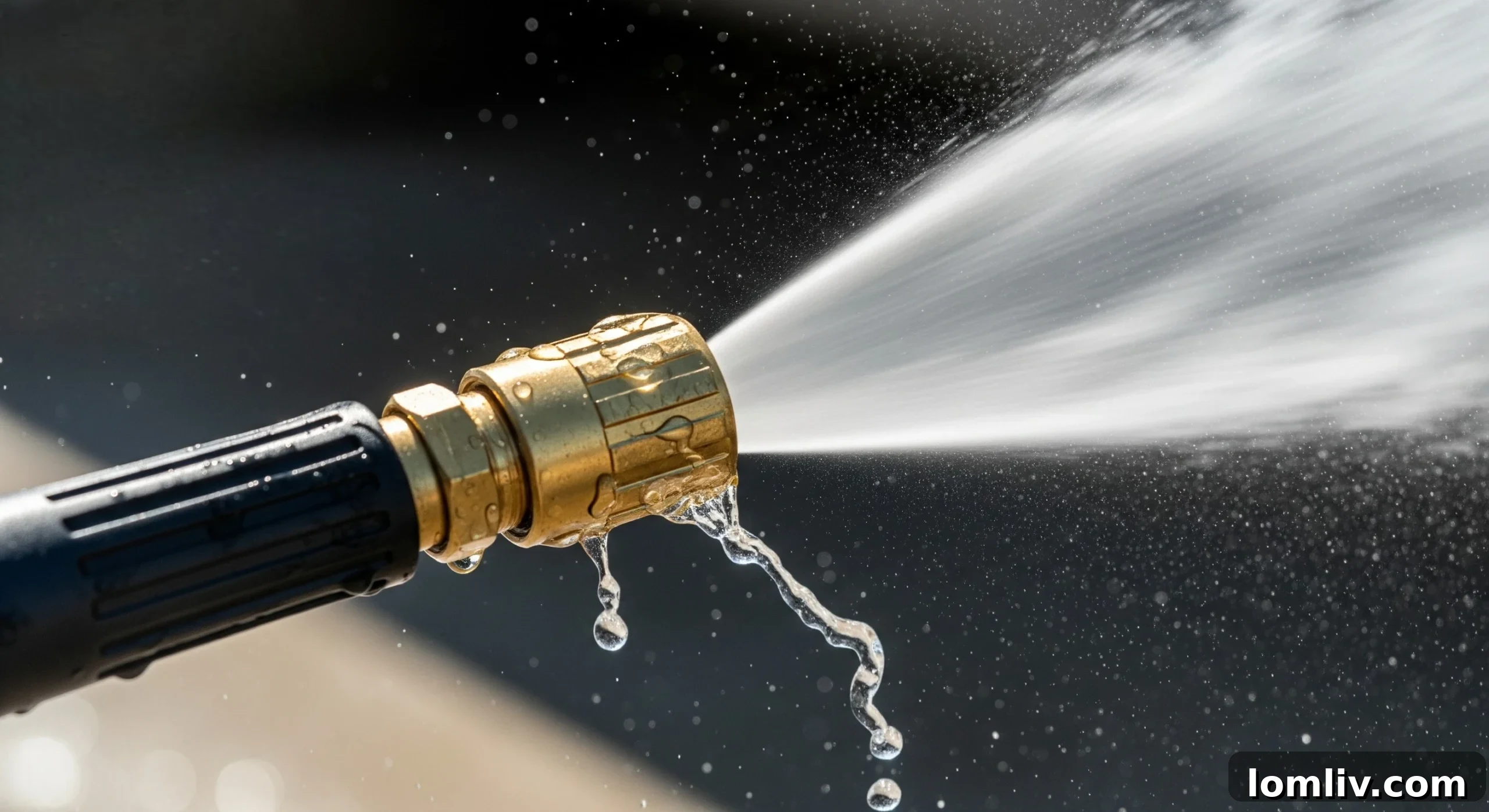
Once you’ve decided on the general class of pressure washer that suits your needs, it’s time to dive into the specific parameters and features that differentiate models and impact their performance. Understanding these aspects will ensure you select a machine that is both effective and convenient for your household tasks.
Water Intake Options: Supply vs. Container
A primary consideration is how the pressure washer draws its water. The vast majority of mini-washers are designed to connect directly to a standard garden hose, drawing water from your domestic supply. This method typically provides consistent pressure and flow, which is ideal for most cleaning tasks, especially car washing, where consistent water volume is beneficial. However, many models also offer the flexibility to draw water from a separate container, such as a rain barrel or a large bucket. While this feature is incredibly useful in areas without direct tap access, it’s important to note a potential drawback: when drawing water from a container, the outlet pressure can be significantly lower. This reduced pressure might compromise the washer’s effectiveness, particularly when tackling stubborn dirt or performing tasks that require higher impact, such as deep car cleaning. Therefore, reserving container water intake for situations where a direct water supply is simply not an option is often the most practical approach.
Maximum Pressure (PSI/Bar): The Power to Dislodge Dirt
The maximum pressure a machine can generate is perhaps the most critical parameter, defining its ability to tackle various types of dirt and grime. Measured in Pounds per Square Inch (PSI) or bar, this figure indicates the force with which water leaves the nozzle. Mini-washers with pressures below 120 bar (around 1740 PSI) will struggle to remove ingrained dirt, stubborn stains, or hardened mud that has “eaten into” surfaces. These are best for light rinsing. For general household tasks like deck cleaning, driveway washing, and vehicle care, a range of 1500-2500 PSI is usually sufficient. However, caution is advised with washers exceeding 150 bar (2175 PSI). Such high pressure, if not used correctly with appropriate nozzles and distances, can potentially damage delicate surfaces like soft wood, painted finishes, or even your vehicle’s paintwork. Always start with a lower pressure setting or a wider fan nozzle and test on an inconspicuous area first, especially for tasks requiring a quick and easy deep clean.
Maximum Performance (GPM/L/H): The Speed of Cleaning
While pressure dictates the cleaning power, maximum performance, or flow rate, determines how quickly you can complete a task. Measured in Gallons Per Minute (GPM) or liters per hour (L/h), this parameter indicates the volume of water the machine delivers. Higher performance means more water is being delivered, which results in a wider spray pattern or a larger “contact spot” of the stream with the cleaned surface. This wider coverage allows you to clean larger areas in less time, making the process more efficient. A machine with both high pressure and high flow rate offers the ultimate cleaning efficiency, as it combines strong blasting power with rapid rinsing capabilities. For general home use, a flow rate of at least 1.4 GPM is recommended for effective cleaning.
Other Essential Features to Consider:
- Hose Length: A longer high-pressure hose (e.g., 20-30 feet) offers greater reach and flexibility, reducing the need to constantly move the main unit. This is especially beneficial for washing vehicles or large patios.
- Nozzle Types: The nozzles are crucial for directing and shaping the water stream. Common types include:
- 0-degree (Red): A pinpoint, highly concentrated stream for very tough spots, but can be damaging. Use with extreme caution.
- 15-degree (Yellow): A narrow fan for intense cleaning on hard surfaces.
- 25-degree (Green): A medium fan, good for general cleaning on most surfaces.
- 40-degree (White): A wide fan for gentle cleaning, rinsing, and delicate surfaces.
- Soap (Black): A low-pressure nozzle designed for applying detergents.
- Turbo Nozzle: Rotates a 0-degree stream in a cone shape, combining intensity with a wider cleaning path for faster cleaning of stubborn dirt.
Ensure the washer comes with a good selection of quick-connect nozzles or has adjustable nozzle settings.
- Detergent Tank/Injector: An onboard detergent tank or an external siphon tube allows you to apply cleaning solutions directly through the pressure washer, enhancing cleaning power, especially for mold, mildew, and grease.
- Motor Type (Electric vs. Gas): Most household pressure washers are electric, offering quieter operation and no emissions. Gas models provide more power and portability but are louder and require more maintenance. For most residential applications, electric models are sufficient.
- Pump Material: Look for pumps with brass or aluminum components for greater durability and longevity compared to all-plastic pumps.
- Accessories: Consider models that offer or are compatible with useful accessories like surface cleaners (for uniform cleaning of flat surfaces), rotating brushes, extension wands, and specialized vehicle cleaning attachments.
Safety First: Essential Precautions for Pressure Washer Operation
While a pressure washer is an incredibly effective cleaning tool, its power also means it can be dangerous if not operated correctly. Always prioritize safety to prevent accidents and injuries:
- Personal Protective Equipment (PPE): Always wear safety glasses or goggles to protect your eyes from debris, closed-toe shoes to protect your feet, and gloves for better grip and hand protection.
- Maintain a Safe Distance: Keep the nozzle at a safe distance from the surface you are cleaning. Starting too close can damage the material, especially softer ones like wood or paint.
- Avoid Electrical Outlets and People/Pets: Never direct the spray towards electrical outlets, power lines, or any electrical components. Ensure children and pets are kept well away from the operating area.
- Test in an Inconspicuous Area: Before cleaning an entire surface, always test the pressure and nozzle setting on a small, hidden spot to ensure it doesn’t cause damage.
- Proper Grip: The kickback from a pressure washer can be significant. Maintain a firm two-handed grip on the spray gun to prevent loss of control.
- Relieve Pressure: After each use, turn off the water supply, then squeeze the trigger to release any remaining pressure in the system before disconnecting hoses and storing the unit.
Maintaining Your Pressure Washer for Longevity
Proper maintenance is crucial for extending the life of your pressure washer. After each use, drain any remaining water from the pump and hoses, especially before storing it for long periods or in freezing temperatures (winterization). Clean the inlet filter regularly to prevent debris from entering the pump. Store your unit in a dry, protected area, away from extreme temperatures, to prevent damage to internal components.
Conclusion: Making an Informed Decision
In summary, while the accessibility of high-pressure washers has made DIY outdoor cleaning more enticing than ever, it’s clear that not everyone needs a professional-grade unit. Many homeowners find greater value and convenience in relying on the expertise and efficiency of professional services for their external house or yard cleaning needs. However, if you possess the enthusiasm, time, and commitment to tackle these tasks yourself, choosing the right pressure washer is a highly rewarding endeavor. The key is to select equipment that precisely matches your anticipated needs and usage patterns. There’s no benefit in overpaying for power or features that you will rarely or never utilize. By carefully considering the various types, critical parameters, and essential safety measures, you can make an informed decision and invest in a pressure washer that genuinely enhances your home maintenance routine.