

No one enjoys unwelcome guests, especially when the holiday season is in full swing. We’re not talking about your beloved friends or family who have an open invitation to drop by anytime. Instead, imagine those truly bothersome intruders: the kind that appear without warning, consume your food, cause chaos, and show no signs of departing. Yes, we’re referring to pests – those creepy crawlies with six or eight legs. To ensure your home remains free from these unwelcome invaders year-round, especially as colder weather approaches, consider reaching out to trusted exterminators like those at All American Pest Control.
As the days grow shorter and temperatures drop, many homeowners mistakenly believe that insect infestations are a concern of the past, something only to worry about during warmer months. However, this couldn’t be further from the truth. A variety of pests are actively seeking warmth, shelter, and food sources during winter, making your cozy home an irresistible target. These resilient critters would love nothing more than to join your festive celebrations, making seasonal pest control a critical component of home maintenance. Proactive steps can make all the difference in protecting your property and peace of mind.
Understanding the Threat: Why Seasonal Pest Control is Crucial
The transition from autumn to winter often signals a surge in pest activity as insects and rodents instinctively search for warmer environments. Your home, with its consistent temperature and readily available resources, becomes an ideal refuge. Without proper seasonal pest control, you risk a full-blown infestation that can compromise your home’s integrity, pose health risks, and simply be a nuisance. Understanding the signs of these unwelcome guests is the first step in effective prevention and management. From tiny ants seeking sugar to destructive termites silently eroding your home’s foundation, vigilance is key.
Many pests do not “hibernate” in the traditional sense; rather, they seek harborage. This means that while you might not see them as frequently outdoors, they could very well be active within your walls, attics, or basements. Cockroaches, spiders, rodents, and even some species of ants and termites remain active, continuously foraging for food and water. This makes consistent, year-round pest management, tailored to seasonal changes, incredibly important for long-term home protection.
Spotting the Uninvited Guests: Key Signs of Pest Infestation
Identifying pest problems early can save you significant trouble and expense. Homeowners should regularly inspect both the interior and exterior of their property for telltale signs of pest activity. Knowing what to look for and where to look can empower you to act quickly before a minor issue escalates into a major infestation. Let’s explore some common signs that indicate you might have party-crashing insects attempting to move in.
Fire Ant Towers: A Menace on the Rise
View this post on InstagramA post shared by Green Scene Home Inspections (@greenscenehome)
Few pests ignite as much frustration as fire ants. Perhaps only wasps, with their notoriously mean-spirited nature, come close. The sight of these industrious insects literally constructing a “tower” to reach a weephole, as shown in the video, is a stark reminder of their determination to infiltrate your home. What could be worse than regular ants in your house? Fire ants in your house, whose painful stings can be a serious health concern, especially for children and pets.
Fire ants, particularly in regions prone to them, are not deterred by changing seasons. As temperatures drop, they may seek warmer nesting sites, often finding entry points into homes. It is highly recommended to regularly inspect the exterior perimeter of your house for any signs of ant hills, especially those built against the foundation, near windows, or close to other potential openings. These mounds are often disguised and can be easily overlooked until a significant problem arises. Given recent rainfall and the onset of colder weather, now is an opportune moment to schedule your comprehensive seasonal pest control inspection to identify and eradicate these aggressive invaders before they establish themselves indoors.
Termite Mud Tubes: Silent Destroyers
@greenscenehome Doing a wood-destroying insect inspection on a property and found some termitetubes. Surprise! There are active #termites at this time. It’s #december in Texas, but termites don’t hibernate. #homeinspection #homeinspectionfinds #pestcontrol #termiteinspector #dallashomeinspector #dallasrealestate #fortworthhomeinspector #fortworthrealestate
♬ original sound – Green Scene Home Inspections – Green Scene Home Inspections
In the world of homeownership, few words strike as much fear as “termites.” These tiny insects are notorious for their ability to cause extensive, often unseen, damage to the structural integrity of a home. As Inspector Cody discovered in the video, even what appears to be an old, inactive termite tube can harbor live, destructive termites. His surprise at “WE’VE GOT SOME ACTIVES!” highlights the silent and persistent nature of these pests.
This video serves as an excellent, real-world example of what a termite mud tube looks like. These tubes are pathways constructed by subterranean termites from soil, wood particles, and their saliva. They provide shelter from predators and maintain the high humidity levels termites need to survive as they travel between their underground colony and your home’s wooden structures. Crucially, termites do not hibernate during winter, especially in warmer climates. They remain active year-round, continuously tunneling and feeding, making year-round vigilance essential. If you observe these telltale signs of termite activity around your foundation, crawl space, or basement, do not delay. Have your home promptly inspected and treated by a professional pest control service. Ignoring mud tubes can lead to severe and costly structural damage over time.
Preventing Infestation: Addressing Conducive Conditions for Wood-Destroying Insects
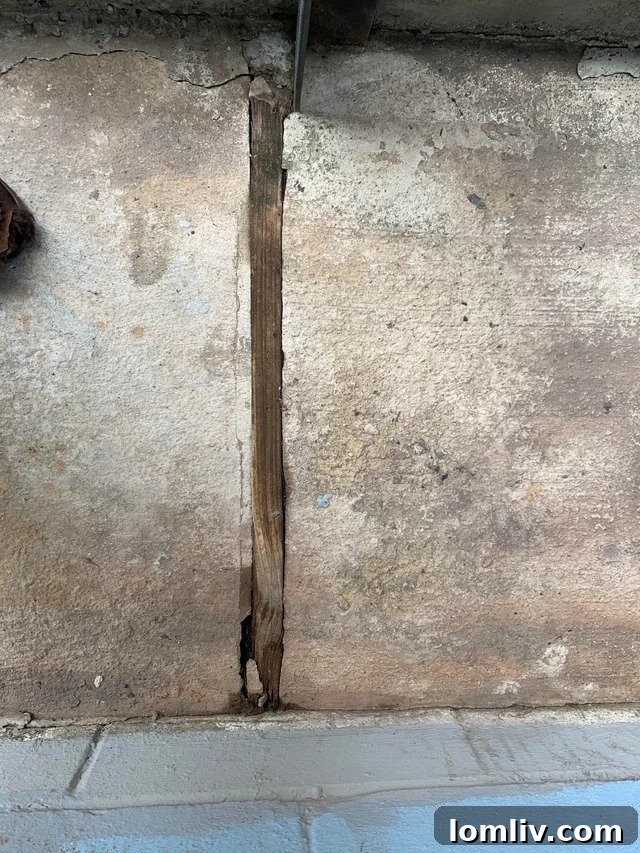
Before dealing with an existing infestation, the most effective strategy is to prevent pests from entering your home in the first place. Think of it this way: if you leave the front door wide open, you shouldn’t be surprised when uninvited guests stroll right in. This principle applies especially to wood-destroying insects like termites, whose entry is often facilitated by “conducive conditions” around your property. Inspector Brian, in the video, draws attention to one such common issue: wood expansion joints, often referred to as formboards.
These formboards are typically laid in sidewalks and driveways during construction. Unfortunately, it’s all too common for them to be left in place, creating direct wood-to-ground contact. The most problematic instances occur at the garage entry, right against the house foundation, essentially acting as an irresistible “breadcrumb trail” or a superhighway for termites straight into your home’s structural wood. This particular builder, however, demonstrated excellent practice by thoroughly filling the joint with elastomeric caulking, effectively sealing this potential entry point. Bravo for such diligent construction! This simple step can dramatically reduce the risk of infestation. Here’s an example of a formboard that has been improperly left in place, illustrating a common vulnerability:
Beyond formboards, other conducive conditions include excessive moisture around the foundation (from leaky pipes, poor drainage, or clogged gutters), wood-to-ground contact from landscaping timbers or firewood piles, and cracks in the foundation or exterior walls. Regularly inspecting and addressing these issues is a crucial preventative measure. Ensure proper ventilation in crawl spaces, trim back shrubbery and trees from your home’s exterior, and stack firewood away from the house. By eliminating these attractive conditions, you make your home a far less appealing target for wood-destroying insects.
Dealing with the Aftermath: Previous Termite Damage and Future Prevention
Discovering previous termite damage in a home can be unsettling, whether you’re buying a new property or living in your current one. So, what steps should you take if you uncover evidence of past termite activity? If you are in the process of purchasing a home with signs of prior damage, it is absolutely essential to have it thoroughly evaluated by a professional pest control company. This inspection will confirm that the infestation is indeed gone and that the property has been properly treated. Following this, it’s wise to implement an ongoing treatment and monitoring plan to prevent any recurrence, as termites are known for their persistence.
Furthermore, if you’re concerned that the damage might be extensive or compromise the structural integrity of the home, you should consult a general contractor. They can assess the extent of the damage and determine if any repairs, such as replacing damaged wood or strengthening compromised areas, are necessary. Neglecting significant termite damage can lead to safety hazards and further deterioration of the property over time.
In the specific case highlighted, where a home is set directly into the ground, it inherently presents certain conducive conditions for wood-destroying insects and provides easy access for other pests like ants. This setup creates natural vulnerabilities that homeowners must actively manage. For such properties, it becomes paramount for owners to stay consistently current with their professional pest control treatments and to ensure the property is sealed as tightly as possible. This includes meticulous sealing of cracks, gaps, and openings around the foundation, windows, and doors to minimize entry points. Regular inspections and prompt action are the best defense against recurring pest issues, safeguarding the long-term health and value of the home.
Comprehensive Winter Pest Control: Beyond Ants and Termites
While fire ants and termites pose significant year-round threats, winter ushers in a new wave of common invaders seeking refuge from the cold. A truly comprehensive seasonal pest control strategy must address a broader spectrum of these unwelcome guests. As outdoor food and water sources become scarce and temperatures plummet, pests like rodents, cockroaches, spiders, stink bugs, and boxelder bugs will actively seek warmth and sustenance inside your home.
- Rodents: Mice and rats are notorious for squeezing through tiny openings to gain entry. They can contaminate food, spread diseases, and cause significant damage by gnawing on wires and structures. Look for droppings, gnaw marks, and listen for scratching sounds in walls or attics.
- Cockroaches: These resilient insects thrive in warm, humid environments, often found in kitchens and bathrooms. They can spread bacteria and allergens. Seeing one cockroach often indicates many more are hidden.
- Spiders: Many spider species seek indoor shelter during winter. While most are harmless, their webs are unsightly, and some can deliver painful bites.
- Overwintering Pests: Stink bugs, boxelder bugs, and lady beetles often gather in large numbers on sunny exterior walls in the fall, eventually finding their way inside to overwinter. They typically emerge in spring, becoming a nuisance.
To prevent these and other winter pests, consider these essential home winterization tips:
- Seal Entry Points: Inspect your home’s exterior for any cracks, gaps, or holes in the foundation, walls, and around utility lines. Seal them with caulk or steel wool.
- Check Screens and Weatherstripping: Repair or replace damaged window and door screens. Ensure all doors and windows have adequate weatherstripping and door sweeps to block gaps.
- Eliminate Moisture Sources: Fix leaky pipes, faucets, and clogged drains. Ensure proper ventilation in bathrooms, kitchens, and crawl spaces, as moisture attracts many pests.
- Proper Food Storage: Store all food, including pet food, in airtight containers. Clean up crumbs and spills immediately. Don’t leave dirty dishes out overnight.
- Declutter: Remove unnecessary clutter in basements, attics, and garages, as these areas provide ideal hiding and nesting spots for pests.
- Inspect Deliveries: Before bringing packages, groceries, or seasonal decorations indoors, inspect them for any hitchhiking pests.
- Maintain Your Yard: Keep shrubbery and tree branches trimmed away from your house. Clear leaf litter and debris from around the foundation.
- Schedule Professional Inspections: Regular inspections by pest control professionals can identify vulnerabilities and catch infestations early, providing peace of mind throughout the colder months.
Safeguard Your Home: The Importance of Professional Pest Control & Home Inspections
By implementing proactive seasonal pest control measures and remaining vigilant, you can successfully avoid finding ants in your sugar cookies or discovering termites destroying your gingerbread houses this holiday season and beyond! Protecting your home from pests is an ongoing effort that pays dividends in comfort, safety, and property value.
For more specific guidance, professional pest removal, or if you have questions about year-round home maintenance issues, including detailed inspections for a home you are considering purchasing, the experienced inspectors at Green Scene Home Inspections are ready and equipped to help. They can provide thorough assessments, identify potential problems, and offer expert advice to keep your home secure from all kinds of unwelcome guests. Don’t let pests ruin your holidays or compromise your most valuable asset – take action today!