Lynn McBee’s Dallas Mayoral Bid: Bridging Divides from Highland Park to Downtown
A Philanthropist’s Pivot to Public Service: Lynn McBee Enters the Dallas Mayoral Race
Last Friday marked a significant and intriguing moment in Dallas politics as Lynn McBee, a prominent figure widely known for her extensive philanthropic work and her residency in Highland Park, formally declared her candidacy for Mayor of Dallas. Her entry into the race immediately captured attention, not just for her formidable professional background but also for the unique set of conversations it has ignited across the city. McBee, who currently serves as the Chief Executive Officer of the Young Women’s Preparatory Network, brings a rich and diverse professional history that includes a distinguished career as a biochemist researcher. However, it is arguably her unparalleled expertise in fundraising and her relentless dedication to a multitude of Dallas’s leading nonprofit organizations that have truly established her as a powerful force in civic life.
Her press announcement was delivered with an immediate demonstration of robust backing, highlighted by a formidable coalition of influential figures and “area heavyweights” from various sectors of Dallas society. This early and unwavering support underscores the serious nature of her mayoral campaign and vividly illustrates the breadth and depth of her network within the Dallas business and philanthropic communities. The endorsement from such high-caliber individuals sends a clear signal of confidence in her leadership capabilities and suggests that her distinctive blend of corporate acumen, scientific rigor, and profound community engagement could indeed resonate broadly with Dallas voters seeking innovative solutions for the city’s future.
A Strong Coalition of Esteemed Supporters
Lynn McBee’s launch into the Dallas mayoral race was significantly amplified by the explicit endorsement and active support of several highly respected individuals. These figures, whose diverse professional backgrounds and substantial contributions to Dallas civic and economic life speak volumes, highlight the gravitas of her campaign:
- Lucy Billingsley, CEO, Billingsley Co. and Trustee, Southwestern Medical Foundation
- Clay Cooley, CEO of Cooley Auto Group
- Lisa Cooley, Board Member, Callier Center at UT Dallas and Young Women’s Prep Network
- Lyria Howland, Founder, Howland PR, Board Chair, Friends of Barack Obama Leadership Academy and Board Member of Mayor’s Star Council
- Tom Karol, CEO of Cornerstone Automation and Former Chair, Dallas Housing Authority
- Jennifer Karol, Board Member, The Bridge Homeless Center
- Carol Levy, Board Member, KERA and Trustee, Dallas Museum of Art
- John Levy, Co-CEO of NCH Corporation and Former Chair, Dallas Zoo
- Sarah Losinger, Board Member, Salvation Army and Advisory Council, Dallas AfterSchool
- Richard Rogers, Former CEO of Mary Kay
The collective influence and proven track records of these individuals—spanning critical sectors such as real estate development, the automotive industry, public relations, technology, healthcare, and major cultural institutions—not only provide McBee with a significant fundraising advantage but also lend immense credibility to her vision for Dallas. Their endorsement suggests a widespread belief in her capacity to effectively lead the city, addressing its multifaceted challenges ranging from economic development and urban planning to social welfare and community cohesion. This powerful coalition indicates a broad base of support from key Dallas stakeholders, positioning McBee as a formidable contender in the upcoming mayoral election.
A Deep-Rooted Commitment to Dallas Through Extensive Philanthropy
Lynn McBee’s philanthropic footprint across the Dallas metropolitan area is both extensive and profoundly impactful. Her unwavering dedication to civic improvement and social betterment is powerfully demonstrated by her service on more than a dozen prominent Dallas-area boards, reflecting a broad and deep engagement with the city’s diverse needs. Her contributions span various crucial sectors: from her vital involvement with the Dallas International Film Festival, where she helps foster cultural vibrancy and artistic expression, to her pivotal role on the Family Place Foundation, an organization that provides indispensable support and refuge to victims of domestic violence. Through these and many other engagements, McBee has consistently exhibited a hands-on, proactive approach to community betterment.
Currently, she holds the esteemed position of board chair for The Bridge Homeless Shelter, an organization that stands at the very forefront of addressing one of Dallas’s most persistent and pressing social challenges: homelessness. Her leadership in such a critical role showcases her readiness to tackle complex issues directly and with empathy. Her exceptional contributions to the community have not gone unnoticed; The Dallas Morning News has frequently highlighted her extraordinary efforts, recognizing her as a “super volunteer” for her tireless dedication and profound impact. Furthermore, she is the proud recipient of the prestigious Texas Trailblazer Award, an honor bestowed by The Family Place—an organization whose critical work in supporting vulnerable families deeply resonates with, and is crucial for, countless Dallas residents.
McBee’s leadership at The Family Place was particularly transformative, where she played an instrumental role in helping the nonprofit raise an astonishing nearly $17 million in under two years. This remarkable fundraising achievement not only underscores her exceptional skills in resource mobilization and strategic development but also her profound ability to rally widespread support for causes that directly and significantly impact the lives of Dallas citizens. Her philanthropic endeavors undeniably demonstrate a heart deeply invested in the welfare and prosperity of her community, unequivocally positioning her as a candidate with a proven, tangible track record of driving positive change and achieving measurable results for Dallas.
Navigating the Residency Question: From Highland Park to Dallas’s Heart
Despite her sterling reputation, extensive community ties, and a proven history of philanthropic leadership, Lynn McBee’s mayoral bid has inevitably encountered a significant point of contention: her previous residency in Highland Park. The city charter of Dallas unequivocally mandates that all mayoral candidates must be bona fide residents of Dallas itself, a legal requirement that her former address, situated outside the city limits, did not fulfill. This legal and, more importantly, symbolic hurdle has quickly become a central talking point in the early days of her campaign, sparking widespread discussion about what it truly means to represent Dallas.
To decisively address this critical issue and demonstrate her unwavering commitment, McBee has taken a profound and tangible step: her elegant Highland Park home is now officially on the market, listed with the esteemed Anne Oliver of Allie Beth Allman. This public and significant move serves as a clear signal of her commitment to relocating permanently within Dallas city limits. Furthermore, McBee has publicly affirmed that she has been residing in a downtown Dallas apartment since August. This strategic and timely relocation is crucial for meeting the vital six-month residency requirement stipulated prior to the upcoming May 2019 election. This proactive measure is explicitly designed to assuage any concerns about her eligibility and to visibly demonstrate a profound, tangible commitment to living and engaging directly with the vibrant urban core of Dallas.
She reportedly conveyed to seasoned reporter Robert Wilonsky her genuine affection for downtown living, a sentiment that aligns her with a growing demographic of affluent individuals from areas like the Park Cities, North Dallas, or Plano who are increasingly opting for more urban, compact living spaces. This trend is a significant contributor to the demand for Dallas’s burgeoning condo market, indicating a broader shift towards embracing city life. By making this personal sacrifice and strategic move, McBee aims to bridge the geographical and perceived socio-economic gaps, illustrating her readiness to fully immerse herself in the daily realities of Dallas residents she aspires to lead.
The “Highland Park Criticisms”: Unpacking Dallas’s Socio-Economic Divides
McBee’s Highland Park background has, perhaps predictably, drawn a chorus of criticism from various segments of the community, inevitably sparking a broader and often intense debate about representation, empathy, and understanding within Dallas politics. Critics often argue that a resident of Highland Park – a separate, affluent municipality boasting its own elite school district and a distinct tax structure – might inherently lack an intimate and nuanced understanding of the unique and often profound challenges faced by the majority of Dallas residents. This argument is multi-faceted and touches upon several critical areas that define Dallas’s socio-economic landscape:
- Taxation and Fiscal Responsibility: Highland Park residents do not contribute to Dallas city or Dallas Independent School District (DISD) taxes, although they do pay Dallas County taxes. Critics contend that this significant financial disconnect creates a fundamental gap in understanding the city’s complex financial realities, particularly the impact of municipal policy decisions on the average Dallas taxpayer and the funding of vital public services.
- Public Safety and Community Well-being: Dallas continues to grapple with serious public safety concerns, including a dwindling and often low-morale police force and other public safety personnel. A perceived lack of direct, daily experience with the city’s specific public safety challenges, some argue, could potentially hinder effective and empathetic leadership in this absolutely critical area, which impacts every neighborhood.
- Urban Infrastructure and Quality of Life: Issues like pervasive potholes, crumbling roads, and decaying infrastructure are not merely inconveniences but daily realities for many Dallas neighborhoods, directly impacting residents’ quality of life and economic mobility. The argument here is that someone accustomed to the impeccably maintained infrastructure of an affluent municipality like Highland Park might struggle to fully grasp the urgency, scale, and chronic nature of these issues in broader Dallas.
- Affordable Housing and Persistent Homelessness: Dallas is in the throes of a severe affordable housing crisis, compounded by a persistent and visible homelessness crisis. Critics question whether a candidate from a background of significant privilege can truly empathize with or effectively address the systemic issues underlying these deep-seated problems without direct, lived experience or comprehensive policy insights gained from diverse perspectives.
- Racial, Cultural, and Socio-Economic Divides: Perhaps most profoundly, Dallas is often characterized by a significant and entrenched racial and cultural divide, frequently and colloquially split into “north and south, rich and poor” segments, largely delineated by the Trinity River. This division is not merely geographical but reflects profound socio-economic disparities and historical inequities. A staggering 75% of the city’s total tax revenue reportedly originates from taxpayers residing north of the Trinity, starkly highlighting this imbalance of wealth and resources. The concern is that a mayoral candidate from an affluent northern enclave might struggle to genuinely bridge this deep divide and adequately represent the diverse needs, aspirations, and challenges of all Dallas communities, particularly those in the historically underserved southern sectors.
These discussions, which have been prevalent throughout the week since McBee’s announcement, underscore a fundamental tension and an ongoing debate within Dallas: how can leaders truly represent and unite a city as geographically vast, demographically diverse, and socio-economically complex as Dallas when their own lived experiences may not align with a significant portion of its population? McBee’s strategic move to downtown Dallas and her public statements about embracing urban living are clearly designed to proactively counteract these perceptions and unequivocally demonstrate her willingness to fully immerse herself in the heart and soul of the city she seeks to lead.
Challenging Perceptions: Wealth, Empathy, and Effective Leadership
The intense discourse surrounding Lynn McBee’s Highland Park heritage raises a broader, more profound and philosophical question for Dallas politics: why is a background of affluence or residence in an elite neighboring community often perceived as a disqualifier—a “pariah”—when it comes to leading Dallas? Is this phenomenon a form of “discrimination against wealth,” or does it stem from a genuine, albeit sometimes exaggerated, concern about a potential disconnect between privileged experience and the everyday struggles of the broader populace?
It is pertinent to acknowledge that past and even present Dallas mayors have themselves resided in affluent Dallas neighborhoods, such as the prestigious Preston Hollow. For instance, former Mayor Laura Miller and current Mayor Mike Rawlings both reside in the upscale Preston Hollow area, with Mayor Rawlings specifically living in the Strait Lane vicinity. Similarly, former Mayor Tom Leppert also transitioned from his large Preston Hollow home to a zero lot line community near Northwest Highway. The author ponders whether McBee’s tangible commitment to urban living, potentially even in a prominent downtown residence like Museum Tower, could be seen in a positive light—perhaps even indirectly supporting vital city institutions like the Dallas Police Association’s pension investment, a gesture not commonly associated with every city leader. This line of thought suggests that financial capacity and strategic investment from affluent individuals, when directed towards city benefit, could be an asset rather than a liability.
The argument that McBee, simply because she did not raise her children within the Dallas Independent School District (DISD) system, is inherently incapable of comprehending the city’s complex education issues, or that her lack of personal experience with homelessness or poverty precludes her ability to empathize or lead on these fronts, appears overly reductionist and potentially unjust. Consider, for example, Regina Montoya, another highly accomplished woman deeply ingrained in Dallas civic life. Montoya, whom the author frequently observed passionately recruiting students at Ivy League college fairs after full days of demanding work, resides in a substantial 10,627 square-foot home on Lobello within Dallas, a property valued by DCAD at an impressive $4.2 million. It is a reasonable, indeed likely, assumption that her children also attended private schools. Does her affluent background automatically disqualify her from relating to the multifaceted problems Dallas faces, or from advocating effectively for all its citizens? Many would argue, and reasonably so, that it does not.
Effective leadership in a complex urban environment often stems not solely from shared personal experience, but from a potent combination of deep empathy, rigorous intellectual capacity, an unwavering commitment to understanding diverse perspectives, and the proven ability to mobilize both financial resources and human capital towards common, ambitious goals. To dismiss a candidate based purely on their residential history or socioeconomic status risks prematurely overlooking valuable skills, extensive professional networks, and, most importantly, a genuine desire to serve that can profoundly benefit the entire city. The focus, arguably, should be on a candidate’s actions, their track record of service, and their proposed solutions for Dallas’s future, rather than an arbitrary geographic or economic litmus test.
A Tangible Commitment: The Sale of a Legacy Home
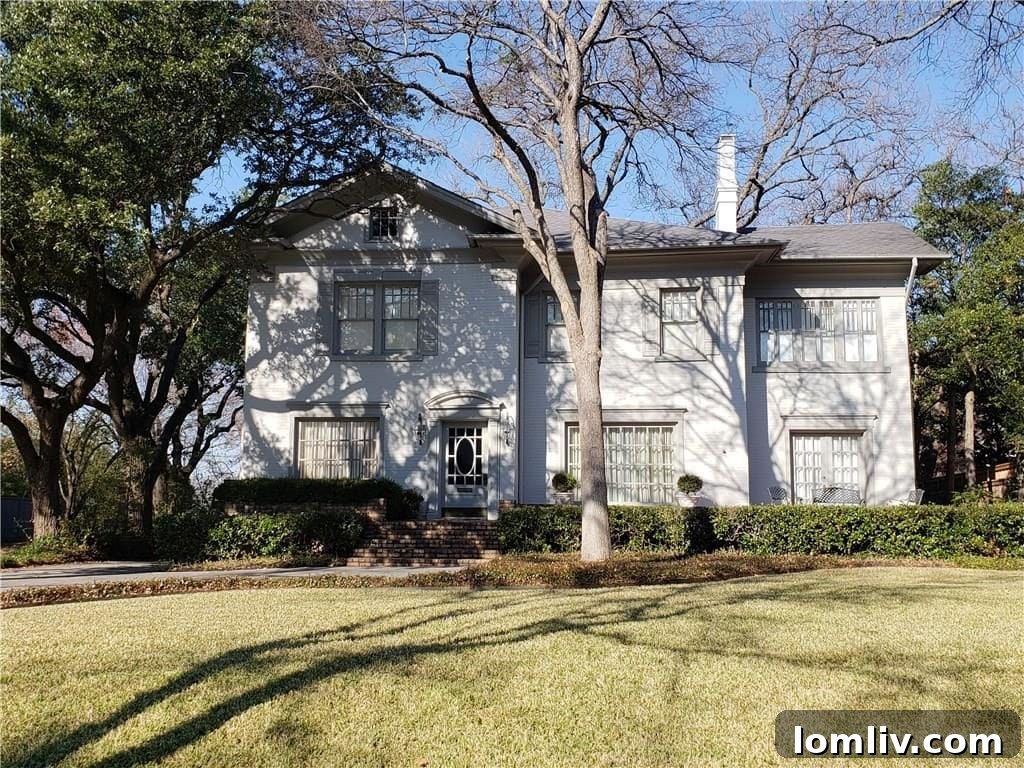
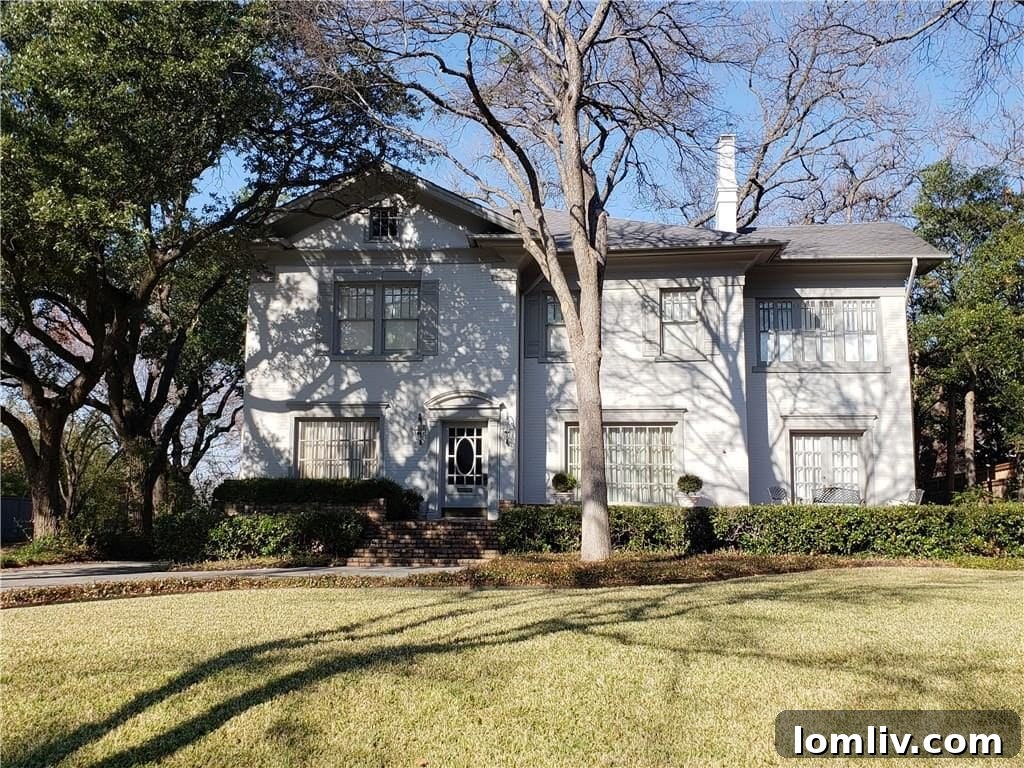
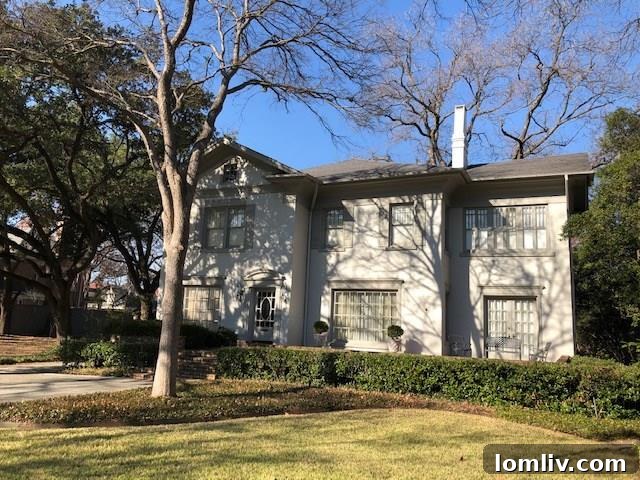
As a profound and tangible demonstration of her unwavering commitment to Dallas and her serious intent to fulfill the mayoral residency requirements, Lynn and Allen McBee’s distinguished Highland Park residence has been formally and publicly placed on the market. Listed at $4.250 million, the property’s ambitious market valuation notably exceeds its Dallas Central Appraisal District (DCAD) appraisal of approximately $2.8 million. This discrepancy, common in the high-end real estate market, often reflects meticulous preparation, strategic pricing, and the unique appeal of such a coveted property. One might reasonably speculate that the couple diligently prepared the house for its professional photo shoot, undertaking a thorough decluttering and perfecting its presentation, though knowing Lynn McBee’s renowned organizational skills and efficiency, this process likely took minimal effort and was executed with precision.
This historic home, originally constructed in 1920, offers a unique and desirable blend of classic architectural charm and modern, comfortable living. Spanning a generous 3,876 square feet, it features four spacious bedrooms, three and a half well-appointed baths, and the rare and highly coveted amenity of a full basement—a significant bonus in North Texas where such features are uncommon. Situated on approximately one-third of an acre, the property boasts an enviable and prestigious location, nestled close to both the esteemed Dallas Country Club and the scenic Lakeside Drive, placing it squarely within one of the region’s most sought-after and exclusive neighborhoods. The interiors of the residence are reportedly infused with undeniable charm and elegance, promising potential buyers an exquisitely comfortable and refined lifestyle. The decision to sell such a significant personal asset underscores the gravity and sincerity of McBee’s decision to run for Dallas Mayor, signaling her profound readiness to embrace a new chapter fully within the vibrant city she seeks to lead and serve.
Looking Ahead: The Future of Dallas Leadership
In the coming weeks and months, a closer and more detailed examination of the various Dallas mayoral candidates and their respective backgrounds, including the significant question of their residences, will undoubtedly offer further invaluable insights into their qualifications, perspectives, and ultimately, their suitability for leading this dynamic city. Understanding where and how prospective leaders choose to live can provide valuable contextual clues, potentially revealing their daily realities, their immediate priorities, and even their unconscious blind spots. This rigorous scrutiny is not merely for the sake of public curiosity, but is absolutely essential for a deeper, more nuanced understanding of who is truly best equipped to tackle Dallas’s pressing, multifaceted issues and guide its future trajectory.
For instance, a casual but observant glance at the exterior of Dallas City Hall itself can reveal a need for major improvements, perhaps starting with something as fundamental as a thorough steam-cleaning. This seemingly minor detail can serve as a powerful metaphor and symbol for a broader, more profound need for renewal, meticulous attention to detail, and a commitment to excellence within the very core of city governance. Much like the figurative “horseshoe” of power and influence often needs cleaning and ethical alignment, so too does the physical and metaphorical infrastructure of our beloved city. The author expresses profound and sincere gratitude to all the admirable women and men, such as Lynn McBee, who possess the courage and conviction to step up to the immense and often thankless challenge of civic leadership, dedicating their valuable time, tireless energy, and significant resources to the formidable task of making Dallas an even better place to live, work, and thrive. The upcoming mayoral election is undeniably a pivotal moment for Dallas, and the caliber of its candidates, their diverse experiences, their demonstrated commitment to public service, and their vision will collectively shape the city’s trajectory for many years to come. The spirited discourse surrounding Lynn McBee’s candidacy, challenging and thought-provoking as it may be, ultimately serves to enrich the crucial conversation about what truly constitutes effective, empathetic, and visionary leadership for a complex, evolving, and ambitious metropolitan center like Dallas.