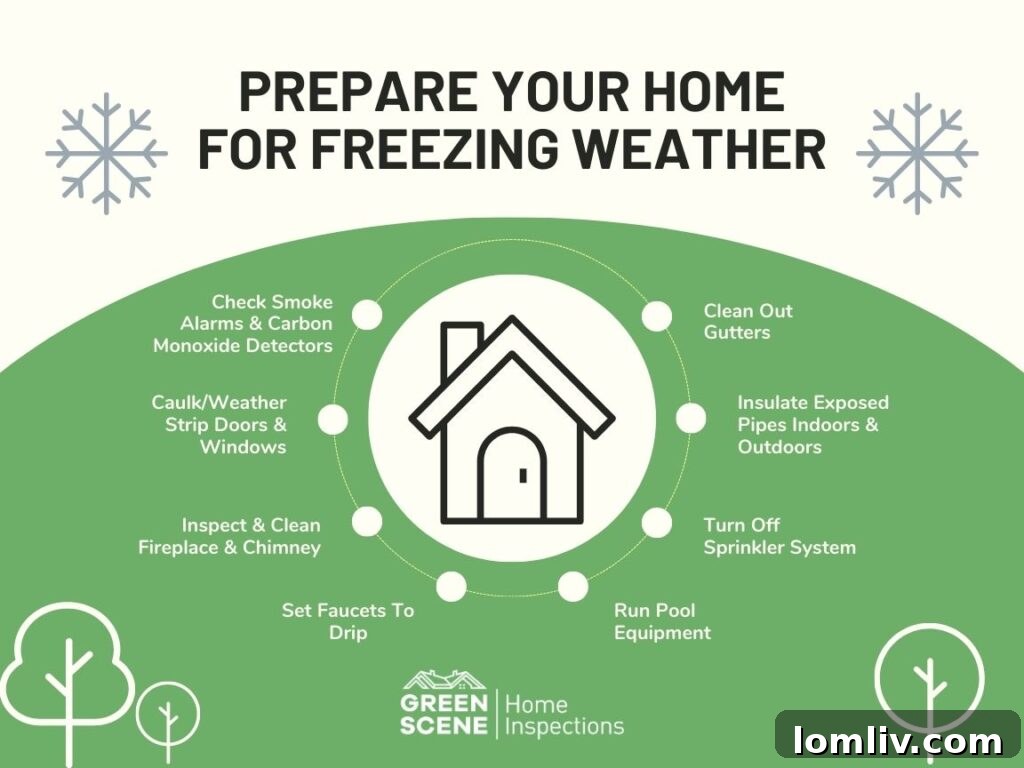
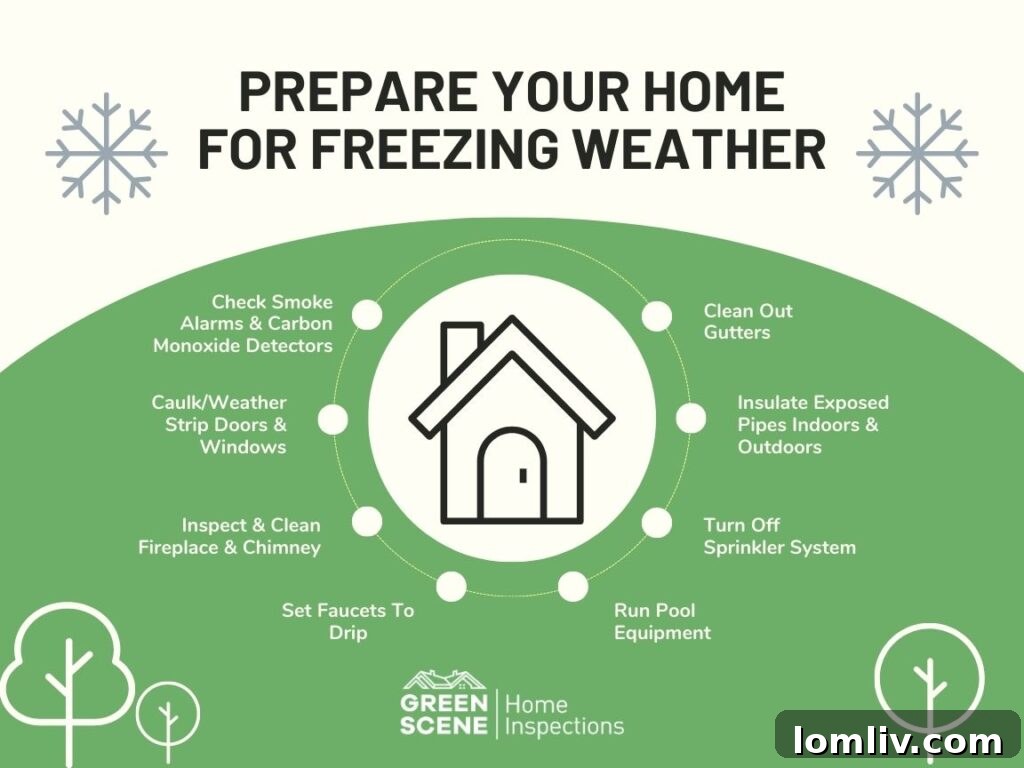
Comprehensive Guide to Protecting Your Home from Freezing Weather
As the chill descends and winter weather forecasts predict a significant drop in temperatures, particularly below freezing through the holiday season, it’s crucial for homeowners to take proactive steps. While no one dreams of a “blue Christmas” due to burst pipes or power outages, bracing for severe cold is a reality in many regions, including North Texas, where Thursday and Friday are expected to be especially harsh. Even without the threat of snow or ice, sustained below-freezing temperatures can pose a severe risk to your property, potentially leading to costly damage and significant inconvenience.
Preparing your home for winter is not just about staying warm; it’s about safeguarding your most valuable asset from the destructive power of freezing water and extreme cold. Ignoring these preparations can result in frozen pipes, structural damage, and even safety hazards like carbon monoxide poisoning during power outages. This comprehensive guide, brought to you by the experts at Green Scene Home Inspections, offers essential tips to winterize your home, ensuring it remains safe, warm, and protected throughout the cold snap. From crucial indoor adjustments to vital outdoor precautions, we’ll walk you through everything you need to know to prevent common winter woes.
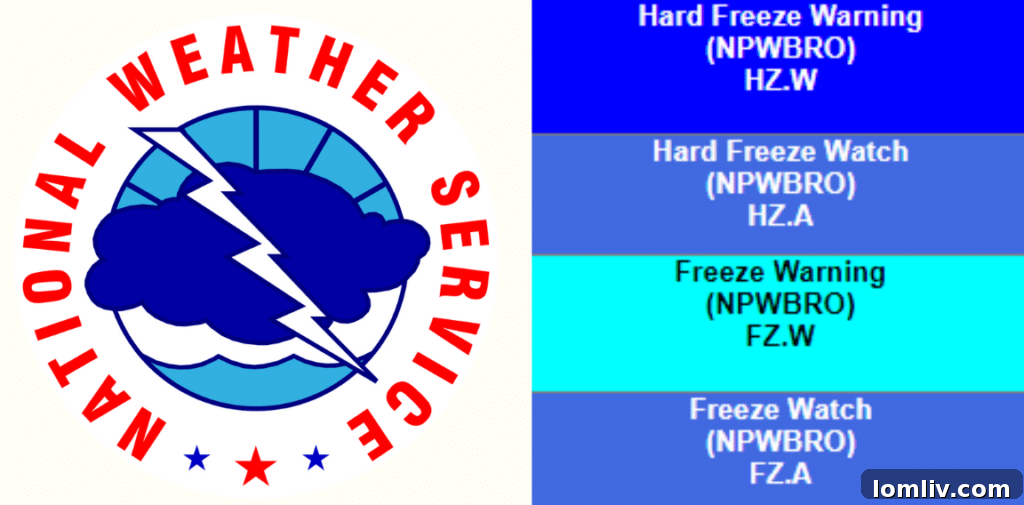
Inside Your House: Essential Winter Protection Strategies
Your home’s interior is a complex network of plumbing, heating, and structural elements that are vulnerable to extreme cold. Taking the right precautions indoors can prevent burst pipes, maintain warmth, and ensure the safety of your family. Here’s how to secure your indoor environment against freezing temperatures.
-
Set Faucets to Drip
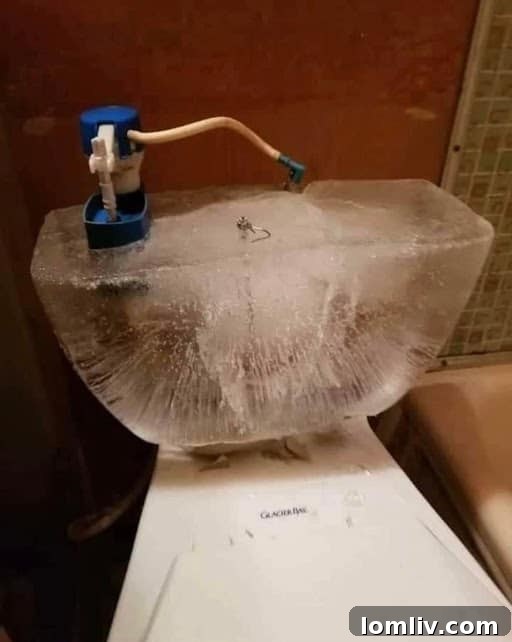
While often questioned, letting your faucets drip is a crucial step for preventing frozen and burst pipes, especially those running through unconditioned spaces like crawl spaces, attics, or exterior walls. The science behind it is simple: continuous movement of water, even a slow drip, helps relieve pressure build-up within the pipes. When water freezes, it expands, creating immense pressure. A constant drip prevents this pressure from accumulating to dangerous levels, thereby significantly reducing the risk of a pipe bursting. Focus on faucets that draw from exterior walls or known vulnerable areas. A pencil-thin stream is generally sufficient to keep water moving without excessive waste. This simple action can save you thousands in repair costs and headaches.
-
Wrap Exposed Pipes
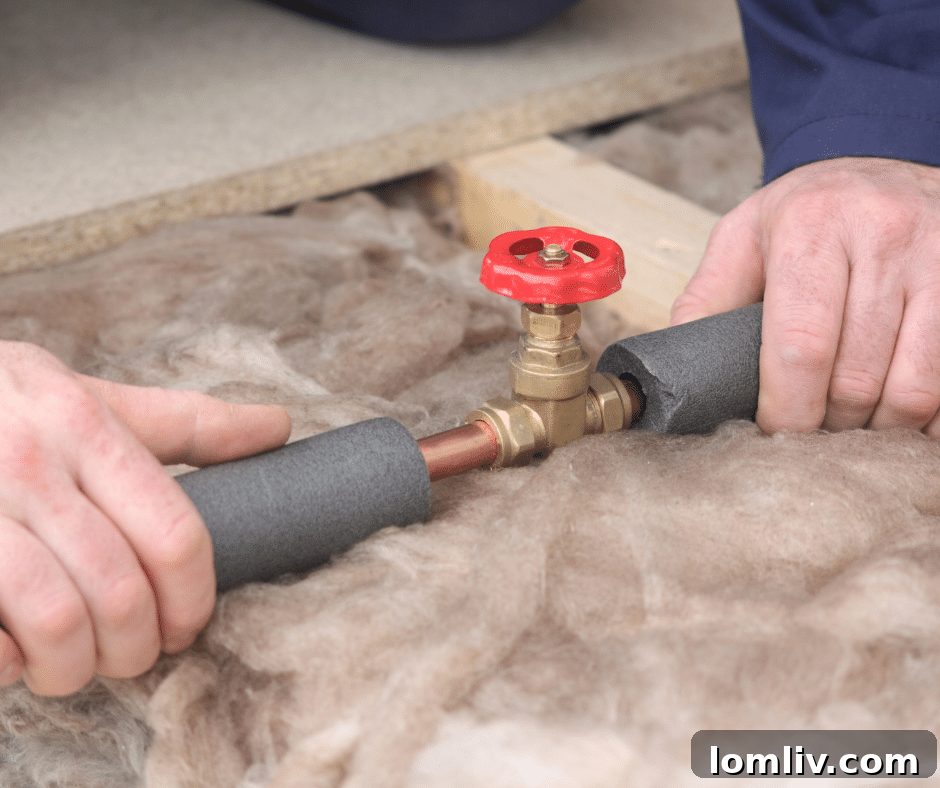
Beyond dripping faucets, physical insulation offers another layer of protection. Begin by opening cabinet doors under all sinks, particularly those on exterior walls, to allow warmer indoor air to circulate around the pipes. For pipes located in unheated areas like basements, attics, or crawl spaces that are accessible, it’s essential to wrap them with appropriate insulation. Foam pipe insulation sleeves, readily available at hardware stores, are easy to install and highly effective. For a quick, temporary solution, you can use old towels, blankets, or even newspaper wrapped securely with duct tape. Consider heat tape for areas where passive insulation might not be enough, but always follow manufacturer instructions for safe application. Remember, the goal is to trap heat around the pipes and prevent the water inside from reaching freezing temperatures.
-
Inspect and Clean Your Fireplace
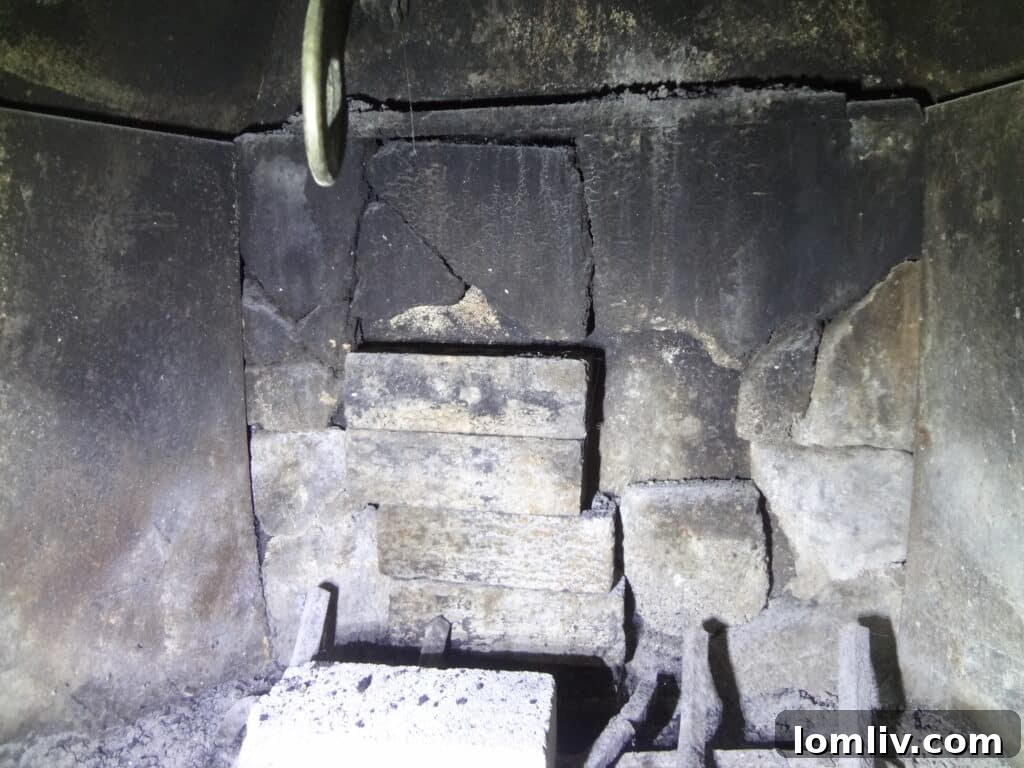
If you have a wood-burning fireplace, it’s not just a cozy amenity; it can be a vital heat source during a power outage. Before lighting any fires, ensure your chimney has been professionally inspected and cleaned to remove creosote buildup, which is a major fire hazard. Check that the flue opens and closes properly and that there are no obstructions. Clear out any excess ash and debris from the firebox. Stock up on plenty of dry, seasoned wood, storing it in a dry, accessible location. If you have a gas-burning fireplace, it is critical to understand that these are designed for specific fuel types and often cannot safely burn wood without significant, professional modifications. Attempting to burn wood in a gas fireplace can lead to dangerous carbon monoxide buildup and structural damage. Always consult a professional before considering such alterations.
-
Caulk and Weather Strip Doors and Windows
Drafts are not just uncomfortable; they are cold air leaking into your home, forcing your heating system to work harder and wasting energy. Take the time during the impending cold snap to identify and seal these leaks. Common culprits include gaps around window frames, door frames, and even electrical outlets on exterior walls. Simple solutions like caulk for stationary gaps and weather stripping for movable components (like the edges of windows and doors) can make a significant difference. There are various types of weather stripping available, from adhesive foam to rubber seals, suitable for different applications. This project is not only an excellent way to prepare for the immediate freeze but also a smart investment in year-round energy efficiency and comfort. As the saying goes, “We’re not paying to heat the whole neighborhood!”
-
Check Smoke Alarms and Carbon Monoxide Detectors
Winter storms and power outages often lead to increased risks of carbon monoxide (CO) poisoning and house fires. During past severe weather events, emergency rooms have seen tragic cases of CO poisoning from homeowners using outdoor generators or propane heaters indoors to stay warm. These devices produce deadly, odorless carbon monoxide and should NEVER be operated inside your home or garage. Ensure all your smoke alarms and carbon monoxide detectors are functioning correctly by testing them regularly and replacing batteries as needed. Ideally, have a CO detector on every level of your home, especially near sleeping areas. These devices are your first line of defense against invisible dangers and are absolutely non-negotiable for winter safety.
-
Gather Emergency Supplies
Being prepared for potential power outages or being housebound due to extreme weather is crucial. Assemble an emergency kit now, well before the cold hits. Your kit should include essential items such as extra batteries for flashlights and radios, working flashlights, candles and matches (use with extreme caution), a fully stocked first-aid kit, and plenty of blankets or sleeping bags to stay warm. Non-perishable food and bottled water are also vital. If you own a generator, ensure it is in good working order, has fresh fuel, and understand how to operate it safely outdoors, far away from windows and doors, to prevent carbon monoxide poisoning. Having these supplies readily available will provide peace of mind and significantly improve your comfort and safety during any winter emergency.
Outside Your House: Protecting Your Property’s Exterior
The exterior of your home, including your landscaping and various utility systems, also demands attention before a deep freeze. Overlooking these areas can lead to costly damages, from ruined sprinkler systems to structural problems caused by ice buildup.
-
Turn Off Your Sprinkler System
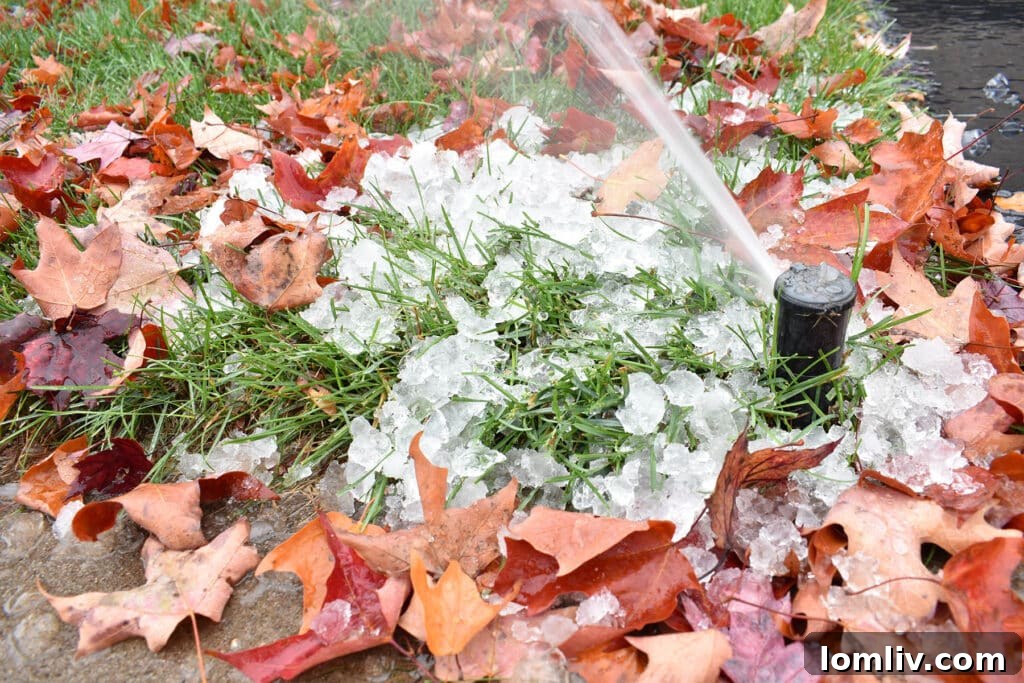
One of the most frequently overlooked winter preparations is shutting down and properly winterizing your irrigation system. Forgetting this step can lead to ruptured pipes, damaged sprinkler heads, and frozen sidewalks or driveways, creating dangerous icy patches. Start by locating your sprinkler system’s main shut-off valve and turning it to the “off” position. If your system has a drain or a “blow-out” valve, open it to allow any standing water to drain from the lines. Ideally, if you have an air compressor, you can professionaly “blow out” the lines to ensure they are completely empty. This prevents water from freezing and expanding within the pipes, which causes them to burst. Take this critical step today to protect your investment and avoid unnecessary hazards.
-
Detach Garden Hoses and Insulate Outdoor Faucets
Any garden hoses left attached to outdoor spigots can trap water in the faucet and the hose itself, leading to freezing and potential pipe bursts inside your home. Always detach hoses and drain them thoroughly, storing them away for the winter. Once hoses are detached, turn off the water supply to your outdoor spigots from an interior shut-off valve if available. Then, protect the outdoor faucets themselves with insulated covers. You can purchase specific outdoor faucet covers at any hardware store – these are typically foam or styrofoam and fit snugly over the spigot. As a makeshift solution in a pinch, you can fashion a cover by stuffing a plastic bag with rags, cloth, or newspaper and securing it tightly around the faucet with duct tape. This simple insulation prevents the cold from penetrating the faucet and potentially freezing the pipe behind it.
-
Clean Out Gutters
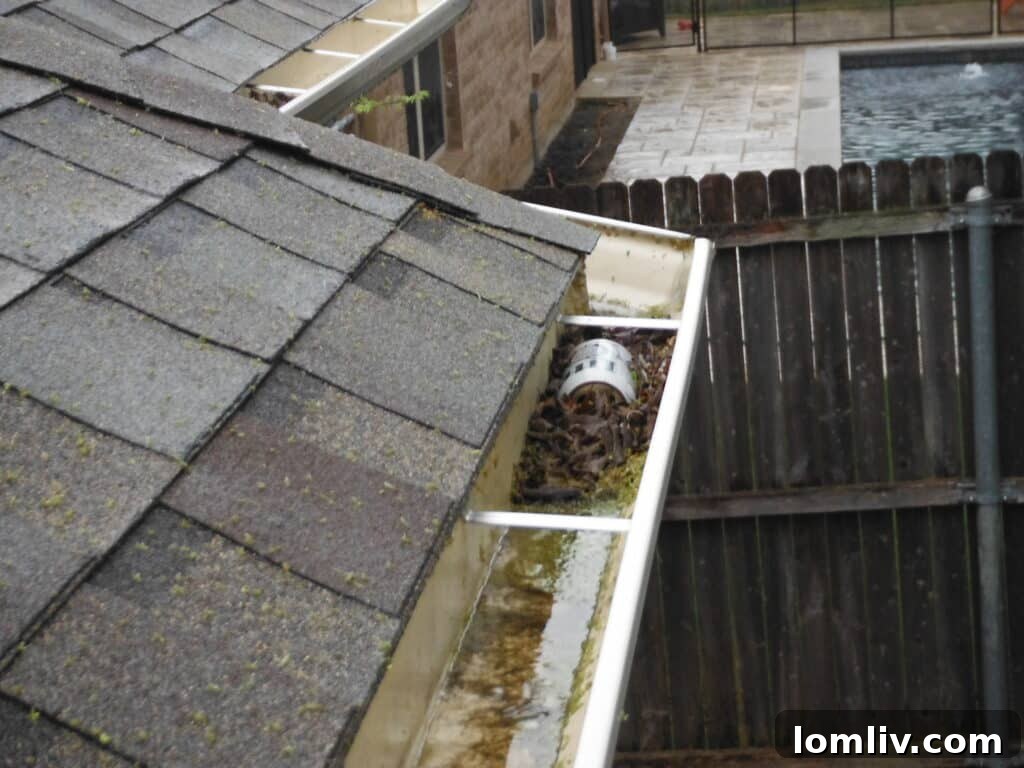
If you haven’t already incorporated gutter cleaning into your seasonal home maintenance routine, now is the time. Clogged gutters filled with leaves, twigs, and other debris prevent proper water drainage. When temperatures drop, any trapped water will freeze, expand, and turn into heavy ice. This added weight can pull gutters away from your house, damage fascia boards, and lead to more serious problems like ice dams on your roof. Ice dams can force melting snow and water underneath your shingles, causing leaks, attic damage, and even structural issues. Furthermore, clogged gutters can direct water to your home’s foundation, leading to cracks and basement flooding. A thorough cleaning ensures water can flow freely, mitigating these risks and protecting your home’s exterior and foundation.
-
Turn Your Pool Equipment On
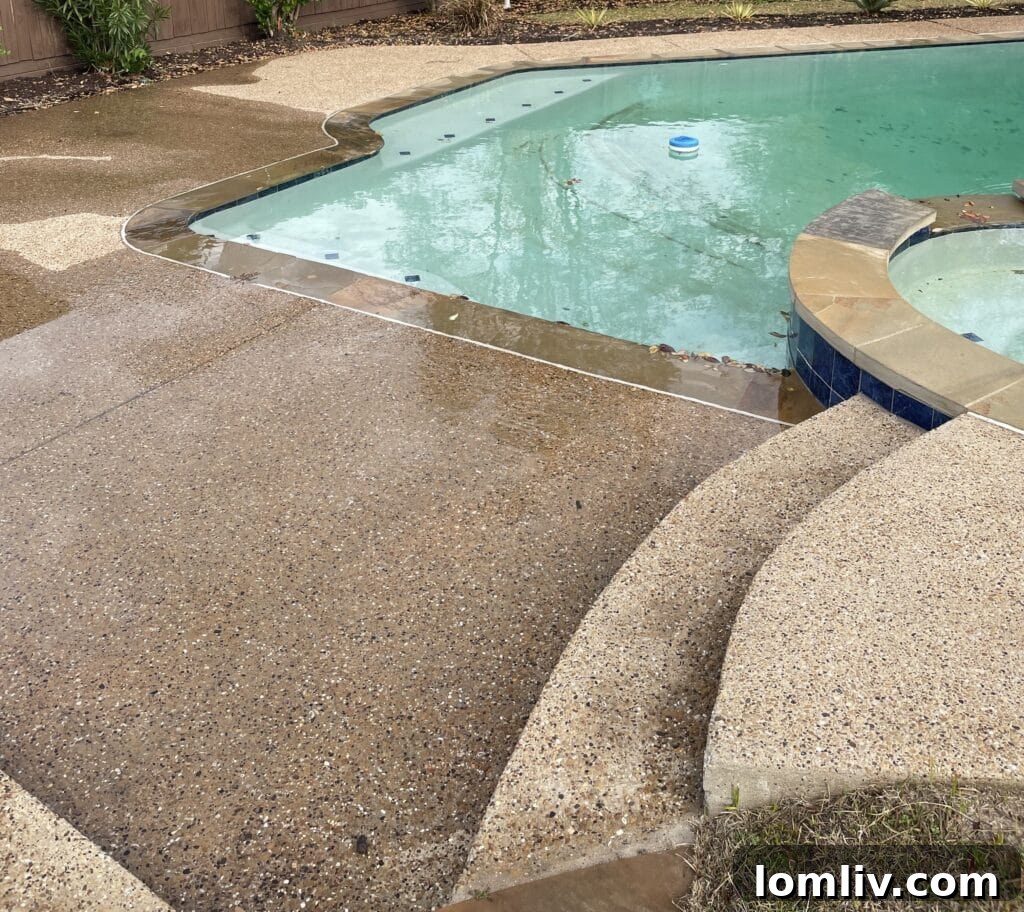
Contrary to what some might think, when temperatures drop below freezing, you absolutely need to keep your pool equipment running. The key is to keep the water moving continuously. Stagnant water in pool pipes, pumps, and filters will freeze and expand, causing costly damage to your entire system. Ensure your pool pump is running 24/7 during a freeze, and check that the water level is sufficiently high to prevent the skimmer from sucking air, which can damage the pump. Don’t make the mistake of leaving hoses on to fill the pool, as depicted in images of flooded, frozen backyards; maintain the water level carefully. Continuous circulation prevents the formation of ice, safeguarding your pumps, heaters, and filtration system from severe damage. Consult your pool professional for specific winterizing advice if you plan to shut down the pool for the season, but for short cold snaps, keeping it running is the best defense.
-
Know Your Emergency Water Shut-Off and How to Use It
This is perhaps one of the most critical pieces of knowledge for any homeowner. After a severe freeze, frozen pipes can burst as temperatures begin to rise and the ice thaws. If a pipe bursts, you’ll want to shut off your home’s main water supply as quickly as possible to prevent extensive water damage. Familiarize yourself with the location of your main water shut-off valve, which is typically found either near your water meter at the street or where the main water line enters your house (often in the basement, crawl space, or utility closet). Ensure you have the necessary tool, such as a water meter key or crescent wrench, readily available. Practice turning it off and on so you’re not fumbling during an emergency. Knowing this vital skill can save you from catastrophic water damage and significant repair expenses.
Here, Clayton Bailey from Green Scene Home Inspections demonstrates precisely how to shut off your water supply directly from the street:
Our valued partners at the Dallas Builder’s Association also provide an excellent video guide. This resource will help you locate the main water shut-off valve on the exterior of your house and offers crucial advice on managing a frozen tankless water heater, providing comprehensive solutions for common winter plumbing challenges.
While preparing for freezing weather can seem daunting, especially with limited time, proactive steps are your best defense against potential damage. Remember, a little preparation now can prevent significant headaches and expenses later. By following these comprehensive guidelines for both the interior and exterior of your home, you’ll be well-equipped to face the coldest temperatures with confidence. Stay vigilant, stay safe, and most importantly, stay warm throughout the winter season!