By Jon Anderson
Special Contributor
The Indisputable Utility: Why High-Speed Internet is the New Electricity for Modern Living
In our increasingly interconnected world, the debate surrounding internet access as a fundamental utility, akin to water or electricity, has gained significant traction. This core concept forms the very foundation of “Net Neutrality,” a principle recently affirmed by the FCC, designed to safeguard the open and equitable nature of the internet. For too long, the idea of internet service providers (ISPs) operating without utility-like regulations has raised concerns about practices that could potentially hinder consumer access and stifle innovation. The essence of Net Neutrality is both simple and profound: the internet, as we know it, should remain an open highway, free from interference, paid prioritization, or throttling, ensuring that every website, every service, and every piece of content is delivered with equal speed and priority. Think of it like the electricity powering your home; you wouldn’t expect to pay more to run your refrigerator than your hair dryer, simply because one consumes more power or is deemed “less essential” by your power company. The internet should function with the same inherent fairness and accessibility for all users.
Despite the clear public interest in treating internet access as an essential service, global telecommunications companies have consistently pushed back against this classification. They often employ carefully crafted public relations narratives to deny their utility status, yet, as many observers and industry insiders can attest, even these companies often struggle to genuinely believe their own rhetoric. The underlying motivation is frequently financial: a desire to “skim more off the top” rather than simply providing a reliable, unhindered “pipeline.” When reports surface of internet service providers generating profit margins upwards of 97 percent, it becomes evident that their reluctance to be regulated like other essential utilities stems not from a lack of profitability, but from an insatiable appetite for even greater returns, potentially at the expense of consumer choice, innovation, and overall internet freedom.
So, what does this pivotal discussion have to do with the world of real estate? The answer is increasingly clear and profoundly impactful. Just as modern homes are expected to come equipped with basic amenities like running water, reliable electricity, and functioning heating and cooling systems, there is a rapidly growing expectation for ubiquitous, high-quality internet access. This isn’t merely a luxury anymore; it’s a fundamental requirement for contemporary living, remote work, online education, entertainment, smart home functionality, and even telehealth services. Not so long ago, prospective homebuyers might have evaluated properties based on their proximity to an AT&T/SBC central office, knowing that a shorter distance translated to faster DSL speeds. Today, the criteria are far more sophisticated and demanding, reflecting the central, indispensable role the internet plays in virtually every aspect of our daily lives.
Indeed, I firmly believe we are rapidly approaching a time where antiquated communications wiring within buildings will be viewed with the same disdain as historical “knob-and-tube” electrical wiring – a relic of a bygone era, posing severe limitations and potential hazards in a modern context. Forward-thinking homebuyers, particularly in technology-centric hubs like Silicon Valley, Austin, London, and other innovation hotspots, are already keenly aware of this shift. They are not only inquiring about internet speeds and connectivity infrastructure in real estate listings but are also actively factoring the costs and complexities of comprehensive rewiring into their renovation budgets and plans. A property boasting cutting-edge wiring and blazing-fast internet speeds will undoubtedly hold a distinct competitive advantage in today’s market, appealing directly to a tech-savvy generation that demands seamless, reliable, and high-performance connectivity from the moment they move in.
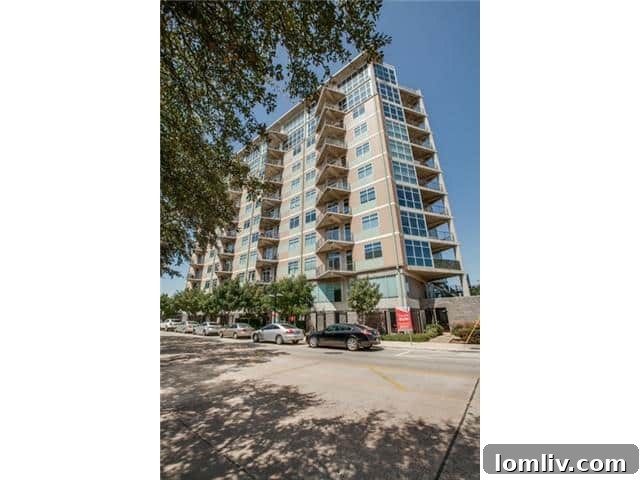
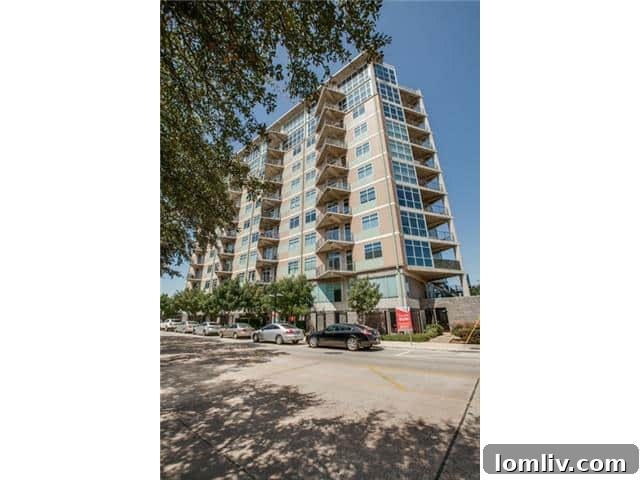
This evolving reality presents a unique and critical opportunity for high-rises, multi-unit dwellings, and homeowners’ associations (HOAs). These collective living spaces can either embrace this new paradigm, leveraging advanced internet access as a premium amenity that attracts and retains residents, or they can deny it, risking obsolescence, resident dissatisfaction, and ultimately, diminished property values. By proactively negotiating bulk service agreements with internet providers, multi-unit buildings can secure significantly better prices and speeds for their residents, transforming a potential source of frustration into a powerful selling point. Such agreements not only provide cost savings but also ensure a consistent, high-quality experience across all units. The following examples illustrate a spectrum of approaches buildings are taking to address this increasingly vital issue, highlighting the stark contrast between visionary planning and regrettable inertia.
Understanding the Internet Infrastructure: Speed, Wiring, and Unlocking Savings
To fully grasp the magnitude of this opportunity, it’s essential to delve into the practicalities of internet provision, particularly concerning bulk agreements and internal infrastructure. As previously highlighted in earlier discussions, a local internet provider in Dallas offered a high-rise a remarkable deal: 15Mbps (megabits per second) service per unit for a mere $20-22 per month, inclusive of all taxes, fees, and modem rental. What’s even more compelling is the provider’s intention to soon upgrade this “standard” speed to an impressive 50Mbps for the exact same cost. Contrast this with an individual consumer purchasing a similar package, which could range from approximately $58 per month from one major provider to $73 from another. The substantial savings realized through a bulk agreement are undeniable, offering residents premium service at a fraction of the retail price and enhancing the overall value proposition of living in such a building.
However, securing a great bulk deal is only half the battle; the other crucial factor in maximizing internet speed and reliability lies within the building’s internal wiring infrastructure. Much like the early days of electricity, where transmission infrastructure was constantly being refined, internet technology is in a perpetual state of improvement. While users have limited control over the “pipes” that bring internet to their building’s doorstep – from the provider’s distribution hub to the external connection point – they absolutely can control the quality of the wiring inside their individual units and common areas. Outdated or insufficient internal wiring acts as a severe bottleneck, throttling the high speeds advertised by providers today, let alone the even faster speeds promised for tomorrow. Investing in robust, future-proof internal wiring is paramount to ensuring optimal performance and long-term satisfaction for all residents in any multi-unit dwelling.
Consider the significant evolution of network cabling standards: “Category 3” wiring, once common, supported a meager 10Mbps, which is utterly insufficient for today’s demands. The widely adopted Category 5 cable significantly improved this, boosting speeds to 100-1,000Mbps. For truly future-ready connectivity, Category 6 wiring (and its enhanced variant, Cat 6a) delivers 1,000+ Mbps, commonly known as Gigabit speeds, and offers better performance in noisy environments. While a resident might think “Cat 5” is sufficient for current internet usage, this perspective often overlooks the rapidly increasing demands on home networks. What if high-definition television signals are being streamed through the same wire? What if multiple residents in a unit are simultaneously video conferencing, engaging in online gaming, and streaming multiple 4K content streams? The advent of 4K and even 8K television transmissions, combined with an explosion of smart home devices, virtual reality applications, and the pervasive necessity of remote work, means that bandwidth requirements are skyrocketing. Therefore, it is always prudent to aim for the best available technology, such as Category 6, Cat 6a, or even fiber-optic to the unit (FTTU), as this investment will provide the longest usable life and superior performance in an ever-evolving digital landscape, preventing costly re-upgrades in the near future.
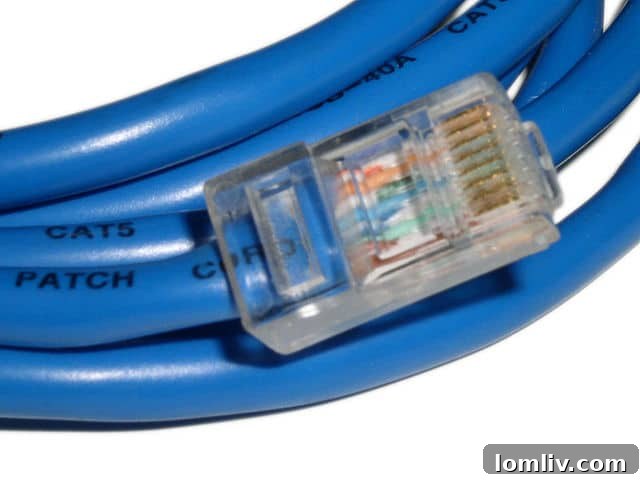
A significant challenge inherent in many multi-unit buildings, particularly high-rises, is that the critical infrastructure wiring is typically controlled and often owned by the Homeowners Association (HOA). This means that individual residents, no matter how tech-savvy or frustrated by slow speeds, are at the mercy of the HOA’s decision-making process and timeline for any wiring upgrades. The “indolence” or lack of foresight from an HOA can completely impair a building’s collective internet speed, creating immense frustration and significantly diminishing the quality of life for residents. This situation becomes even more exasperating when considering the surprisingly reasonable costs associated with such crucial upgrades. For instance, one Dallas provider offered a comprehensive rewiring quote of just $150 per unit, a minimal investment when weighed against the profound benefits of drastically improved connectivity, increased property value, and significantly enhanced resident satisfaction and retention. Waiting to upgrade not only harms current residents but also deters potential new buyers or renters who prioritize digital readiness.
The following case studies illustrate diverse approaches and mindsets concerning the provision and perception of internet access within various high-rise communities, highlighting the stark contrast between progressive action and detrimental inaction. These examples serve as valuable lessons for any HOA or property management grappling with the future of connectivity.
Case Studies: Varying Approaches to Internet Connectivity in High-Rises
Building One: Mired in the Past – The Cost of Delusion
When the critical issue of universal high-speed internet access and necessary internal rewiring was presented to the board of Building One, the response was unfortunately predictable: defensiveness, coupled with a barrage of half-truths and outright misinformation. Their primary objective appeared to be justifying a previous year’s decision to do nothing regarding wiring upgrades and to actively avoid any serious research into the potential savings and clear resident interest. The building manager, for example, argued that the costs didn’t “make sense” because “only X percent” of residents used Provider A, and then, without any resident survey or inquiry, simply assumed that no one using Provider B would be willing to switch providers to dramatically slash their monthly bills. This speaks to a profound disconnect from actual resident needs and a flawed, assumptive approach to property management, ignoring tangible financial benefits for residents.
Adding to this resistance, the HOA president, seemingly still waiting for a futuristic flying car, dismissed the need for rewiring entirely, confidently asserting that completely wireless TV, internet, and phone services would soon render physical cables obsolete. As someone whose professional career for the past two decades has been dedicated to researching and studying communications technologies, I can unequivocally state that such comprehensive, cost-effective wireless infrastructure for mass adoption is, at best, a decade away, and more likely double that timeframe. This kind of uninformed optimism, masquerading as technological insight, actively harms residents by delaying necessary improvements. Further reinforcing this resistance, the former HOA president proudly trotted out the fact that the “telecom committee” was led by a retired ENGINEER. This is the same individual frequently paraded as an expert on everything from air conditioners and plumbing to, now, complex communications technologies. This approach is akin to consulting a general practitioner for brain surgery or asking a mechanic for a professional haircut – an engineering degree, while valuable, does not confer expertise across all technical domains. Yet, tragically, this “gray-brigade” mentality often prevails, leading to stagnation and a failure to adapt to modern necessities. The clear message to owners in Building One was that they would continue to endure last-century wiring and equally outdated thinking, putting them at a significant competitive disadvantage in the real estate market and causing ongoing frustration for residents.
Building Two: Pioneering Forward – Thinking Outside the Box
In stark contrast to the inertia of Building One, Building Two, despite being a relatively modern 11-year-old structure, demonstrated remarkable foresight and agility. In late 2013, they proactively signed an agreement with Utah-based Connected Lyfe to install state-of-the-art internet and telephony infrastructure throughout the building. This forward-thinking move meant that Lyfe became the provider of high-speed internet and telephone services for all 113 units. Beyond basic connectivity, the agreement with Lyfe included additional subscription services for residents, such as cloud data backup and seamless wireless access in all common areas – an amenity that significantly enhances the resident experience and adds tangible value. While Connected Lyfe has since faced corporate challenges, Building Two’s decision remains highly commendable. Their unconventional approach to bypass major providers and partner with a smaller, more flexible company willing to offer tailored add-ons highlights a profound commitment to resident satisfaction and a willingness to innovate beyond traditional offerings. This forward-thinking strategy set a benchmark for other buildings looking to enhance their digital infrastructure, proving that even relatively new buildings can benefit from proactive upgrades.
Building Three: Diligent Exploration – A Path Towards Modernization
Building Three, characterized by a unique demographic with a significant proportion of part-time second-home owners (only 51 percent permanent residents), nonetheless understood the growing importance of advanced connectivity for all its occupants. After being presented with comprehensive information on the benefits and feasibility of integrating building-wide internet as part of their existing bulk cable contract, this building promptly commenced its due diligence. Their management team is actively in the process of soliciting and evaluating quotes from both Provider A and Provider B, meticulously examining the cost-effectiveness, service levels, and technological capabilities of each option. This pragmatic and thorough approach indicates a genuine commitment to exploring viable solutions for their residents, rather than dismissing the idea outright. As the owner of the management company wisely concluded, “I think the day is coming when buildings will be including internet in the standard utilities.” This statement encapsulates the growing consensus among informed property managers and developers: internet access is rapidly transitioning from a desirable amenity to an indispensable, expected utility, and proactive exploration is key.
Building Four: Foundational Focus – The Importance of Wiring
One of Dallas’s venerable original high-rises is embarking on a crucial foundational upgrade: exploring the comprehensive modernization of its internal wiring infrastructure. The primary objective is to ensure that the building can seamlessly support and deliver high-speed internet as a core offering to its residents. While this building had not initially considered the strategic advantages of bulk internet access, their current focus on upgrading the physical wiring demonstrates a fundamental understanding that robust, up-to-date infrastructure is the bedrock of future connectivity. This proactive investment in wiring will position them favorably to explore bulk internet agreements in the future, once the foundational elements are firmly in place. Their journey underscores the fundamental truth that even the most advanced internet services are only as good as the wires that carry them, emphasizing the importance of getting the basics right first to enable future innovations.
Buildings Five, Six…: Incremental Progress – Guest Access as a Starting Point
Several other buildings, while not yet fully embracing bulk internet for all residents, are taking incremental steps towards enhanced connectivity. These buildings currently offer complimentary guest Wi-Fi access in their public and common spaces. This includes lobbies, swimming pool areas, gyms, and meeting rooms, providing a convenient service for visitors and residents utilizing shared amenities. While this is a positive step, acknowledging the need for connectivity in communal areas, it falls short of integrating discounted, high-speed internet into residents’ HOA fees for private use within their units. This approach, while offering a basic level of connectivity in specific areas, doesn’t address the growing demand for ubiquitous, high-performance internet within individual units, nor does it fully capitalize on the significant cost savings available through comprehensive bulk agreements. It represents a partial acknowledgment of the digital age, but not a full commitment to future-proofing resident experience and optimizing property value. It’s a start, but not the complete solution.
The Future is Now: High-Speed Internet as a Prerequisite for Modern High-Rise Living
The examples above vividly illustrate the broad spectrum of attitudes and actions concerning internet as an essential utility within high-rise communities. My prediction is clear and unwavering: high-quality, high-speed internet access will very soon cease to be merely an amenity and will transform into a pivotal selling point, if not a fundamental prerequisite, for high-rises in competitive urban markets. As an increasing proportion of residents’ lives revolves around the internet – from remote work and online education to telehealth services, smart home management, and extensive streaming entertainment – the demand for seamless, reliable, and fast connectivity will only intensify. Younger generations, in particular, are actively “cutting the cord” on traditional cable TV in favor of diverse online streaming services, making robust internet infrastructure more important than ever before for both daily life and leisure.
Just as the transition from gas lighting to electric illumination fundamentally reshaped urban living and property expectations, so too will advanced internet access become the absolute “ante to the game” of amenities in high-rise developments. Buildings that lag in this crucial area will find themselves struggling to attract and retain residents, experiencing diminished property values, and cultivating a reputation for being outdated and disconnected. Such properties will simply fail to meet the baseline expectations of modern tenants and buyers, making them less competitive in a dynamic market. This isn’t just about speed; it’s about providing a reliable, essential service that underpins residents’ professional, educational, and personal lives.
In my considered opinion, the smartest and most forward-thinking high-rise communities will proactively invest in blazing-fast speeds, coupled with intelligently and reasonably negotiated bulk contracts for all residents. This approach not only delivers superior service but also provides significant financial savings, thereby enhancing resident satisfaction and boosting property appeal. The critical question facing HOAs, developers, and property managers today is whether they choose to embrace a forward-thinking vision, anticipating and addressing the evolving needs of modern residents, or whether they will remain mired in the past, allowing their properties to fall behind in the indispensable race for digital relevance and resident satisfaction. The future of high-rise living is inextricably linked to the quality of its internet infrastructure, and those who recognize this will be the ones who thrive.