The nocturnal symphony of howling coyotes is a familiar sound for many residents of North Dallas, particularly those nestled in our picturesque, woodsy neighborhoods. For many property owners, myself included, these elusive creatures are often considered an integral part of our community’s natural charm. It’s not uncommon for my husband and me to catch a glimpse of them during our evening commutes, with one memorable instance involving a pack of four calmly observing me as I pulled into my garage alone one night. We’ve also observed bobcats, further highlighting the rich wildlife presence in our suburban landscape.
However, this proximity to nature comes with a serious downside. In our specific North Dallas neighborhood, the tragic loss of cats and small pets to coyote attacks has become an alarmingly frequent occurrence, with neighbors reporting incidents nearly on a weekly basis. This growing concern recently escalated into a horrifying event that sent shockwaves through the community, underscoring the critical need for a deeper understanding of urban wildlife coexistence and safety measures.
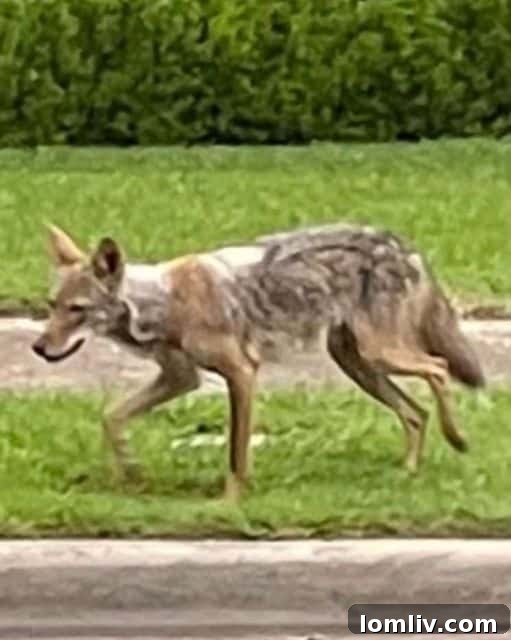
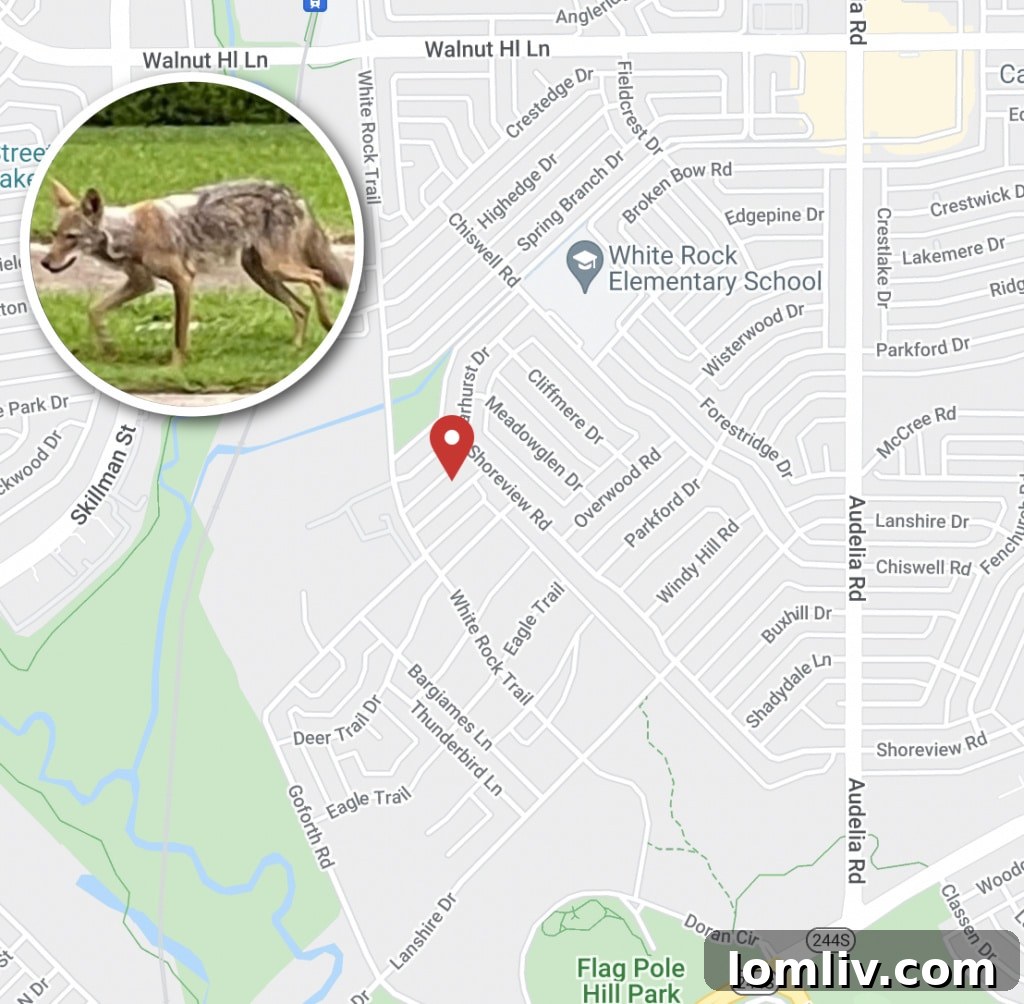
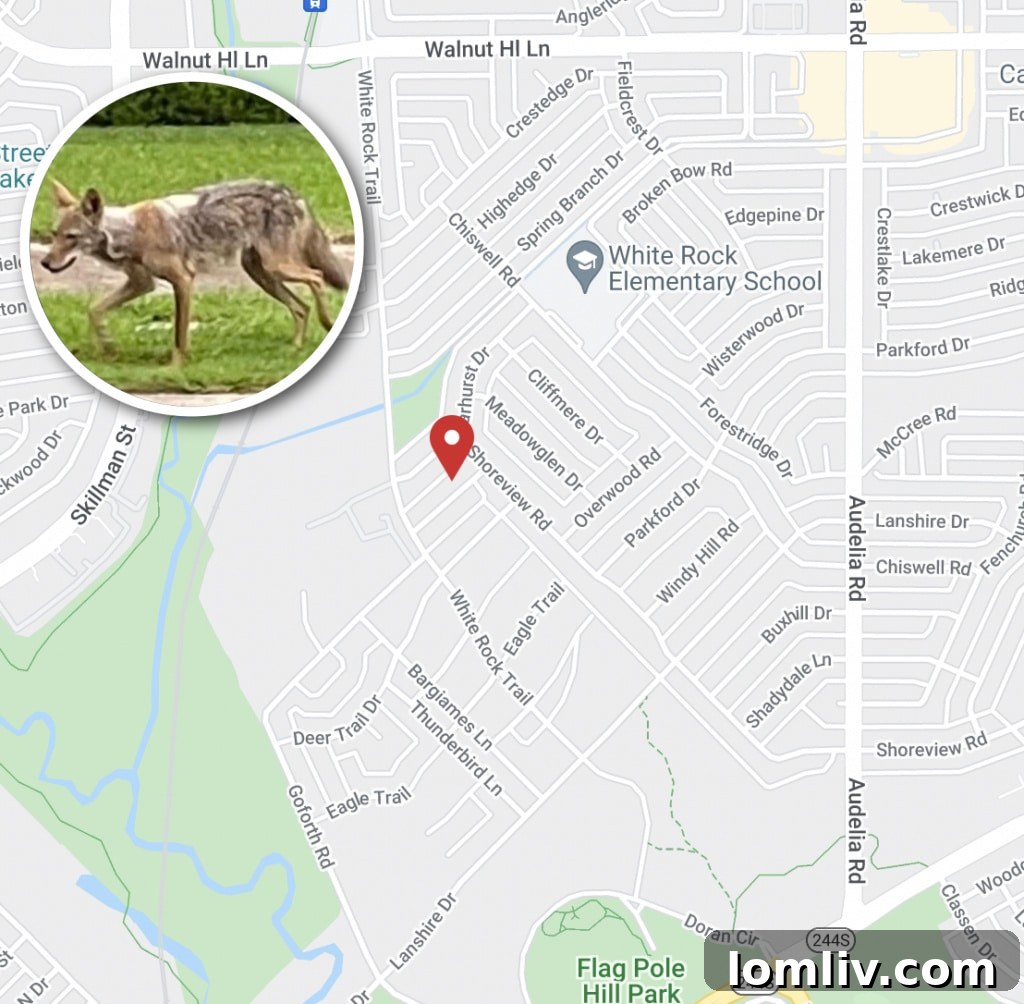
The serene atmosphere of White Rock Valley, known for its lush green spaces and natural appeal, was shattered recently by the distressing news of a coyote attack on a two-year-old boy. Reports indicate that the young child was on the front porch of his home in the White Rock Trail area, near Walnut Hill and Audelia, when he was viciously attacked by a coyote. The toddler underwent emergency surgery this morning, a stark reminder of the unpredictable dangers that can arise when wildlife becomes too comfortable in human habitats. The incident sparked an immediate and coordinated response from local authorities, including the Dallas Police Department (DPD) and Dallas Animal Services (DAS).
Initial reports detailed that police officers attempted to neutralize the aggressive animal, firing shots at it, but the coyote managed to escape into the dense, nearby woods that are so characteristic of this appealing area. Following the incident, Dallas Animal Services provided crucial updates, confirming that the coyote had been successfully located using DPD’s advanced infrared drone technology and was isolated within a wooded area. The city’s wildlife biologist was promptly dispatched to the scene, highlighting the serious nature of the situation and the multi-agency effort to ensure public safety. A subsequent statement from DAS revealed a critical piece of information: this particular coyote was reportedly well-known within the neighborhood, with residents admitting to having routinely hand-fed and even petted the animal. This revelation points to a significant factor contributing to the coyote’s bold and aggressive behavior, raising crucial questions about human-wildlife interaction in urban environments.
Understanding and Preventing Urban Coyote Encounters: Essential Safety Measures
The tragic incident in White Rock Valley served as a painful lesson on the dangers of habituating wild animals. In response, Dallas Animal Services (DAS) immediately issued a comprehensive warning and guidance to the community, emphasizing the critical importance of treating all wildlife with the respect and caution they deserve. Their statement directly addressed the underlying causes of such attacks and provided actionable steps for residents to ensure their safety and that of their pets.
This morning, Dallas Police Department officers responded to a reported coyote attack on a two-year-old child in the White Rock Valley area. DPD officers, along with the assistance of the Game Warden, Parks and Recreation, and Dallas Animal Services, are actively searching for the coyote. If you live in this area and spot a coyote that does not appear to be afraid of humans, please call 911 and do not approach.
Dallas Animal Services’ investigation into this situation has made it clear that this specific coyote was well known in the neighborhood and residents were routinely hand-feeding and petting it. This behavior eroded the coyote’s natural fear of humans and gave it the confidence to carry out this attack. This tragic incident shows why it is critical that residents treat all wildlife as wild animals – when wild animals become too comfortable around humans, there is an increase in problematic and dangerous interactions such as this one that put both residents and the animal itself at risk.
Coyotes are generally reclusive animals who prefer to avoid human contact. Coyotes are wild animals and should be regarded as such. Citizens should never approach, interact with or feed wild animals. If a citizen encounters a coyote that has entered human territory, they should instead try to humanely scare it by employing hazing techniques that will help to re-establish the coyote’s natural wariness of humans.
Effective Hazing Techniques for Coyotes:
Hazing is a method of scaring coyotes away from residential areas by making them feel unwelcome and unsafe. The goal is to reinforce their natural fear of humans and discourage them from returning. It’s crucial to be persistent and consistent with hazing, as it may take several repetitions for a coyote to understand the message. Here are proven methods:
1. Make Yourself Large and Loud: This is the simplest yet often most effective method. Stand tall to maximize your apparent size, wave your arms vigorously, and yell at the coyote in a firm, commanding voice. Continue this until the coyote retreats and runs away. Your assertive presence is key to conveying that you are a threat, not a source of food or complacency.
2. Utilize Noisemakers: Create loud, startling noises to disorient and frighten the coyote. This can include sounding off whistles, air horns, or bells. You can also improvise by shaking soda cans filled with pennies or pebbles, stomping your feet loudly, or banging pots and pans together. The unexpected noise will help break the coyote’s focus and encourage it to flee.
3. Employ Projectiles (with caution): Gently toss non-harmful objects near, but not directly at, the coyote to startle it. Suitable projectiles include sticks, small rocks, empty cans, tennis balls, or rubber balls. The intent is to create a disturbance and make the coyote feel threatened, without causing it injury. Remember, direct impact can provoke aggression or cause harm, which is not the objective of humane hazing.
4. Other Effective Deterrents: If you have access, spray the coyote with a garden hose. The unexpected spray of water can be very effective in startling them. Alternatively, you can fill a water gun or spray bottle with a solution of vinegar water and spray it towards them. For more immediate and potent deterrence, pepper spray and bear repellant may also be used, but always ensure you know how to use these safely and legally, and only as a last resort in threatening situations.
It is vital to understand that achieving long-term success with hazing may require several rounds of these techniques over time. Coyotes are intelligent and adaptable, and their behavior can change. Consistent hazing helps to re-establish and maintain their natural wariness. Furthermore, constant supervision of pets and children is paramount whenever they are outdoors, especially in areas with known coyote activity. Never leave small children or pets unattended, even in fenced yards, as coyotes are capable of scaling fences or finding weak points.
Community Outcry and Dallas Animal Services’ Detailed Response
In the immediate aftermath of the coyote attack, a significant conversation erupted within the White Rock Valley community, particularly on social media platforms. Many residents expressed profound concern and frustration, asserting that they had reported sightings of the aggressive coyote in the weeks leading up to the incident. They vehemently refuted the allegation made by Dallas Animal Services that residents had been hand-feeding and petting the animal, feeling that DAS was unfairly blaming the neighborhood for a systemic issue. This disconnect between community concerns and official responses highlighted the challenges inherent in urban wildlife management and public communication.
Dallas Animal Services recognized the community’s distress and promptly issued further statements to clarify its position and address the mounting criticisms. In a subsequent response to comments on its Facebook page, DAS acknowledged receiving calls from the area regarding a coyote but explained the nuances of their response protocols:
We did receive calls from this area regarding a coyote, however, the calls we received did not communicate what is considered unusual behavior for urban coyotes. Since this morning’s incident, we have received videos of this coyote exhibiting highly concerning behavior and screenshots of social media conversations describing direct human-coyote interactions. We’re working on educational materials in addition to the ones posted above that outline the differences between atypical and typical urban coyote behavior that will help improve resident-officer communication.
This statement underscored the challenge of distinguishing between typical urban coyote behavior (which often includes sightings) and truly concerning, aggressive behavior that warrants immediate intervention. DAS committed to improving educational resources to help residents better articulate their observations, thereby enabling more effective responses from animal services personnel.
The sentiment of being blamed persisted among many neighbors, leading DAS to issue another detailed clarification regarding their stance:
DAS is in no way blaming the innocent victim of this attack or his family. We are trying to educate residents that socializing with a wild animal can have dangerous consequences to prevent similar occurrences. In no way are alleging that this family had any previous interactions with this coyote; our heart goes out to this boy and his family. We are actively working with DPD, Parks & Rec, and the Game Warden to capture this coyote and ensure there are no other incidents. DAS did receive calls from this area about coyote sightings – we receive hundreds of calls from all over the city each year about coyotes displaying “typical” urban coyote behavior that is best addressed through hazing practices. DAS’ priority is public safety, and we want to ensure that all calls are being handled appropriately, which is why our team is actively reviewing records of the calls in this area. We have not yet located any descriptions of behaviors that were atypical, but we will continue to review until all have been assessed.
This response aimed to alleviate concerns about blame, redirecting the focus toward preventative education and reiterating the extensive efforts being made by multiple agencies to address the immediate threat and review past reports. It also highlighted the sheer volume of coyote sighting calls DAS receives citywide, making it challenging to identify genuinely problematic situations without specific behavioral descriptors.
Further emphasizing their commitment to transparency and thoroughness, DAS added:
DAS’ investigation is far from complete. Though we believe that the majority of residents were taking safety precautions, we do have evidence that this was occurring in the neighborhood. We cannot speak to what was reported to the Game Warden as we are not part of the same organization and are not privy to their records; we are however actively reviewing our own records and have not yet completed that review.
This statement acknowledged the ongoing nature of their investigation and the complexities of coordinating with other entities like the Game Warden, whose records are separate from DAS. It subtly reinforced the presence of evidence regarding human feeding while still acknowledging that most residents likely acted responsibly.
The issue of residents feeling their calls to DAS went unanswered or were not taken seriously also came to the forefront. Dallas Animal Services provided a comprehensive update on their internal review process and urged residents to provide specific details:
DAS has completed an internal review of all calls received this year related to coyotes in the area surrounding White Rock Valley Park near where this morning’s coyote attack on a two year-old child occurred. We have located a cluster of calls near Walnut Hill Lane from earlier this year including calls regarding non-aggressive coyotes frequenting a nearby school playground. In response, DAS worked with parents and staff at the school to successfully haze the coyotes. Throughout the day, many residents have indicated on our social media that they made reports of coyotes in White Rock Valley Park; however, only one call has been identified from this immediate area and reported normal coyote behavior. DAS’ priority is public safety and we want to ensure that residents concerns are reaching us, so we ask that if you made a report to 3-1-1 regarding coyotes in or within blocks of this park, please send the SR# you received as part of your call confirmation to [email protected] so that we can investigate it directly. If you see unusual coyote behavior (aggression, lack of fear of people at close proximity) or sick or injured coyotes, please call 3-1-1 and describe the behavior you’ve witnessed as specifically as possible. Please note that DAS is not aware of reports on social media platforms or through other authorities such as the Texas game Warden, so calling 3-1-1 is key.
This final statement clarifies the review process, highlights previous successful hazing efforts at a local school, and crucially, emphasizes the importance of calling 3-1-1 with specific behavioral details. It also provides an email address for residents to submit SR# (Service Request numbers) for direct investigation, reinforcing DAS’s commitment to addressing every reported concern. The message is clear: direct, detailed communication through official channels is paramount for effective urban wildlife management and ensuring public safety.
Adding to the community’s vivid accounts, a neighbor shared compelling visual evidence of problematic coyote behavior just days before the attack, posting the following video to the Dallas Animal Services Facebook page: