Navigating Dallas Property Taxes: Understanding Appraisals, Relief, and Your Rights
For many homeowners in Dallas County, property taxes represent a significant financial burden, often ranking among their largest annual expenses. Recent surges in property valuations have exacerbated this challenge, pushing tax bills to what some residents describe as “unbearable” levels. This article delves into the complexities of Dallas property taxes, exploring the appraisal process, recent legislative efforts for relief, local government initiatives, and crucial insights for homeowners navigating this challenging landscape.
The skyrocketing market values of homes across Dallas have direct consequences for property tax assessments. As property valuations climb, so do the corresponding tax liabilities. This direct correlation has spurred a remarkable wave of homeowner action. According to Cheryl Jordan, Director of Community Relations at the Dallas Central Appraisal District (DCAD), over 201,000 Dallas residents filed protests against their property appraisals this year alone. These protests frequently cite concerns such as an excessively high appraised value that doesn’t reflect true market conditions, the denial of proper exemptions that homeowners are entitled to, or an unequal valuation of their home compared to similar properties in the area. Understanding the legitimate grounds for protest and the detailed process involved is a critical first step for any homeowner feeling the strain of rising assessments.
Once property valuations are officially recorded on the books, the primary mechanism for mitigating the final tax bill—which typically arrives in mailboxes around October—is the tax rate itself. These rates are not uniform; instead, they are meticulously set by a diverse array of independent taxing jurisdictions. These entities include local school districts (which often account for the largest portion of a property tax bill), county governments, municipal administrations, hospital districts, community colleges, and various special districts formed for specific purposes. Each entity calculates its rate based on its annual budget requirements and the total appraised value of all taxable property within its jurisdiction, leading to a cumulative tax burden that can vary significantly depending on a homeowner’s specific location within Dallas County.
Texas Legislature Steps In: A Wave of Relief on the Horizon
Amidst widespread concern over escalating property taxes, there’s a beacon of hope emerging from the Texas State Capitol. Texas Senator Paul Bettencourt, a Republican from Houston and a prominent advocate for property tax reform, offers an optimistic outlook for Dallas homeowners. “The cavalry is coming over the hill for the Texas homesteader, just like a John Wayne movie,” Bettencourt declared, signaling substantial and imminent relief for property owners across the state.

This anticipated relief stems from several key legislative initiatives. Specifically, Propositions 1 and 2, which were overwhelmingly approved by Texas voters in May, combined with what Senator Bettencourt describes as the “blockbuster” Senate Bill 2 and House Bill 3, are poised to deliver tangible tax savings. These landmark bills, recently refined to remove prior disaster declaration caveats, are specifically designed to alleviate the pressure of rising appraisals and cap revenue growth for local entities. “You’re going to get tax relief this year,” the senator affirmed, suggesting a significant and immediate shift in the property tax landscape for Texas homeowners.
Senator Bettencourt projects that homeowners will be pleasantly astonished when their tax bills arrive in the fall. “I think people are going to be astonished when they get their tax bills and see what happened,” he remarked. “The appraisals were so high, everybody was ready to jump off the cliff. This is going to be a very important property tax year. All our reforms have hit. As values go up, tax rates will tumble. It could be as much as a 10-penny [decrease]. The average homestead tax bills will be down year to year.” This “10-penny decrease” refers to a potential reduction of 10 cents per $100 of assessed value, a substantial cut that could translate into hundreds or even thousands of dollars in savings for many households, directly offsetting the impact of increased property valuations.
A particularly significant portion of this relief is expected to originate from local school districts. Senator Bettencourt elaborated, “Residents will absolutely see a decrease in the rate assessed by local school districts. That’s big news. That’s the silver lining in this appraisal cloud. The higher relief is coming from the schools because the state is paying for it.” This highlights a crucial mechanism of Texas property tax reform: the state’s increased funding for public education. By shouldering a larger share of school funding responsibilities, the state effectively enables local school districts to lower their property tax rates without compromising educational services, thereby directly reducing the tax burden on homeowners and allowing local revenue to be used for other critical services.
Navigating the Protest Process and Understanding Local Tax Rates
While legislative relief from the state is on the horizon, many Dallas residents have already taken proactive steps to challenge their individual property valuations through the protest process. The official deadline for filing property tax protests has typically passed by mid-May each year, with many homeowners having already received settlement offers from the Dallas Central Appraisal District (DCAD) as a result of their efforts. For those whose protests were not immediately resolved, Appraisal Review Board (ARB) hearings are often still underway through the summer months, providing a formal avenue for homeowners to present their case for a lower, fairer valuation. Following these processes, taxing jurisdictions—including the City of Dallas, Dallas County, and various school and special districts—will finalize and set their new tax rates in September. Subsequently, the highly anticipated official tax bills are generally issued on October 1st, providing homeowners with their final assessment for the year.
A Look at Dallas Area Property Tax Rates
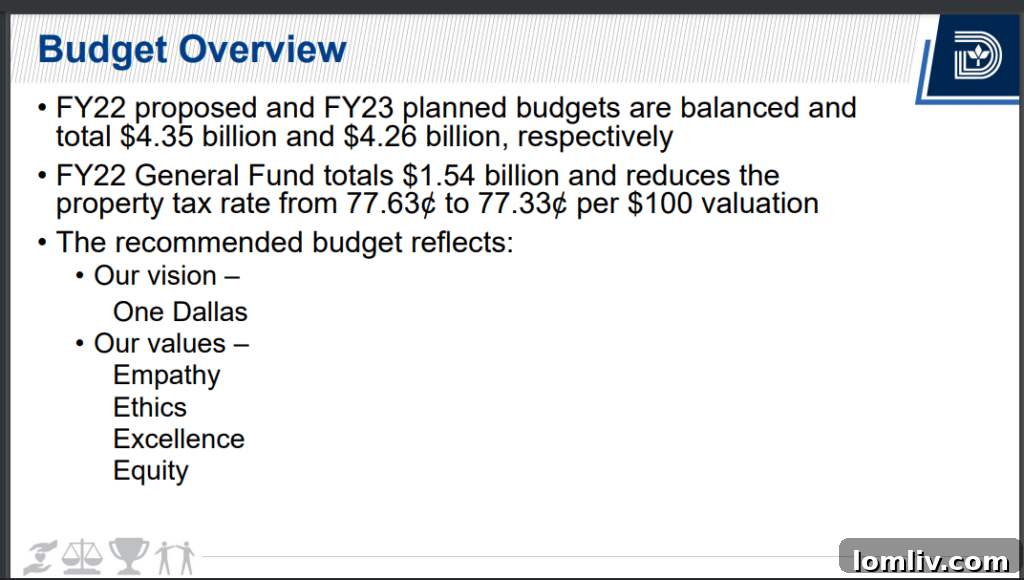
Dallas’s property tax rate currently stands at 77.33 cents per $100 of assessed valuation, placing it among the higher rates in the state, trailing only major metropolitan areas like Austin, Houston, and San Antonio. This rate contributes significantly to the overall tax burden on homeowners within the city limits. To provide a comparative perspective across the broader North Texas region, here are the property tax rates for surrounding counties:
- Dallas County: 22.79 cents per $100 assessed valuation
- Collin County: 19.22 cents per $100 assessed valuation
- Denton County: 23.30 cents per $100 assessed valuation
- Tarrant County: 21.35 cents per $100 assessed valuation
These figures clearly illustrate the varying tax landscapes even within a relatively close geographic area, highlighting how a homeowner’s county of residence can profoundly impact their total property tax liability. For a concrete example, taxes on a home valued at $500,000 in Dallas currently amount to approximately $9,200 annually, encompassing all taxing entities. It is worth noting that the city’s rate saw a slight decrease from 77.63 cents per $100 assessed valuation in the 2021 fiscal year, a modest step towards relief amidst rising values.
Even with available relief measures such as homestead exemptions, which can significantly reduce the taxable value of a primary residence, many Dallas residents are struggling to maintain affordability. For instance, enhanced homestead exemptions of approximately $115,500 are available for residents over the age of 65, providing a crucial reduction in their taxable burden. However, despite these vital provisions, the overall increase in property values means that many homeowners, particularly those on fixed incomes or facing other economic pressures, are questioning their long-term ability to afford to stay in their homes. This ongoing struggle underscores the urgent need for comprehensive and sustained solutions to manage the rising cost of homeownership in Dallas.
To shed light on how property tax revenue is ultimately utilized, information published on the city website provides important clarification on the allocation. If you own your home, you directly pay a percentage of its assessed worth in property taxes, determined by rates set by the City Council and other taxing entities. If you rent your home, it’s highly probable that your landlord incorporates this cost into your monthly rent payment. In Dallas, only about 30 percent of the total money collected from property taxes directly funds essential city services such as police, fire, parks, and sanitation. The substantial remainder, approximately 70 percent, is distributed to other critical organizations like the Dallas Independent School District (DISD), community colleges, and local hospitals, to finance the vital services they provide to the community. Of the portion specifically allocated to the City of Dallas, roughly three-fourths supports general fund services, while the remaining one-fourth is dedicated to repaying borrowed funds for significant infrastructure and community projects, such as the construction of recreation centers or libraries. This strategic use of debt allows the city to spread the cost of large capital investments over several years, rather than demanding a 100 percent upfront payment, ensuring long-term development and civic improvements without immediate prohibitive costs.
Dallas City Council: Addressing Local Tax Burdens
The Dallas City Council has been actively engaged in discussions and decisive actions aimed at mitigating the property tax burden on its residents. During a pivotal meeting on June 8th, council members expressed a strong, unified interest in exploring avenues to lower the overall city tax rate. A significant and immediate outcome of this meeting was the unanimous approval of an increase in the property tax exemption for senior citizens and individuals with disabilities. This crucial measure raised the exemption amount from $107,000 to $115,500, representing an 8 percent increase in the taxable value reduction for these vulnerable demographic groups. This specific action reflects a targeted approach to support those on fixed incomes who are particularly susceptible to the compounding effects of rising property valuations.
Councilwoman Cara Mendelsohn, who chairs the government performance and financial management committee, highlighted the upcoming city budget process, set to begin next month, as the most opportune moment to achieve a substantial, city-wide reduction in property taxes for all residents. She commended her colleagues for their unanimous approval of the enhanced senior tax exemptions, acknowledging the critical and immediate need for such relief. “High property taxes can make it difficult for anyone, but there’s a recognition that seniors and people with disabilities, many who are on a fixed income, are simply unable to absorb into their budget the significant property value increases we’re seeing in Dallas,” Mendelsohn explained. She emphasized the profound, life-altering impact of this exemption: “This exemption increase, which will mean a reduction in their property tax, can mean the difference between being able to afford essential groceries or vital prescription medication.” This statement powerfully conveys the real-world implications of tax policies on the daily lives and well-being of the city’s most vulnerable residents.
In a forward-thinking move last year, the city council modified its financial management performance criteria. This progressive change now mandates an annual review of this particular exemption rate, along with a thorough assessment of whether it should be further increased to keep pace with economic realities. This proactive approach ensures that the exemption remains relevant and effective in an evolving economic climate. “We didn’t just look at the increase in property value, but we also proactively considered if cost-of-living increases should be a fundamental basis for an increase in the exemption,” Mendelsohn added, underscoring a holistic view of financial hardship. She voiced her strong optimism regarding broader tax relief efforts: “It’s my hope that the council will support … the mayor’s directive to the committee to look at practical ways to lower the overall tax burden and ultimately make Dallas more competitive with surrounding cities.” This reflects a strategic vision not only for immediate relief but also for enhancing Dallas’s appeal as an affordable and desirable place to live and conduct business for years to come.

The District 12 councilwoman further hinted at a concerted and comprehensive effort to significantly reduce property tax bills for all Dallas residents, not just specific demographics. This broad initiative is expected to come before the governing body later in the summer, coinciding with the crucial budget discussions. “I hope this is just our first step and our council will take the necessary next steps in August and September to significantly reduce the tax rate for all Dallas residents,” she stated. The rationale extends far beyond individual savings, aiming to achieve broader economic stability and community welfare: “This will be an important way we keep rents affordable, keep people on the margin housed, and actively encourage people to choose Dallas as their preferred place to live.” This highlights the interconnectedness of property tax policies with housing affordability, urban development, and the overall vibrancy of the city.
Councilwoman Mendelsohn also pointed out that the city’s upcoming budget would still benefit significantly from American Rescue Plan Act (ARPA) funds, providing a unique opportunity for fiscal flexibility and strategic investments. She asserted that a strategic reduction in the tax rate, coupled with these funds, could not only alleviate the financial strain on residents but also propel the city towards innovation and re-imagined efficiency in its operations and service delivery. Several council members echoed the sentiment regarding the urgency of providing comprehensive tax relief during the June 8th meeting. District 1 Councilman Chad West articulated a strong and passionate stance, calling tax increases “unjustified and harsh.” He emphasized the council’s inherent fiduciary responsibility: “We at the city council have the ability and we have, in my opinion, the profound fiduciary responsibility to protect our most vulnerable citizens, because we’re the only ones who can truly do it in a lot of situations. As DCAD continues to aggressively raise our property taxes across the city, we as a city need to do absolutely everything we can to protect our most vulnerable neighbors, and that certainly includes our seniors.” His powerful words underscore the moral imperative perceived by some council members to shield residents from what they view as excessive taxation.
District 14 Councilman Paul Ridley also lent his full support to the tax break for seniors and expressed his earnest hope that this vital initiative would set a crucial precedent and extend into the broader discussions concerning tax rate adjustments in the fall. He recognized the profound and widespread impact of recent valuation trends on all property owners: “The unprecedented increase in appraised values of everyone’s real estate, soaring over 20 percent just in the last year, undeniably creates an immense burden on everyone.” This collective voice from the Dallas City Council demonstrates a growing consensus and a determined commitment among its members around the need for significant and widespread property tax relief, reflecting the urgent calls from their constituents.
Homeowner Perspectives: The Reality of Rising Valuations
To truly illustrate the tangible impact of these appraisals and the protest process, consider the experience of Steve Levine, a Dallas homeowner on Glenwood Avenue. His home was initially appraised at approximately $1.7 million, a figure that, like many others, he found concerning. Following a dedicated online protest hearing, Levine successfully negotiated that figure down to about $1.65 million, securing a modest but meaningful reduction. While this individual reduction offered some personal relief, Levine’s primary concern extends far beyond his own assessment. “That’s fine; my whole thing is not fighting my assessment,” Levine stated. “It seems like the county and the city need to be letting people know what their tax bills are going to be well in advance. [Residents are] going to get a tax bill in October and not everyone is going to be able to pay it. The people at DCAD are very gracious, but DCAD doesn’t set the tax rate.” His comments highlight a crucial disconnect: while DCAD is responsible for determining property values, the myriad taxing entities are ultimately responsible for setting the rates, and homeowners often feel caught in the middle, facing unexpected and potentially unmanageable financial demands.
The complexity of property appraisal is particularly evident in diverse neighborhoods like Northern Hills in Dallas. Here, a unique mix of housing stock—approximately 20 percent new construction, 20 percent century-old homes, and the remainder being significantly rebuilt or extensively renovated properties—presents a singular challenge for appraisers. For instance, a comparable home just two lots away from Levine’s property was assessed at $1.3 million, a considerable difference from his own adjusted value. “It’s incredibly difficult for appraisers to accurately assess” in such varied environments, Levine explained, because construction throughout the neighborhood is far from identical, leading to inherent discrepancies and making fair, consistent comparisons arduously difficult. He further pointed out that values are often calculated simplistically, such as “$105 per square foot of land,” irrespective of the substantial differences in the actual structures built upon that land, which can vastly differ in age, condition, and amenities.
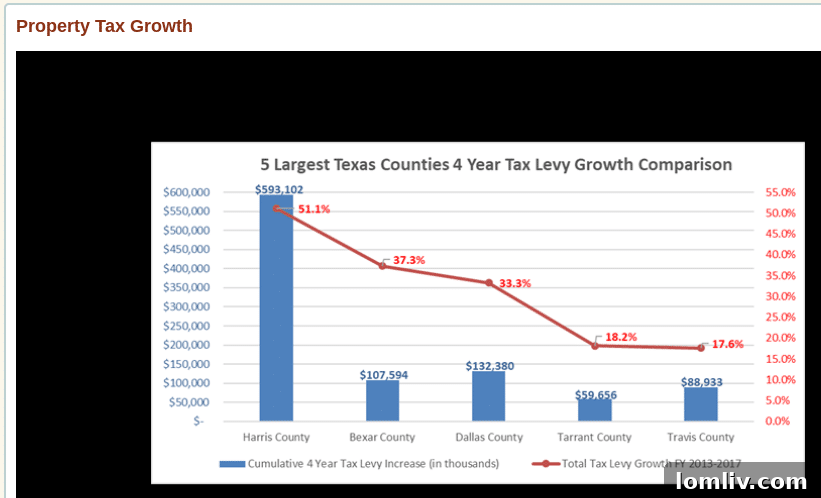
Understanding the critical interplay between rising property values and the subsequent impact on tax rates is absolutely essential for homeowners. Based on landmark legislation passed in 2019 and more recently revised and strengthened by Senator Bettencourt and his legislative colleagues, any taxing entity wishing to increase the total property tax revenue it collects from all property owners by 3.5 percent or more than the previous year must first obtain direct approval from voters in a special election. This crucial legislative safeguard, often referred to as the “revenue cap” or “voter approval tax rate,” empowers citizens to have a direct and powerful say in significant tax increases, preventing unchecked growth. Senator Bettencourt noted that while taxing entities could theoretically seek voter approval through bond issues, these are often politically challenging to pass, especially when residents are already grappling with financial pressures and striving diligently to make ends meet. “For county and city tax rolls, as values go up, it structurally forces the rates down to get tax relief,” Bettencourt reiterated, explaining the self-correcting mechanism. “The combination of [SB2 and HB3] has already saved taxpayers an estimated $6 billion across the state. The values going up aren’t as critical anymore because if your value goes up significantly, it’s effectively offset by corresponding tax bill reductions.” This mechanism is explicitly designed to prevent local governments from simply collecting more revenue as property values increase, effectively forcing them to lower their tax rates if they wish to avoid direct voter intervention and maintain fiscal discipline.
Levine, like many other concerned homeowners, voices a deep and pressing concern for residents who will receive their finalized tax bills in October, particularly those who might be “blindsided” by the unexpectedly high figures they owe. This is especially true for individuals who manage their property taxes through an escrow account integrated with their monthly mortgage payments, as they may not directly see the rising amounts until their mortgage payment adjusts. “For someone who pays their taxes monthly with their house payment, they absolutely need to know what the final rate is going to be well in advance,” he stressed, advocating for greater transparency and more timely communication from taxing authorities to prevent financial shocks. To assist homeowners in staying fully informed and proactive, residents can easily and conveniently look up comprehensive information about their home valuation and other crucial appraisal details by visiting the official Dallas Central Appraisal District website at DallasCAD.org, a vital resource for all property owners.
What’s Next for Dallas Homeowners: Protests, Budget Hearings, and Community Education
As Dallas homeowners continue to navigate the complexities of property taxes, several avenues and ongoing discussions are emerging to provide potential relief and crucial guidance. Tax experts continue to emphasize the paramount importance of understanding and actively utilizing the protest process. Patrick Melton, a seasoned expert from Texas Tax Protests, has extensively documented successful strategies for homeowners to negotiate lower tax bills through various compelling case studies and public resources. Nicole Griffeth, lead marketing strategist for Texas Tax Protest, highlights the broader economic factors driving up home prices across the state, such as critically low inventory levels, persistent supply chain shortages impacting construction costs, and a significant influx of new residents moving to Texas from other states. She issues a stark warning to property owners: “If you don’t protest your assessed value, it will almost certainly continue to increase year after year until it inevitably catches up to your current market value. The coming 2023 property tax protest season will undoubtedly be one of the most important times to appeal in the last decade.” This underscores the critical role individual, proactive action plays in effectively managing and potentially reducing property tax burdens.

Even with hundreds of thousands of homeowners diligently filing protests, the Dallas City Council anticipates ongoing pleas for relief as crucial budget hearings commence in the coming month. This indicates that despite individual efforts and significant legislative changes at the state level, the financial pressure on residents remains a central and pressing concern for local governance. District 4 Councilwoman Carolyn King Arnold, speaking passionately at the June 8th council meeting, emphasized the crucial need for widespread public awareness and comprehensive education regarding tax policies and how they are utilized within the city. “As we move forward, it’s going to be very important that we educate our communities on taxes and how they are truly utilized in this city,” Arnold stated. She acknowledged the universal reluctance to pay taxes but also articulated the fundamental and inescapable truth: “I know no one wants to pay taxes, but we do know there are two things certain in life, and that’s taxes and death. We’re simply going to have to pay some taxes to create and maintain the essential services our city relies upon.”
Councilwoman Arnold further elaborated on the delicate and often challenging balance between implementing tax reductions and ensuring the sustained provision of essential public services. “As we engage in discussions about the upcoming budget, then we will most certainly have the conversation around reduction in taxes and tax rates, but we also crucially need to educate, so as we take a stand on certain positions, constituents understand that a reduction in taxes sometimes also directly means a reduction in vital services,” she cautioned. This perspective highlights the inherent complexities of municipal finance, where every decision inevitably involves trade-offs and careful consideration. She particularly stressed the profound importance of an equitable approach: “We need to be very targeted and intentional as we craft the budget based on principles of equity, ensuring that those who are underserved or vulnerable are not disproportionately hit harder by any changes. We’re going to continue to fight tirelessly for our seniors and for [all] citizens as well, ensuring fairness and support for everyone.” This unwavering commitment to fairness and protecting vulnerable populations remains a guiding principle as the City Council navigates the challenging waters of budget allocation and tax rate setting.
In conclusion, the journey for Dallas homeowners to achieve affordable and sustainable property taxes is undeniably multi-faceted, involving a dynamic interplay of state legislative reforms, diligent and responsive local government actions, and proactive engagement from individual citizens. While rising property appraisals present persistent and significant financial challenges, the concerted efforts of state senators, dedicated city council members, and various tax advocacy groups offer promising pathways to tangible relief. Staying informed about legislative changes, understanding the detailed protest process, and actively participating in local governance discussions are all key for residents seeking to navigate this complex financial landscape and ensure a stable, sustainable future for their cherished homes in Dallas.