Snider Plaza’s Future Hangs in the Balance: Community Appeals Landmark Development Ruling
University Park’s iconic Snider Plaza, a cherished hub of local commerce and community life, finds its future at a critical juncture. A passionate group of residents and business owners is actively appealing a recent court decision that could pave the way for a significant commercial development, threatening to fundamentally alter the distinctive charm and character that define this landmark shopping center.
Last November, a legal challenge aimed at halting a planned commercial project on the southeast corner of Snider Plaza was dismissed by Dallas County District Court Judge Sheryl McFarlin. This specific parcel, rich with local history, once proudly housed beloved establishments such as Peggy Sue BBQ, Lane Florist, Logos Bookstore, and Arman Jewelry. The court’s dismissal effectively granted the developer, Jim Strode, the necessary clearance to proceed with his ambitious plans, igniting further apprehension among those dedicated to preserving Snider Plaza’s unique identity.
The Proposed Development: A Glimpse into Snider Plaza’s Potential Transformation
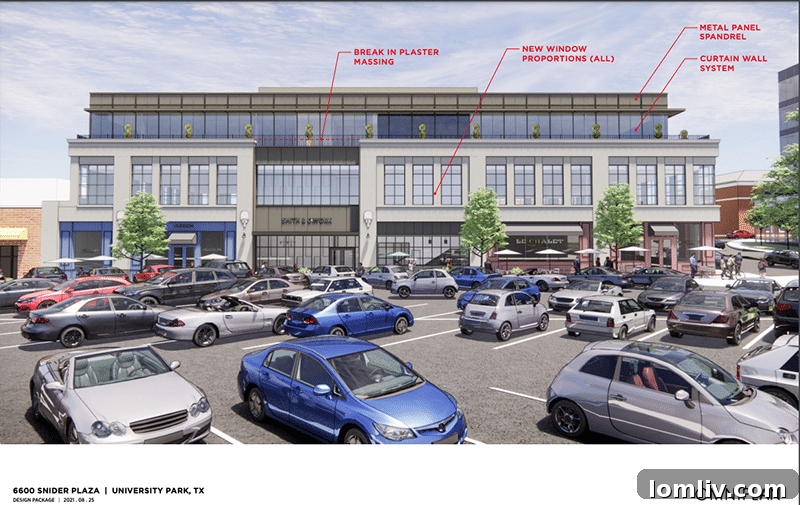
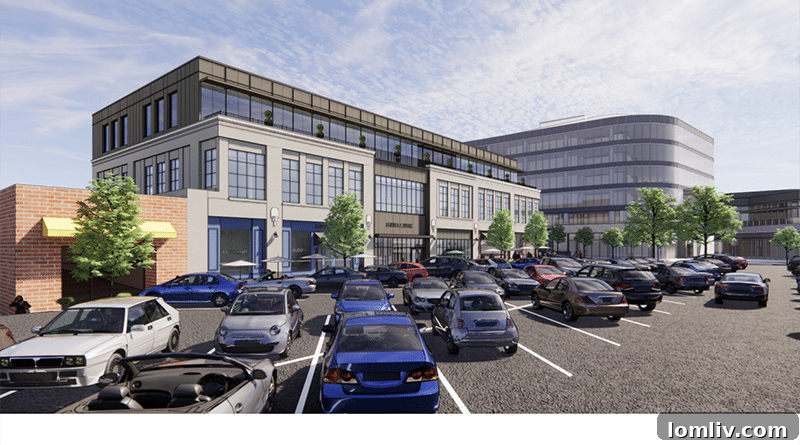
The developer’s vision for the 6600 Snider Plaza site entails the construction of a modern three-story building. This expansive structure is designed to integrate a mix of commercial uses, featuring dedicated retail spaces on the ground floor, diverse restaurant options, and professional office suites on the upper levels. Beyond the visible edifice, the plan also incorporates a crucial infrastructural component: a two-level, 48-space underground parking garage. This subterranean facility is designed with egress points strategically located on Daniel Avenue, aiming to address the practical demands of increased commercial activity. The comprehensive site plan received official approval from the University Park City Council in September of 2021, setting the stage for the current community debate.
For many, this proposed development represents more than just a new building; it symbolizes a potential departure from the architectural and communal fabric that has long defined Snider Plaza. The current landscape is characterized by its spread-out collection of quaint, predominantly two-story structures, which host a vibrant array of small, independent stores and restaurants. It is this unique blend of historic charm and local entrepreneurship that the Snider Plaza Alliance, a dedicated neighborhood group, fiercely seeks to protect.
The Snider Plaza Alliance: Champions of Preservation
The Snider Plaza Alliance (SPA) emerged as a vocal advocate for the community, initiating its fight against the proposed development over a year ago. At the heart of their objections are two primary concerns: the project’s alleged non-compliance with existing city parking requirements and its perceived incompatibility with the established architectural and aesthetic character of Snider Plaza. The Alliance argues that the new three-story structure and its associated design elements are fundamentally “out of character” for an area celebrated for its older, yet undeniably charming, low-rise buildings and independent businesses. This sentiment underscores a broader concern that the development could dilute the authentic feel of Snider Plaza, transforming it into a more generic commercial landscape. Initially, the SPA achieved a temporary restraining order, which momentarily blocked the development and prevented the City of University Park from moving forward with its approvals.
However, Judge McFarlin’s subsequent ruling to dismiss the lawsuit delivered a significant setback to the Alliance’s ongoing efforts. This judicial decision, while potentially based on procedural grounds rather than the merits of the case itself, was a major blow to their campaign to safeguard University Park’s beloved shopping center from adopting the appearance of any typical suburban strip mall.
“Don’t Plano University Park,” emphatically stated Matt Dixon, a founding member of the Snider Plaza Alliance. Dixon, who owns apartments in the vicinity but resides in Plano, articulated the fear that University Park could lose its distinct identity by embracing a development model often seen in rapidly growing, more commercialized suburban areas. This powerful phrase has since become a rallying cry for the Alliance and its supporters, encapsulating their apprehension about the potential erosion of Snider Plaza’s unique character and charm.
The Appeal: A Continued Fight for Community Voice and Integrity
In response to the judicial dismissal, the Snider Plaza Alliance announced on Friday their firm intention to appeal Judge McFarlin’s decision. This signifies their unwavering commitment to challenge what they view as a critical misstep in the planning process. The Alliance’s statement vividly outlines their core grievances and their motivation for pursuing further legal recourse:
“Snider Plaza Alliance (SPA) wants you to understand what the City of University Park is allowing to happen in Snider Plaza and why we are pursuing legal action.
In concealing a radical departure from 2008 Snider Plaza zoning, the City of UP used deceptive means to rezone 6600 Snider Plaza allowing the developer to proceed with a project that will aggravate parking shortages without meaningful neighborhood or shop owner engagement.
This sets a precedent for all of Snider Plaza to be redeveloped without regard for zoning already in place which will adversely affect the whole of Snider Plaza and the surrounding residential neighborhood.
Our lawsuit was dismissed on procedural grounds and we are appealing this case.
Attached is further information regarding status of the court case against the City of University Park and James Strode.”*** SPA is a non-profit association dedicated to preserving Snider Plaza and its surrounding neighborhood. Its members include property owners, Snider Plaza tenants, and University Park residents supporting rational civil debate on planning issues. ***
The Alliance’s detailed statement sheds light on the intricacies of their legal arguments, emphasizing their belief that the City of University Park acted improperly. They allege that the city facilitated a zoning change under false pretenses and without providing adequate public notice. This alleged circumvention of proper procedure, the SPA contends, enabled the developer to bypass crucial zoning requirements that would have mandated the provision of dozens of additional parking spaces—a necessity for a development of this projected scale and scope. The group forcefully asserts that parking in Snider Plaza is already a significant logistical challenge, describing the current situation as “a disaster,” and predicting that the proposed development will only exacerbate these existing pressures.
Zoning Irregularities and the Precedent Argument
A cornerstone of the Snider Plaza Alliance’s legal strategy revolves around the accusation that the City of University Park engaged in “deceptive means” to rezone the 6600 Snider Plaza property. The Alliance claims this rezoning represents a “radical departure” from the established 2008 Snider Plaza zoning regulations. Such an alleged deviation, they argue, not only undermines existing urban planning frameworks but also poses a dangerous precedent. If this particular development is allowed to proceed without proper adherence to established zoning, the SPA fears it could open the floodgates for future redevelopment across the entirety of Snider Plaza. This could occur without due consideration for existing zoning ordinances, potentially leading to widespread changes that would “adversely affect the whole of Snider Plaza and the surrounding residential neighborhood.” The lack of “meaningful neighborhood or shop owner engagement” in this critical decision-making process is another significant point of contention for the Alliance, highlighting a perceived disregard for community input.
The procedural dismissal of their initial lawsuit means that the core merits of their arguments regarding zoning, parking, and community character have yet to be fully addressed in court. By appealing the case, the Snider Plaza Alliance aims to ensure that these substantive concerns receive the thorough judicial review they believe they deserve. Their fight is not merely about one building; it is about upholding planning integrity, ensuring transparency in municipal decisions, and safeguarding the long-term character of a cherished community asset.
The Broader Implications: Balancing Progress and Preservation
The ongoing dispute at Snider Plaza reflects a common tension in urban development across many historic communities: the delicate balance between fostering economic growth and preserving the unique heritage and charm that makes a place special. For University Park, Snider Plaza is more than just a shopping center; it’s a social and cultural anchor. Its tree-lined streets, boutique shops, and local eateries have cultivated a distinctive atmosphere, drawing visitors from across the Dallas-Fort Worth metroplex. The potential for a three-story, mixed-use development, while offering modern amenities, raises questions about scale, density, and how new construction integrates with the existing architectural narrative.
The community’s impassioned stand against the current plan underscores a deeply held belief that development should respect and enhance, rather than diminish, the intrinsic qualities of its surroundings. The emphasis on insufficient parking is not just a logistical complaint; it speaks to the broader concern of how increased commercialization without adequate infrastructure can negatively impact daily life for residents and the viability of local businesses. If the appeal is successful, it could force a reevaluation of the project, potentially leading to modifications that better align with community expectations and existing zoning principles. Conversely, if the appeal is denied, it would set a significant precedent, potentially empowering future developers and reshaping the urban planning landscape of University Park in ways that community members fear could be irreversible. This ongoing legal battle is a crucial watch point for anyone interested in the dynamics of urban development, community activism, and the preservation of local identity.