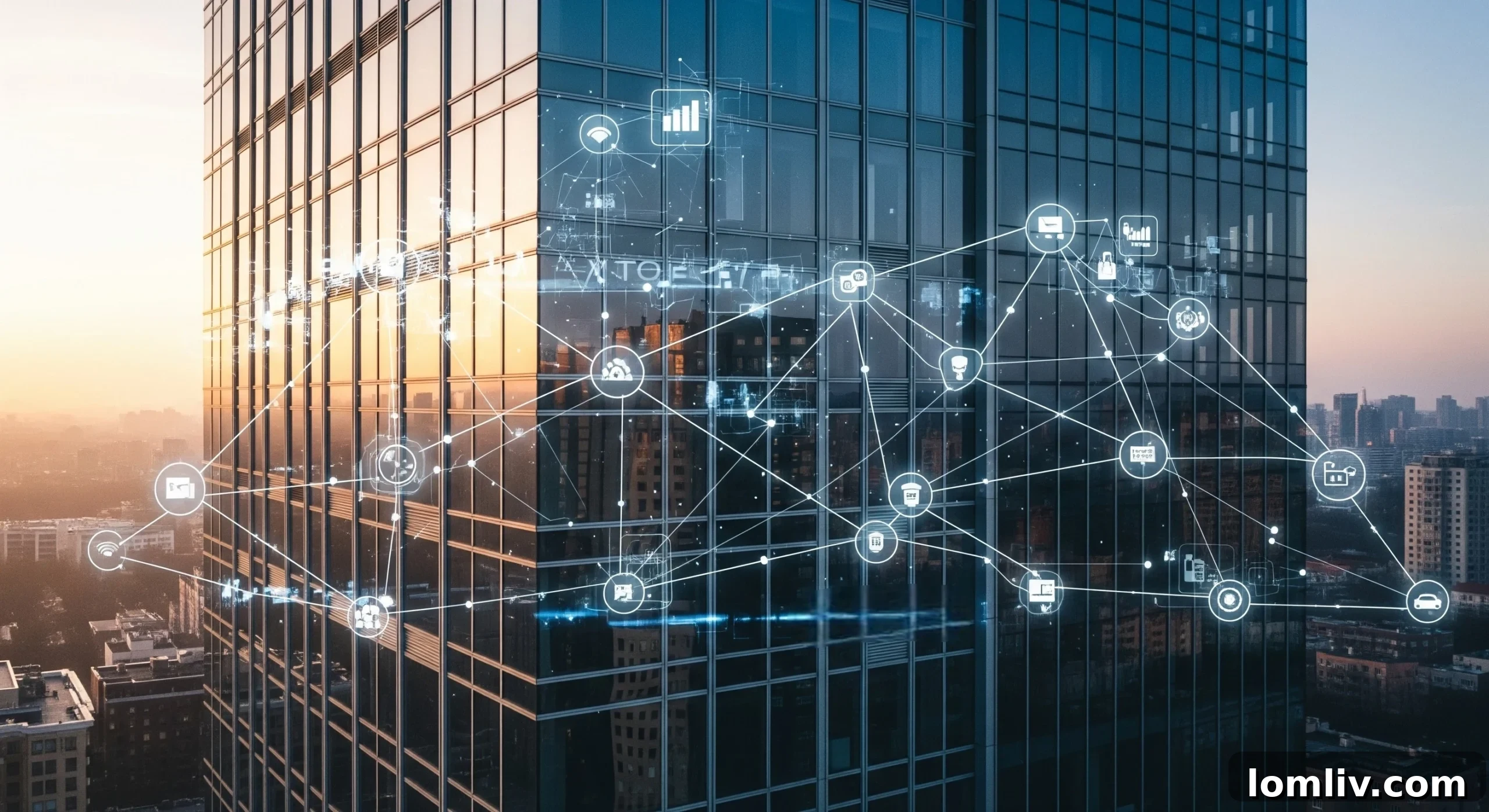
Managing a high-rise building is an intricate dance of logistics, safety, and resident satisfaction. Imagine a vertical city teeming with apartments, bustling offices, vibrant retail spaces, state-of-the-art gyms, and sprawling parking levels—all housed within a single structure. The property management team faces a monumental task daily: ensuring public safety, maintaining crucial infrastructure like elevators, optimizing energy consumption, and swiftly addressing operational issues, all while striving to create an exceptional experience for every resident and tenant.
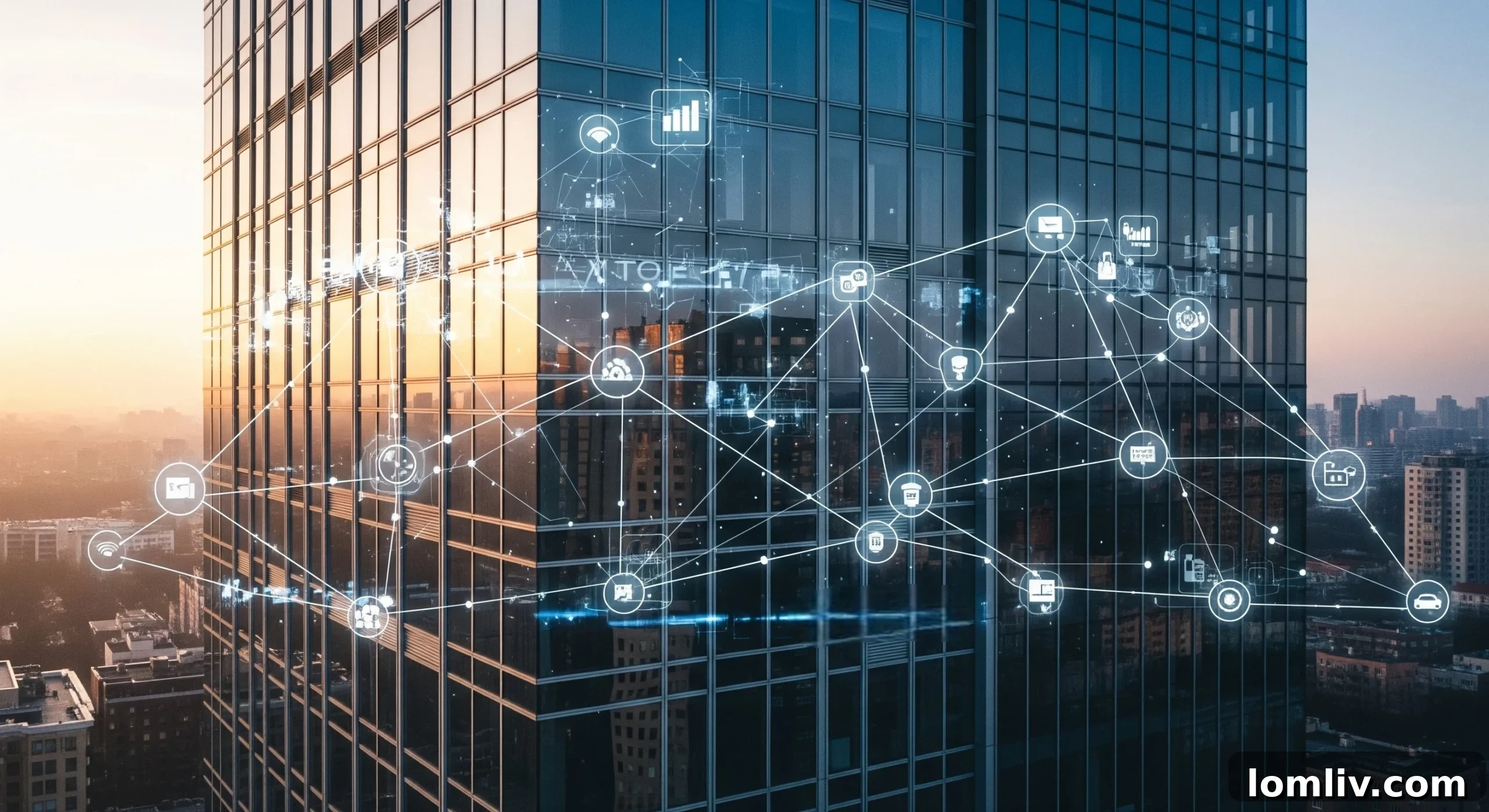
This immense complexity is precisely where the transformative power of smart building solutions and automation becomes indispensable. Picture a seamless lobby experience with keyless entry, parking garages illuminated by motion-sensor lighting, or a sophisticated heating and cooling system intelligently adjusting itself based on occupancy. When these individual automated components are seamlessly integrated, the benefits are profound: significant reductions in wasted energy, fewer urgent service calls, and a remarkably smoother, more intuitive experience for everyone, from the moment they step through the front door to their private unit.
For building owners and discerning real estate investors, the strategic value is undeniable. An efficiently operated high-rise not only boasts lower operational expenditures and simplified maintenance but also becomes a far more attractive asset in a competitive market. For its occupants—residents and tenants alike—it translates into a heightened sense of safety, comfort, and modern convenience. Ultimately, advanced automation empowers property teams to streamline daily tasks, optimize resource allocation, and significantly elevate the overall appeal and long-term value of the building.
1. Advanced Building Access and Security Systems
The imperative for high-rises is to maintain secure access, welcoming authorized individuals while rigorously excluding unauthorized entry. This critical balance is achieved through cutting-edge access control systems. Modern solutions empower residents with diverse options for entry, including secure key cards, biometric fingerprint scans, or sophisticated video intercoms, allowing them to grant guest access without constant reliance on security personnel. This not only streamlines daily life for occupants but also significantly bolsters the overall security posture of the property.
For the property management and security teams, integrated access systems introduce an unparalleled level of control and insight. Detailed entry and exit logs can be instantaneously retrieved, suspicious or unusual activity can trigger immediate alerts, and security staff can remotely control door locks and unlocks from a centralized station. This reduces the need for constant physical presence at every entrance, as the system intelligently monitors and records activity. Furthermore, in the event of any incident, a comprehensive digital audit trail is readily available for review, enhancing accountability and investigative capabilities. These smart security measures are fundamental to modern high-rise living.
2. Intelligent Energy Management and Sustainability Initiatives
A closer look at any high-rise utility report invariably reveals that heating, cooling, and lighting constitute the lion’s share of operating costs. This economic reality is driving a rapid adoption of smart energy management controls across the sector. Advanced Building Management Systems (BMS) can dynamically adjust air conditioning on unoccupied floors, precisely dim hallway lights during off-peak hours, or recalibrate temperature settings in response to changing external weather conditions. These seemingly minor adjustments, when scaled across a large building, accumulate into substantial monthly and annual savings, significantly impacting the property’s bottom line.
Beyond immediate cost reductions, the impact extends deeply into sustainability and market positioning. With increasing urban mandates for green building standards, high-rises that integrate robust energy management solutions gain a distinct competitive advantage. Owners benefit from enhanced property values and improved ESG (Environmental, Social, and Governance) reporting, while residents appreciate living in a comfortable environment that actively contributes to a lighter environmental footprint. Such initiatives not only foster responsible stewardship but also align with the growing demand for eco-conscious living and working spaces.
3. Proactive Smart Maintenance Scheduling
The traditional reactive approach to maintenance—waiting for equipment to fail—is almost always more costly and disruptive in the long term, especially within a complex high-rise environment. A critical elevator malfunction during peak morning hours or a central air conditioner failure on a sweltering afternoon can paralyze an entire building’s operations, leading to resident frustration, significant downtime, and exorbitantly priced emergency repairs.
Predictive maintenance strategies, powered by IoT sensors and artificial intelligence, are revolutionizing this paradigm. These smart sensors continuously monitor critical building systems, detecting subtle early indicators of potential issues—perhaps a slight vibration in a pump, an abnormal temperature rise in a motor, or an unusual power draw. These nuanced signals alert the maintenance team to impending failures, allowing them to schedule preventative repairs during off-peak hours, procure necessary parts in advance, and address the problem proactively, long before it escalates into a full-blown system shutdown. Integrated Computerized Maintenance Management Systems (CMMS) further streamline operations by automating work order generation, tracking asset lifecycles, and optimizing technician assignments. This shift from reactive to proactive maintenance minimizes operational disruptions for residents and significantly extends the operational lifespan of vital building infrastructure like HVAC systems, elevators, and plumbing networks.
An automated system can automatically generate a repair ticket upon detecting an anomaly, initiate the ordering of necessary parts, and assign the job to the most appropriate technician, all without manual intervention or cumbersome paperwork. The outcome is markedly less downtime for residents and a considerably longer operational life for critical systems, ultimately safeguarding the investment in expensive equipment.
4. Integrated Amenity and Space Booking Systems
Modern high-rise developments frequently differentiate themselves with an array of premium amenities, such as state-of-the-art fitness centers, luxurious swimming pools, private lounges, and versatile meeting rooms. The administrative challenge lies in equitably managing access and usage for all residents without the logistical nightmare of manual sign-up sheets or continuous back-and-forth communication with staff. A dedicated booking application effectively resolves many of these issues. Residents can effortlessly view real-time availability, reserve time slots directly from their smartphones, and receive automated reminders, ensuring they never miss their scheduled reservation.
When this booking system is seamlessly integrated with the building’s broader access control infrastructure, the convenience factor escalates even further. Doors to specific amenities can be programmed to unlock only for the authorized resident who made the reservation, and exclusively during their reserved timeframe. This intelligent integration enhances security by preventing unauthorized use, eliminates scheduling conflicts, and frees up the management team from mediating disputes or managing physical keys, thereby optimizing their operational efficiency and resident satisfaction.
5. Automated Parcel Management Solutions
The exponential growth of e-commerce has transformed parcel management into one of the most demanding and labor-intensive operations within high-rise buildings. Manual logging and distribution processes are not only time-consuming and prone to human error but also incur significant operational costs. Data from industry analyses indicates that managing merely 100 parcels per day through manual methods can require over 40 staff hours weekly, translating into tens of thousands of dollars in annual labor expenses for a single property.
By implementing sophisticated parcel management software and smart locker systems, properties can automate the entire workflow. This includes instant package logging upon arrival, automated notifications sent to residents, and the creation of a comprehensive digital audit trail. Such automation slashes processing time per parcel from several minutes to mere seconds. Over the course of a year, the aggregated labor savings, coupled with a drastic reduction in lost or misplaced package claims, translates into a substantial return on investment (ROI).
Consider the following comparison:
| Method | Average Time per Parcel | Estimated Labour Cost per 100 Parcels/Day |
|---|---|---|
| Manual logging | 2–3 minutes | ~40 staff hours/week |
| Automated logging | Under 15 seconds | ~5 staff hours/week |
Beyond the financial benefits, automation in the mailroom dramatically improves resident satisfaction. Tenants gain the flexibility to collect their parcels 24/7 through secure smart lockers or benefit from expedited processes at attended desks, ensuring convenience and peace of mind.
6. Integrated Communication Platforms
Transparent and efficient communication serves as a fundamental pillar of effective high-rise building management. Automated communication platforms revolutionize this aspect by enabling instantaneous dissemination of critical alerts and information to residents. Whether it’s a scheduled maintenance notice, an important security update, or an urgent emergency announcement, messages can be broadcast simultaneously across multiple channels—SMS text, email, and dedicated mobile app notifications—ensuring no resident misses crucial news.
The advantages of such a system are bidirectional. Residents can seamlessly log service requests, report issues, or provide valuable feedback directly through the platform. This streamlined feedback loop minimizes the risk of overlooked messages and significantly accelerates response times from the property management team, fostering a more responsive and resident-centric environment. These platforms cultivate a stronger sense of community and keep everyone informed and engaged.
7. Optimized Waste and Recycling Management
Managing waste and recyclables efficiently within a high-rise presents a continuous operational challenge. Progressive properties are increasingly adopting automated waste collection systems that transport trash and sorted recyclables through sealed chutes or vacuum tubes to a centralized processing area. This advanced setup substantially reduces the need for manual hauling, maintains cleaner common areas, and significantly improves overall hygiene standards throughout the building.
Furthermore, smart sensors can be integrated into waste bins and compactors to monitor fill levels in real-time. This data-driven approach ensures that collections are only scheduled when necessary, rather than on a fixed, potentially inefficient timetable. Such optimization leads to measurable savings in labor costs, minimizes unnecessary trips by waste management personnel, and plays a crucial role in helping buildings achieve their recycling targets and broader sustainability objectives.
8. Automated Parking and Vehicle Access Solutions
Parking space is often a premium commodity in high-rise urban developments, and equitable, efficient management can be particularly challenging. Automated parking systems offer a robust solution, employing cutting-edge technologies like sensors, license plate recognition (LPR), and integrated payment gateways to control entry and exit, monitor real-time occupancy, and even guide drivers directly to available parking spots.
In complex mixed-use buildings, these intelligent systems can dynamically allocate parking spaces based on demand and predefined rules. For instance, office tenants might utilize more spots during business hours, while residential occupants require greater availability in the evenings and overnight. Smart allocation ensures maximum utilization of the parking infrastructure, minimizing wasted space and optimizing accessibility for all user groups, leading to a much smoother experience for drivers.
9. Data Analytics for Strategic Property Decisions
Every automated system implemented in a high-rise generates a vast repository of data—from elevator usage patterns and peak gym occupancy times to the daily influx of package deliveries. While individual data points might seem disparate, when aggregated and analyzed holistically, they unveil powerful operational patterns and predictive insights. This could reveal, for example, that the fitness center experiences its highest traffic before standard work hours, or that package deliveries consistently surge on Mondays.
For savvy property managers and owners, this type of actionable insight is invaluable. It provides a data-driven foundation for critical decisions regarding budget allocation, optimal staff scheduling, and strategic capital improvements. If data shows a particular lounge area remains underutilized throughout the week while a co-working space is consistently overcrowded, it signals a clear opportunity to re-evaluate space allocation or repurpose amenities. Instead of relying on guesswork, decisions are substantiated by real-world usage patterns from the very residents and tenants who inhabit and utilize the building, leading to more effective and resident-focused management.
Implementation Considerations for Smart High-Rise Automation
Embarking on the journey of high-rise automation requires meticulous strategic planning and execution to ensure successful integration and optimal returns:
- Comprehensive Needs Assessment: Begin by thoroughly identifying specific pain points, operational inefficiencies, and areas where automation can deliver the most significant impact and value to both management and residents. This diagnostic step is crucial for prioritizing investments.
- Strategic Platform Selection and Integration: Choose automation solutions that are not only robust in their functionality but also designed for seamless integration with existing building systems and infrastructure. Interoperability is key to creating a truly unified smart building ecosystem.
- Pilot Projects Before Full Scale: Before a complete rollout, implement pilot programs in a specific section, floor, or department. This allows for testing the system’s efficacy, refining processes, identifying potential challenges, and gathering valuable feedback in a controlled environment.
- Thorough Training and Change Management: Invest in comprehensive training programs for all staff members who will interact with the new systems. Equally important is educating residents and tenants on how to effectively use the new automated features, ensuring high adoption rates and user satisfaction.
- Continuous Monitoring and Adaptation: Automation is not a one-time deployment. Establish mechanisms for ongoing monitoring of system performance, data analysis, and feedback collection. Use these insights to make iterative improvements, optimize system configurations, and ensure the building remains at the forefront of technological efficiency.
| Implementation Step | Key Purpose and Benefit |
|---|---|
| Needs assessment | Pinpoint high-impact automation areas for maximum ROI and resident satisfaction. |
| Platform selection | Ensure chosen systems offer compatibility, scalability, and robust security features. |
| Pilot project | Mitigate risks, fine-tune operations, and validate solutions before a wider deployment. |
| Training and Education | Boost user adoption, foster correct usage, and enhance overall system value. |
| Continuous monitoring | Sustain efficiency, identify areas for improvement, and adapt to evolving needs over time. |
The Future is Automated: Final Thought
The complexities of running a high-rise building have perpetually challenged property managers, and the widespread adoption of automation underscores a fundamental shift in how modern buildings are conceived and operated. From a secure lobby door that responds to a biometric scan, to intelligent lighting that dims when spaces are unoccupied, or a sophisticated parcel system meticulously tracking hundreds of daily deliveries—each automated component contributes meaningfully to a more efficient, convenient, and elevated living or working experience for everyone within the building.
For management and ownership, the advantages are equally compelling. Fewer reactive emergencies, significantly reduced utility expenditures, and a more strategic allocation of staff resources all contribute directly to the long-term financial health and operational resilience of the property. For residents and tenants, this translates into something even more fundamental: a living and working environment that feels inherently safer, more comfortable, and supremely convenient.
High-rises that proactively integrate these advanced automated systems today are doing more than simply modernizing their infrastructure. They are actively shaping the blueprint for what urban living and working will embody for decades to come, setting new benchmarks for efficiency, sustainability, and unparalleled occupant experience in the smart cities of tomorrow.