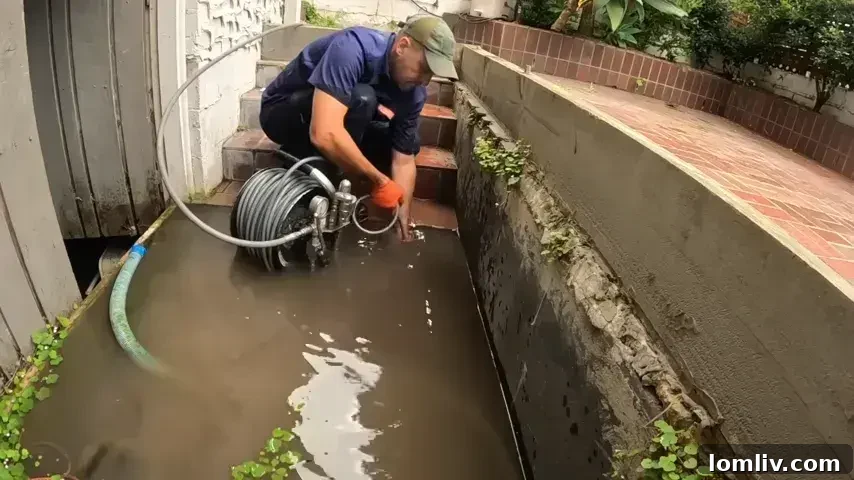
As a building manager, property owner, or even an astute homeowner, dealing with blocked drains is more than just a minor inconvenience; it’s a persistent headache that can lead to significant structural damage, costly repairs, and unhappy tenants or family members. Slow-draining sinks, overflowing toilets, and foul odors are tell-tale signs of underlying issues that, if left unaddressed, can escalate into catastrophic pipe damage and extensive water leaks. The good news is that most drain blockages are preventable with a proactive approach. By implementing a comprehensive strategy that combines tenant education, diligent maintenance practices, and thoughtful design considerations, you can significantly reduce the frequency and severity of clogs, ensuring your plumbing systems remain free-flowing and functional. This ultimate guide will delve into actionable strategies to safeguard your property against the common woes of clogged drains, saving you time, money, and stress in the long run.
By integrating these best practices into your property management or home maintenance routine, you will dramatically decrease the likelihood of encountering the frustrating and often expensive problems associated with blocked drains across your properties.
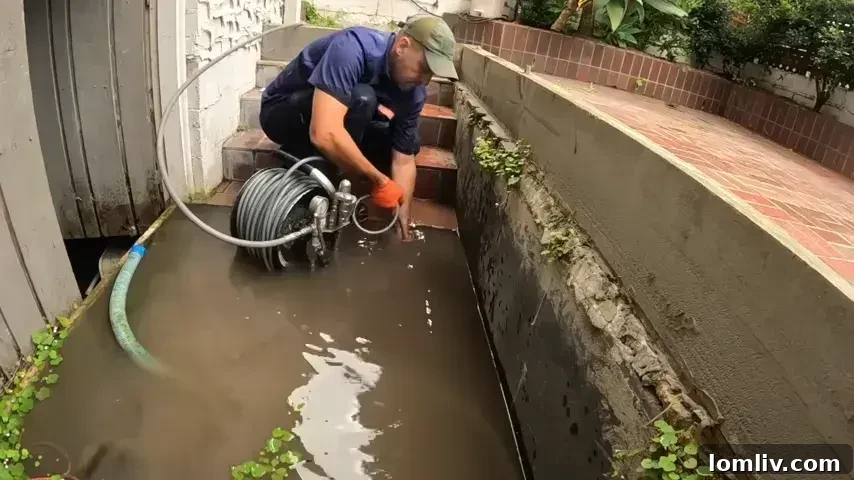
Empowering Tenants Through Drain Usage Education
One of the most critical steps in preventing drain blockages, particularly in multi-unit properties or rental homes, revolves around educating tenants on proper drain usage. Many common clogs stem from a lack of awareness regarding what should and should not be disposed of down the drain. An informed tenant body is your first line of defense against plumbing issues. Ensure your tenants receive clear, concise information on the following common culprits for drain clogs:
- Fats, Oils, and Grease (FOG): These substances may appear liquid when hot, but they solidify as they cool, clinging to pipe walls and gradually narrowing the drain’s diameter. Over time, this buildup creates stubborn blockages that are extremely difficult to clear. Encourage tenants to pour cooled FOG into a disposable container and throw it in the trash.
- Produce Stickers: Small as they are, these plastic or paper stickers do not dissolve in water. They act as “collectors,” snagging on pipe imperfections and accumulating hair, grease, and other debris, eventually forming a significant blockage. Always remove stickers from fruits and vegetables before washing or peeling them in the sink.
- Hair: A ubiquitous problem in bathroom drains, hair combines with soap scum and other debris to form dense, tangled mats. These clogs are notoriously difficult to remove and can quickly impede water flow in showers, tubs, and sinks.
- Paper Products (Non-Flushable): Items like paper towels, cleaning wipes (even “flushable” ones), tissues, and cotton pads are designed to be absorbent and durable, meaning they do not break down easily in water like toilet paper. They swell and accumulate in pipes, leading to severe clogs and even sewer backups. Only toilet paper should ever be flushed down a toilet.
- Cotton Swabs and Cotton Balls: These fibrous materials absorb water and expand, becoming lodged in drains and pipes. They do not disintegrate and instead form anchors for other debris, leading to substantial blockages. Dispose of all cotton products in the trash.
- Feminine Hygiene Products: Tampons, sanitary pads, and panty liners are designed to be highly absorbent and retain their structure when wet. Flushing them down the toilet is a major cause of sewer system clogs due to their size and inability to break down. Provide easily accessible trash bins in bathrooms for their proper disposal.
- Kitty Litter: Even “flushable” kitty litter can cause significant problems. It often contains clay or clumping agents that swell and harden in water, creating concrete-like blockages in drainpipes and municipal sewer systems. Always dispose of used kitty litter in the trash.
Reinforce these messages with simple, visually appealing signs placed strategically near sinks, toilets, and other drains. Consider including a brief guide on proper drain etiquette in tenant welcome packets or property newsletters. A small investment in education can prevent major plumbing crises.
The Simple Yet Effective Solution: Strainers and Screens
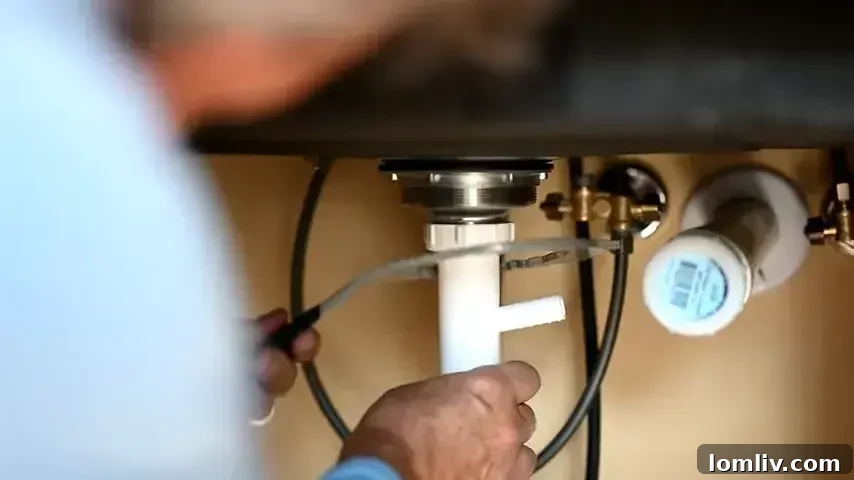
One of the most straightforward and cost-effective preventative measures against clogged drains is the installation and regular maintenance of physical barriers such as sink strainers, tub drain screens, and floor drain covers. These inexpensive devices act as a crucial first line of defense, intercepting hair, food particles, soap scum, and other debris before they enter your plumbing system. For kitchen sinks, mesh strainers effectively catch food scraps. In bathrooms, hair catchers made of silicone or metal can prevent hair from washing down the drain. Ensure these barriers are properly fitted at the entry point of all drains, including showers, bathtubs, and utility sinks. The key to their effectiveness lies not just in their installation but also in their consistent cleaning. Tenants should be advised to regularly empty and clean these strainers, preventing the collected debris from overflowing and entering the drain or becoming a breeding ground for bacteria and odors. This simple practice dramatically reduces the amount of solid waste entering the pipes, thereby minimizing the frequency of blockages and extending the life of your plumbing system.
Proactive Maintenance for Laundry Room Drains
Laundry rooms are unique environments where drains are particularly susceptible to specific types of clogs. Washing machines discharge a significant amount of lint, small fibers, and detergent residue, which can accumulate in floor drains and standpipes over time. This buildup, combined with hair and other debris, forms dense, slimy clogs that restrict water flow and can lead to slow draining or even overflows. To mitigate this, ensure that washing machines are equipped with lint traps on their discharge hoses; these simple filters capture much of the fibrous material before it ever reaches the drain. Regularly check and clean these lint traps. For laundry room floor drains, educate users on the importance of avoiding the disposal of foreign objects or excessive lint. Periodically, these drains should be inspected and cleaned, perhaps with a simple drain snake, to remove any accumulated lint or hair. Implementing a routine where users are reminded to clear lint from dryers and avoid shaking out heavily soiled items directly over the drain can also make a substantial difference in keeping these critical drains clear and functional.
Establishing a Routine for Regular Drain Monitoring
Prevention is always better than cure, and this holds especially true for drain maintenance. Implementing a schedule for regular, routine monitoring of all drains within your property portfolio is essential. This isn’t just about waiting for a clog to appear; it’s about actively checking for early warning signs. Encourage visual inspections of sinks, tubs, and showers for slow drainage. Listen for gurgling noises coming from drains, which often indicate trapped air or an impending blockage. Pay attention to any foul odors emanating from drains, as these can signal decomposing organic matter or sewer gas backing up due to a partial clog. For more comprehensive assessments, especially in hard-to-reach areas or in response to persistent issues, consider utilizing drain cameras. These specialized cameras can be inserted into pipes to provide a clear view of their internal condition, helping to identify minor faults, corrosion, root intrusion, or early stages of debris accumulation before they evolve into major blockages. Early detection through systematic monitoring allows for timely intervention, preventing minor issues from escalating into expensive and disruptive plumbing emergencies.
Scheduling Professional Sewer Drain Cleaning at Regular Intervals
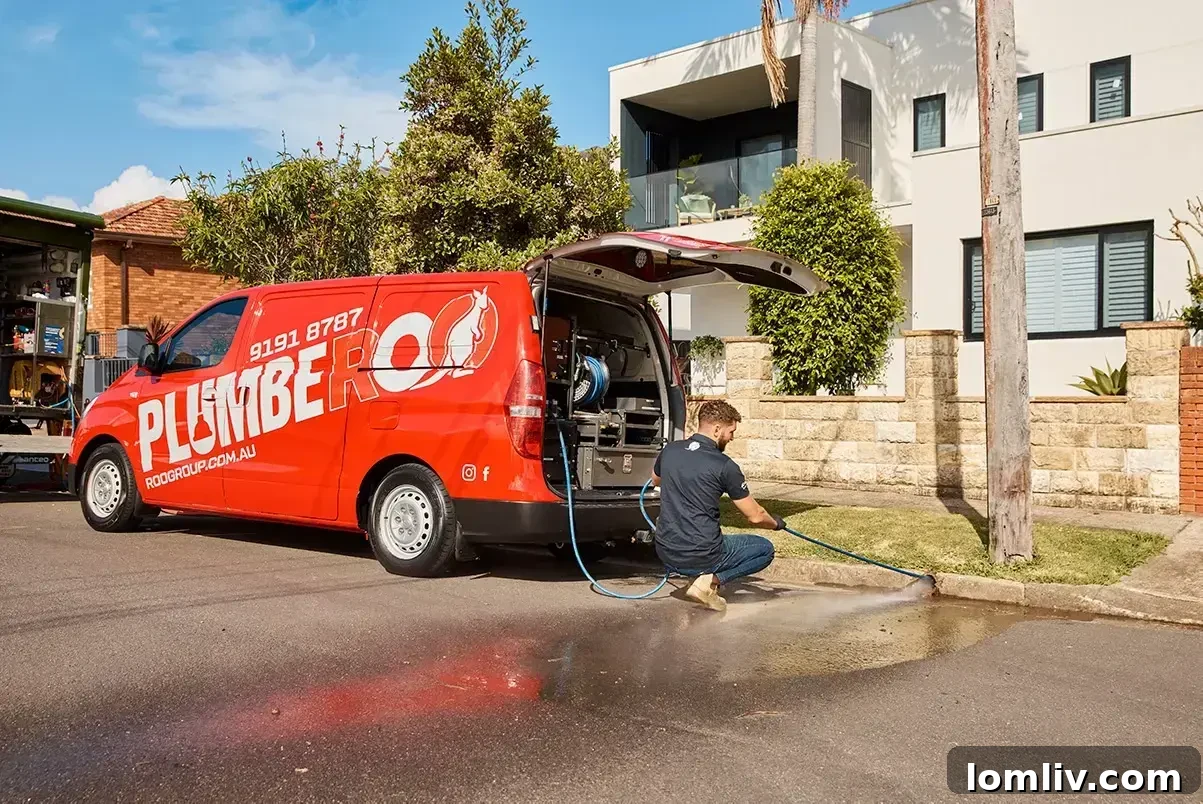
While tenant education and regular visual checks are crucial, they are not a substitute for professional, deep-cleaning services. To ensure the building’s main sewer pipes and individual lateral lines remain free from stubborn blockages and accumulated debris, scheduling professional drain cleaning is paramount. Services like hydro-jetting, which uses high-pressure water to scour the interior walls of pipes, effectively remove grease, mineral buildup, scale, and even tree roots. Auger services are also highly effective for breaking through and removing solid obstructions. It is advisable to have these preventative services performed at least every 12 to 24 months, or even more frequently in high-usage commercial properties or buildings with known plumbing vulnerabilities. This proactive measure prevents the gradual accumulation of waste that can lead to significant and costly blockages, sewer backups, and potential damage to the entire plumbing infrastructure. Investing in routine professional cleaning is a smart financial decision that safeguards your property against major plumbing emergencies.
Exercising Caution with Garbage Disposals
While garbage disposals offer a convenient way to manage food waste, they also place significant stress on a property’s plumbing system and are frequent contributors to clogs. Despite their grinding capabilities, many items commonly put down disposals, such as fibrous vegetables (celery, potato peels), coffee grounds, eggshells, and even small amounts of grease, can quickly lead to blockages downstream. These items can either jam the disposal blades or accumulate in the P-trap and pipes, creating stubborn obstructions. For rental properties, property managers might consider placing a ban on garbage disposals entirely to minimize plumbing issues. Alternatively, if disposals are deemed essential, restrict their usage to select low-power, high-efficiency models that are less prone to jamming and exert less pressure on the drain system. Crucially, educate tenants on proper disposal usage, emphasizing that disposals are meant for small amounts of soft food waste, not as a primary trash receptacle. Encouraging composting for organic waste is an environmentally friendly alternative that also protects your plumbing.
Upgrading Old Galvanized Pipes
Many older properties are still fitted with galvanized iron or steel pipes. While once a standard, these materials are highly susceptible to corrosion and rust accumulation over time. The internal diameter of galvanized pipes gradually shrinks due to this buildup, creating a rough surface that easily traps hair, grease, and other debris. This leads to reduced water flow, frequent blockages, and eventually, pipe failure. If your property still uses these outdated pipes, it is highly advisable to consider a comprehensive replacement with modern materials such as PVC (polyvinyl chloride) or PEX (cross-linked polyethylene). PVC pipes offer a smooth internal surface that resists corrosion and accumulation, allowing water and waste to flow freely. They are also more durable, easier to maintain, and less prone to leaks. While a significant upfront investment, replacing old galvanized pipes with wider, smoother PVC alternatives is a long-term solution that drastically reduces the likelihood of future clogs, improves water pressure, and enhances the overall reliability and longevity of your plumbing system.
Integrating Water-Efficient Outlets for Drain Health
The movement towards water conservation offers an unexpected benefit for drain maintenance. Installing water-efficient fixtures such as low-flow showerheads, faucets, and toilets can indirectly contribute to reducing drain clogs. While it might seem counterintuitive, the principle is simple: less water used means less solid material is flushed into the drains without sufficient water volume to carry it away effectively. Modern low-flow fixtures are designed to use less water while maintaining adequate pressure for cleaning and flushing. However, for drains, it means there’s less “flushing power” to propel solids through the pipes. The solution isn’t to avoid water-efficient fixtures, but to ensure that when they are installed, drain usage practices are also optimized. For instance, in an older plumbing system with reduced water flow from new fixtures, tenants must be extra diligent about what goes down the drain, and the benefits of these fixtures in terms of water bill savings and environmental impact far outweigh this minor consideration. Ensuring the proper pitch of pipes is crucial with any water-efficient setup to maintain adequate flow.
Implementing Intelligent Landscaping Techniques
Outdoor landscaping, while aesthetically pleasing, can pose a significant threat to your property’s exterior drains and sewer lines if not planned carefully. Tree and shrub roots are naturally drawn to sources of water and nutrients, making underground pipes an irresistible target. Aggressive root systems can infiltrate pipes through tiny cracks, loose joints, or even microscopic pores, growing inside and creating dense networks that block water flow and eventually cause severe damage to the pipe structure, leading to leaks, bursts, and extensive excavation work. To prevent this, exercise intelligent landscaping techniques: research the root systems of trees and shrubs before planting them. Avoid planting trees or large shrubs with known aggressive root systems (e.g., willows, poplars, some varieties of oak) within close proximity to your main sewer lines, septic tanks, or exterior storm drains. Maintain a safe distance, generally at least 10-20 feet away, depending on the species. Consider using root barriers when planting new trees near existing lines. Regularly inspect the ground above known pipe locations for signs of root intrusion, such as raised pavement or lush patches of grass, which could indicate a pipe leak attracting roots. Proactive planning can save your property from costly subterranean plumbing repairs.
Conclusion: A Holistic Approach to Drain Longevity
Effectively managing and preventing blocked drains requires a comprehensive and multi-faceted strategy. It’s not merely about reacting to problems as they arise, but about implementing a proactive framework that addresses potential issues at every level—from educating the occupants of a property to making smart infrastructure investments. By empowering tenants with knowledge about proper drain usage, installing simple physical barriers like strainers, diligently maintaining specific problem areas like laundry room drains, and establishing routines for regular monitoring, you lay a solid foundation for drain health. Furthermore, investing in periodic professional cleaning services, exercising caution with garbage disposals, upgrading outdated plumbing infrastructure, embracing water-efficient technologies, and employing intelligent landscaping techniques collectively contribute to a robust preventative system. Adopting this holistic approach will not only ensure your drains remain free-flowing and functional but will also significantly reduce unexpected maintenance costs, prolong the lifespan of your plumbing system, and enhance the overall value and habitability of your property. Proactive drain maintenance is an investment that pays dividends in peace of mind and operational efficiency.