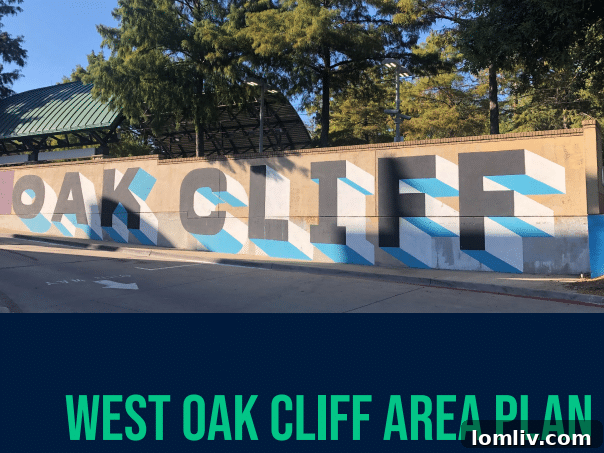
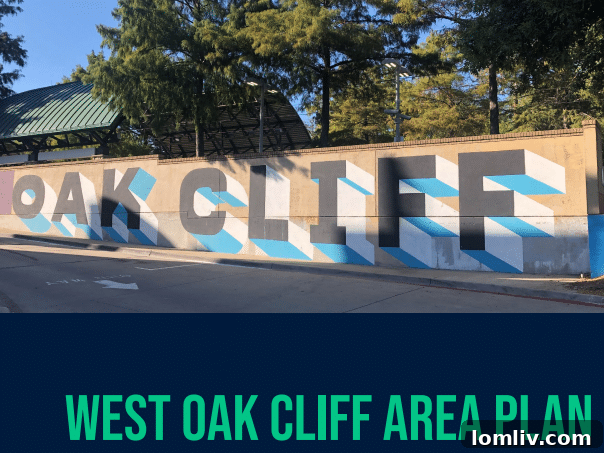
In a significant move poised to redefine urban development, Dallas is intensifying its focus on the dynamic West Oak Cliff area. For years, this vibrant community, rich in culture and history, has navigated the complexities of growth and preservation. Now, with a comprehensive strategy in place, the city aims to ensure its future is shaped by thoughtful planning rather than uncontrolled expansion.
Last month, the Dallas City Plan Commission unanimously endorsed the West Oak Cliff Area Plan (WOCAP), a pivotal document designed to intelligently guide new development while simultaneously safeguarding the interests and homes of its existing residents. This proactive framework represents a critical step towards fostering sustainable growth that respects community character and addresses pressing urban challenges.
WOCAP is far more than a mere zoning adjustment; it’s a strategic blueprint for equitable urban development. Among its innovative proposals, the plan strongly advocates for the integration of accessory dwelling units (ADUs). This initiative aims to diversify housing options, specifically targeting the “missing-middle housing” gap—housing types that bridge the gap between detached single-family homes and large apartment buildings. By encouraging ADUs, WOCAP seeks to create more attainable housing choices for a broader range of residents.
Furthermore, WOCAP streamlines the bureaucratic process for crucial urban changes. It mandates city-initiated authorized hearings, which will fast-track zoning amendments and other planning initiatives to the forefront of the city’s agenda. This critical measure prevents vital projects from languishing for months or even years, ensuring timely and effective implementation of development strategies.
As discussions around gentrification and resident displacement continue to dominate urban planning conversations across Dallas, the emergence of a meticulously crafted strategy like WOCAP takes on heightened importance. Its potential to serve as a transformative model extends beyond its specific five-square-mile purview, offering valuable lessons for other burgeoning areas facing similar pressures.
“If we fail to plan for the inevitable future, then we’re in real trouble,” stated District 1 Plan Commissioner Amanda Popken, underscoring the urgency and necessity of such comprehensive planning efforts. Her words resonate deeply with residents and planners alike, highlighting the precarious balance between progress and preservation that Dallas must strike.

The “trouble” Commissioner Popken refers to is not a novel concept in Dallas, especially within Oak Cliff. Many long-time residents vividly recall the repercussions of previous planning decisions, such as the Oak Cliff Gateway rezoning. This monumental case, one of the largest of its kind in Dallas’s history, culminated in the creation of PD830, which critics argue prioritized urban density at the significant cost of eroding the area’s distinctive neighborhood character.
Embodying the adage, “fool me once, shame on you; fool me twice, shame on me,” District 1 City Councilman Chad West openly shared with Daltxrealestate.com his acute awareness of how inadequate planning has negatively impacted Oak Cliff in recent memory. West, who served as a plan commissioner during that period, recounted the acquisition of the historic El Corazon del Tejas building and its surrounding lots by CVS. This beloved landmark in North Oak Cliff was tragically demolished in 2017, a stark reminder of unchecked development.
“If any of the creative voices in Oak Cliff had been offered an opportunity to put a better plan in action, we might have ended up with something more meaningful than a parking lot,” West lamented. “The 500-plus livid neighbors who wrote, called, or emailed my predecessor and me about the razing of El Corazon agreed. This is but one example of many in our city where the lack of good planning resulted in someone outside the city — here, a national drugstore chain — making decisions for us that we’re now forced to live with for decades.” This sentiment underscores a collective desire for community-driven development that prioritizes local values over external corporate interests.
WOCAP: Catalyzing Urban Renewal and Community Empowerment
The West Oak Cliff Area Plan stands as a vital component of Dallas’s broader commitment to strategic urban planning and the advancement of racial equity. It functions as a localized blueprint, complementing more expansive citywide initiatives such as the ForwardDallas comprehensive land use plan, the Comprehensive Housing Policy, and the Racial Equity Plan. These overarching documents collectively aim to address critical issues like affordable housing shortages and neighborhood protection across the entire city.
However, what distinguishes WOCAP is its region-specific focus, empowering residents with a greater degree of control over a historically underserved area. As an emotional Commissioner Popken articulated during a September 15 meeting, this plan represents a significant shift towards localized governance and community self-determination.
“I know we all care deeply about this neighborhood,” Popken passionately stated as she introduced WOCAP for approval. She acknowledged the underlying anxieties inherent in such profound changes, emphasizing, “We’re doing something now that can be really scary for a lot of people. This is not about race, ethnicity, or income. This is about national trends where well-designed, well-built neighborhoods near booming downtowns are increasing in value and price and are pushing out long-term residents across the nation. Everyone is searching for the right tools to combat this.” Her words highlight WOCAP’s ambition to counter these widespread displacement pressures with tailored, local solutions.
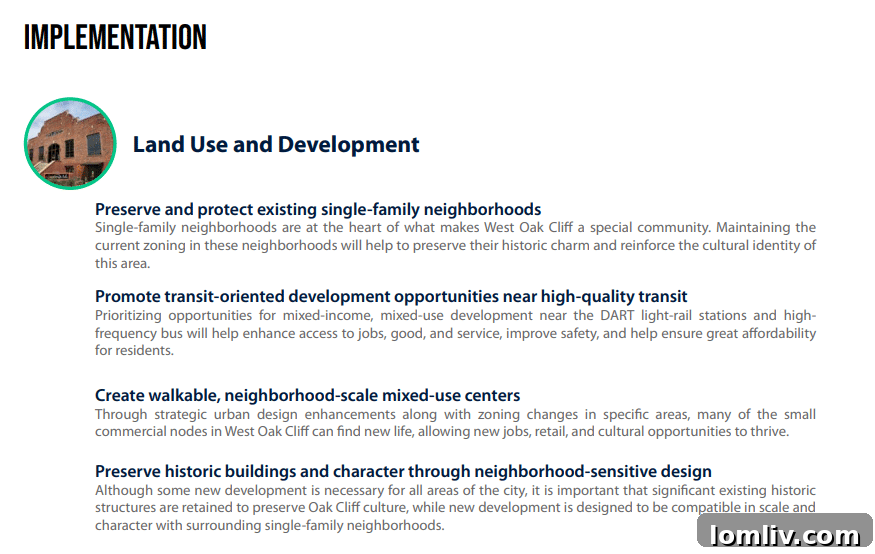
Commissioner Popken further stressed that without proactive and robust planning, the inevitable outcome would be the pricing out of lower-income residents from their beloved neighborhoods. She firmly believes that effective urban planning is intrinsically about enhancing the quality of life for all inhabitants, ensuring that development serves the community, not just market forces.
Councilman West echoed this sentiment, asserting the fundamental right of neighbors to have a significant voice in the preservation, strategic development, and organic growth of their communities. He emphasized the importance of their input in shaping how Dallas accommodates the thousands of new residents who are drawn to Oak Cliff each year.
“If we do nothing, single-family home prices will continue to skyrocket, apartment rents will go up, and developers who see dollar signs will continue to assemble neighborhoods and control the future of the zoning,” West cautioned. He articulated the core philosophy behind WOCAP: “If we don’t make a plan, someone will make it for us. WOCAP seeks to put a plan in place that is neighbor-driven as opposed to developer-driven.” This underscores the plan’s mission to empower local voices and ensure development aligns with community aspirations.
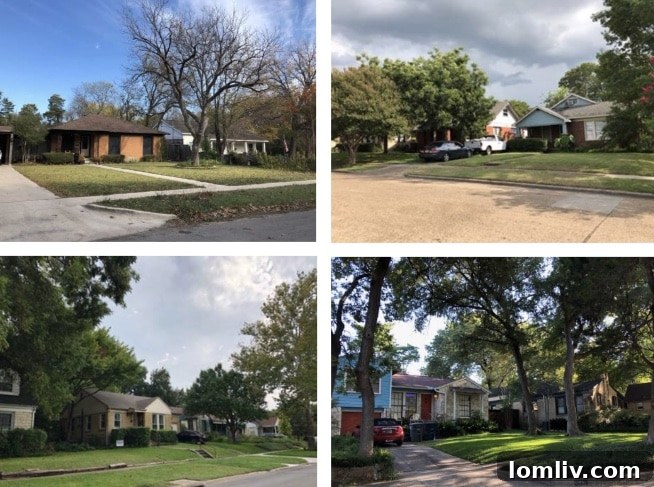
Navigating the West Oak Cliff Area Plan: Boundaries and Broad Strokes
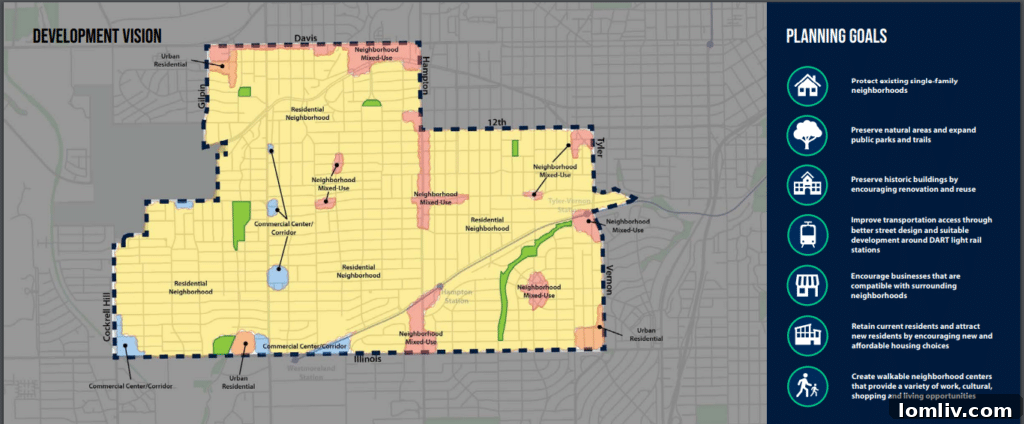
The extensive study area encompassed by WOCAP is broadly delineated by a series of key thoroughfares and landmarks. These include West Davis Street, Hampton Road, West 12th Street, and Tyler Street to the north and east, extending south to Vernon Avenue and Illinois Avenue, and westward towards Cockrell Road and Gilpin Road. This clearly defined scope ensures targeted and effective planning for the entire region.
The plan itself is the culmination of years of dedicated effort, originally conceived and drafted in 2020 under the visionary leadership of Councilman Chad West. Since its inception, it has undergone exhaustive review and discussion by the City Plan Commission, integrating diverse perspectives and refining its objectives. The Dallas City Council is scheduled to formally adopt this seminal document on October 26, marking a significant milestone for West Oak Cliff.
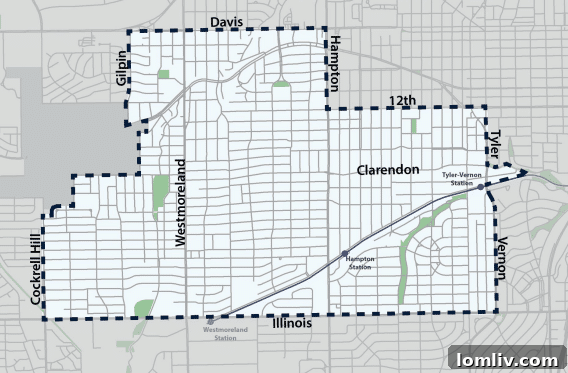
“It focuses on land use, but also captures and articulates the desires of neighbors for open space, parks, trails, historic preservation, population growth, economic development and jobs, transportation, walkability, and pretty much everything else under the sun,” West elaborated, emphasizing the plan’s holistic approach. This comprehensive scope ensures that WOCAP addresses the multifaceted needs and aspirations of the community, going far beyond mere architectural guidelines.
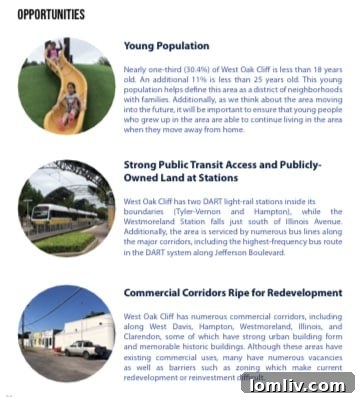
The CPC-approved version of the West Oak Cliff Area Plan is an impressive 94-page document, rich with detailed maps, illustrative photos, and compelling visual data. While it does not immediately implement drastic changes, its strategic importance cannot be overstated. Plan commissioners underscored that rezonings within an area covered by such a plan receive top priority, streamlining crucial development processes. Moreover, this document provides a robust framework against which new development proposals can be evaluated. Should a developer request something that conflicts with the plan, WOCAP significantly strengthens an opponent’s argument before any elected or appointed panel, offering a vital layer of community protection.
City officials further highlight that without a comprehensive document like WOCAP, residents and local business owners are far more susceptible to being pressured out of their properties by speculative developers. The plan acts as a shield, empowering the community to resist unwelcome changes and retain local control over their neighborhoods.
Upon its anticipated approval by the Dallas City Council on October 26, city staff have committed to prioritizing the downtown Elmwood neighborhood, placing it first in line for an authorized hearing to commence its revitalization. Adding to this momentum, the Urban Land Institute’s Dallas leadership class has selected the reimagining of Elmwood’s downtown as one of its five key projects. This collaboration signals a strong commitment to the neighborhood’s future.
“I’m excited to see what they come up with and anticipate that their recommendations, if adopted by stakeholders, will help us tee up Elmwood’s downtown for the 2024 bond,” West stated, expressing optimism for Elmwood’s transformative potential. This strategic alignment underscores the city’s proactive approach to urban development, linking current planning with future funding opportunities.
If we don’t make a plan, someone will make it for us. WOCAP seeks to put a plan in place that is neighbor-driven as opposed to developer-driven.
District 1 Dallas City Councilman Chad West
Commissioner Popken’s motion to approve WOCAP incorporated a robust set of 15 amendments, with a particularly significant modification focusing on the Tyler/Vernon DART Station area. This amendment specifically allows for Accessory Dwelling Units (ADUs) while concurrently ensuring the preservation of the single-family character that defines this immediate region. This nuanced approach demonstrates WOCAP’s commitment to balanced development.
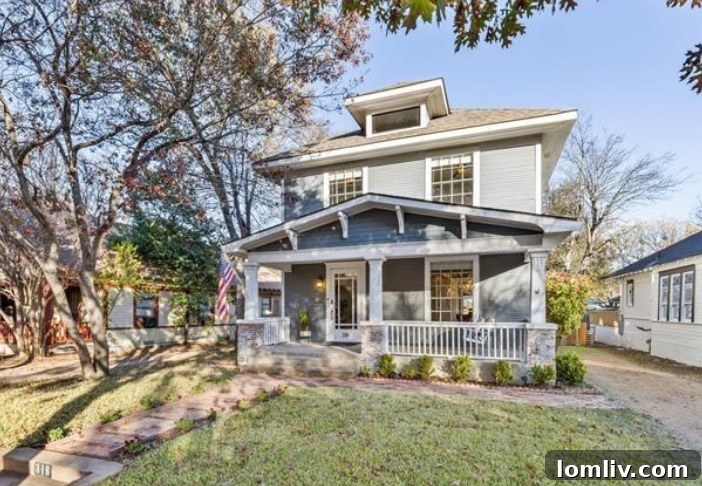
A diverse range of preferences has emerged from the community regarding housing types. Some neighbors have formally requested an authorized hearing to explore additional “missing-middle” housing solutions, such as duplexes, triplexes, fourplexes, and cottage homes situated on larger lots. Conversely, other residents have expressed a desire for only ADUs to be permitted in their neighborhoods, and under the newly approved plan, these specific areas will retain their protected status. Beyond these options, residents are also keen to pursue conservation districts and historic districts, further highlighting the community’s dedication to preserving their unique architectural and cultural heritage.
“There’s no one tool that’s going to solve the issue,” acknowledged Andrea Gilles, Assistant Director of Planning and Urban Design. She provided an insightful example: “For example, a conservation district, which people have referred to as ‘historic district light’ because it doesn’t have the same strict architectural requirements and process, [has] a lot of focus on architectural style and design … You can still build new things, and you can build expensive new things, but it should blend in with the existing character.” This explanation underscores the flexibility and adaptability inherent in WOCAP’s approach to community development and preservation.
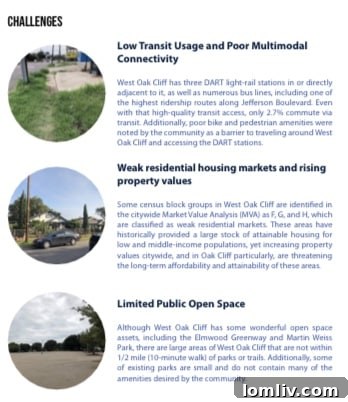
While affordable housing remains a top priority within the WOCAP framework, the concerns of West Oak Cliff residents extend to broader issues such as displacement, escalating property values, and rising property taxes. These complex challenges, as Commissioner Popken candidly explained to Daltxrealestate.com, cannot be resolved with a single, sweeping solution. Instead, they require a sustained and multi-faceted approach.
Crucially, WOCAP empowers residents to articulate their vision for the future of their neighborhoods, ensuring that their desires for upcoming generations are formally documented and considered. This participatory process is central to the plan’s ethos.
“Instead of waiting until the city has shaped us in ways that may not be improving our quality of life, urban planning is standing up for our historically-disinvested neighborhoods,” Popken asserted. “Everyone wants safe neighborhoods — good schools, good parks, good sidewalks, and opportunities. That’s where this plan really achieves something for the West Oak Cliff area. It’s a road map forward.” Her statement encapsulates WOCAP’s transformative potential to foster vibrant, equitable, and sustainable communities.
Combating Displacement through Diverse Housing Strategies
Councilman West firmly identifies the critical shortage of housing supply in desirable areas like Oak Cliff as the fundamental driver behind surging property prices. This imbalance between demand and availability exacerbates affordability challenges and fuels the risk of displacement for long-term residents.
“Simply put, we need more housing options in Oak Cliff, and that includes both ‘for sale’ and rental units,” West emphasized. “WOCAP seeks to provide that through ADUs, and, if neighborhoods will embrace it, missing-middle housing such as duplexes and fourplexes. City staff still has a lot of groundwork to do in neighborhoods helping them understand how missing-middle housing can help slow down, instead of cause, displacement.” This nuanced approach aims to increase density gently and in a manner that integrates seamlessly into existing community fabrics.
Residents have explicitly voiced their strong desire to prevent the proliferation of massive, block-sized apartment structures that have noticeably altered the character of the Bishop Arts area, West added. This sentiment reflects a community-wide preference for development that respects the existing scale and aesthetic of their neighborhoods.
“I support the neighbors 100 percent on preventing this type of development within our single-family neighborhoods,” he affirmed. However, West also highlighted the potential benefits of strategically placed higher-density residential options: “I do think that we should consider the higher density along retail corridors to attract more varied types of retail to supplement our current offerings throughout Oak Cliff.” This balanced perspective seeks to concentrate larger developments in areas that can best accommodate them while preserving the integrity of single-family zones.
‘Community Engagement: Bridging Divides for a Shared Future’
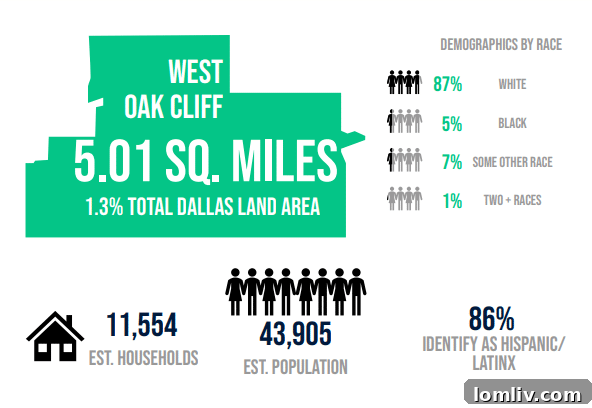
The WOCAP study area is home to approximately 43,000 residents, with a notable demographic makeup: roughly 86 percent of the population identifies as Hispanic. While the feedback collected represents about 2 percent of these residents, the engagement process has been widely praised by planners.
“By all standards, there was a good amount of resident engagement in the process,” stated Popken, drawing on her professional expertise in community engagement. “I do think the plan accurately represents the hopes and wishes of a good segment of the population. It’s often difficult to get people to engage. The feedback I’ve heard is overwhelmingly positive.” This positive reception indicates a broad consensus among a significant portion of the community regarding WOCAP’s direction.
However, the feedback was not entirely unanimous, reflecting the inherent complexities of urban planning within diverse communities.
During the September 15 CPC meeting, public comments included criticisms that the process had been “completely fouled up from the beginning,” dismissive of the concerns of poor and working-class residents, and seemingly designed for a hypothetical future population rather than addressing the immediate needs of those who currently inhabit the area.
“We live in a political economy in which people who have less education, less wealth, and less political power are ignored,” argued Kellogg Avenue resident Billy Rangel. He asserted that “Our community values, our neighborhood needs, and the liveability of Oak Cliff are not compatible with the West Oak Cliff Area Plan,” highlighting a perceived disconnect between the plan’s objectives and the realities faced by certain segments of the community.

Bishop Avenue resident Albert Mata urged city leaders to extend additional consideration to communities such as West Oak Cliff, which have historically suffered from neglect or inadequate engagement in planning processes. His plea underscores the importance of equitable representation and targeted outreach for vulnerable populations.
“There is a housing shortage in Dallas and [missing-middle housing] has been identified as a solution, but we must have context with the areas where these recommendations are being made,” Mata emphasized during the September CPC meeting. He continued, “If this commission wants to help communities like South Edgefield then sometimes you must reject certain favored policies to honor the voices coming from those neighborhoods.” This powerful statement advocates for a contextualized approach to urban planning, one that prioritizes the unique needs and desires of individual neighborhoods over blanket solutions.
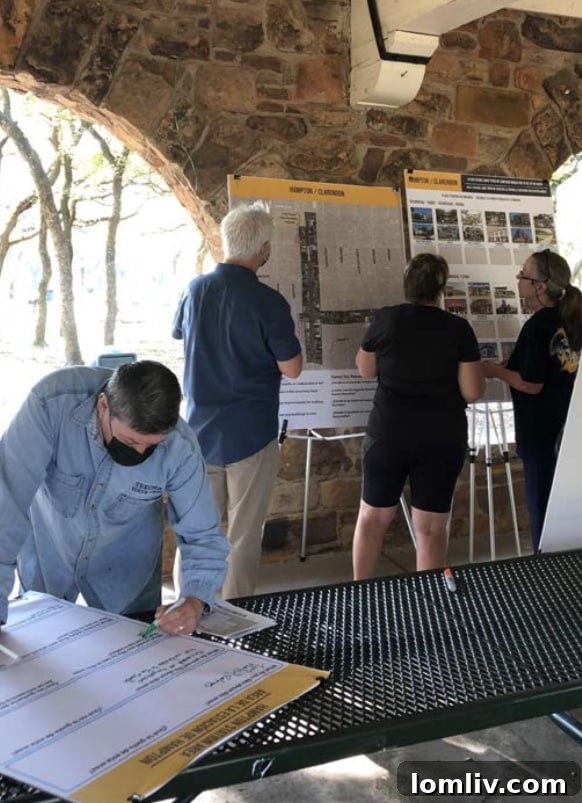
Councilman West openly acknowledged that WOCAP’s approval process encountered “initially rocky” phases at both the ForwardDallas and City Plan Commission levels. However, he emphasized that the final details were meticulously ironed out through a series of thoughtful compromises on a few key issues, which ultimately constitute only a very small portion of the comprehensive plan.
“The other 95 percent was hammered out over [more than two years] by the task force of hard-working neighbors and city staff,” he explained. West detailed the extensive efforts involved: “These efforts consisted of dozens of community meetings, thousands of touch points and comments from neighbors, and countless hours of work by the task force, staff, and neighborhood organizations.” This dedication illustrates the profound commitment to a truly collaborative planning process.
During the September 15 CPC hearing, several residents also vocalized their strong support for the plan. They specifically advocated for the inclusion of ADUs and for the implementation of design overlays, which strategically limit the floor plans, overall size, and architectural style of new homes. These measures are crucial for preserving the aesthetic and character of existing neighborhoods.
Gerry Figueroa, owner of a local Oak Cliff auto shop, eloquently argued that ADUs serve a dual purpose: they effectively increase density in a gentle manner and, crucially, they enable the creation of new housing that is driven by the needs and desires of residents themselves, rather than by external investors. This focus on resident-led development is a cornerstone of WOCAP’s vision.
“We ask that the city initiate an authorized hearing that explores options such as a conservation district, zoning ordinance, overlay plan, lot size restrictions, or other appropriate planning protections,” Figueroa urged. He added, “By having this process initiated by the city, we lift the burden that is placed on neighborhoods that find themselves in the crosshairs of developers.” This proactive stance aims to empower communities against the pressures of speculative development, ensuring their voices are heard and protected.

Councilman West powerfully stressed that the gravest mistake for West Oak Cliff would be inaction. He drew a vivid parallel to other parts of the city, illustrating the dire consequences of neglecting proactive planning. This foresight is crucial for shaping a resilient future for the community.
“The displacement in the Bishop Arts area happened over a couple of decades as developers bought up most of the properties, and then controlled enough of it that they were able to call the shots at City Hall,” he explained. West emphasized the current, critical window of opportunity: “We have the chance now, while most lots within our WOCAP neighborhoods are owned by local property owners, to set the stage to protect our neighborhoods for the next 20 to 50 years. But to do so, we have to consider the need for gentle density such as duplexes and fourplexes. Otherwise, we risk ‘Highland Park-ing’ our single-family neighborhoods due to rising prices and lack of inventory.” This stark warning underscores the urgency of implementing WOCAP’s vision.
“In a nutshell, we have to find the balance between preservation — keeping our single-family neighborhoods and lifestyles intact — and meeting housing demand. That balance, in my opinion, is the surest route to slowing down displacement,” West concluded, encapsulating the core philosophy of the West Oak Cliff Area Plan. This vision champions a sustainable, equitable future where growth harmonizes with community values, protecting the cherished character of West Oak Cliff for generations to come.