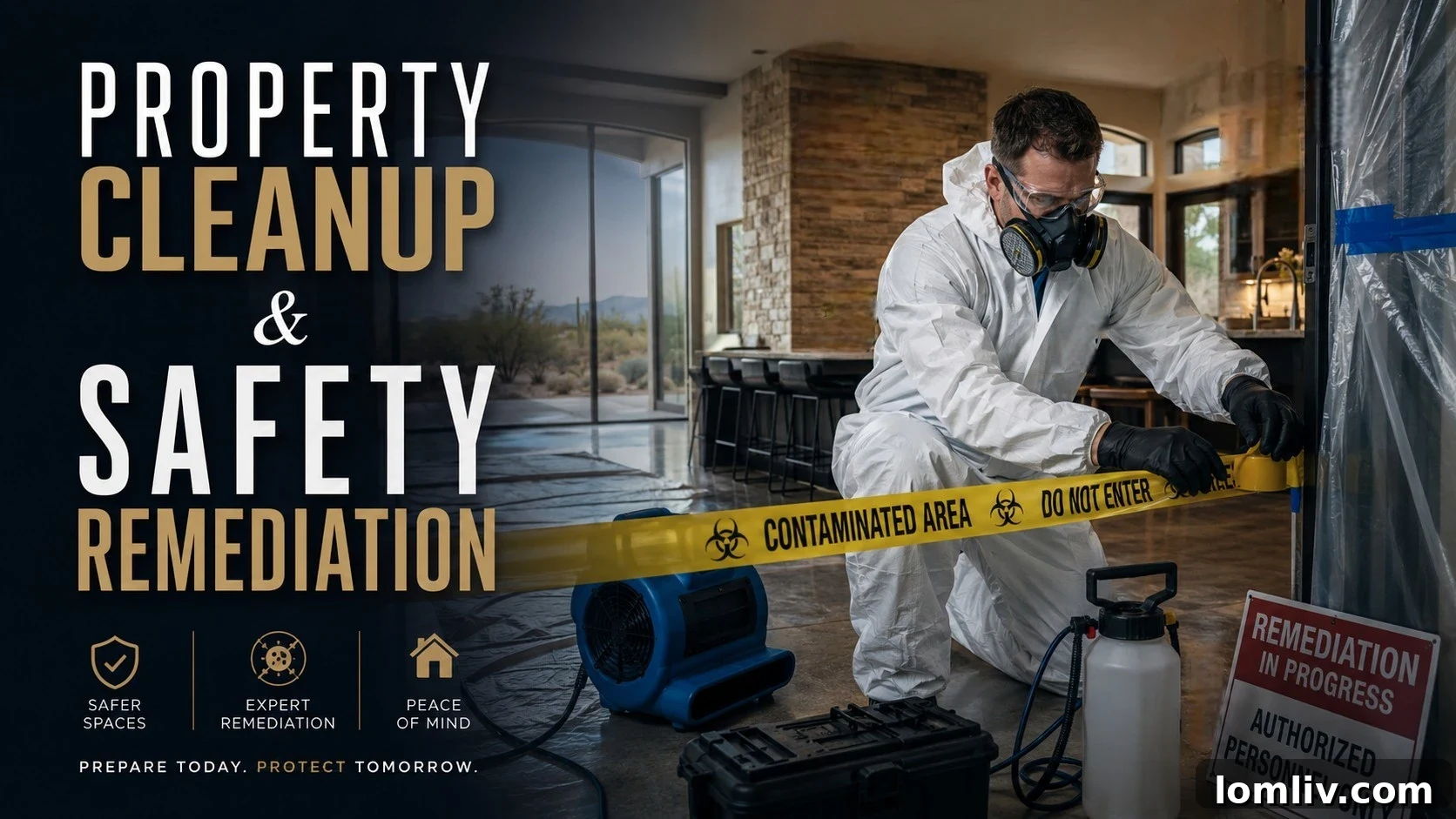
Key takeaways:
- Standard cleaning removes dirt and clutter; remediation addresses contamination, odors, and exposure risks.
- Biohazard cleanup can involve blood, bodily fluids, feces, needles, decomposition, or infectious materials.
- Death cleanup, trauma scenes, and unattended deaths require privacy, safety controls, and careful material removal.
- Hoarding cleanup often includes sorting, debris removal, deep cleaning, odor control, and biohazard remediation when contamination is present.
- Rodent, sewage, mold, and drug-related cleanups pose health risks if handled incorrectly.
- Vehicle remediation is needed when contamination reaches seats, carpets, vents, or hidden interior areas.
- Call professionals when contamination has penetrated porous materials or the cleanup feels unsafe.
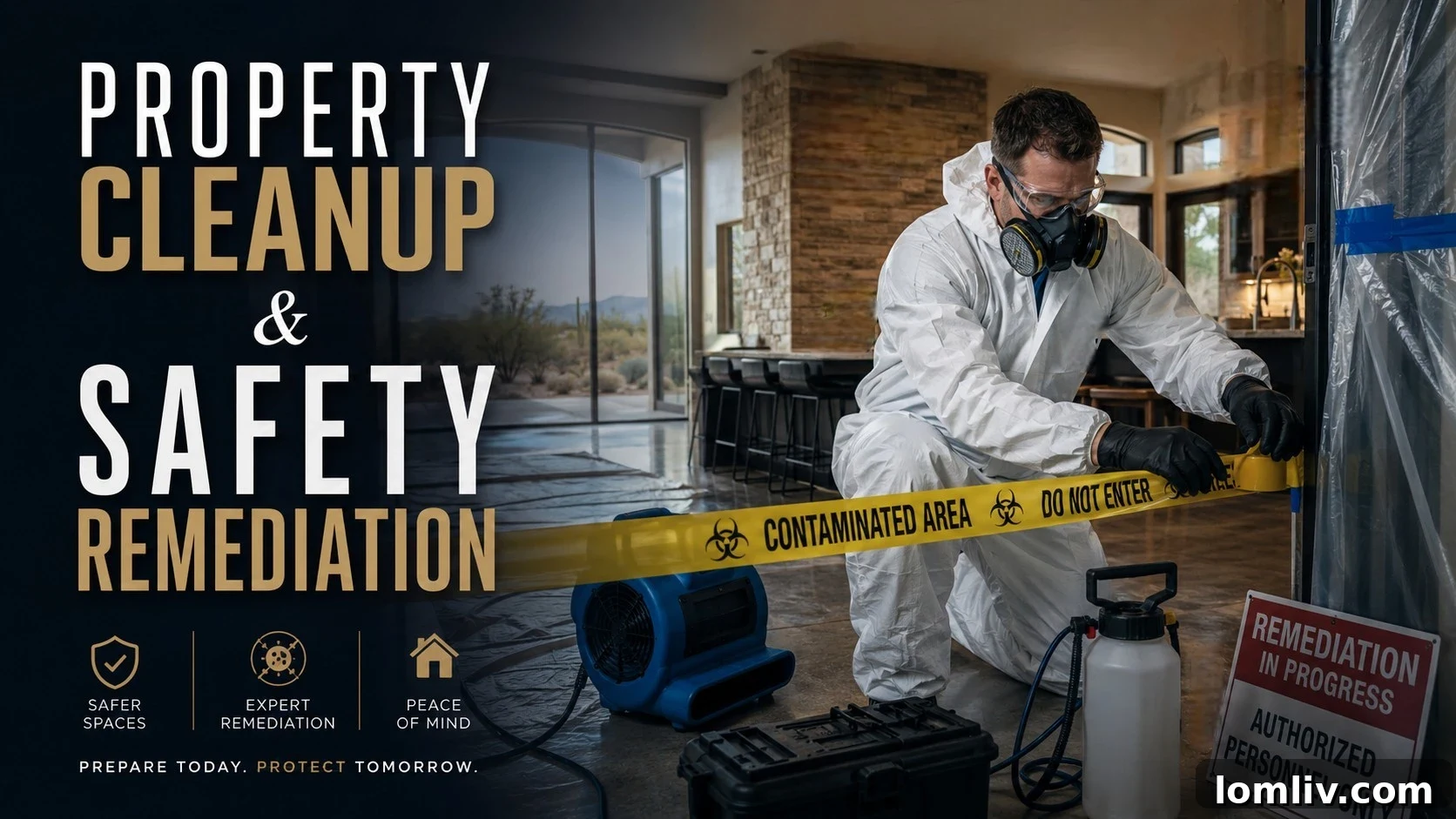
When Is Cleanup More Than Regular Cleaning?
Cleanup becomes more than routine when a space contains biological waste, strong odors, mold, sewage, needles, decomposition, rodent droppings, or unsafe clutter. At that stage the priority shifts from appearance to removing contamination, reducing exposure risks, and restoring a safe environment.
Regular cleaning addresses dust, dirt, stains, and everyday messes. Remediation is required for materials that may be hazardous, emotionally difficult, deeply absorbed into surfaces, or unsafe to handle without proper personal protective equipment (PPE). The correct response depends on what occurred, how long it has been present, and which materials are affected.
Signs a Property Needs Biohazard Cleanup
A property needs professional biohazard cleanup when blood, bodily fluids, feces, urine, medical waste, sharps, decomposition fluids, or other potentially infectious materials are present. These contaminants can penetrate floors, walls, furniture, mattresses, vehicles, bathrooms, and hidden spaces.
Blood and certain body fluids demand extreme care. Workers exposed on the job follow standards that treat human blood and some body fluids as potentially infectious. Even when risk levels vary, a casual cleanup approach is unsafe when biohazards are involved.
Typical biohazard cleanup includes containment, safe material removal, deep cleaning, disinfection, deodorizing, and proper disposal. In severe cases, technicians may remove carpet, padding, subflooring, drywall, or furniture that cannot be safely restored.
Why Death Cleanup Requires a Specialized Approach
Death cleanup follows a different process because decomposition, trauma, or blood loss can contaminate materials far beyond what is visible. Unattended deaths, suicides, homicides, and traumatic incidents often affect flooring, bedding, furniture, walls, baseboards, and indoor air quality.
The process usually begins with identifying the affected area and removing unsalvageable porous materials. Hard surfaces can often be cleaned and disinfected, but soft materials absorb fluids and trap odors. Decomposition odors can move through small openings, HVAC vents, and nearby belongings.
Work of this nature also requires discretion. Families, property managers, landlords, and business owners may be facing grief, legal questions, tenant issues, or insurance claims. A professional response should be respectful, private, and focused on restoring the space.
Trauma and Crime Scene Cleanup vs. Basic Biohazard Removal
Trauma and crime scene cleanup differs from basic biohazard removal because scenes can include blood, tissue, damaged materials, broken glass, law enforcement residue, or multiple contamination points. Cleanup must address both visible and concealed affected areas.
A surface that looks clean after a quick wipe may still harbor contamination in seams, cracks, grout lines, fabric, padding, or unfinished wood. Proper trauma cleanup typically involves a thorough inspection, controlled demolition where needed, commercial-grade disinfection, and advanced odor treatment.
The primary aim is not to erase the emotional impact of an event but to make the property safe to re-enter, repair, rent, sell, or live in again.
When Hoarding Cleanup Becomes a Major Safety Hazard
Hoarding becomes a serious safety hazard when clutter blocks exits, hides pest infestations, creates fall risks, traps moisture, or contains spoiled food, feces, urine, mold, sharps, or other biohazards. Extreme clutter can also impede emergency responders from entering a home.
Professional hoarding cleanup often includes sorting, debris removal, item recovery, deep cleaning, odor control, disinfection, and pest-related remediation when necessary. The process requires patience because hoarded belongings may hold significant emotional value for the resident.
In some situations the work is largely organizational. In more severe cases it becomes full remediation because contamination has seeped under piles, into flooring, or behind appliances.
Why Cleaning Up Rodent Droppings Is Riskier Than It Looks
Rodent dropping cleanup is risky because urine, droppings, saliva, and nesting materials can expose people to disease when disturbed. Certain viruses can spread when fresh rodent waste is stirred up and inhaled, which makes dry cleaning methods dangerous.
Sweeping, vacuuming, or blowing out droppings can push contaminated particles into the air. Safe remediation uses proper ventilation, full PPE, wet-cleaning techniques, thorough disinfection, removal of nesting materials, and sealing entry points to prevent future infestations.
Rodent cleanup is common in attics, crawl spaces, garages, sheds, basements, vehicles, storage units, and vacant homes.
The Urgency of Sewage Backup Cleanup
Sewage cleanup is urgent because wastewater can carry harmful bacteria, viruses, and contaminants that do not belong in living spaces. Prompt action reduces exposure risks and limits long-term damage.
Raw sewage can quickly damage flooring, baseboards, drywall, cabinets, furniture, and personal items. Remediation involves extracting wastewater, removing porous materials, disinfecting hard surfaces, using commercial dehumidifiers to dry the space, and controlling odor.
Children, pets, the elderly, and immunocompromised individuals should remain out of affected areas until cleanup is complete. The longer sewage sits, the more extensive the damage becomes.
When Mold Removal Enters the Picture
Mold remediation is necessary when trapped moisture allows visible or hidden growth on walls, flooring, furniture, insulation, or other materials. It commonly follows plumbing leaks, basement flooding, sewage backups, poor ventilation, roof damage, or prolonged clutter.
Controlling moisture is the key to mold prevention. Water-damaged areas and items should be dried within 24 to 48 hours to limit mold growth. Mold cleanup is incomplete if the original leak or moisture source is not corrected first.
Proper mold remediation includes sealing off the area, removing damaged materials, HEPA vacuuming, scrubbing surfaces with appropriate cleaners, drying the space, and recommending fixes to prevent recurrence.
What Exactly Is Vehicle Remediation?
Vehicle remediation is far more than a standard car wash. It is deep cleaning of cars, trucks, or vans after biohazard exposure, unattended deaths, trauma, heavy drug use, rodent infestations, severe mold, or long-term neglect. Contaminants and odors can sink into seat foam, floorboards, vents, and tight interior seams.
Remediation often requires dismantling interior components, cleaning hard surfaces, extracting contaminants, applying odor treatments, and discarding materials that cannot be restored.
Standard auto detailing is not designed for this work. True vehicle remediation prioritizes biological safety and permanent odor and contaminant removal rather than cosmetic improvements.
Drug-Related and Homeless Encampment Cleanups
These cleanups focus on the safe removal of used needles, drug paraphernalia, chemical residue, trash, human waste, spoiled food, and contaminated belongings from indoor or outdoor spaces. Property managers commonly encounter these situations in vacant apartments, hotel rooms, parking lots, alleys, abandoned buildings, and commercial sites.
The primary dangers are accidental needle sticks, exposure to unknown substances, biological waste, and severe pest infestations. Effective cleanup requires puncture-resistant PPE, careful debris collection, heavy disinfection, and properly regulated waste disposal.
Landlords and business owners should act quickly because contaminated properties become significant liabilities and may be unsafe for staff, new tenants, customers, or children.
Should You Handle the Cleanup Yourself?
DIY cleanup is appropriate only when the mess is small, non-hazardous, emotionally manageable, and confined to surfaces that can be safely cleaned. Bring in professionals if blood, decomposition, raw sewage, rodent droppings, mold, needles, or contamination that has soaked into porous materials like drywall and carpet are involved.
Before starting, ask three practical questions:
- Can I accurately track where the contamination spread?
- Do I have the correct PPE and commercial-grade disinfectants?
- Am I legally and safely able to dispose of the affected materials?
If the answer to any question is no, treat the situation as a remediation project rather than a weekend chore.
Summary
What starts as a bad odor, heavy clutter, or minor water damage can quickly become a serious safety hazard when fluids, waste, mold, rodents, or raw sewage are present. A proper response locates the source, stops the spread, removes unsalvageable materials, disinfects thoroughly, and restores the property with discretion.
If you need discreet, professional assistance with biohazards, unattended deaths, hoarding, mold, sewage, rodent infestations, vehicle remediation, odor removal, or drug-related contamination in Washington, contact a local remediation specialist for a private assessment and a clear plan forward.