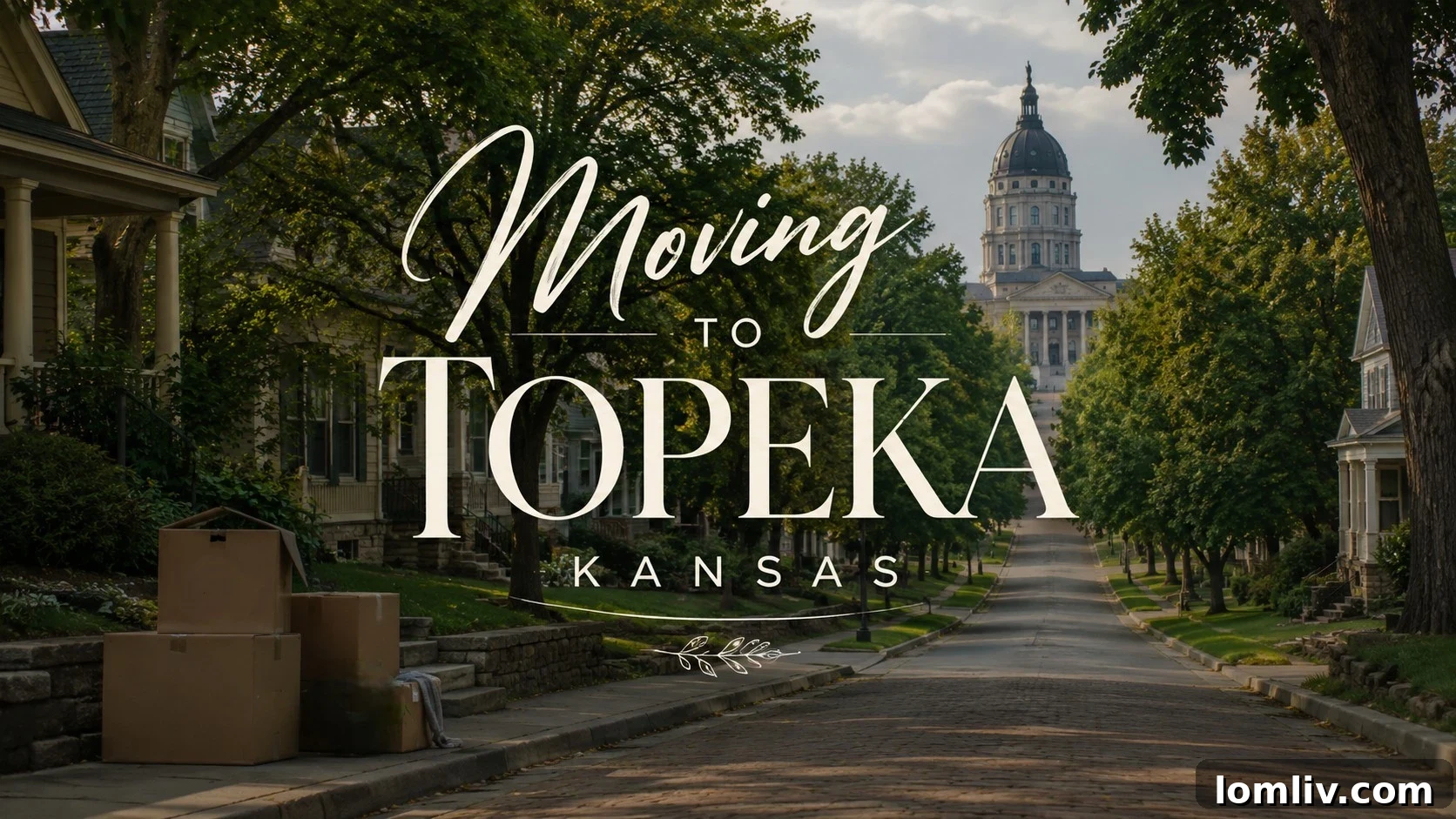
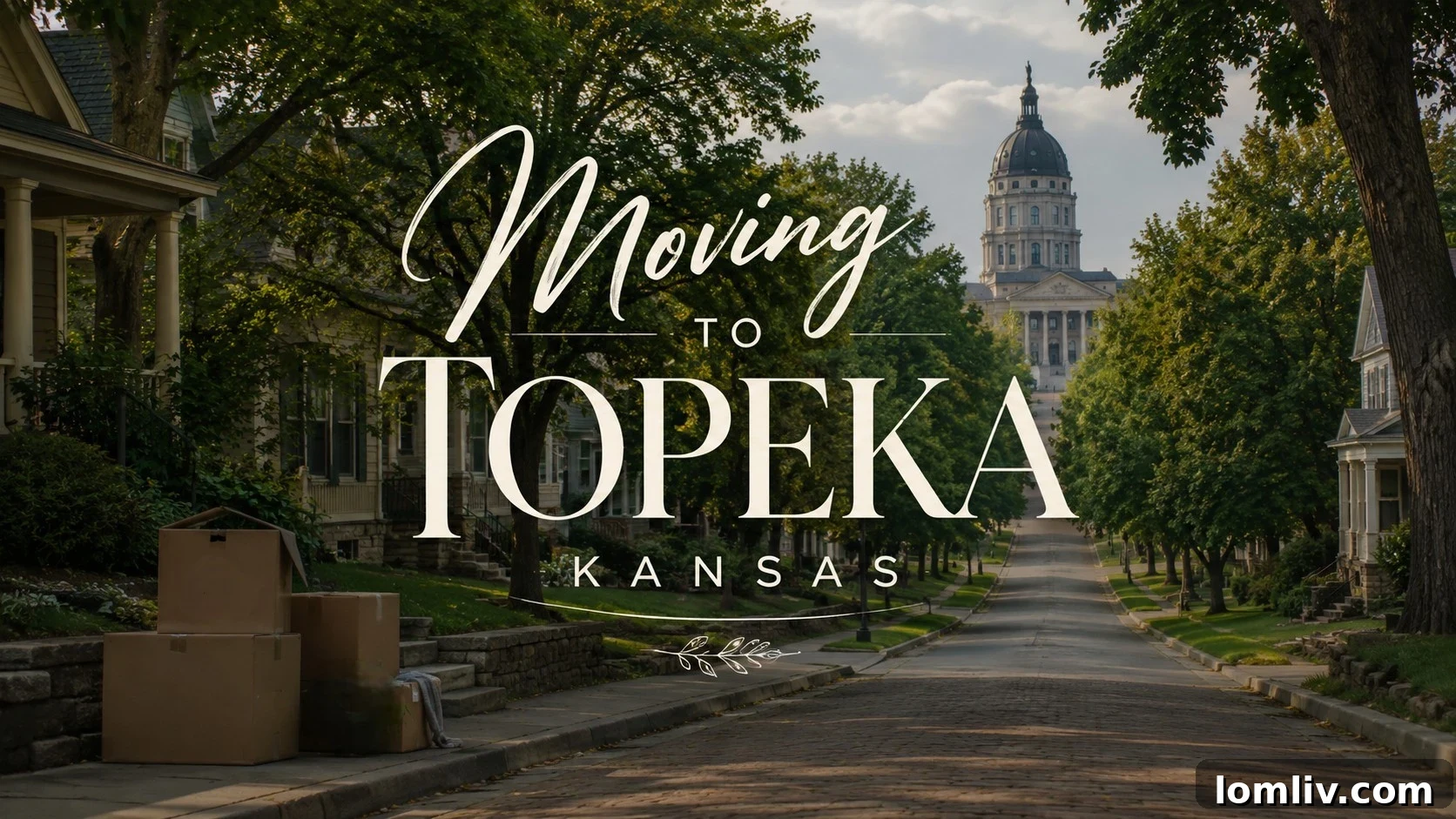
Topeka, Kansas, is a mid-sized state capital that offers affordable housing, reasonable commutes, steady job sectors, and more local culture than many newcomers expect. It’s not the right fit for everyone—issues like severe weather, uneven neighborhood safety, and a limited job market in certain fields are important to consider—but for people seeking a lower-cost city with basic conveniences and room to settle, Topeka deserves a close look.
Below are key things to know if you’re evaluating a move to Topeka, with practical details to help you compare neighborhoods, costs, and lifestyle tradeoffs.
1. The Cost of Living Is One of Topeka’s Biggest Advantages
Overall living expenses in Topeka tend to be below the national average, and housing is a major reason why. Rent, groceries, utilities, transportation, and routine services are generally easier to manage than in many coastal or rapidly growing metro areas. That financial breathing room can matter a lot when relocating from a higher-cost region.
Keep in mind that individual budgets vary. Your housing choice, health care needs, insurance, taxes, and commute will shape what “affordable” means for you, so use multiple calculators and local data rather than relying on a single online estimate.
2. Housing Is Affordable, but the Market Is Not Standing Still
Home values and sale prices in Topeka often fall in the high $100,000s to low $200,000s, and rental rates are typically below national averages. That makes ownership and renting more accessible than in many larger cities.
However, desirable properties can move quickly and inventory fluctuates. Some affordable homes may need repairs, updates, or higher maintenance than initially apparent. Buyers and renters should factor in property taxes, insurance, inspection findings, utility costs, and long-term upkeep when evaluating total housing expense.
3. Newcomers May Qualify for Relocation Incentives
Topeka offers relocation incentives through local programs that can reduce moving costs for eligible workers. Some programs provide employer-matched funds toward rent, home purchase, or home rehabilitation. Remote workers have also seen separate incentive paths in the past.
Eligibility criteria vary by program and can depend on employer participation, income, timing, residence status, and whether you apply before relocating. If you plan to rely on incentives, research current requirements and confirm details before signing a lease, accepting a job, or buying a home.
4. Topeka Is a Mid-Sized Capital, Not a Boomtown
With roughly 126,000 residents, Topeka is the fifth-largest city in Kansas. Its population has been mostly stable or slightly declining in recent years, so the city offers a calmer, steadier pace rather than rapid expansion. That can be an advantage if you prefer predictability, but it also means you shouldn’t expect the nonstop development, nightlife, or job turnover typical of larger metros.
The city’s population is diverse, with significant White, Black, Hispanic or Latino, and multiracial communities contributing to local culture. Median household income is modest compared with national figures, and pockets of poverty remain. Affordability is a clear benefit, though prosperity is not uniform across the city.
5. The Weather Deserves Real Preparation
Topeka experiences a true four-season Great Plains climate: hot, humid summers with July highs around 90°F and cold winters where January lows often reach the low 20s. Seasonal variation is pronounced.
Severe weather is a critical factor. The region is susceptible to tornadoes and strong thunderstorms. Historically, the area has endured destructive storms, so locals take weather warnings and shelter access seriously. Before moving, learn local alert systems, assemble emergency supplies, and assess storm-safety options when touring homes or apartments.
6. The Job Market Is Stable, but Not Huge
Topeka’s economy centers on government, health care, education, manufacturing, logistics, and professional services. As the state capital, public-sector employment is significant, and major regional employers include hospitals, school systems, insurance, rail, food manufacturers, and the university.
This mix produces a steady employment base, but the market is smaller than in large metros. If you work in a specialized field, openings may be limited, so research industry demand and consider remote work options. Remote workers should verify internet quality, workspace needs, and travel logistics before committing.
7. Crime and Safety Vary Sharply by Area
Citywide crime figures can make Topeka appear less safe than national averages, although recent reporting shows some improvements. Safety varies block by block: some neighborhoods feel quiet and residential while others experience more visible crime or disorder.
Treat safety as a local research task. Review police data and crime maps, visit neighborhoods at different times of day, and talk to residents when possible. Do not assume the citywide average reflects conditions on a specific street or in a particular apartment complex.
8. Neighborhoods Have Very Different Personalities
Topeka’s neighborhoods offer distinct characters. Westboro and Potwin showcase older homes, mature trees, and historic charm. College Hill sits near Washburn University and has a student-adjacent atmosphere. The NOTO Arts and Entertainment District is an active creative hub with galleries, restaurants, shops, public art, and regular community events.
Other areas—Oakland, Central Park, Quinton Heights, and parts of southwest Topeka—provide different mixes of price, housing age, access, and neighborhood feel. Decide whether you prioritize walkability, historic architecture, newer suburban housing, school access, lower rent, or a quieter setting, and explore each area by driving and walking before choosing a home.
9. The Cultural and Family Attractions Are Stronger Than Expected
For its size, Topeka offers a solid array of history, arts, parks, and family activities. Key local attractions include a national historical park tied to Brown v. Board of Education, the Kansas State Capitol, the Topeka Zoo, the Kansas Children’s Discovery Center, Gage Park, Lake Shawnee, and the NOTO Arts District—each providing regular programming and weekend options.
Note that some attractions may change over time; verify current offerings when planning visits or evaluating local amenities. Even with occasional closures or relocations, the city maintains a meaningful cultural scene for residents and visitors.
10. Daily Life Is Convenient, but You Still Need to Check the Details
Topeka sits about 60–65 miles from Kansas City, giving residents access to a larger metro’s events, sports, and airport options without daily exposure to big-city traffic. Local commutes tend to be short, and many errands can be completed with less travel time than in larger urban areas.
Education options include Washburn University and technical training programs, plus multiple public school districts. For families, school attendance boundaries matter—always confirm the exact school assignment for a given address before signing a lease or buying.
In summary, Topeka is a practical choice for people who value affordability, manageable traffic, essential amenities, and a slower pace without complete isolation. It’s less suitable for those who require a vast job market, dense nightlife, or year-round mild weather. With careful neighborhood selection and clear expectations, Topeka can be a sensible, grounded place to build a life.