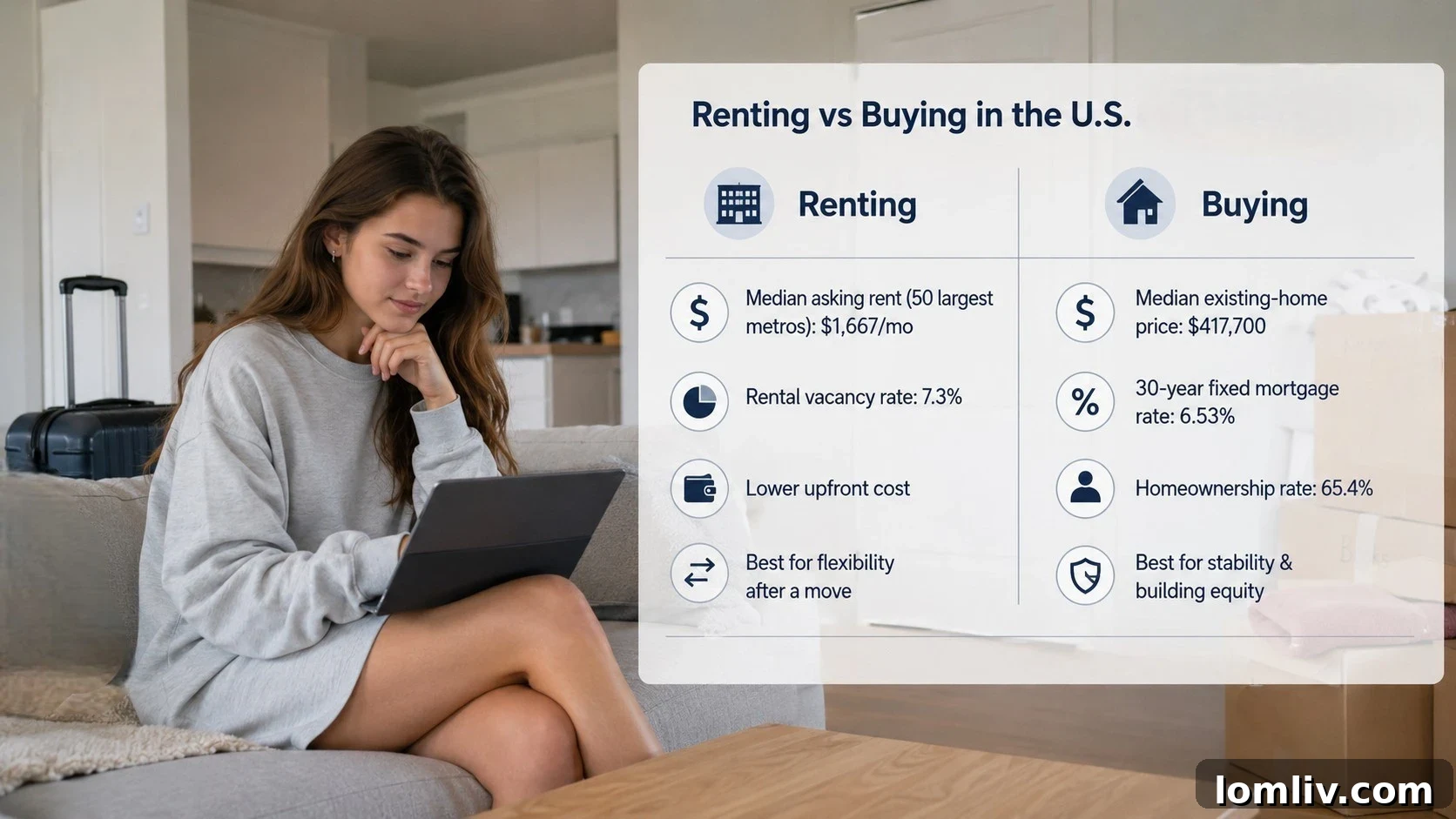
Moving to a new city means deciding early whether to rent or buy. The right choice depends on your budget, timeline, job stability, and long-term plans. Below is a clear, practical guide to help you weigh the pros and cons and choose the option that fits your situation.
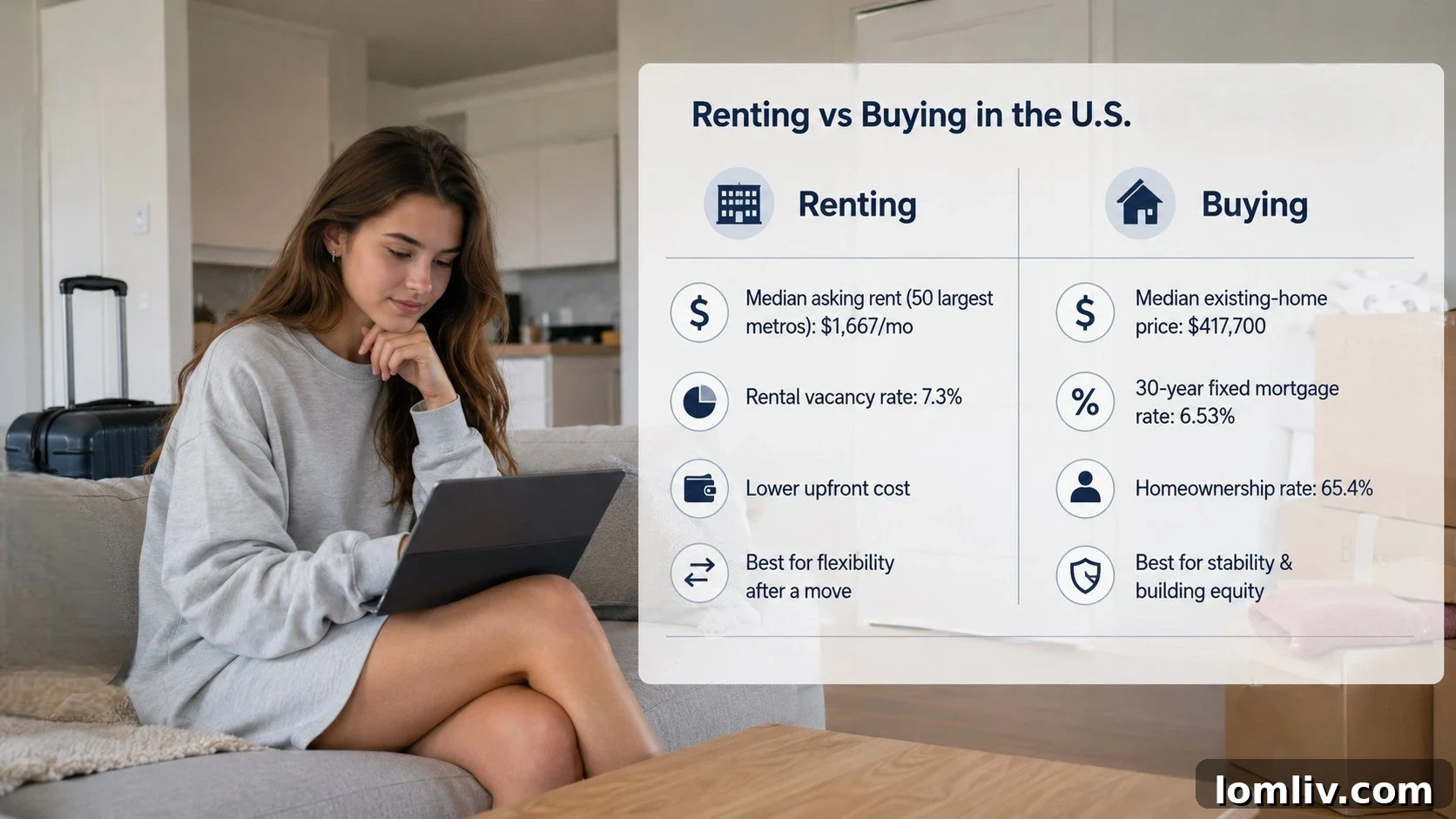
Figure Out Your Immediate Needs
Before you start looking at listings, clarify what you need from this move. That will frame every decision you make.
- Temporary versus long-term: Are you testing the city for a year or planning to stay for many years? That distinction drives whether renting or buying is more sensible.
- Job security: If your role is secure and your income stable, buying becomes more viable. If you’re on probation or facing uncertainty, renting offers less risk.
- Family and lifestyle needs: Consider school quality, commute times, walkability, and proximity to parks, shops, or nightlife—these factors strongly shape housing priorities.
The Case for Renting First
Many people choose to rent for at least the first 6–12 months after a move. Renting gives advantages that are especially helpful when you’re new to a city.
- Flexibility: Renting lets you change neighborhoods or jobs without the complexity and time required to sell a home.
- Lower upfront costs: Rent typically requires a security deposit, application fees, and the first month’s rent, while buying requires a down payment, inspections, appraisals, and closing costs.
- Time to explore: Live in different areas, experience commute patterns, and discover local amenities before committing to a purchase.
- Simpler exit: If the city or job isn’t a fit, ending a lease is usually easier than selling a home quickly.
Why Buy Soon After Moving?
If you are confident about your move, have stable income, and plan to stay long enough to absorb transaction costs, buying soon can make sense.
- Building equity: Mortgage payments build equity over time. Keep in mind you’ll also pay interest, taxes, insurance, maintenance, and other ownership costs.
- Payment stability: A fixed-rate mortgage stabilizes principal and interest payments, providing predictable housing costs even as rental prices fluctuate.
- Control and customization: Owning allows you to renovate and personalize your space without needing landlord approvals.
Cost Comparison: Renting versus Buying
The monthly rent or mortgage is only part of the picture. Compare the full financial picture before deciding.
- Monthly expenses: Compare rent plus renter’s insurance against a homeowner’s full monthly cost: principal, interest, property taxes, homeowners insurance, utilities, maintenance, and any HOA fees.
- Upfront expenses: Renters face deposits and application fees. Buyers must plan for down payments, inspections, appraisals, and closing costs.
- Repair and maintenance: Renters generally rely on landlords for repairs. Homeowners are responsible for repairs, which can be costly and unpredictable.
Market Conditions in Your New Location
Local market dynamics can quickly change whether buying or renting is advantageous.
- Home price trends: Is the market appreciating rapidly, stable, or cooling off? A hot market can mean higher purchase prices and bidding wars.
- Interest rates: Higher mortgage rates reduce buying power and increase monthly mortgage costs, affecting affordability.
- Rental supply: A tight rental market might push you toward buying sooner, while plenty of rentals gives you time to learn the area.
How Long Do You Plan to Stay?
Your expected length of stay is one of the most important factors when evaluating rent versus buy.
- Short-term stays: If you expect to be in the area one to three years, renting usually makes more financial sense because buying and selling costs can outweigh any equity gained.
- Long-term stays: If you plan to stay beyond the local break-even point, owning often becomes more financially attractive.
- Break-even analysis: Use a rent-versus-buy calculator to estimate when purchasing becomes cheaper than renting in your specific area.
Know Your Credit Score and Financial Status
Assess your finances before committing to a home purchase.
- Credit history: Your credit score influences mortgage approval and interest rate, which affects monthly payments and overall cost.
- Debt-to-income ratio: Existing debts limit how much you can borrow and the size of mortgage you can comfortably afford.
- Emergency savings: Buying can deplete savings; keep a reserve for unexpected repairs, moving costs, and other surprises.
Lifestyle and Personal Preferences
Personal preferences and lifestyle priorities matter as much as finances.
- Flexibility versus roots: If you enjoy moving often, renting offers freedom. If you want stability and to build long-term ties, buying may be more fulfilling.
- Maintenance tolerance: Are you prepared to handle lawn care, repairs, and upkeep, or would you prefer a maintenance-free living situation?
- Community: Rentals can include shared amenities like gyms and pools. Owning often fosters deeper neighborhood connections and a stronger sense of permanence.
Rent First, Buy Later
A popular approach is to rent for a period while you learn the city, then buy once you know the neighborhoods and have more certainty. That strategy reduces the risk of making a rushed purchase in unfamiliar territory and gives you real experience with commute times, schools, and lifestyle fit.
Tips for Making the Right Decision
- Speak with both a real estate professional and a financial advisor to get tailored guidance.
- Use rent-versus-buy calculators alongside a detailed personal budget to compare scenarios.
- Visit neighborhoods at different times of day and talk to residents to understand daily life and local issues.
Common Mistakes to Avoid
- Rushing into a purchase without fully understanding the local market dynamics.
- Underestimating the total cost of ownership, particularly maintenance and unexpected repairs.
- Failing to consider long-term career, family, or lifestyle plans when selecting a location or property type.
The Bottom Line
Deciding to rent or buy after relocating depends on your timeline, finances, and lifestyle goals. There’s no universal answer—run the numbers, consider local market conditions, and choose the option that reduces stress and supports the life you want to build in your new city.