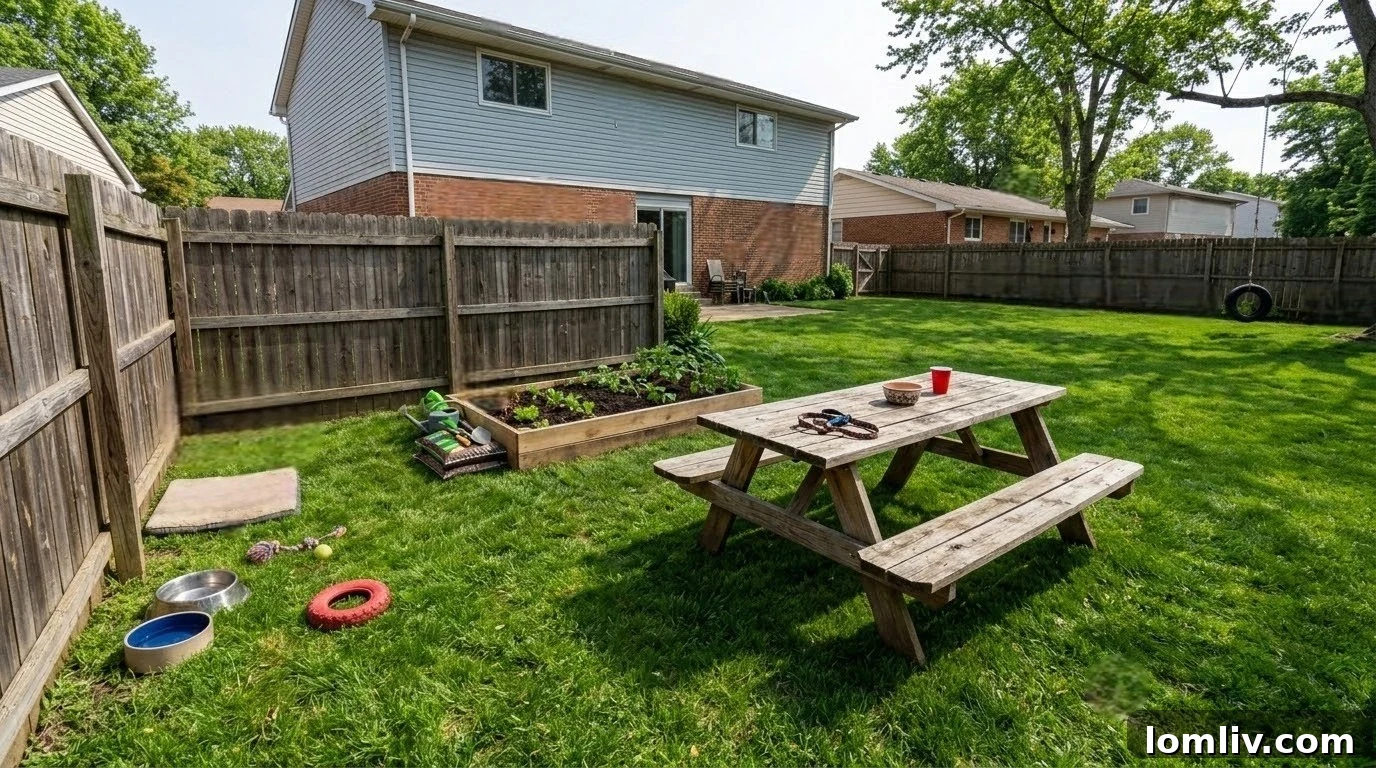
There’s a familiar feeling when you step into your backyard and all you see are things that need attention.
A garden hose twisted across the patio. Toys scattered across the lawn. Tools propped against the fence. Old planters, a broken chair, or a pile of items you meant to deal with weeks ago.
At first it’s a little mess. Over time it becomes background noise. You stop noticing every item, but you still feel the weight of it. A space that should help you relax starts to feel like another chore.
That’s frustrating—your backyard should feel like a breath of fresh air.
It doesn’t need to be perfect or look like a magazine spread. A peaceful backyard isn’t about expensive furniture or elaborate landscaping. It’s about creating a useful, calm place that’s easy to enjoy.
So where do you start when your backyard feels more chaotic than comforting?
Start small, be honest about what you actually need, and build from there.
Decide How You Want the Space to Feel
Before you move a chair or buy another storage bin, pause and picture what you want from your backyard.
Forget what the neighbor has, forget online trends, and forget what someone says a “dream backyard” should be.
How do you want to feel when you step outside?
Maybe you want a quiet place for morning coffee. Maybe you need open space for kids to run without tripping over tools. Maybe you want a spot to sit with friends in the evening, with soft lighting and enough room to relax. Or maybe you simply want the yard to stop stressing you out—that’s a perfectly valid goal.
Starting with that feeling makes decisions easier. You aren’t cleaning up randomly; you’re shaping a space that supports your life. That helps you choose what belongs and what can go.
Ask: What would make this yard easier to enjoy this week?
That keeps the project realistic. You don’t have to redesign everything in one weekend—just move toward a yard that supports everyday life.
A backyard should feel like home, not a performance.
Clear the Clutter Before Buying Anything New
It’s tempting to fix a messy backyard by buying new furniture, planters, lights, or storage. Sometimes new items help, but if the space is already full, adding more will often make things worse.
The first real step is removing what doesn’t belong.
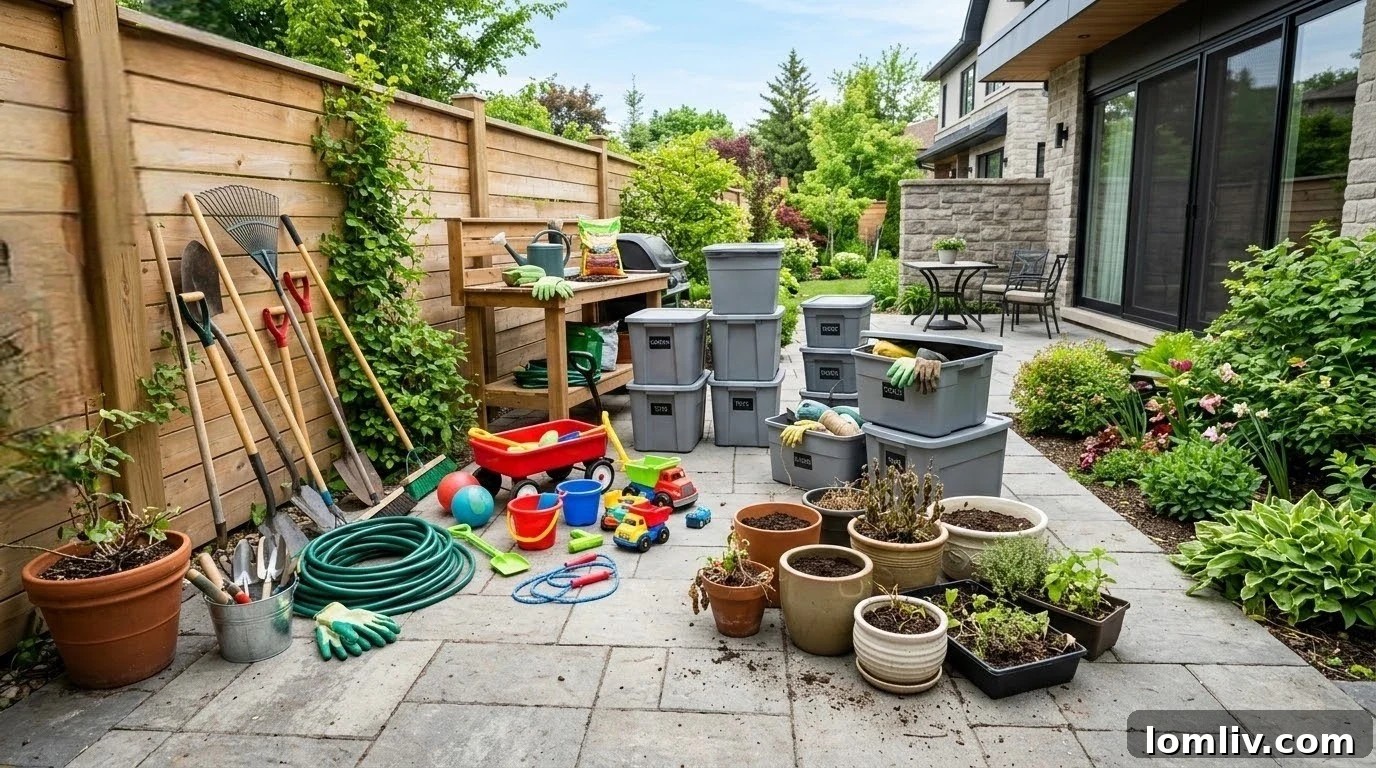
Walk the yard and assess everything with fresh eyes. What’s broken? What hasn’t been used in over a year? What keeps getting moved because it has no proper home?
Discard items beyond repair. Donate or give away things you no longer use. Set aside items that need cleaning, repair, or proper storage.
Then group what’s left: garden tools together, toys in one spot, a pile for seasonal items like pool gear or winter supplies, and a separate area for outdoor cooking tools. Seeing what you have makes it easier to plan.
It may get messier before it gets better—that’s normal.
Once grouped, decide what needs to be accessible and what can be tucked away. Not everything useful needs to be on display; most things feel more manageable when they have a clear home.
For items you use often but don’t want scattered across the patio, a dedicated outdoor storage solution keeps tools and seasonal gear protected without crowding relaxing areas.
The goal isn’t hiding clutter; it’s creating a system that makes sense. When items have a place to go, cleanup becomes easier and the yard stays calm longer.
Create Simple Zones
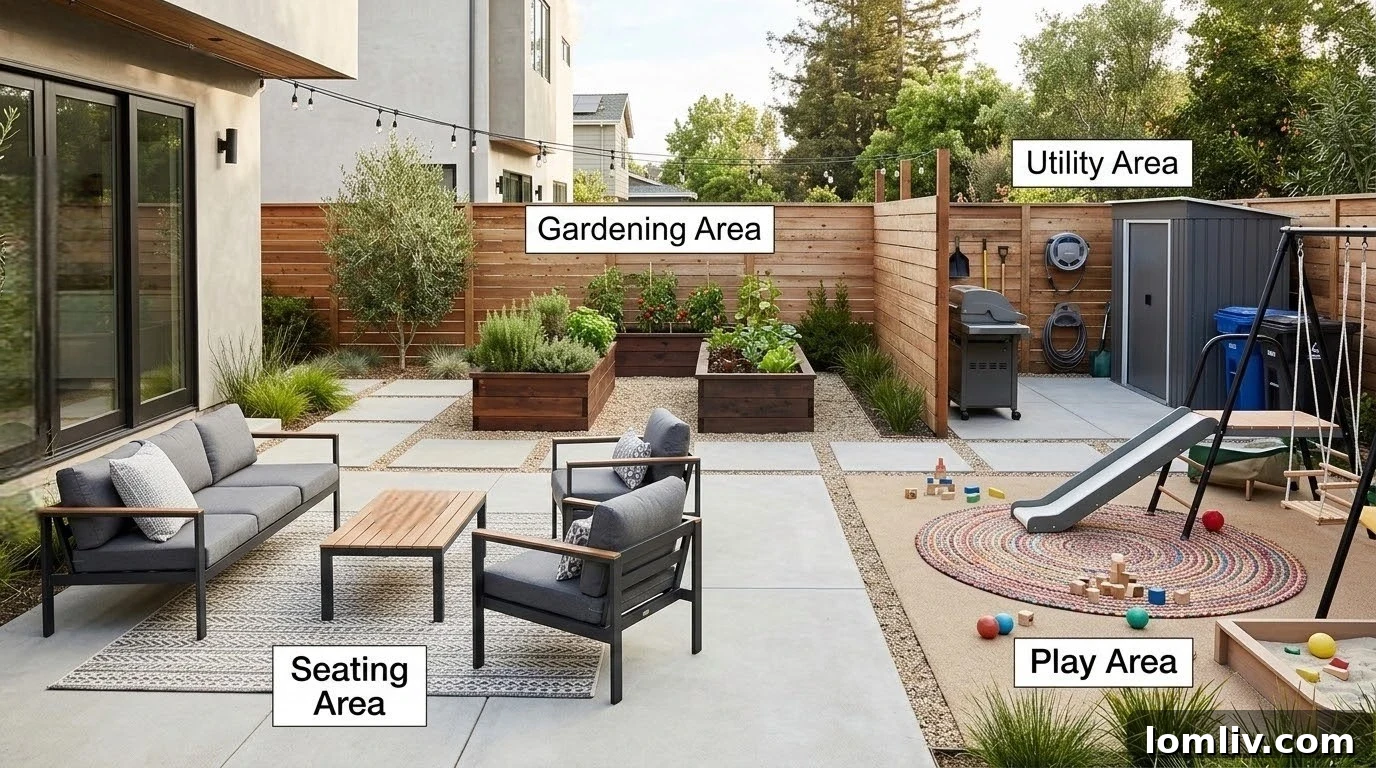
Once clutter is under control, think in zones.
A zone is an area with a clear purpose—nothing fancy, just a way to make the backyard easier to understand and use.
Without zones, things blend together: toys near the grill, garden tools by the seating area, extra chairs across the lawn. Zones add structure.
Create a seating zone with comfortable chairs and a small table for morning coffee or evening conversations. Make an open play zone for kids and pets—keep it free of tools and fragile items. If you garden, set a project area with soil, gloves, pots, and tools nearby. Then designate a utility zone for trash bins, extra tools, and maintenance supplies so practical needs don’t take over relaxing areas.
This simple shift changes the feel of the yard. Instead of one big messy space, you have smaller areas that each serve a purpose, making the backyard easier to use and maintain.
Make It Easy to Maintain
A peaceful backyard shouldn’t require constant upkeep.
It’s easy to create a beautiful outdoor space that looks great for a few days and then becomes hard to maintain—too many delicate decorations, loose items, or high-maintenance plants.
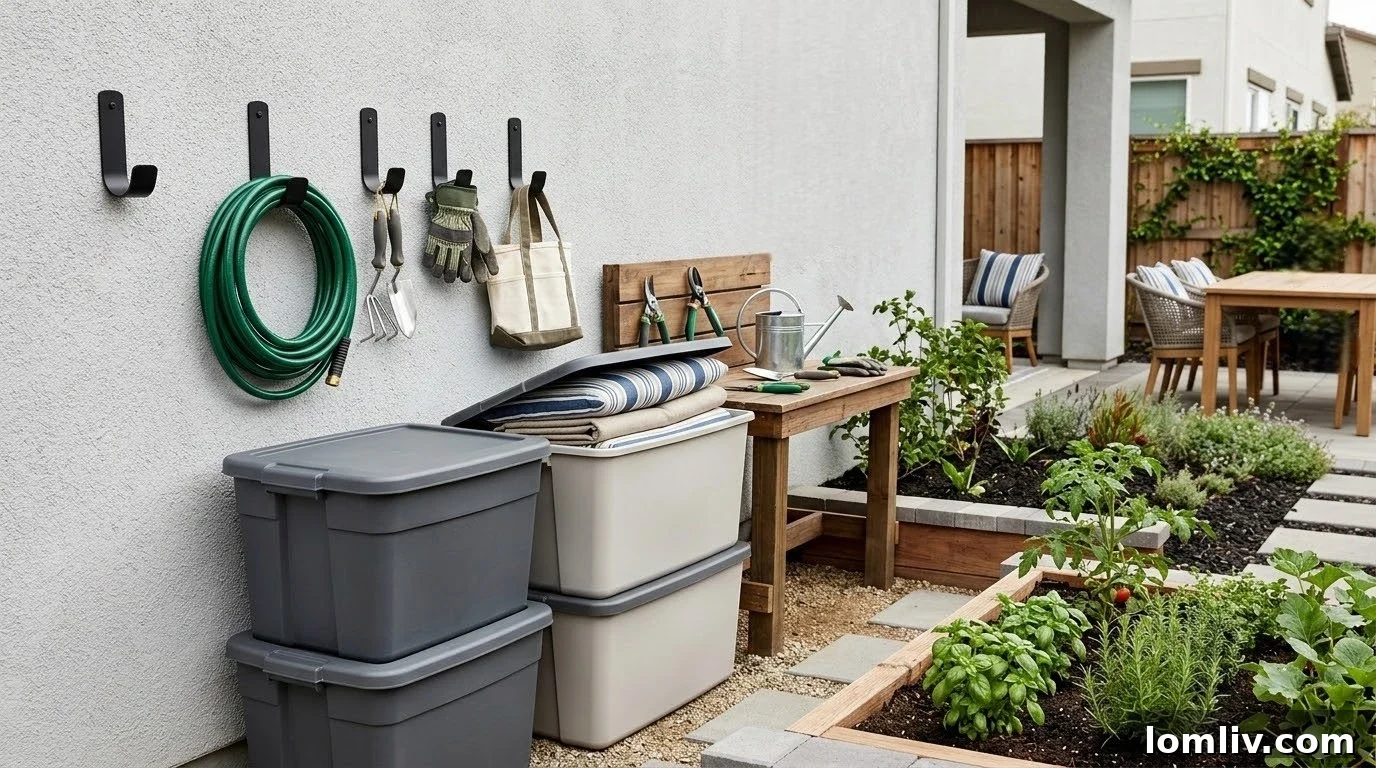
Choose materials and habits that simplify life. Outdoor-rated furniture and fabrics reduce the need to bring cushions inside every time it rains. Lidded containers keep small items contained. Hooks, shelves, and bins make tools easy to grab and return.
Think about how you actually use the space. If gardening gloves usually sit by the back door, provide a small basket there. If kids drop toys by the patio, put a toy bin nearby. If you grill often, store tools close to the grill.
Organization should work with your habits, not against them. Small, practical systems last longer than elaborate ones.
A weekly 10-minute reset—picking up stray items, putting tools away, wiping down surfaces, checking plants—keeps the yard from sliding back into chaos. It’s not deep cleaning, just light maintenance that helps the calm stick.
Put Comfort Before Decor
After the space is cleaner and more functional, focus on comfort over decoration.
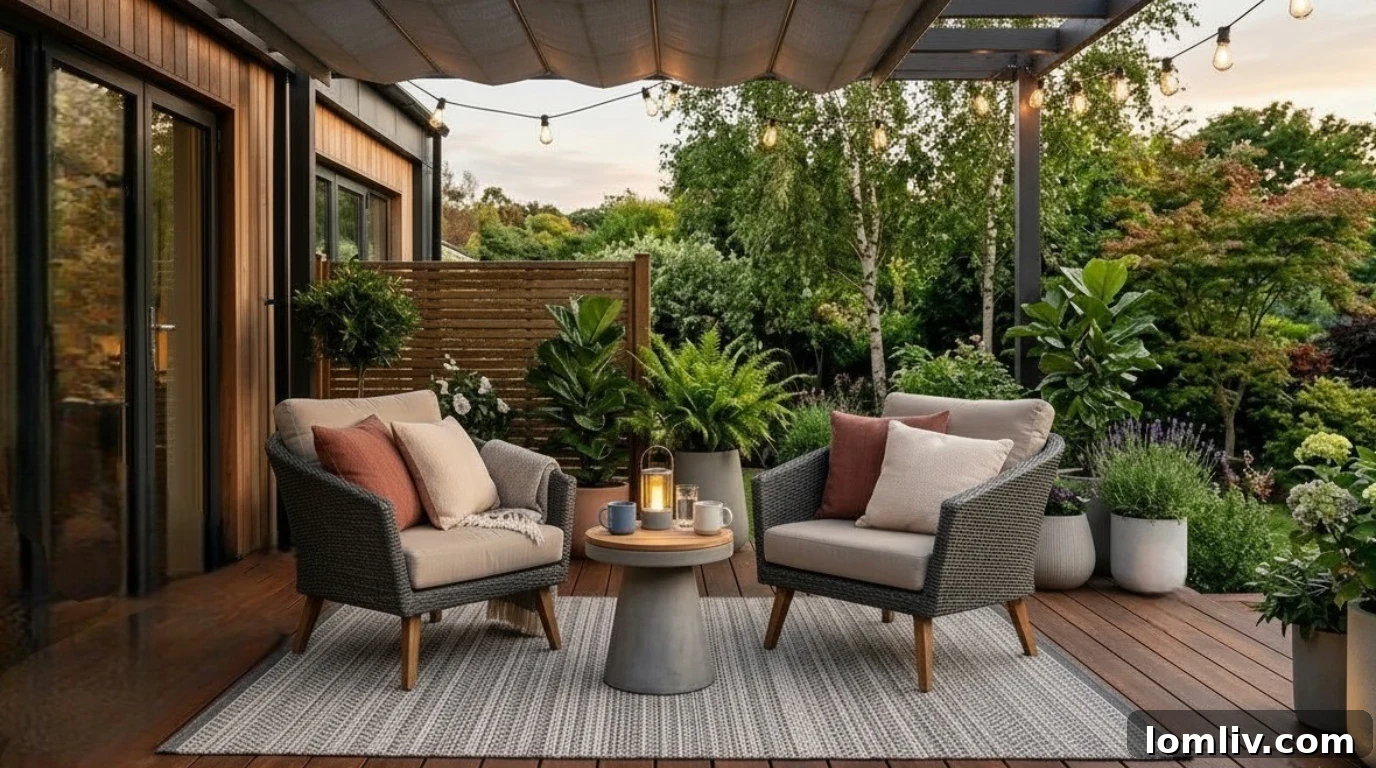
Comfort—not perfection—is what keeps people outside. Small changes matter: a chair that’s comfortable to sit in, shade for hot afternoons, a small table for drinks, or a soft outdoor light at night.
Start with seating. If there isn’t a spot you’d want to sit for longer than five minutes, add one. Consider shade solutions like an umbrella, shade sail, pergola, or moving seating under a tree. Lighting can transform evenings—string lights, solar path lights, or a few warm lamps create a welcoming atmosphere.
Plants add life, but keep them manageable. A few healthy planters are better than many neglected pots. Choose plants suited to your climate and schedule: more plants if you love gardening, simpler choices if you’re busy.
The aim is an inviting space, not a reminder of unfinished tasks.
Design for the Life You Actually Live
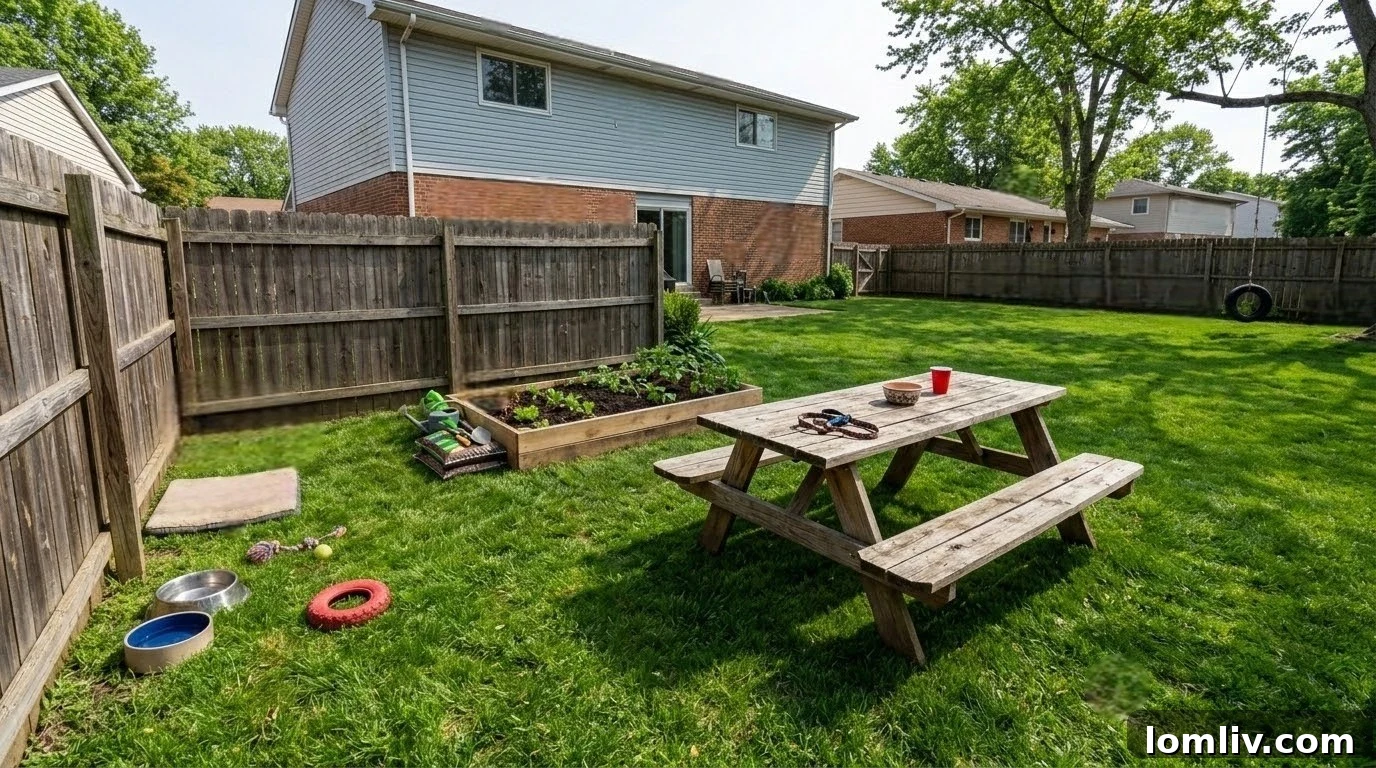
Many backyard projects fail because they’re designed for an imagined lifestyle.
People set up formal dining areas they rarely use, buy lounge furniture when they need play space, or install high-maintenance landscaping without the time to care for it.
Your backyard will feel more peaceful when it supports how you actually live.
Be honest about your routines. What happens outside during a normal week? Do you work on projects, do kids play after school, do you garden on weekends, do you host friends, or do you prefer quiet?
Let those answers guide your decisions. If evenings are spent outside, prioritize seating, lighting, and open space. If hobbies dominate, create a project corner. If rest is the goal, reduce visual clutter and keep the layout simple.
There’s no single right way to use a backyard. Whether it includes a vegetable garden and a workbench or a hammock and a book, it can be peaceful when the space feels intentional.
Ask whether your backyard helps your life feel better or makes it feel more crowded.
Maintain the Calm With a Seasonal Reset
Backyards change with the seasons, and your setup should adapt.
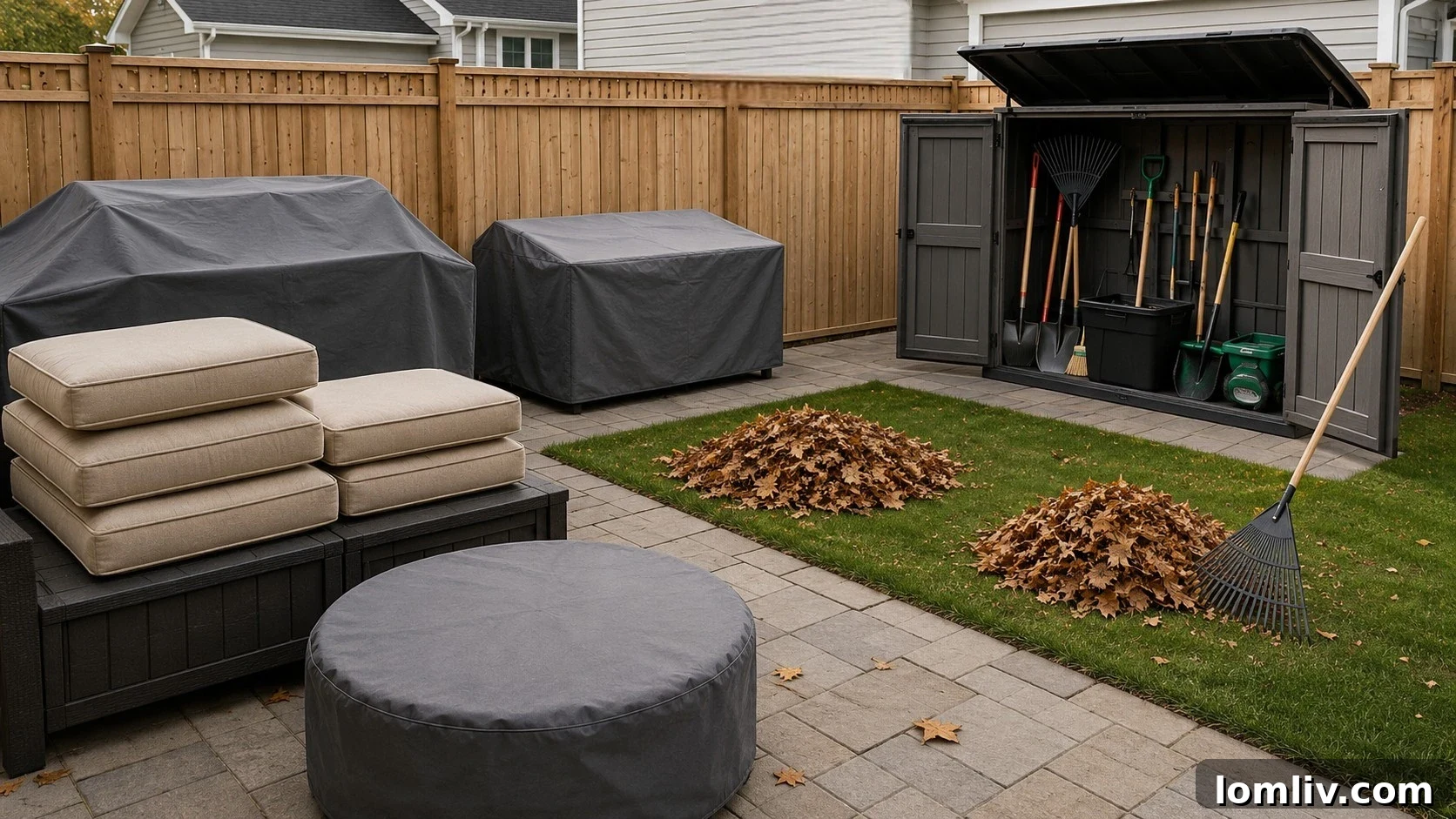
Spring is a natural time to reset: clean, check tools, prepare beds, wash furniture, and decide what needs attention before busy outdoor months arrive. Summer is peak use—focus on accessibility and quick cleanup. Fall is for putting things away: store cushions, clean tools, and protect equipment. Winter is about simplifying and protecting essentials.
Seasonal resets prevent clutter from building up and give you a chance to adjust what isn’t working. Maybe the toy bin needs to move, or garden tools need a better home. Your backyard doesn’t have to stay fixed—flexibility as life changes is part of what makes it peaceful.
Just Start With One Corner
Reclaiming your backyard doesn’t require dramatic action.
You don’t need a whole weekend, a huge budget, or a perfect plan. Start with one corner, one table, one messy pile, or one small decision you’ve been avoiding.
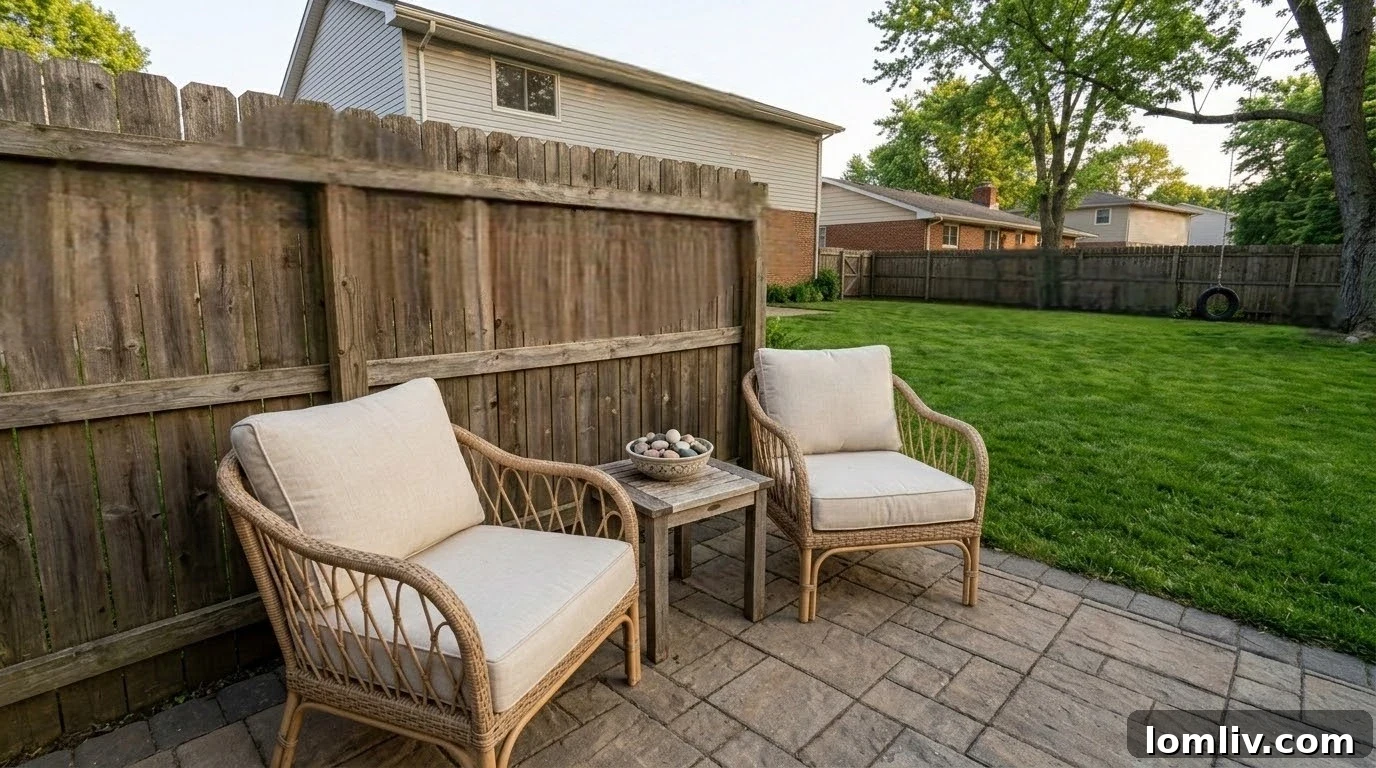
Clear the patio, move tools, toss broken pots, set up two chairs in shade, put kids’ toys in one container, sweep the path, and hang a few outdoor-rated lights. Create one small area that feels better than before.
Momentum comes after action. Once one part of the yard feels calmer, you’ll want to keep going. The space becomes possible again—not perfect, just usable.
Your backyard is part of your home and should give something back: breathing room, a little beauty, a place to gather, to think, and a place where the day can slow down.
Start where you are. Choose one thing. Make the space a little lighter.
Peace doesn’t always arrive all at once. Sometimes it begins with a cleared corner, a comfortable chair, and the relief of finally having room to breathe.