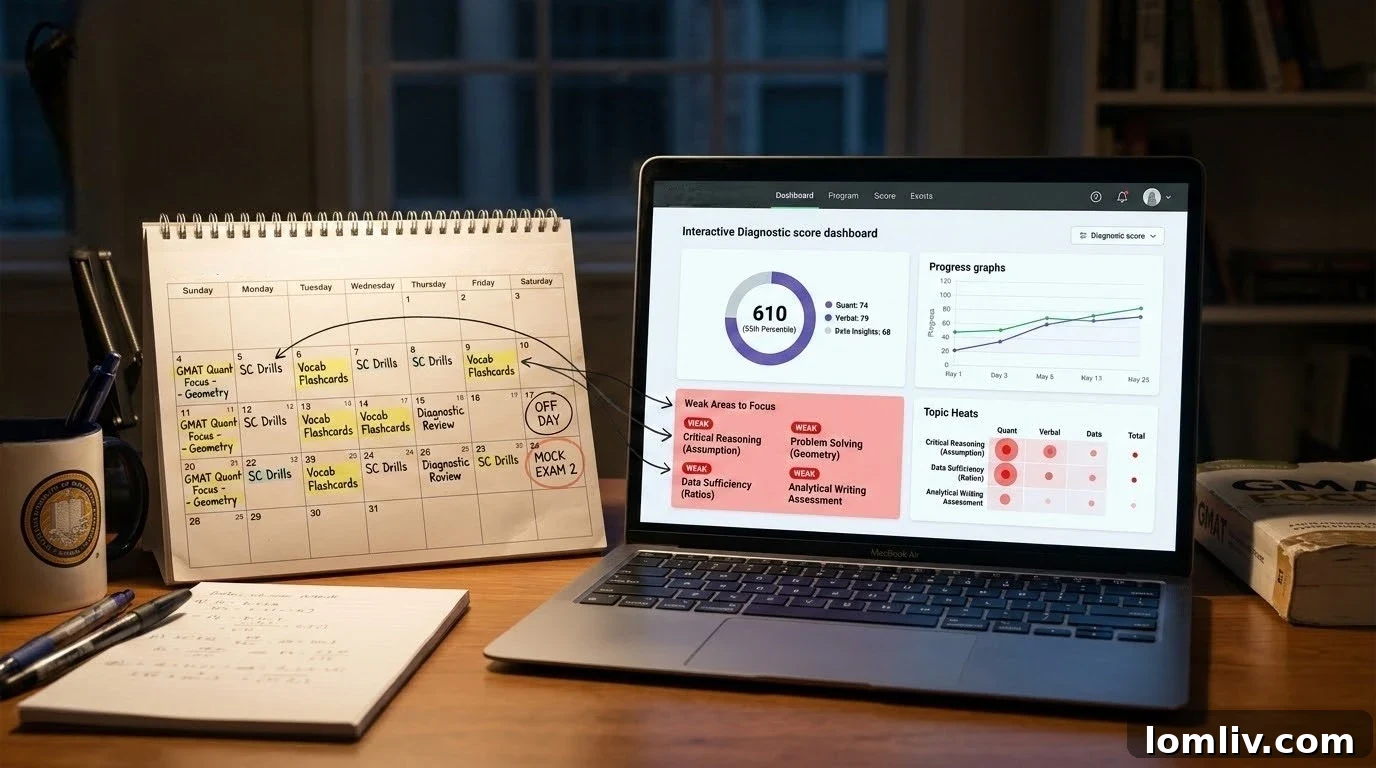
Ask agents around the DFW area about their licensing exam, and you’ll often hear the same regret: they wish they’d known what the test actually emphasized before sitting for it.
Those who don’t pass usually express the same frustration in stronger terms. Several predictable issues catch Dallas-area candidates off guard, but most of these mistakes are avoidable with the right preparation.
The Exam Structure Matters More Than You Think
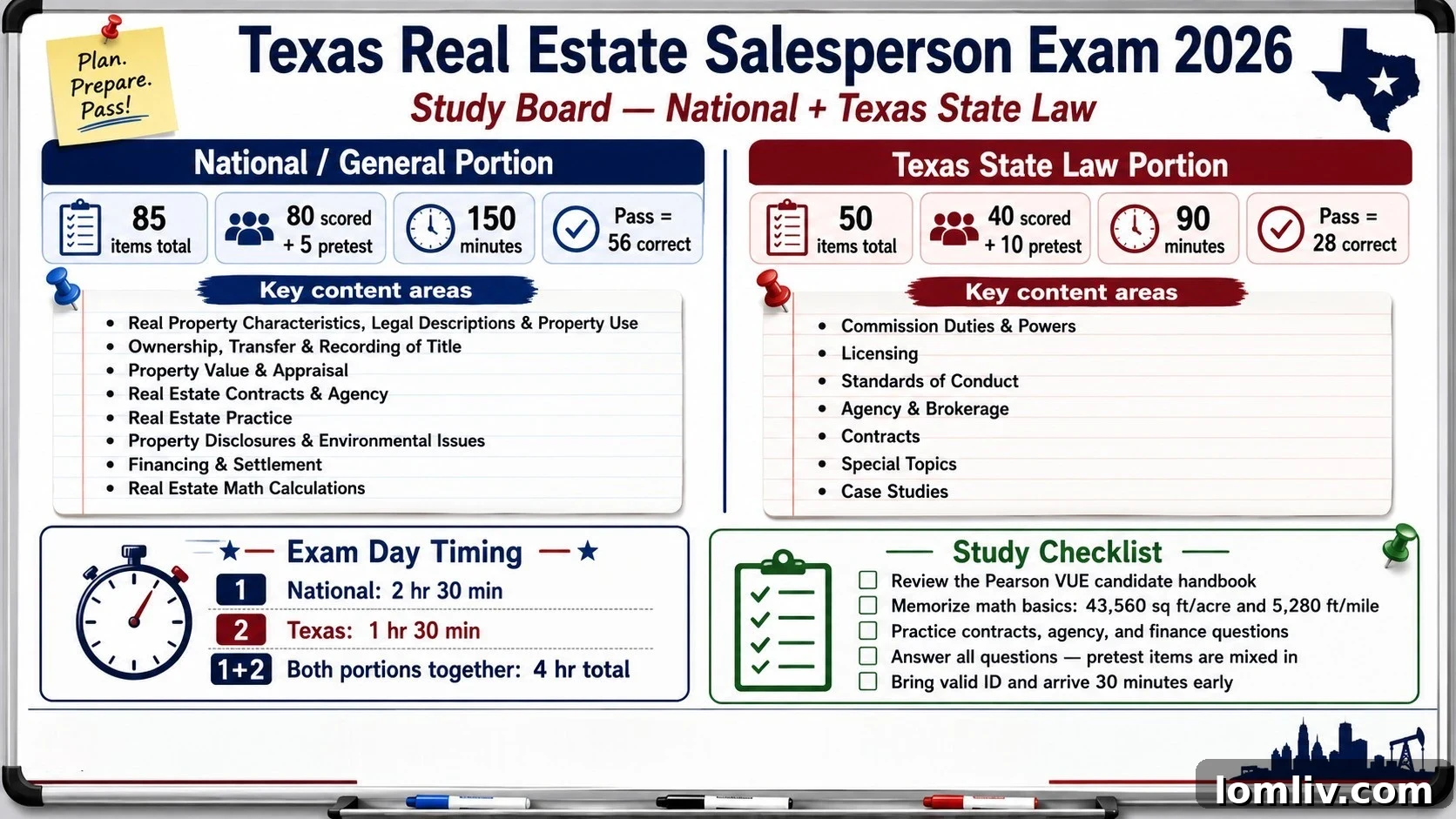
The Texas real estate exam contains 135 questions and has strict section requirements. You’ll face an 80-question national portion and a 40-question state-specific portion, with 15 unscored pretest items mixed in. You get 240 minutes total to complete the exam.
What trips many candidates up is that each section must be passed independently. The national portion requires 56 correct answers out of 80 (70 percent) and the state portion requires 28 correct answers out of 40 (70 percent). That means you can perform well on the national section yet still fail if the state section falls short. It’s common—and especially painful—to pass the national part easily and then miss the Texas section by only a question or two because state rules were under-reviewed. Before you finalize your study plan, confirm the current passing thresholds and section breakdowns so you understand how many errors you can afford in each section.
A common error is dedicating most study time to national content while treating Texas-specific material as an afterthought. That approach is backwards. The state portion focuses on TREC rules, the Texas Real Estate License Act, and the Canons of Professional Ethics—topics that some pre-license courses rush through in the final days.
If the national content already feels solid, spend your last week concentrated on Texas rules and timed math practice.
Contract Math Is Where Dallas Candidates Lose Points
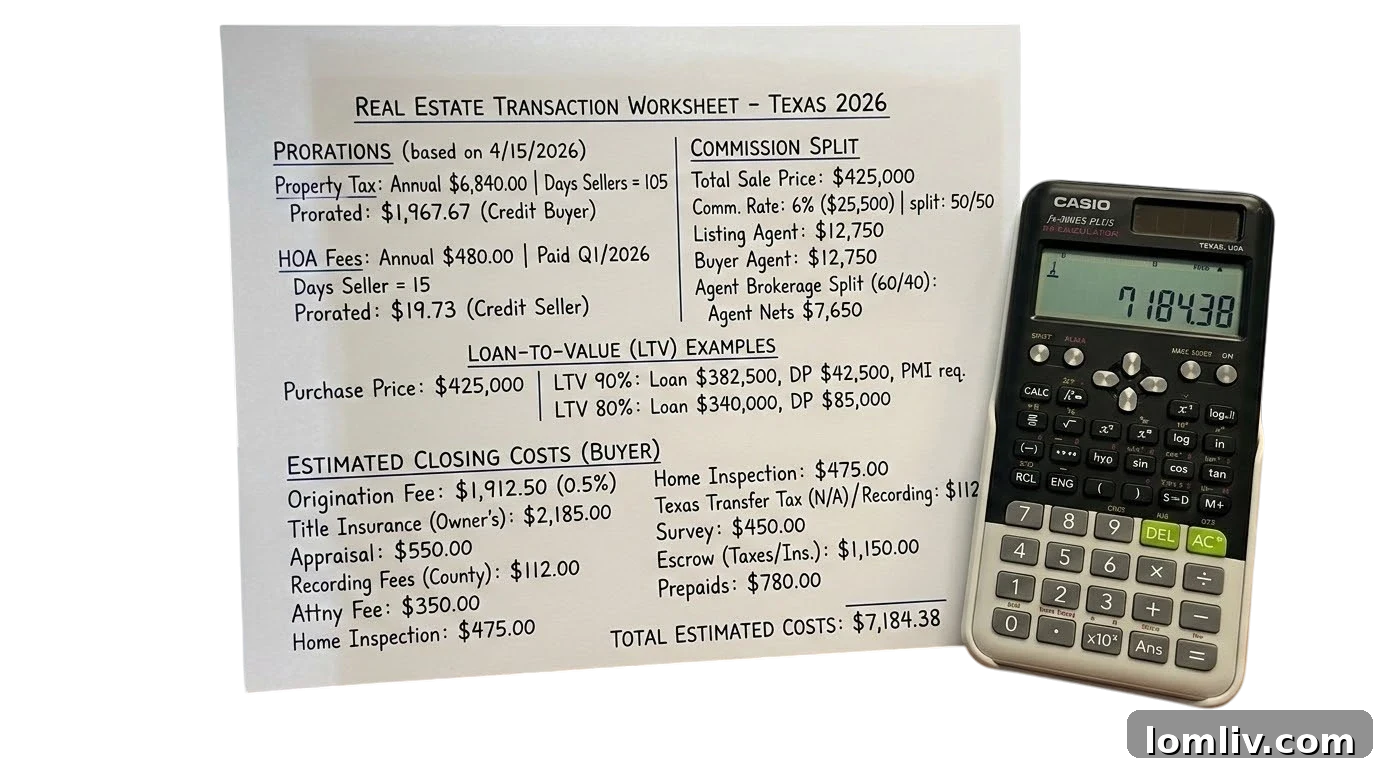
Expect questions on prorations, commission splits, loan-to-value ratios, and closing costs. The calculations themselves are not complex, but performing them accurately under time pressure is the challenge.
Many candidates memorize formulas but don’t practice applying them under timed conditions. On test day, even a straightforward math question can consume too much time if you haven’t internalized the setup. Practice timed drills until the steps are automatic—so you don’t have to pause and decide which number goes where. Prep providers that offer plentiful timed practice questions tend to be more valuable than those with attractive but untimed study materials.
The Texas Section Rewards Precision
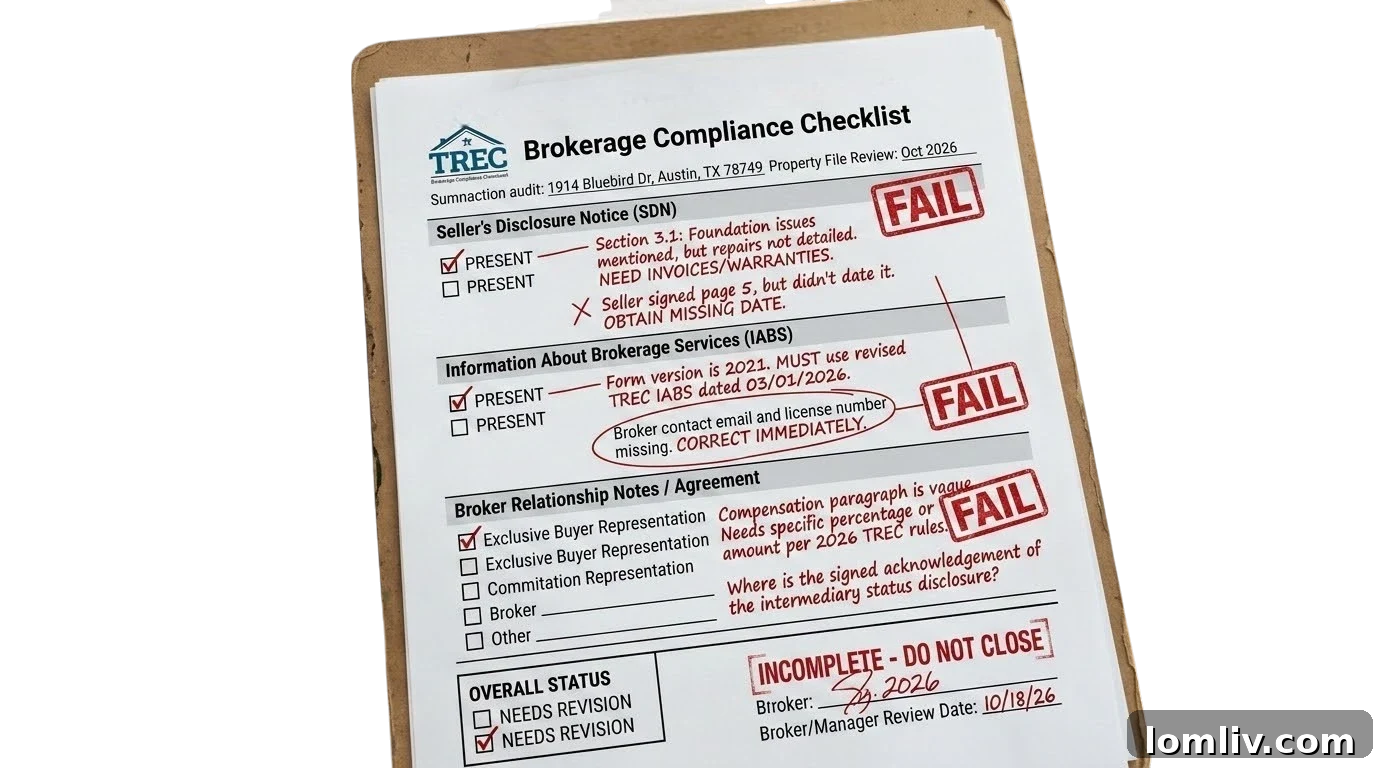
State questions focus heavily on a few core areas: TREC regulatory authority, the broker-salesperson relationship, and property condition disclosures. Many DFW agents are familiar with the Seller’s Disclosure Notice and the IABS form, but the exam expects precise knowledge about when those forms are required, who must provide them, and the consequences of late or missing disclosures.
The exam often tests edge cases. You may be asked not only when an IABS is necessary but also when it’s explicitly not required. Other common areas include distinctions between a property manager and a broker and the differing duties of listing agents versus buyer’s agents under TRELA. These nuanced scenarios appear more frequently than candidates anticipate, so study the exceptions as well as the rules.
Take a Diagnostic Before You Build a Study Plan
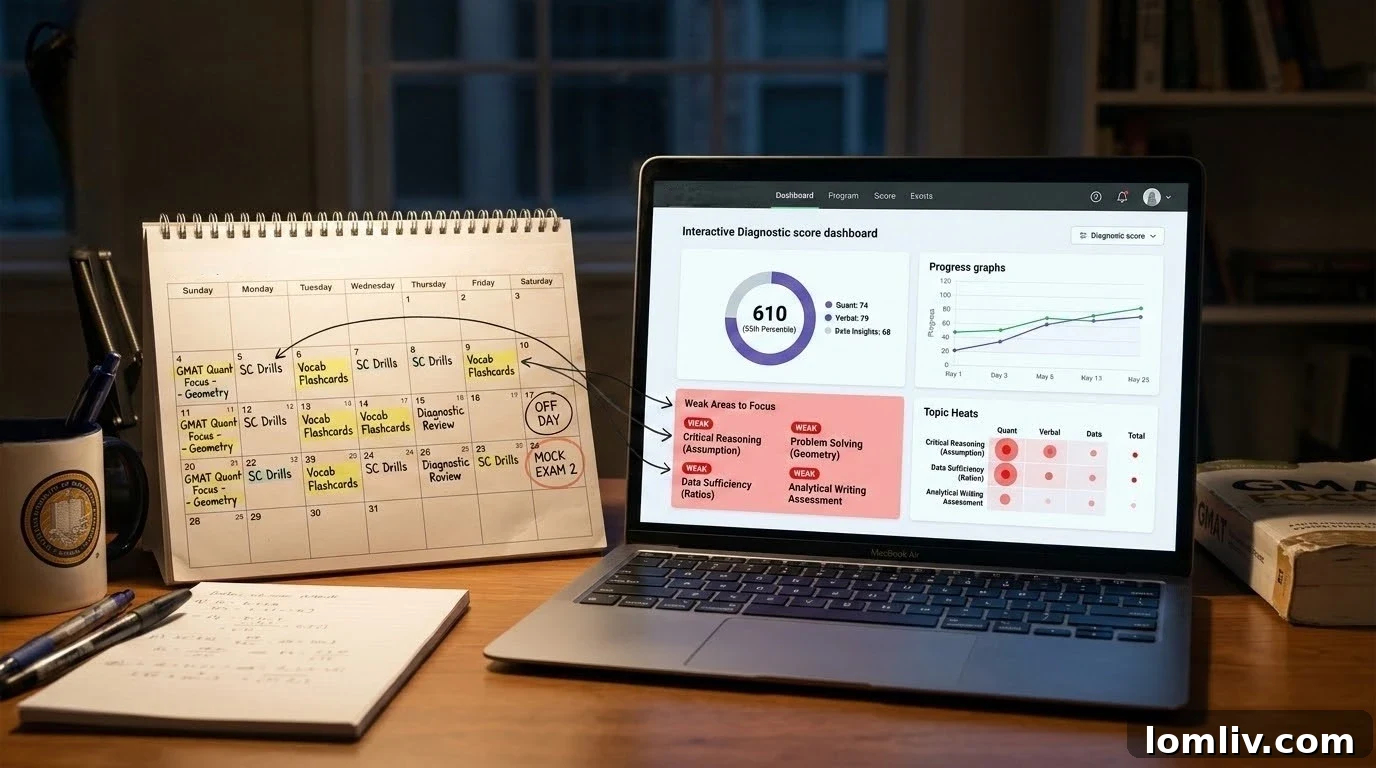
Before you devote weeks to flashcards, take a diagnostic exam to identify your strengths and weaknesses. Many candidates misjudge what they truly know—some are solid on agency law but weak on environmental hazards and land-use controls, or vice versa.
A diagnostic gives a reality check and highlights which content areas need the most attention. If your practice average is 55 percent, you probably need substantial work; if you’re scoring around 72 percent, prioritize weak domains rather than re-reading material you already understand.
DFW-Specific Logistics That Matter
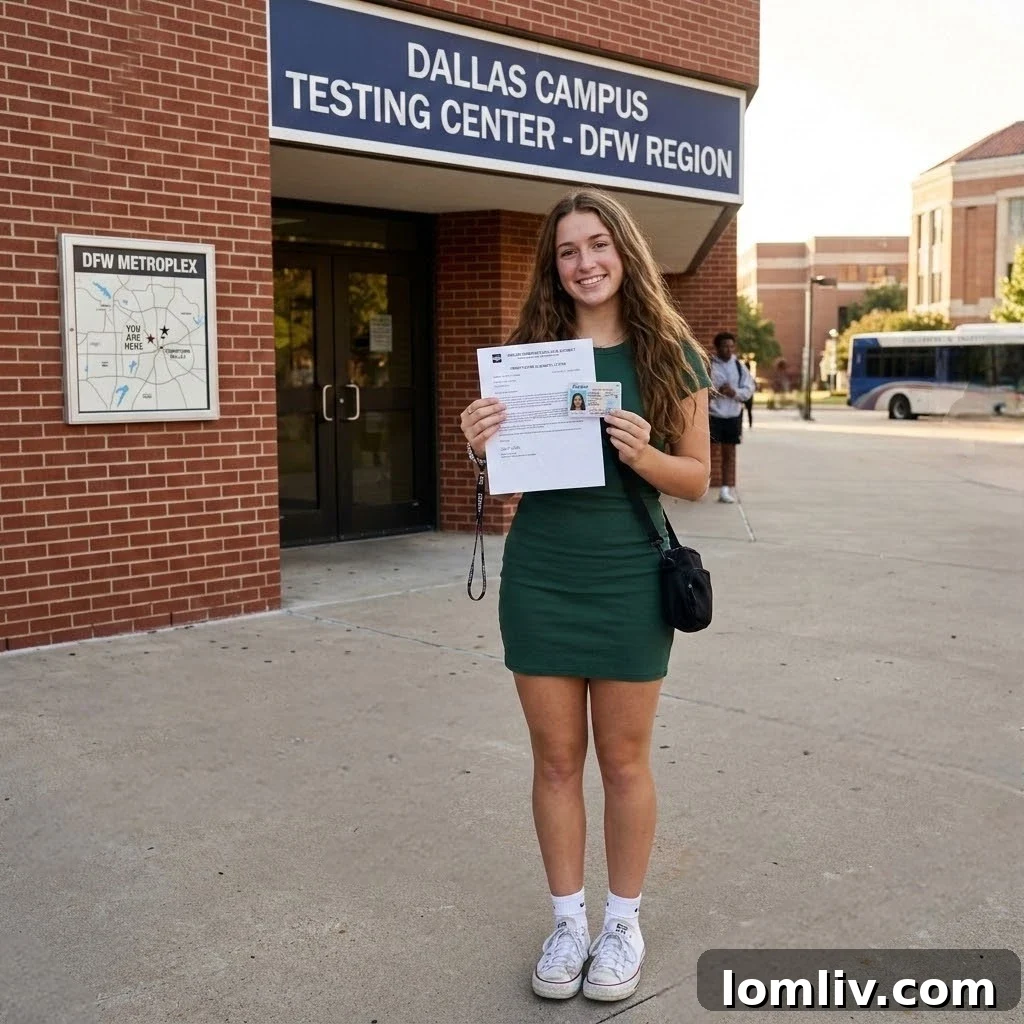
Schedule your exam as soon as your eligibility clears. Pearson VUE testing centers in the Dallas area can fill quickly, especially in spring and early summer when cohorts finish coursework. The wait between completing the required hours and securing an appointment can extend for weeks if you delay.
Bring your TREC eligibility letter and two forms of valid ID. Check-in can take longer than expected, particularly when multiple candidates arrive for the same session. Allow extra time so you arrive calm and collected—rushing into the testing center is an easy way to undermine your focus before question one.
The Bottom Line
The Texas real estate exam is passable with targeted preparation. It’s not intended to be punitive, but it rewards focused study—especially on the state material that many programs underemphasize. Treat your exam prep like you would a listing presentation: know the material thoroughly, anticipate difficult questions, and enter the exam with a clear plan.
After licensing, building a book of business and generating leads become the primary challenges for new agents. For continued review, use an exam resource library to drill the topics you miss and work backward from there.
Author Bio:
Madeline Gaynor is the founder of Ardelia Exam Mastery, a U.S. exam preparation platform for candidates who need to pass professional licensing exams on their next attempt. Ardelia covers Texas real estate licensing and other professional tests, using adaptive practice technology to identify each candidate’s weakest topics and focus study time where it matters most.
Ardelia Exam Mastery operates independently and is not affiliated with any licensing body, testing provider, or pre-license education company. Content is verified against official candidate handbooks and licensing authority publications. Madeline can be reached at [email protected].