
Buying property in the United Arab Emirates requires careful due diligence to protect your investment. Attractive marketing materials should never be the only basis for a decision; buyers must verify the developer’s credentials, financial stability and track record. Confirming licensing, assessing financial health and reviewing past project performance are essential steps that help safeguard capital and reduce risk.
This guide outlines a practical off-plan investor checklist to evaluate developers across key emirates such as Dubai and Abu Dhabi. It explains how to verify licensing, confirm escrow arrangements, inspect sales agreements and evaluate partners and approvals. Following these steps helps investors distinguish reputable builders from higher-risk developers and allows for more confident investment decisions.
Understanding Regulatory Credentials and Registrations

The first step in any developer check is confirming official licensing and registration. Developers must hold a valid trade license and be registered with the relevant land authority: in Dubai, with the Dubai Land Department and the Real Estate Regulatory Agency; in Abu Dhabi, with the Department of Municipalities and Transport. Official government apps and portals let buyers verify whether a company is legally authorized to build and sell property.
Escrow and segregated account rules are central to UAE property regulation. Payments for off-plan units must go into project-specific escrow accounts, preventing developers from diverting funds to unrelated business activities. Investors should request documentation that proves the project is registered with the regulator and has an active escrow account tied to the development.
Delivery Track Record: A Sign of Reliability
A developer’s history of completing projects on time and handing them over to buyers is one of the strongest indicators of reliability. Compare the number of completed projects with those still in progress and check past handover dates to form realistic expectations. Established developers with consistent delivery records represent lower risk and greater predictability for off-plan buyers.
Investigate any patterns of delays, disputes or legal claims. While occasional delays occur in construction, repeated missed deadlines or ongoing litigation are red flags. Look for public records of complaints, regulatory fines or legal actions. A clean delivery record suggests effective project management and a commitment to customer satisfaction.
Financial Strength of the Developer
Financial transparency demonstrates a developer’s ability to complete a project under changing market conditions. Seek audited financial statements or other reliable financial disclosures showing cash reserves, liabilities and overall liquidity. Strong balance sheets reduce the risk of stalled construction when costs rise or demand fluctuates.
Additional assurance can come from parent company backing, institutional investors or established bank financing. Developers supported by larger groups or reputable lenders have passed external due diligence, which adds confidence for retail investors. Credit ratings, where available, and knowledge of major financial partners provide useful insight into the developer’s financial standing.
Escrow and Buyer-Protection Mechanisms
Escrow accounts are the primary protection for off-plan buyers. Buyer payments are held in a regulated escrow account and released to the developer only after verified construction milestones are met. This mechanism prevents funds from being used to prop up other projects and gives buyers legal recourse if the development fails to proceed as planned.
Always obtain formal proof of escrow registration and the official project registration certificate (for example, an Oqood in Dubai). Never transfer funds to a developer’s corporate account without documented escrow arrangements. Confirming escrow details is a critical safeguard before making any payments.
Sales & Purchase Agreement (SPA) Features
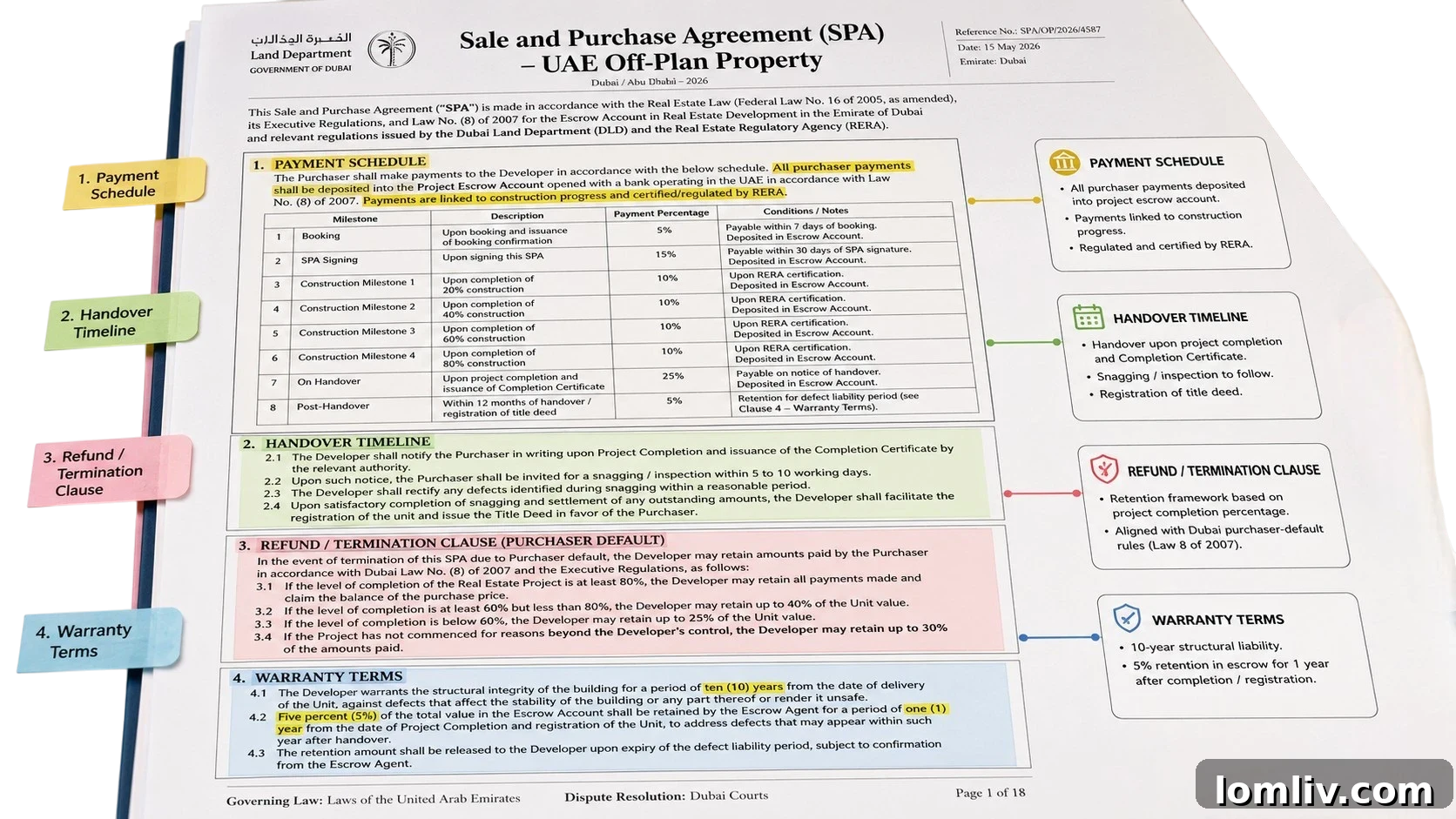
The Sales and Purchase Agreement defines the buyer-developer relationship and should be reviewed thoroughly. The SPA must specify payment schedules, handover timelines and a clear description of the property. It should also outline the conditions for refunds or contract termination and provide balanced protections for both parties.
Key clauses to evaluate include delay penalties, warranty terms and force majeure definitions. The agreement should state compensation if delivery is late and clearly define handover procedures and defect liability periods. Typical warranties may cover structural defects for an extended period and minor defects for a shorter warranty term. Ensure these terms are explicit and enforceable.
Third-Party Partners and Quality Assurance
Project quality depends heavily on the contractors, architects and consultants involved. Reputable, experienced third-party partners indicate higher construction standards. Research the track records of the main contractor and consultants to assess their capability and previous work quality.
Capacity and resources matter: a contractor must have the workforce, equipment and project management expertise to handle the development’s scale. Request a list of principal contractors and consultants; transparency here signals the developer’s confidence in the project team and reduces the risk of poor workmanship or delays.
Land Title and Approvals
Verifying land ownership and planning approvals is essential. The developer should provide proof of land title or clear documentation showing the status of any payment-plan purchases. Confirm ownership status with the relevant land department to avoid projects that might be delayed or disrupted by land disputes.
Ensure that planning approvals and building permits were obtained before construction began. Local municipalities must approve designs and issue completion certificates once buildings are safe to occupy. Ask to see initial permits and approvals to confirm the project has been officially sanctioned and is less likely to encounter regulatory obstacles.
After-Sales and Service Charge Governance
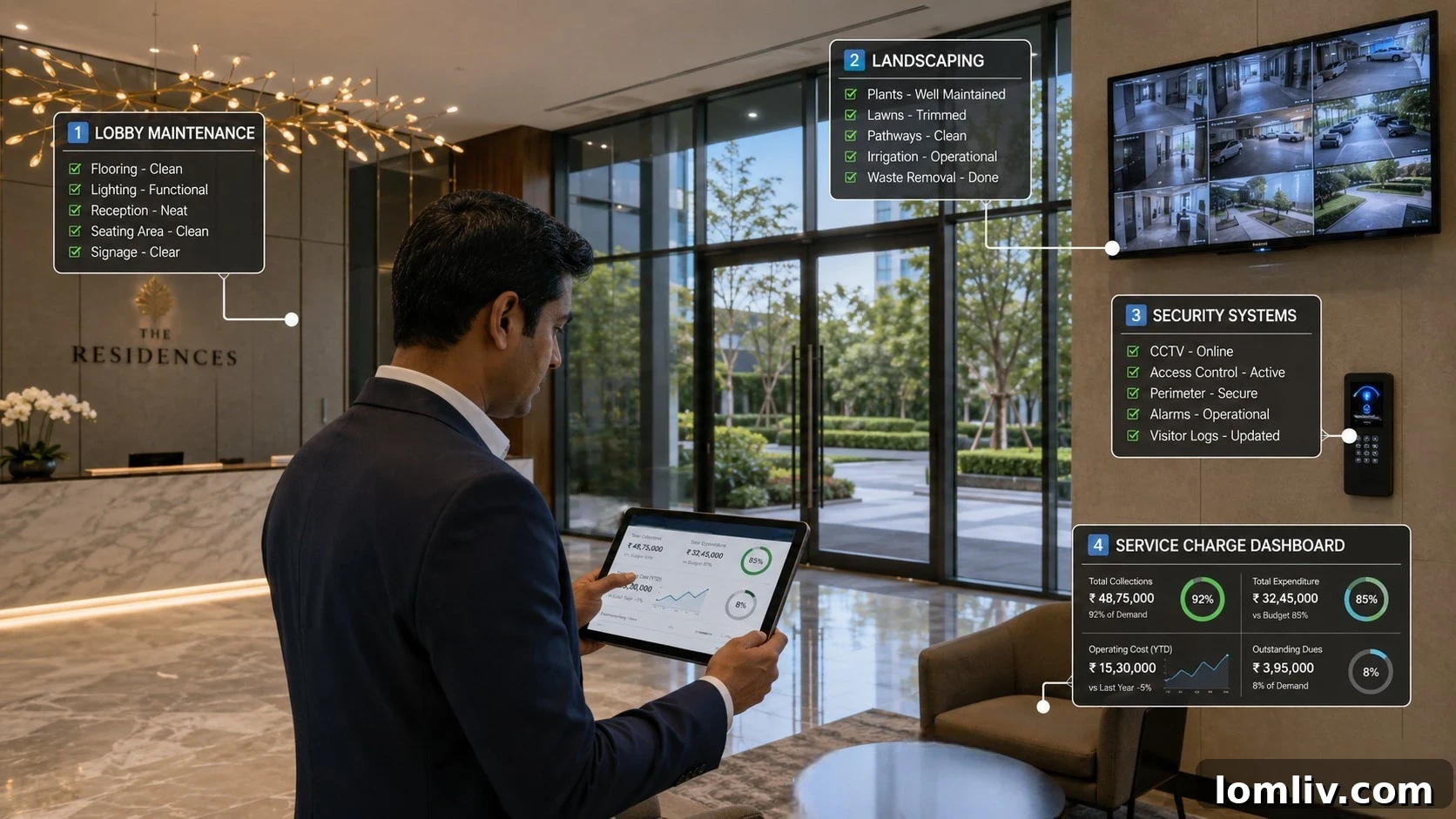
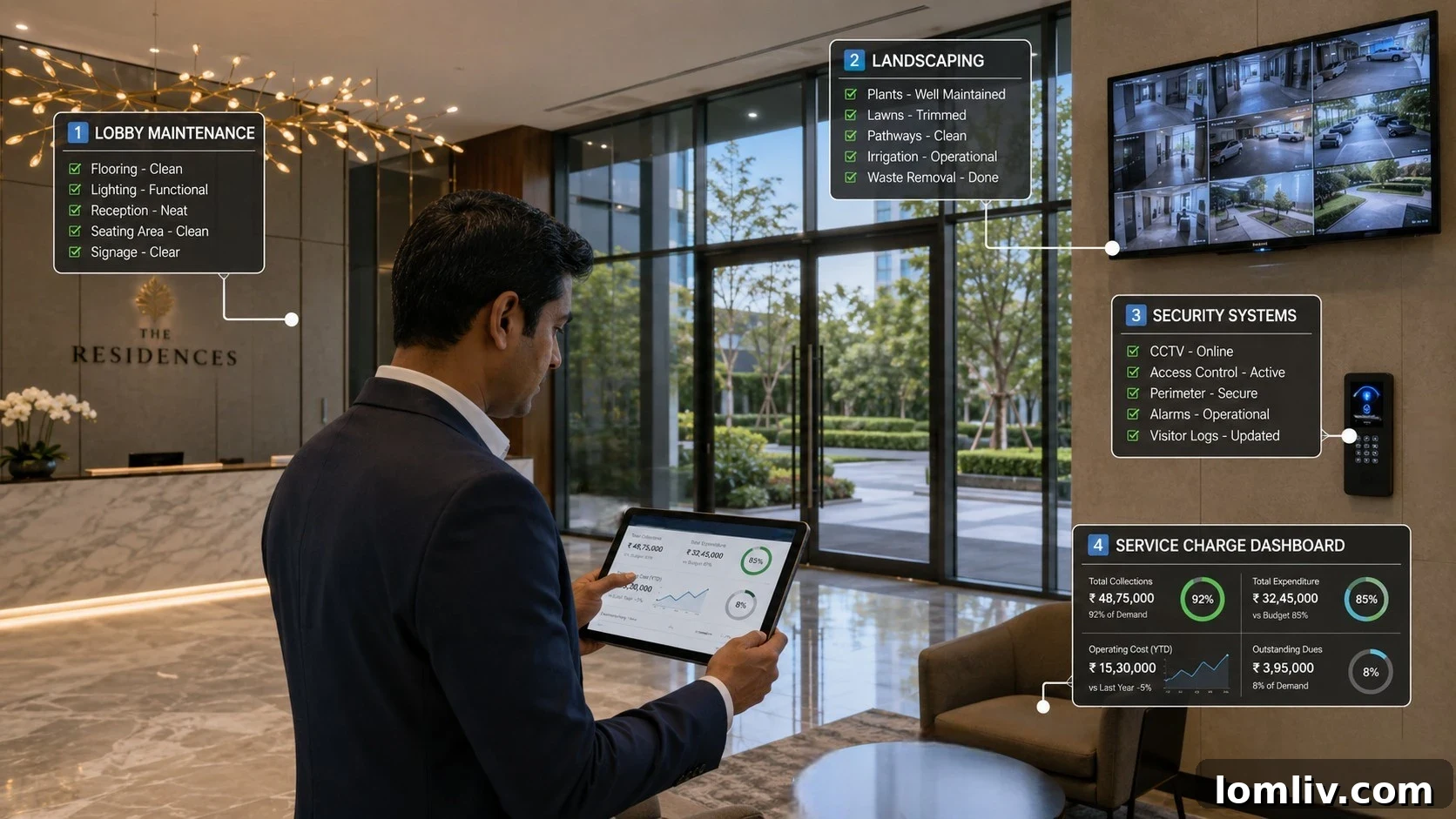
Ongoing costs, such as service charges, affect long-term returns and should be assessed before purchase. Service charges cover maintenance, security, landscaping and building insurance. In Dubai, frameworks like Mollak improve transparency in how fees are collected and used; Abu Dhabi has also strengthened governance for jointly owned properties.
Ask about projected service charge levels and compare them with similar properties in the area to spot unusually high estimates. A competent facility management plan and clear governance for service charges help preserve property value and protect rental yields from unexpected expenses.
Reputation and Market Signals
Reputation, awards and industry recognition provide context beyond official documents. Memberships in professional associations and accolades for sustainability or design reflect a developer’s standing and priorities. Consult brokers and market professionals for candid feedback on which developers consistently deliver and which ones pose risks.
Resident feedback and social media sentiment can reveal recurring post-handover issues. Visiting completed projects and speaking with current owners offers practical insight into build quality and ongoing management. While isolated complaints are normal, recurring negative patterns indicate potential problems and should influence your decision.
Recent Regulatory Changes and Investor Impact
Regulations governing developers continue to tighten to protect investors. Recent changes include stricter escrow rules, licensing updates and requirements that link access to escrow funds to verified construction progress. Regulators also conduct audits and impose penalties for non-compliance, reinforcing market stability.
New protections clarify cancellation procedures and refund mechanisms if projects stall, reducing investor exposure. Staying informed about regulatory updates and how they apply to a given project helps buyers understand their legal remedies and strengthens their negotiating position.
Securing Property Investments Through Diligence
Verifying developer credentials is a mandatory part of any off-plan purchase. Confirm licenses, review delivery histories, insist on escrow confirmation and scrutinize the SPA and third-party partners. Check land titles, permits and service charge governance, and gather market feedback to form a full picture of risk and opportunity.
Use official government portals and professional legal advice to validate documents and decisions. Prioritize verifiable facts over marketing claims. A disciplined verification process turns speculative purchases into informed investments, protecting capital and increasing the likelihood of long-term returns and peace of mind.