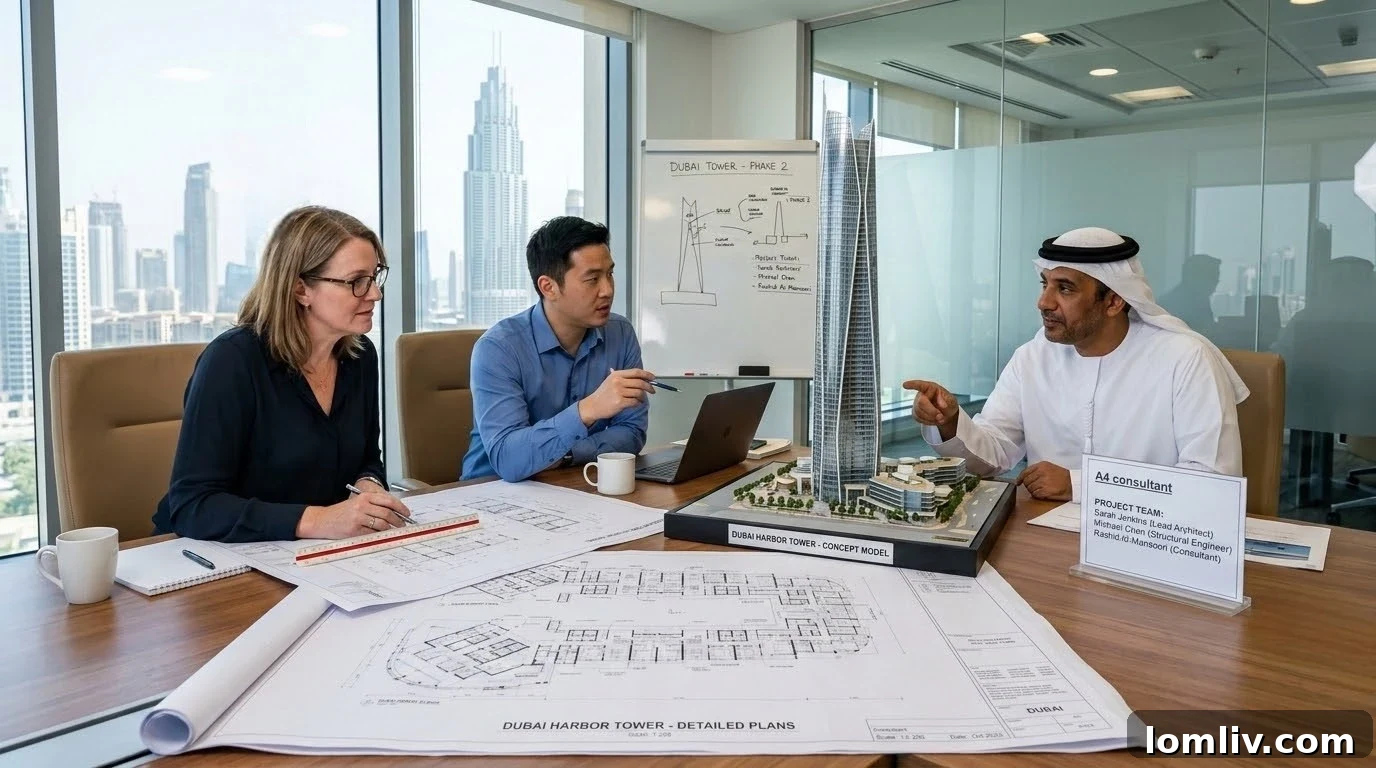
Dubai’s property market has delivered strong returns for many investors, but it has also led to heavy losses for others who chose the wrong projects. Too often the root cause is one factor buyers overlook: the developer. Choosing the right developer is one of the most important decisions you’ll make before purchasing, and the warning signs should be identified before you sign, not after.
Although Dubai offers meaningful buyer protections—especially for off-plan purchases—regulations do not replace careful due diligence on your part.
Below are the key red flags to check before you proceed.
No Proven Track Record of Completed Projects
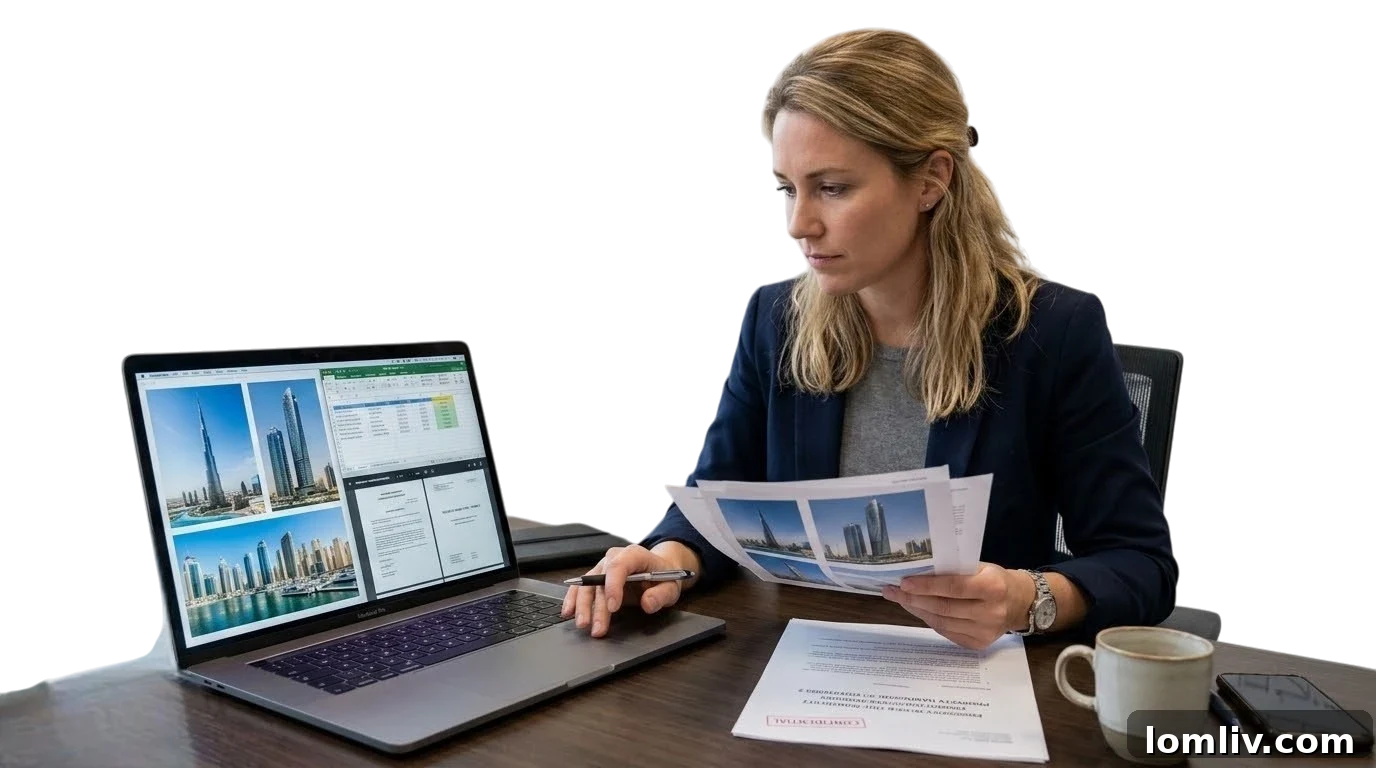
A reputable Dubai developer should have a verifiable track record of completed projects. You can confirm handover dates, construction quality, and resident satisfaction through official registries, site visits, and conversations with current owners.
If a developer cannot point to completed, on-time deliveries, treat that as a warning. Established developers are generally transparent about past projects and make construction updates, tours, and owner feedback accessible. If obtaining basic proof of delivery is difficult, consider that a red flag.
Dodging Escrow Rules
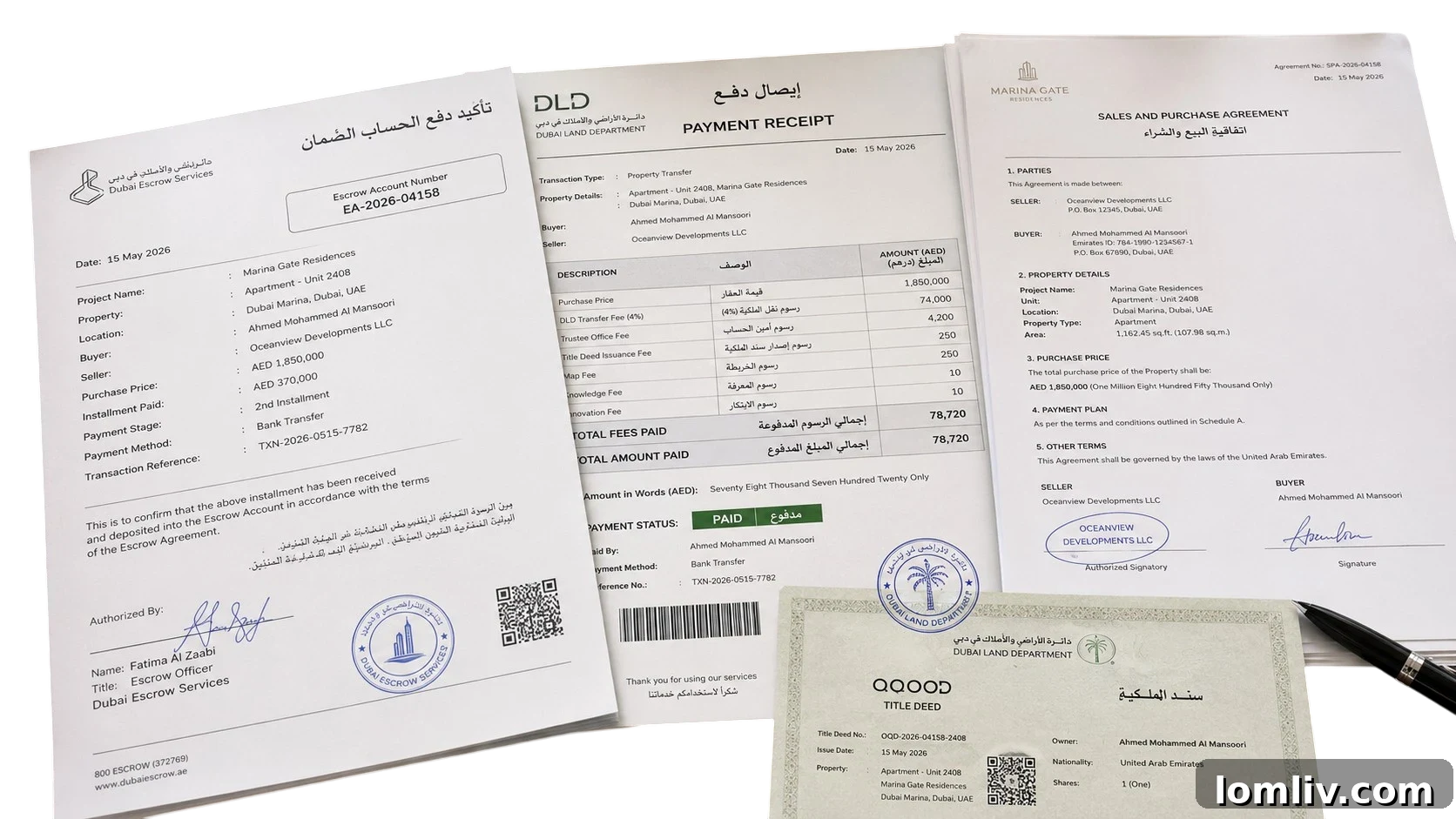
For pre-construction projects, buyer payments should be placed into a project escrow account under the DLD/RERA framework. Those funds are protected and released based on verified construction progress.
A developer that cannot provide clear escrow account details or asks you to route payments outside the regulated structure is not worth the risk. This is not a minor paperwork issue—it’s a core legal protection. If a developer tries to circumvent escrow rules, walk away.
Payment Plans That Don’t Match Construction Progress
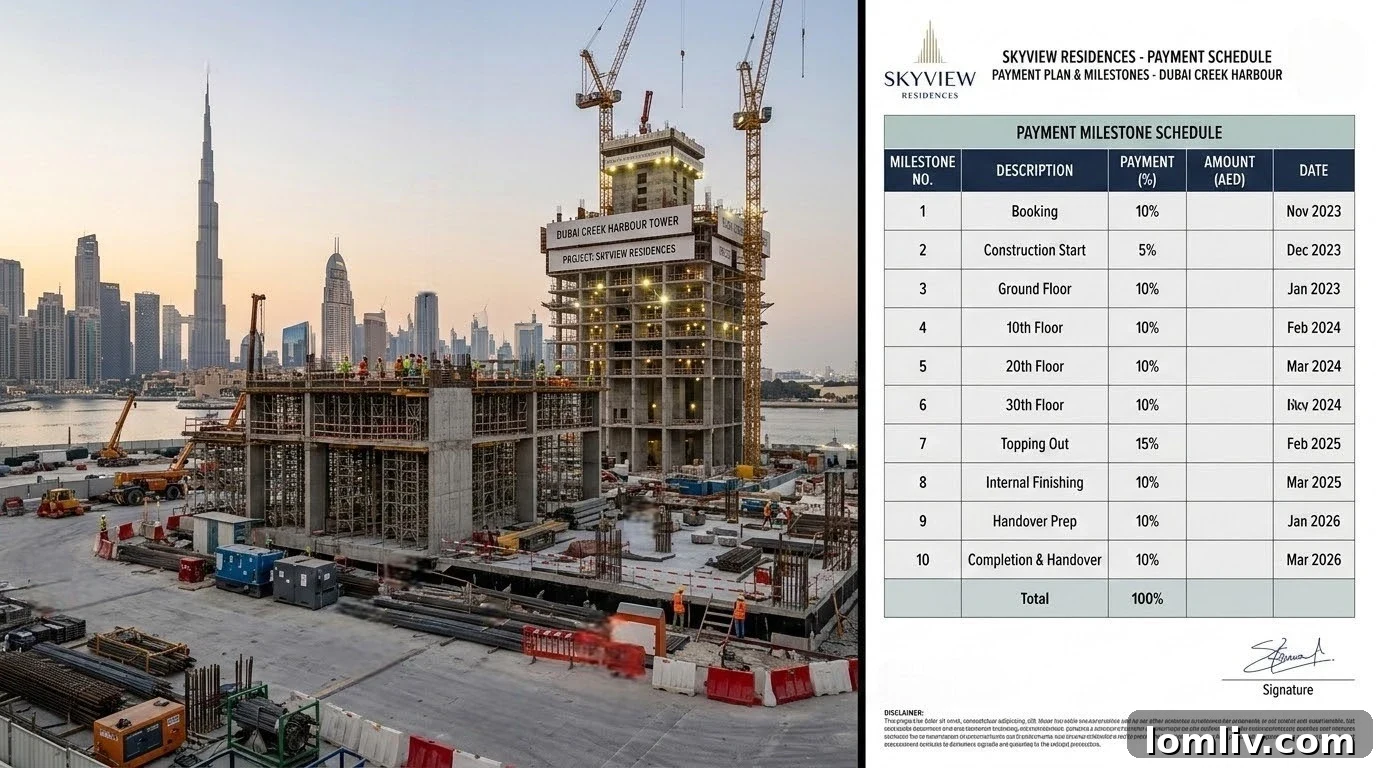
Staged payment plans are common in Dubai’s off-plan market, but problems arise when large installments are required before sufficient construction progress exists to justify them.
A sensible payment schedule should align with documented, inspectable milestones on site. Each installment tied to construction should correspond to a verifiable stage. If the plan appears structured around the developer’s cash flow rather than actual progress, you could end up financing construction risk that has not yet materialized.
Vague or Changing Property Details
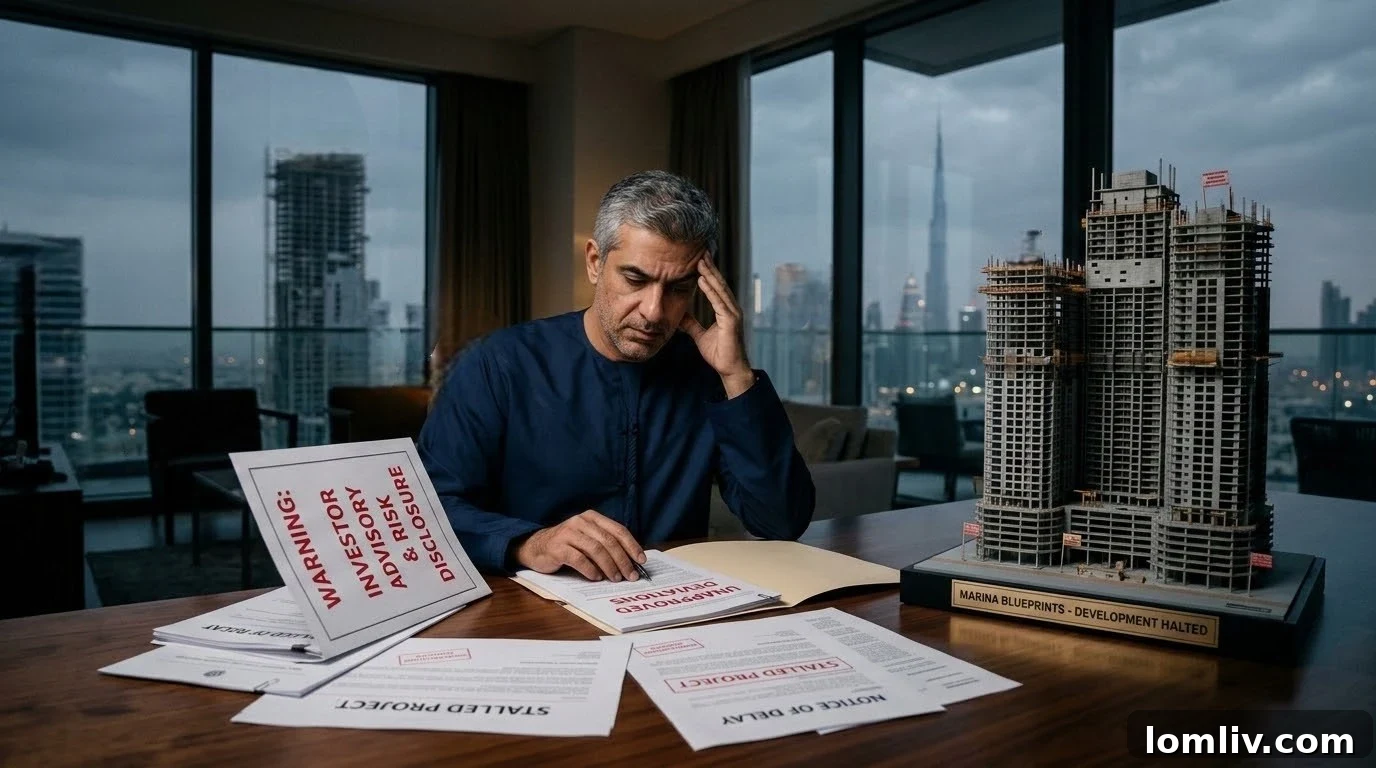
Contracts for off-plan units should include clear, binding specifications for finishes, appliance brands, flooring, bathroom fittings, and any smart systems. Generic terms such as “premium finishes” or “luxury appliances” without brand names or accepted equivalents leave too much room for substitution at handover.
Developers confident in their product will put specifics in writing. Publicly naming the architect or interior partner is helpful but does not replace explicit contractual specifications. Request detailed specifications and be cautious if the developer resists providing them.
Unverified Design and Construction Partners
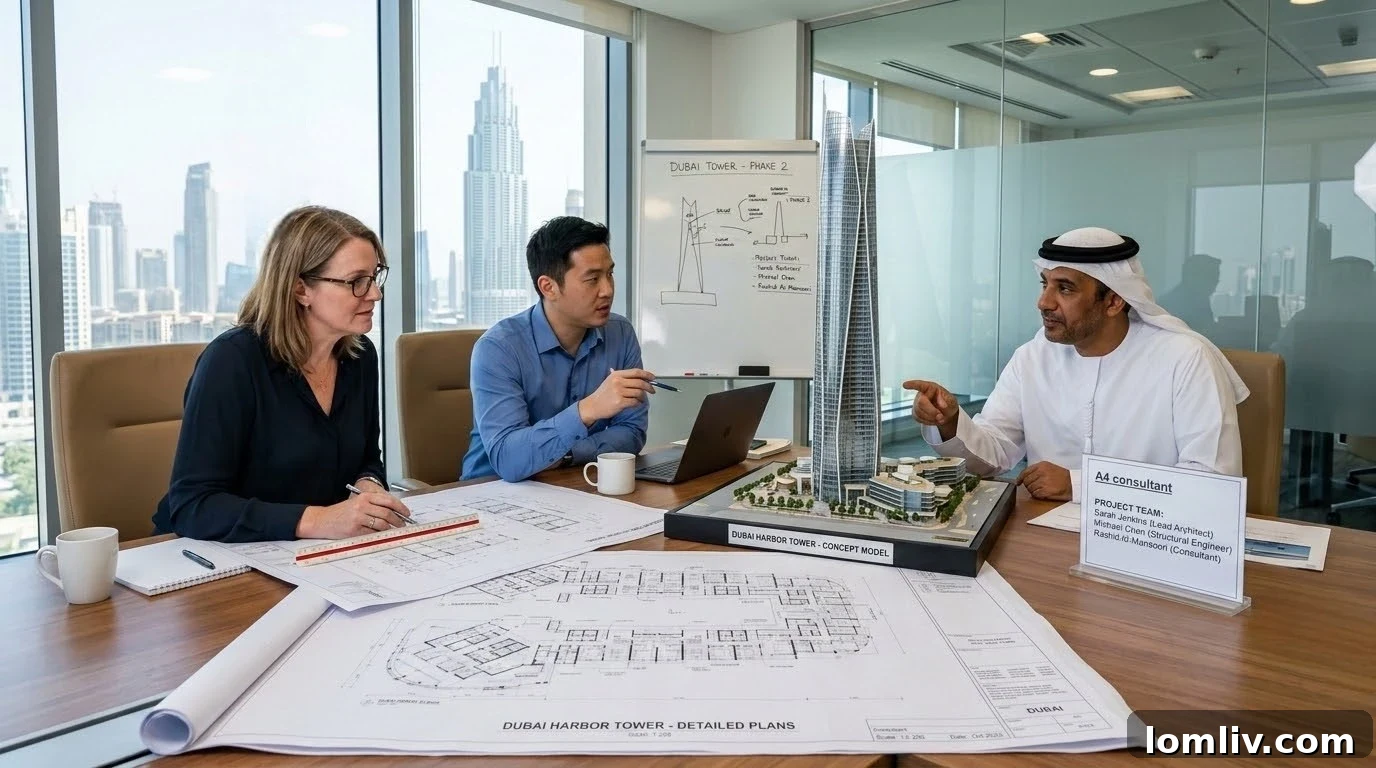
In a market known for ambitious developments, the firms behind design and construction matter. If a project relies on unnamed in-house teams or little-known contractors without a clear record, ask follow-up questions.
Recognised architecture, design, and construction partners provide an extra layer of accountability. Their previous work can be assessed, and their reputations are attached to the project. While that doesn’t guarantee perfection, it is an important factor when assessing risk.
Poor Communication During the Sales Process
How a developer communicates before purchase often reflects how they will behave through construction and handover. Sales teams that dodge questions about timelines, withhold documents, or dismiss technical concerns reveal operational habits.
Note how they respond to direct questions. A serious developer should clearly explain delivery dates, project partners, materials, escrow arrangements, and expected service charges without forcing you to chase every answer. Evasive or slow responses during the sales phase are not minor slip-ups—they can be part of a pattern.
High-Pressure Sales Tactics and Artificial Urgency
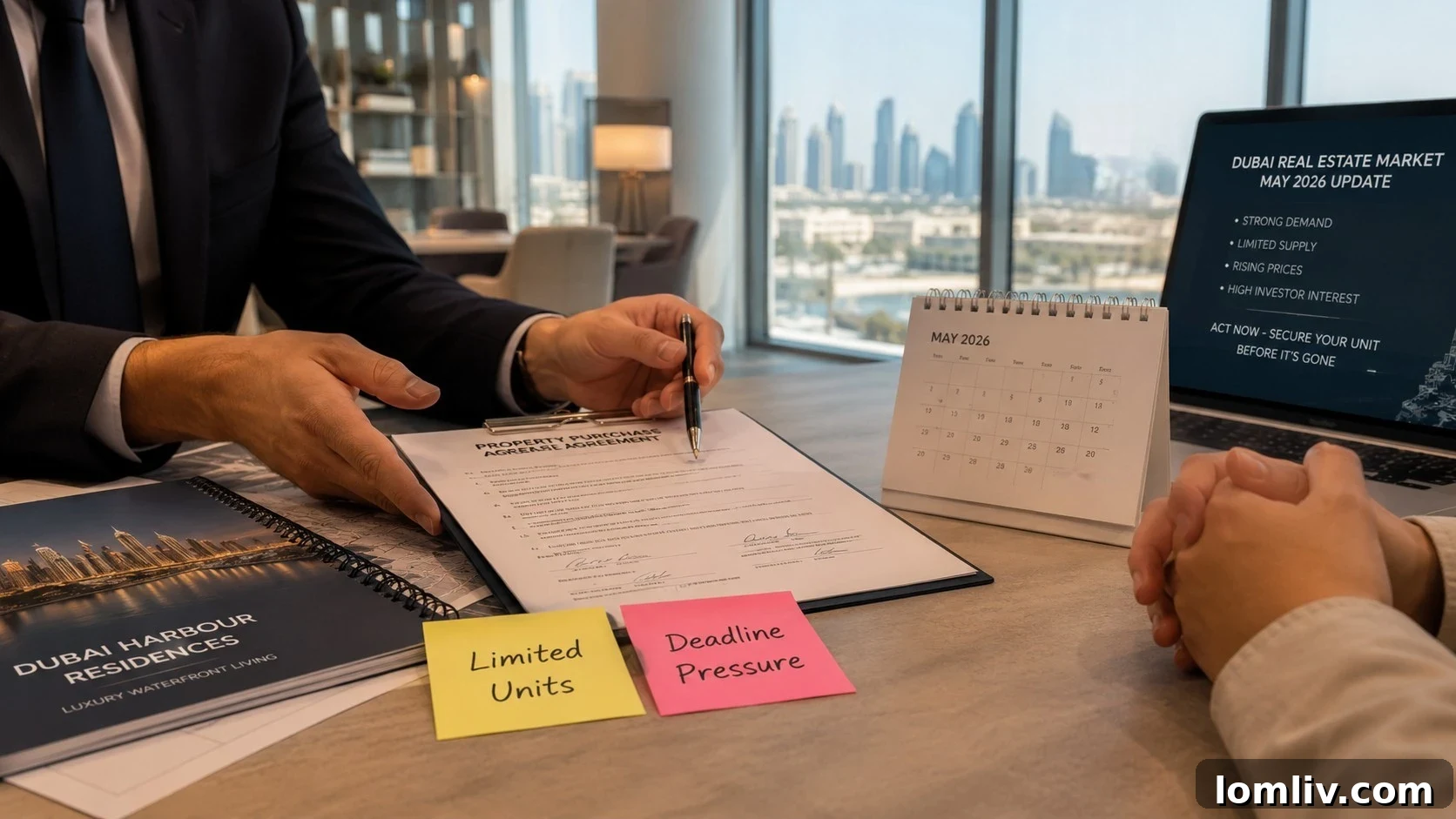
Real scarcity can exist for popular projects, but artificial urgency is often used to rush buyers. Statements like “only two units left” or “prices rise next week” are frequently intended to push you to act before completing due diligence.
A reputable developer should welcome careful questions. If the sales process pressures you to decide quickly or discourages independent review, slow down. No property is worth skipping fundamental checks.
The Real Cost of a Bad Decision
Dubai’s regulations provide important protections, but they don’t replace thorough verification. These red flags are practical issues that commonly emerge after buyers realise their mistake.
Take time to confirm the developer’s history, read the contract carefully, check escrow documentation, and compare payment schedules against observable construction progress. Rely on documents, site evidence, and clear answers rather than marketing language. A trustworthy developer will answer your questions straightforwardly and make the process transparent.