
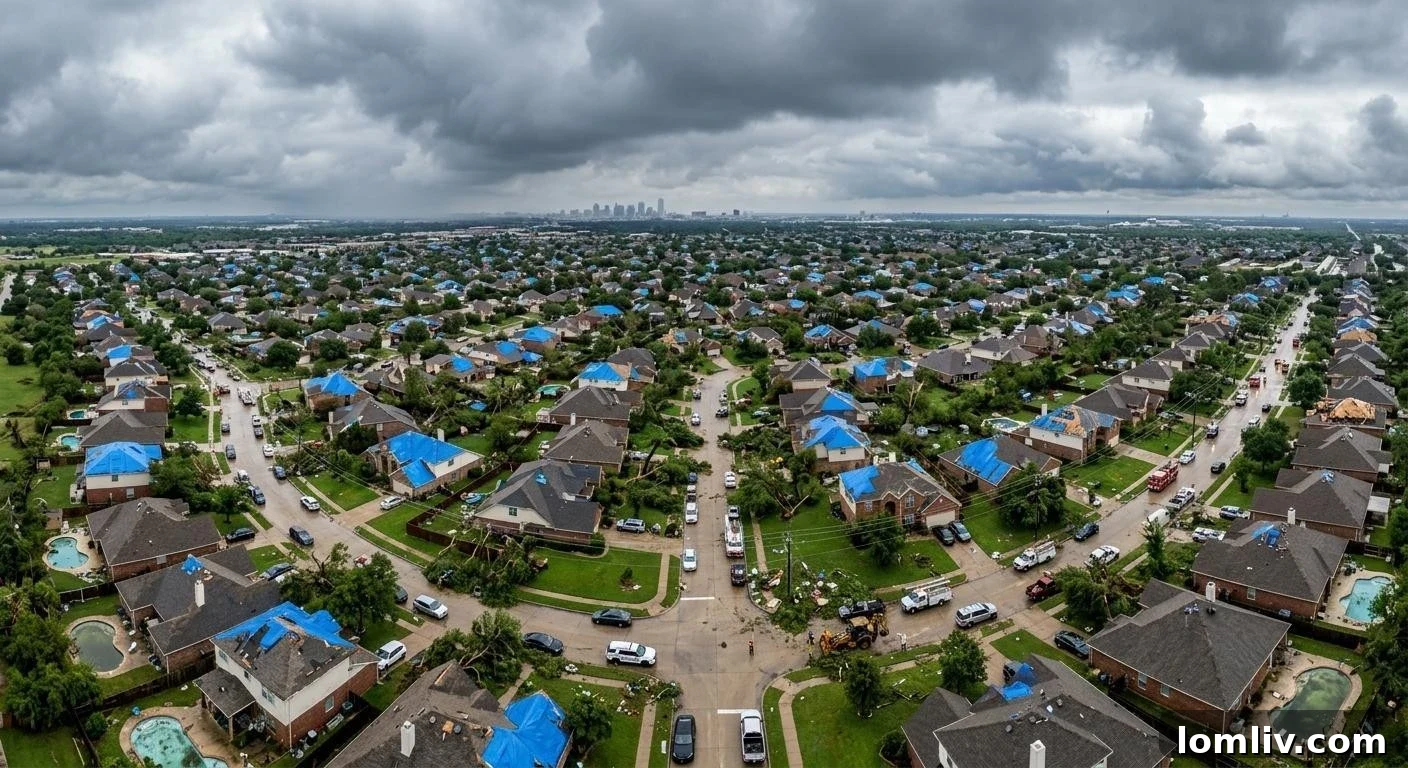
If you own a home in the Dallas–Fort Worth area, severe weather is a matter of when, not if. Hailstorms batter North Texas each spring, tornadoes cut through neighborhoods, and extreme winter events—like the February 2021 freeze—left many homeowners with burst pipes and ruined ceilings. When damage occurs, most people call their insurer and expect a smooth process. Unfortunately, that expectation often leads to frustration.
Texas has some of the highest denial rates in the country and a wide gap frequently exists between initial insurer offers and the cost of proper repairs. The better news is that homeowners who understand the claims process and act decisively after damage are usually in a much stronger position than those who don’t.
This guide explains what to do immediately after damage, what your insurer is legally required to do, and when it makes sense to bring in outside help.
The Reality of Texas Insurance Claims
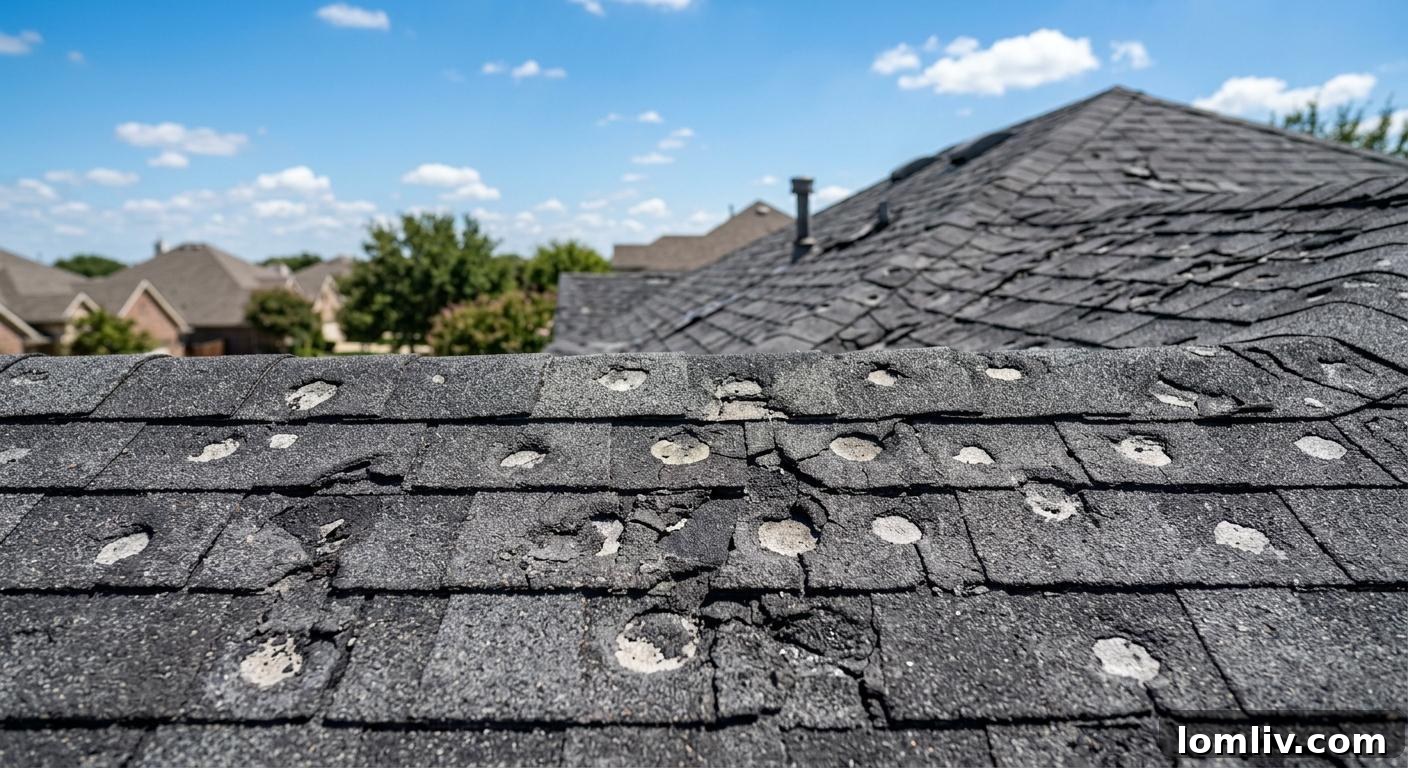
Before you file a claim, consider this: a significant share of homeowners’ claims in Texas end without payment. At the same time, premiums have risen sharply, placing a substantial financial burden on homeowners. That combination makes it essential to document damage carefully and understand how adjusters operate.
Remember: the adjuster who visits your property works for the insurance company. Their role is to evaluate damage, but they are representing the insurer’s interests. For that reason, some homeowners choose to hire a licensed public adjuster—an advocate who works for you, documents damage, interprets policy language, and negotiates on your behalf. Public adjusters are far fewer in number than company adjusters, so when a claim is complex or large, hiring one can help level the playing field.
Even if you don’t hire a public adjuster, there are several important steps you can take right away to protect your interests.
Step-by-Step: How to Handle a Damage Claim the Right Way
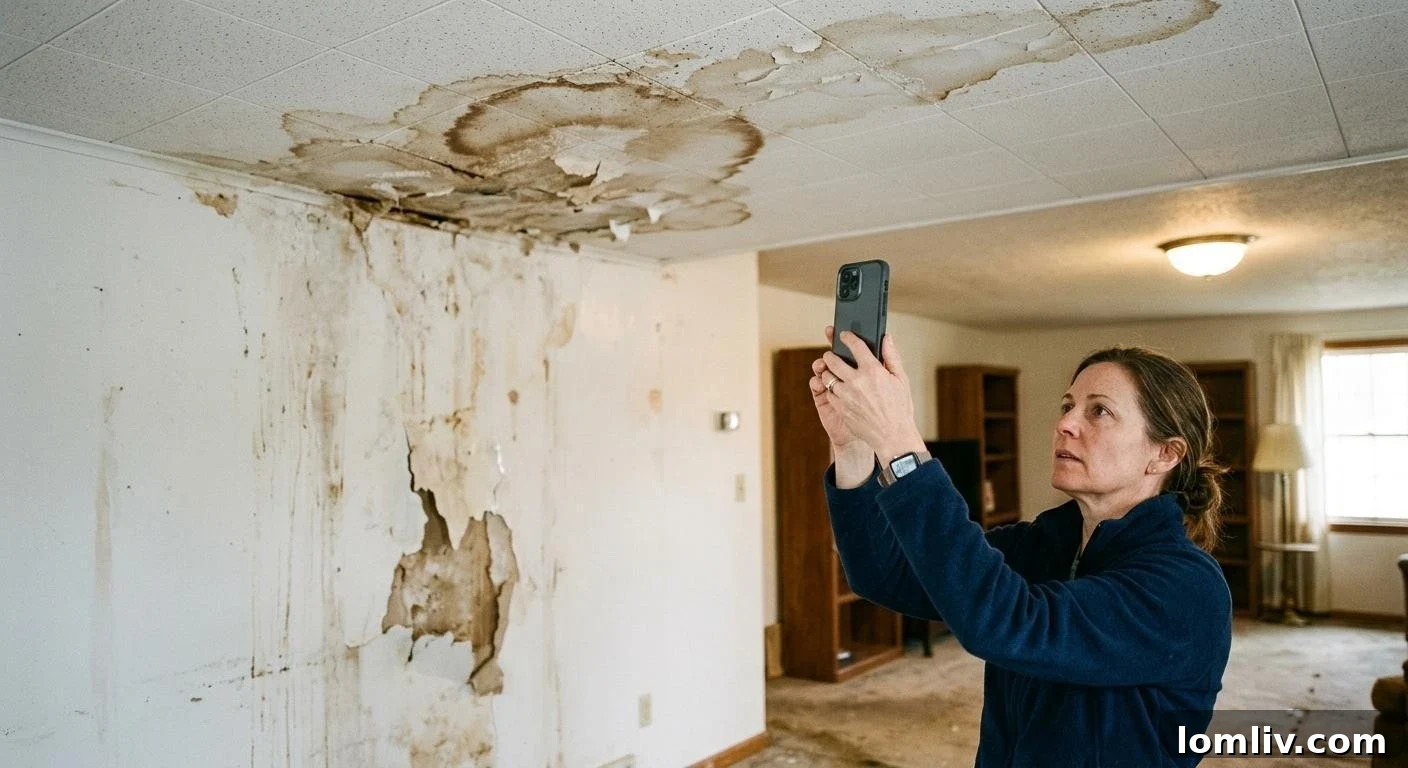
How you act in the first days after storm, hail, or water damage will shape the outcome of your claim. Early steps protect your property, strengthen evidence, and reduce disputes with your insurer later on.
Document Everything Before You Touch Anything
One of the most common mistakes is cleaning up before documenting damage. Leave the scene as it is and record thorough video walkthroughs with narration—open cabinets, show ceilings, and capture close-ups of cracks or wet areas. Photos help, but narrated video provides context that single images can miss.
Keep damaged items when possible. Insurers or adjusters sometimes dispute whether damage is new or pre-existing; physical evidence can be decisive. If you need guidance on what to look for, basic resources on identifying water damage and preparing a home for severe weather can help you spot issues you might otherwise overlook.
Make Temporary Repairs Only
You are expected to take reasonable steps to prevent further damage—cover broken windows, tarp a damaged roof, and save all receipts. Do not perform permanent repairs, such as replacing windows, tearing out drywall, or re-roofing, until an adjuster has seen the original damage. Permanent repairs made before inspection can lead insurers to question the scope or cause of loss.
File Promptly and Build a Paper Trail
File your claim once you have documentation. Texas law sets clear deadlines for insurers: they must acknowledge claims and respond within set timeframes after receiving required information, and they must pay promptly after approving a claim. Those deadlines begin when you file, so don’t delay.
After every call with your insurer, send a confirming email summarizing the conversation and any commitments. Keep a detailed log of dates, times, names, and content of discussions. This documentation becomes essential if questions or disputes arise.
Know What Your Policy Actually Says
Pay close attention to your deductible and how it’s calculated. Many Texas policies use percentage deductibles for wind and hail, which can mean several thousand dollars out of pocket on higher-valued homes. Also verify whether your policy pays Actual Cash Value (ACV) or Replacement Cost Value (RCV). ACV factors depreciation into payouts, while RCV covers replacement costs more fully—often paid in stages. The difference between ACV and RCV can be substantial on large claims.
If you’re new to homeownership, reviewing what a home inspection report typically covers can help you understand the kinds of damage your policy may or may not cover.
What to Do If the Insurance Offer Seems Low

Low offers are common. Insurers often rely on estimating software that may not reflect local labor and material costs. If an offer seems insufficient, get two or three independent contractor estimates and submit them in writing to your adjuster.
Many policies include an appraisal clause for disputes. Appraisal is a contractual process where each side hires an appraiser and a neutral umpire decides the difference—often a faster, less expensive path than litigation. If your claim is denied outright, consumer resources and FAQs from nonprofit organizations can walk you through next steps and appeal options.
Understanding Your Rights Under Texas Law
Texas law provides clear consumer protections for homeowners making claims. Insurers must respond within statutorily defined timeframes, and they face penalties if they delay payments without valid reasons. If an insurer misses payment deadlines, interest and potential attorney fee provisions may apply. It is also unlawful for insurers to misrepresent policy terms or engage in unfair claims practices.
You can file a complaint with the Texas Department of Insurance if you believe your claim has been mishandled. That agency’s complaint process can sometimes prompt a review or resolution without going to court. Keep in mind you generally have two years from the date of loss to pursue legal action, so don’t let time run out while you sort through repairs and paperwork.
How a Licensed Public Adjuster Can Help
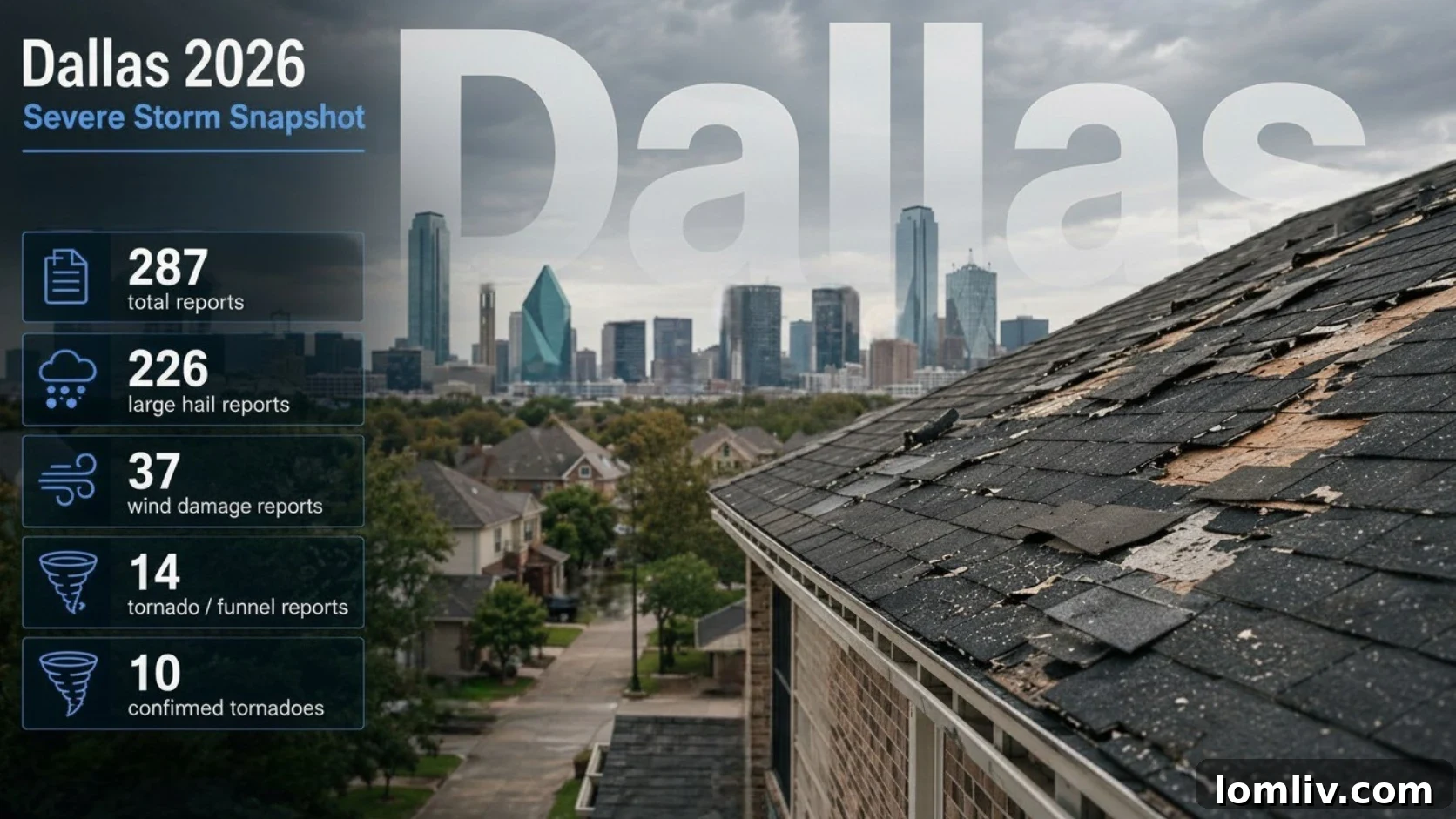
Public adjusters work for you, not the insurer. They interpret policy language, document damage, and negotiate settlements on your behalf. Because insurers typically field many more company adjusters than there are public adjusters, hiring a licensed advocate can help when claims are large, complex, or disputed.
In Texas, public adjusters are regulated and may charge up to a capped percentage of the settlement. They generally cannot collect payment upfront and provide a cancellation window after you sign a contract. Before hiring anyone, verify the adjuster’s license and avoid unverified solicitors who appear after storms promising quick results.
Public adjusters are most useful for complex or high-value claims—multiple damage types, structural issues, or denials. For straightforward, minor claims where contractor estimates align with the insurer’s offer, hiring a public adjuster may not be necessary. But if something feels off, consulting one can often be worth the cost.
Whether repairs are fully funded can also affect your home’s resale value later. An underpaid claim that leads to incomplete repairs can cause problems when you sell.
Do Not Let a Denied Claim Be the End of the Story

Dallas homeowners have rights and tools to protect themselves. Document damage carefully before cleaning up, file promptly and in writing, know your deductible and coverage type, and challenge low offers with contractor estimates. Use appraisal if necessary and pursue complaints or legal remedies if a claim is unfairly denied or delayed.
The Texas property insurance market is challenging: premiums have risen and a notable share of claims are closed without payment. That reality makes preparation and documentation essential—but it’s not a reason to abandon legitimate claims. Being informed, organized, and proactive greatly improves the chances of a fair settlement.