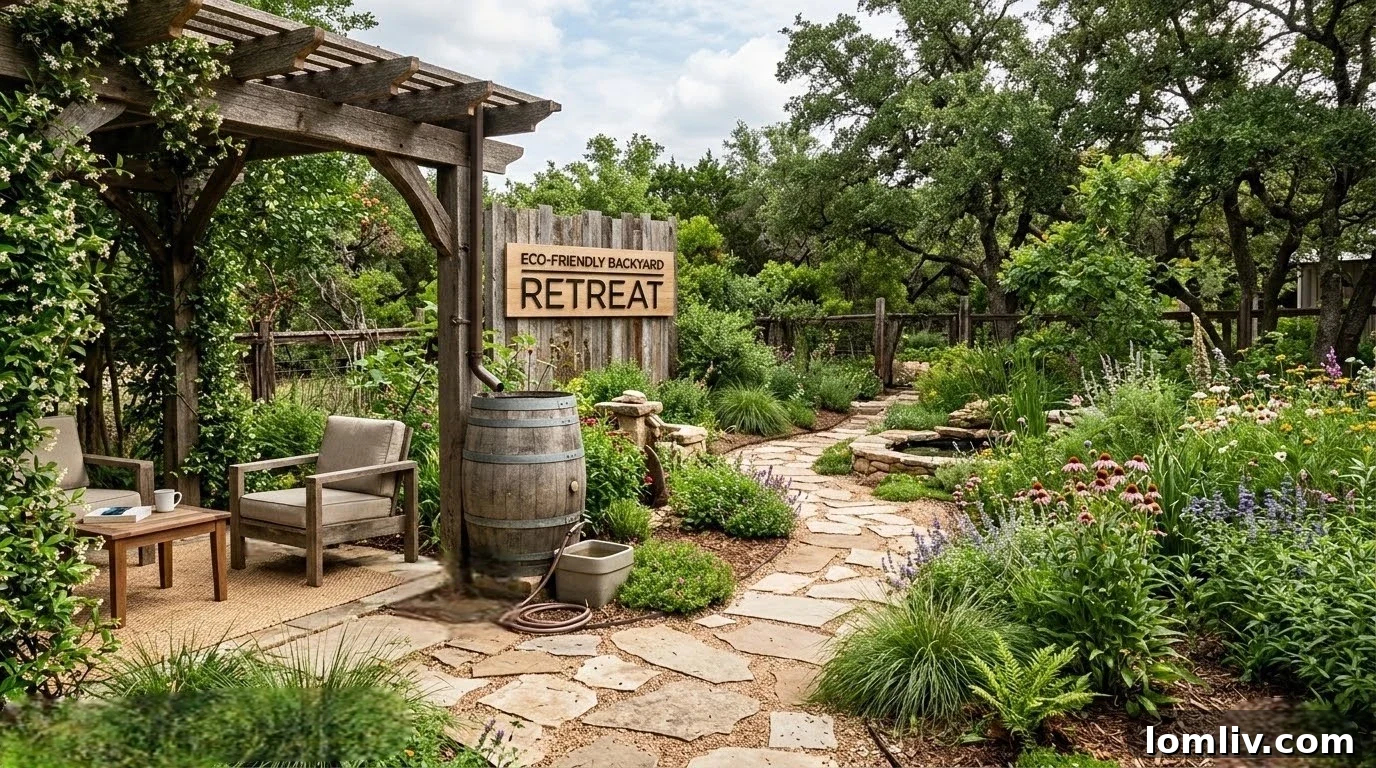
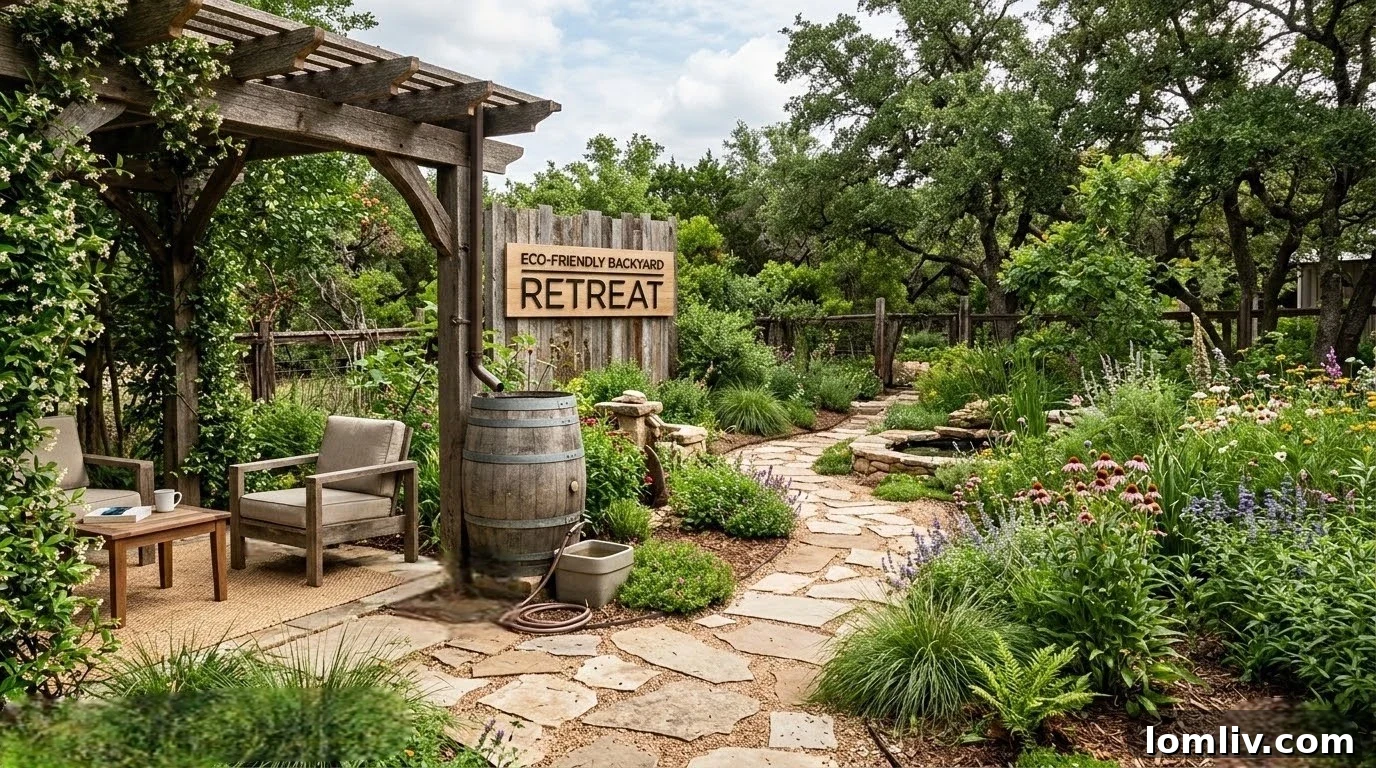
When people hear “eco-friendly,” they often picture a messy compost pile or a yard overrun with weeds. They may also assume a luxury outdoor space requires synthetic turf and cheap plastic furniture destined for a landfill. That misconception overlooks a simple truth: durability is one of the most sustainable choices you can make. Building well from the start prevents wasted resources on repairs and premature replacements.
An eco-friendly backyard focuses on materials and systems that age gracefully and reduce waste and energy use, without forcing you to live off the grid. It blends modern comfort with a practical respect for the land you own.
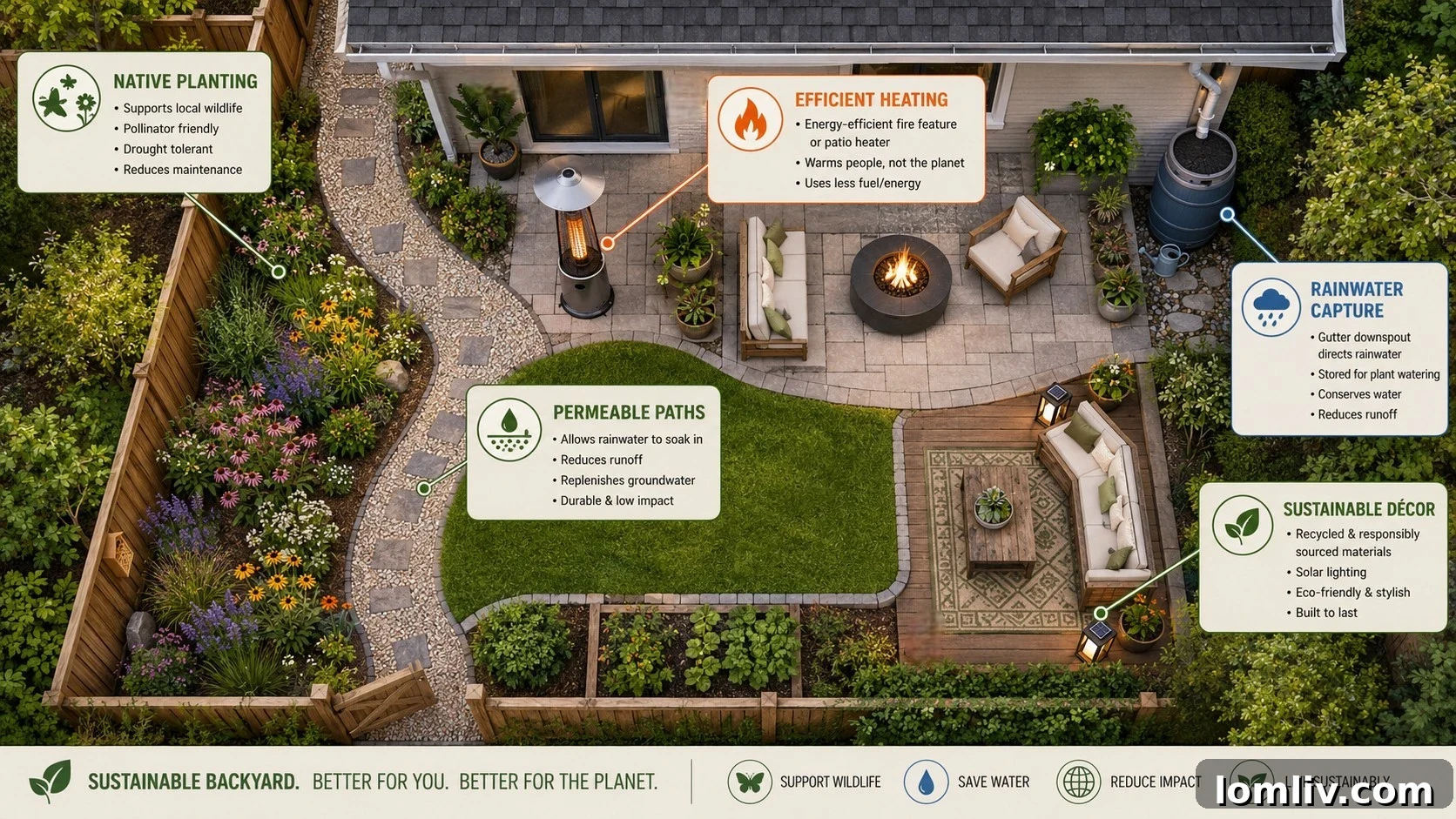
Quick Guide: Sustainable Backyard Essentials
| Focus Area | Impact | |
|---|---|---|
| 1 | Native Planting | Reduces water waste and supports local pollinators. |
| 2 | Permeable Surfaces | Prevents runoff and helps water return to the soil. |
| 3 | Efficient Hot Water and Heating | Reduces energy use during cooler months. |
| 4 | Sustainable Decor | Uses durable materials that minimize environmental harm. |
| 5 | Water Management | Conserves rainwater and reduces stormwater runoff. |
1. Prioritize Durable, Reclaimed Materials
One major flaw in modern backyard design is throwaway culture: inexpensive patio sets that rust or plastics that crack after a season. To create a retreat that endures, choose materials with a history and proven longevity. Reclaimed wood and natural stone develop character over time and reduce the environmental cost of harvesting or manufacturing new materials.
For structures like a guest suite, pool house, or covered backyard room, select finishes that withstand weather while remaining warm and inviting. Rustic or reclaimed flooring adds texture and a lived-in feel that plastic-coated substitutes cannot match. Choosing wood with visible knots and grain celebrates the material’s story instead of hiding it under synthetic finishes.
2. Upgrade to High-Efficiency Climate Control
Backyard kitchens, studios, and workshops often need hot water and heating. Many homeowners default to tank-style water heaters that keep water hot constantly, wasting energy. Tankless water heaters heat water on demand, eliminating standby losses and often reducing utility costs. Compact, high-efficiency models fit well in small backyard structures where space matters.
When upgrading, prioritize units with strong efficiency ratings and a reputation for reliability. Properly sized equipment delivers comfort without excessive energy use, helping your outdoor space stay functional year-round.
3. Rethink Your Furniture and Fixtures
Sustainability also applies indoors. Avoid cheap, mass-produced pieces made with heavy adhesives or high-VOC finishes. Instead, choose furniture built from sustainably sourced materials and fixtures with low-VOC or low-emitting finishes to support healthier indoor air quality.
Smart, space-conscious design improves both function and longevity. In a pool house or small bath, floating vanities and wall-mounted storage keep floors clear and make cleaning and maintenance easier, which reduces the need to replace elements prematurely.
4. Work With the Natural Landscape
Designing with the existing topography avoids heavy-handed solutions. If your yard slopes, a poured concrete retaining wall may not be the best first choice. Terraced beds planted with native species can stabilize soil while enhancing biodiversity.
Native plants are adapted to local soil, rainfall, and climate, so they typically need less fertilizer and watering. A resilient garden mirrors the local ecosystem: it conserves resources and provides habitat for birds, pollinators, and other wildlife.
5. Manage Your Water Cycle
Extensive concrete and asphalt create runoff that carries pollutants into storm drains. Where site conditions allow, choose gravel, wood chips, or permeable pavers for walkways so rain soaks into the ground. Permeable surfaces help recharge groundwater and reduce pressure on stormwater systems.
Simple measures like installing a rain barrel to capture roof runoff provide free, non-potable water for irrigation. Small investments in rain capture and infiltration deliver ongoing benefits for your landscape and local waterways.
Building for the Future
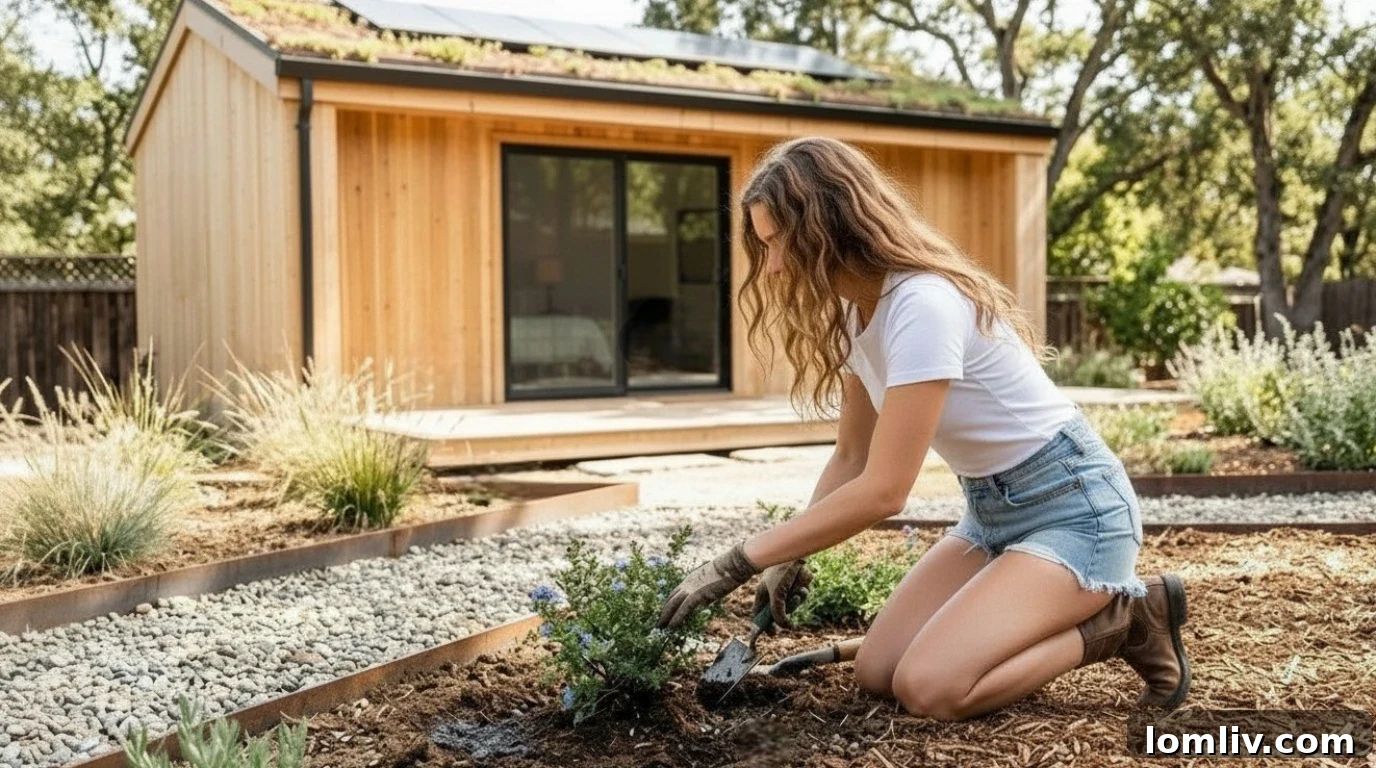
Creating an eco-friendly backyard is often about subtracting what isn’t necessary: excess materials, harsh chemicals, and items that require constant replacement. Look at your yard and identify one area where you can swap a synthetic element for a natural or reclaimed alternative.
Start small: repair an outdoor faucet, replace a patch of lawn with native groundcover, or plant a few native shrubs. When you prioritize quality, durability, and efficiency, you’ll create an outdoor space that looks great and stands the test of time.
Frequently Asked Questions
1. Are eco-friendly materials more expensive?
Often they have a higher upfront cost, but durable, sustainable materials and efficient systems typically pay off over time through lower maintenance and reduced utility bills.
2. Can I still have a luxury look with a sustainable retreat?
Yes. Sustainable design and luxury are compatible—high-quality natural stone, custom furniture, and efficient climate technology often feel more refined and longer-lasting than mass-produced plastic alternatives.
3. What is the easiest way to start being eco-friendly in my yard?
Reduce lawn area as a first step. Replacing even a small section of grass with native groundcover or a mulched planting area cuts water use and maintenance immediately and creates an opportunity for greater biodiversity.