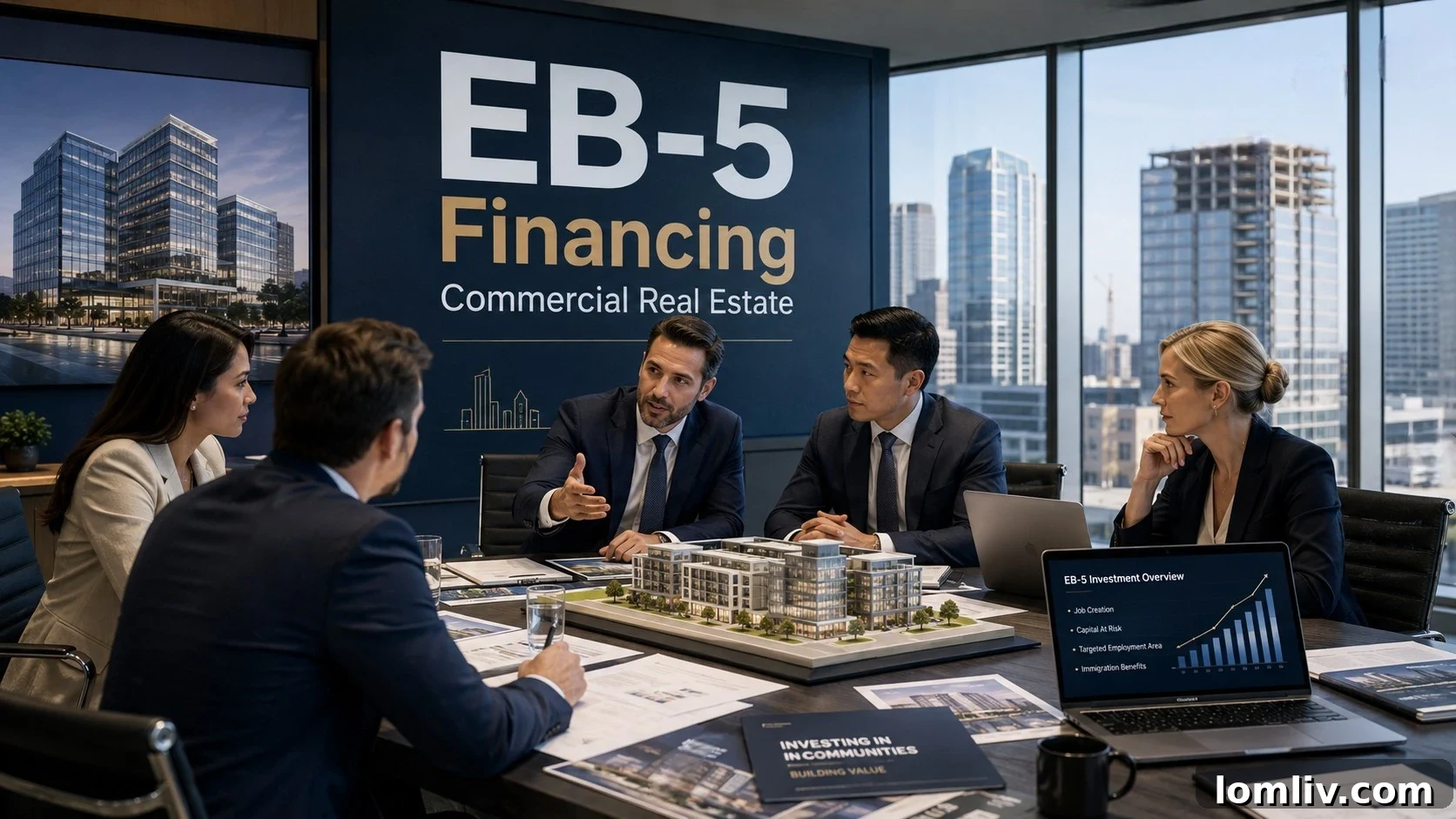
Commercial real estate development often depends on reliable access to capital. Whether a developer is building multifamily housing, a hotel, mixed-use property, or senior living community, most projects require multiple funding sources before construction can begin and progress to completion.
Traditional financing frequently falls short of total project costs. Lenders may limit exposure, interest rates can raise borrowing costs, and developers often need supplemental capital to complete the financing stack. In those situations, EB-5 financing can provide a practical alternative.
EB-5 financing links foreign investor capital to U.S. projects that generate jobs. For developers, it can provide meaningful funding for large-scale developments. For investors, it can offer a potential pathway to U.S. permanent residency through a qualifying investment that meets program requirements.
Because development activity commonly produces jobs—from construction to ongoing operations—EB-5 is particularly relevant in real estate.
What Is EB-5 Financing?
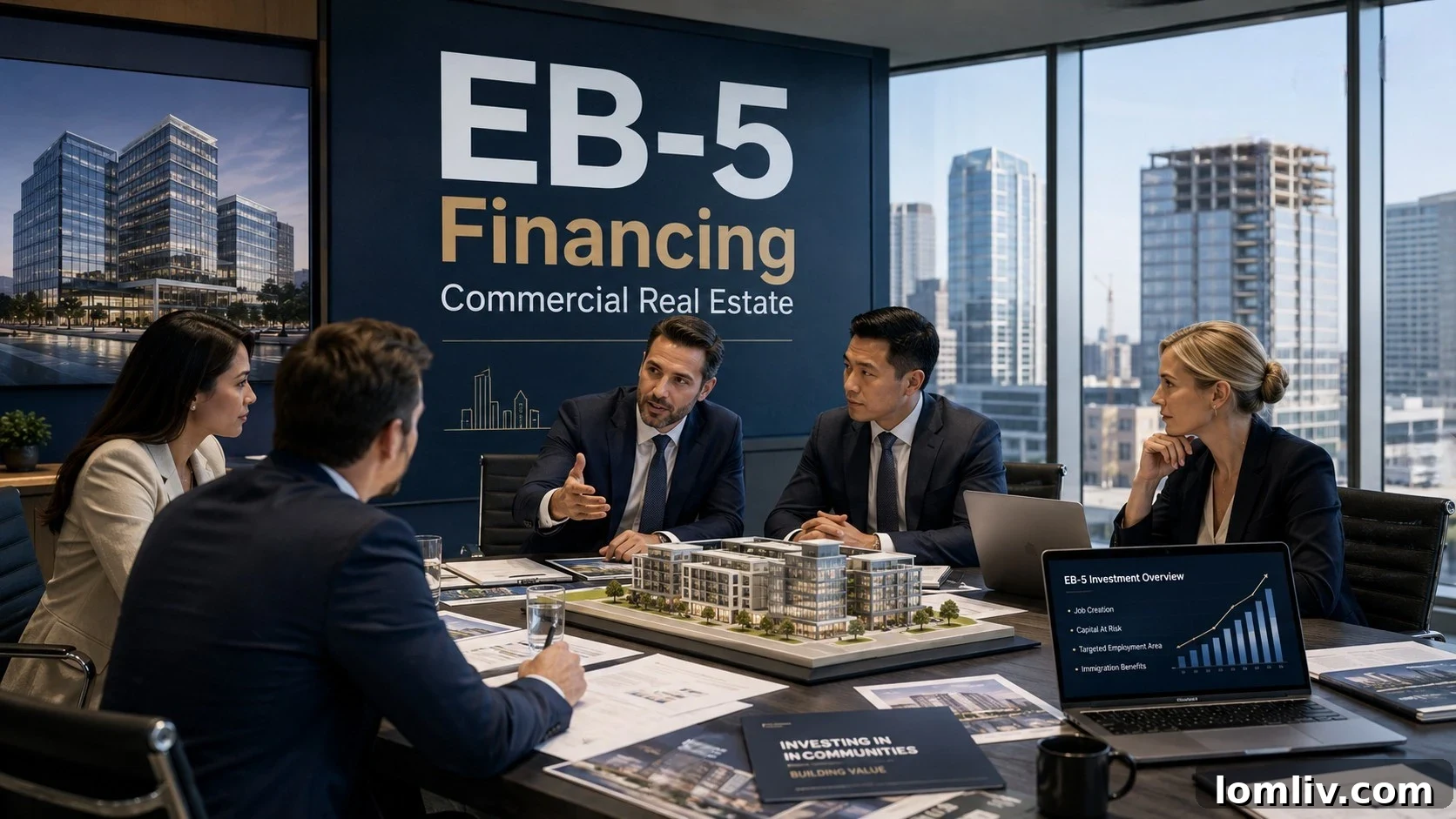
EB-5 financing originates from the EB-5 Immigrant Investor Program. Under the program, eligible foreign investors place capital into qualifying U.S. businesses or projects. If the investment meets program conditions and results in the required job creation, investors and their immediate family members may be eligible to apply for permanent residency.
In the real estate sector, EB-5 funds commonly support multifamily developments, hotels, mixed-use communities, commercial buildings, and senior housing. These types of projects are capital-intensive and typically generate jobs through construction activity, on-site operations, and spending by local vendors and suppliers.
Because of this alignment between investment needs and job creation, real estate has become one of the most frequent uses of EB-5 capital.
Why EB-5 Fits Commercial Real Estate
Commercial real estate projects often rely on layered financing: a senior loan, developer equity, bridge financing, mezzanine debt, and investor capital. EB-5 can operate as one component of that capital structure, helping close funding gaps and enhance project feasibility.
For developers, EB-5 offers additional liquidity when traditional loans are constrained or costly, and it adds flexibility to the overall financing plan. For investors, real estate projects are often more straightforward to assess than other business models because they have a physical site, a development plan, tangible timelines, and observable market demand.
This mutual fit—capital for developers and a job-creating investment for investors—makes EB-5 and real estate a natural pairing when projects are structured and managed correctly.
Why Developers Use EB-5 Capital
Developers use EB-5 capital as an alternative funding source when traditional loans and equity are insufficient. It can keep construction on schedule, reduce financing pressure, and diversify the project’s sources of funds.
However, EB-5 financing requires compliance with immigration-related rules. Sponsors must maintain rigorous documentation, demonstrate appropriate use of funds, evidence job creation, and support investor filings with accurate reporting. Projects must be structured so investor applications can rely on project-level data to meet USCIS requirements.
Consequently, EB-5 works best when developers partner with experienced teams who understand both complex real estate finance and EB-5 compliance obligations.
Why Investors Choose EB-5 Real Estate Projects
Many foreign investors approach EB-5 with two primary goals: securing immigration eligibility and preserving capital. While financial returns matter, the main objective for many participants is obtaining a potential path to U.S. permanent residency for themselves and their families.
Real estate projects appeal because they are tangible and easier to evaluate—investors can examine the land, the market, the development plan, and the timeline. That visibility helps investors assess the likelihood of project completion and the projected job creation that supports their immigration application.
Investors must remember that EB-5 funds must remain at risk: projects cannot promise guaranteed repayment, profits, or immigration outcomes. Due diligence is therefore essential. Prospective investors should review the developer’s track record, the capital stack, the project timeline, job-creation methodology, regional center performance (if applicable), use of funds, and the exit strategy.
The Role of Regional Centers

Many EB-5 real estate projects operate through USCIS-designated regional centers, which support investment projects and help manage project-level documentation. Regional center structures are typically more passive for investors than direct EB-5 investments and often allow indirect and induced job counts—subject to program rules—to satisfy job creation requirements.
For investors who do not wish to operate a business directly, regional centers can simplify participation by letting experienced teams handle development execution, economic modeling, and compliance reporting while investors focus on project selection, source-of-funds documentation, and their immigration filings.
Understanding the Risks
EB-5 financing offers benefits but carries risks. Real estate projects can encounter delays, cost overruns, market changes, entitlement or permitting hurdles, financing shortfalls, and construction issues. Any of these problems may affect completion timelines, repayment expectations, and the job creation needed for immigration approval.
Immigration risk is also significant: failure to meet job-creation thresholds or to maintain proper documentation can jeopardize investors’ green card prospects. Therefore, investors should evaluate how a project complies with EB-5 rules, how jobs are calculated, and how the sponsor plans to manage construction and compliance.
Working with seasoned EB-5 and real estate professionals helps investors ask the right questions and assess both the immigration and financial dimensions before committing capital.
Moving Forward with EB-5 Real Estate Investment
When structured properly, EB-5 financing can be a powerful tool for commercial real estate. It can close financing gaps for developers while offering foreign investors a potential immigration pathway tied to job-creating projects.
Success depends on strong project fundamentals, clear documentation, and experienced management. Investors should scrutinize how job creation is documented, how the capital stack is assembled, who manages the development, and how the investment supports EB-5 compliance.
With careful due diligence and reputable advisors, EB-5 can align developer funding needs with investor immigration goals, creating value for projects, communities, and the families who invest in them.