West Dallas: The Epicenter of Dallas’s Next Urban Transformation
West Dallas, once a predominantly industrial expanse with a quiet residential backdrop, is rapidly emerging as Dallas’s most dynamic and sought-after urban frontier. With unparalleled views of the glittering downtown skyline and the architectural marvel of the Margaret Hunt Hill Bridge, this district is undergoing a monumental metamorphosis from its gritty industrial roots to a vibrant, mixed-use residential and commercial hub. Industry experts, including Steve Brown, have extensively chronicled this significant shift, predicting that West Dallas is poised to become the city’s premier example of industrial-to-residential transition. This massive influx includes the projection of over 1,300 brand-new apartment units, signaling a profound change in the area’s landscape.
However, this exciting wave of redevelopment prompts crucial questions. What will be the long-term impact of these thousands of new residences on the existing infrastructure, transportation networks, and public services? Can West Dallas accommodate such rapid growth without compromising its unique character? More broadly, will this ambitious redevelopment project set a new benchmark for sustainable urban planning and become a model for other burgeoning areas across Dallas and beyond?
Bridging the Retail Gap: Catalysts for Change in North Oak Cliff and West Dallas
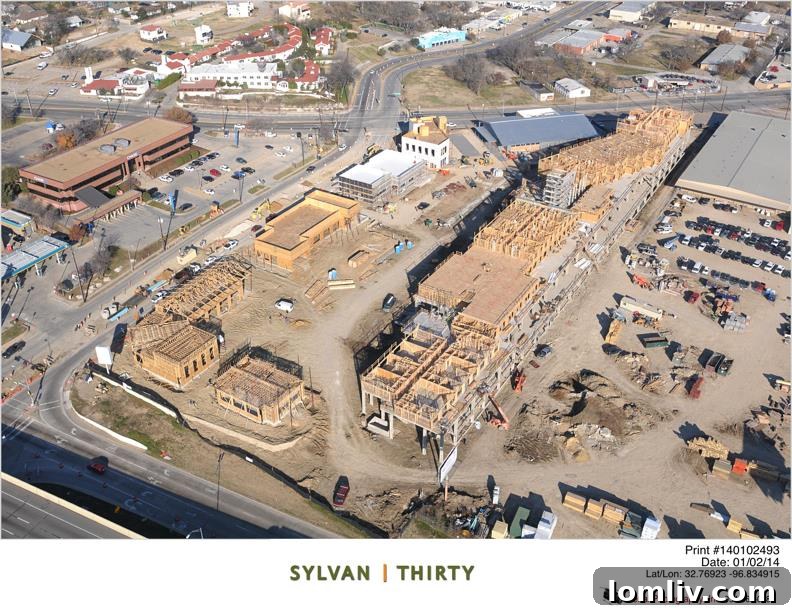
For years, a persistent concern among North Oak Cliff residents has been the noticeable absence of diverse and high-quality retail options within their immediate vicinity. This narrative is now dramatically changing, thanks to groundbreaking developments that are redefining the retail landscape. The highly anticipated opening of Cox Farms Market, coupled with the ongoing progress of mixed-use projects like Sylvan|Thirty at the strategic intersection of Fort Worth and Sylvan avenues in West Dallas, marks a turning point. These developments are not just about residential units; they are fundamentally about creating self-sustaining communities where residents can live, work, and shop without extensive commutes. It begs the question: are developers, inspired by the success of these early ventures, now actively exploring more comprehensive retail and commercial projects to complement the residential boom in this transitional zone?
The catalytic effect extends beyond Sylvan|Thirty. The resounding popularity of Trinity Groves, a groundbreaking culinary and entertainment district, has already attracted significant attention and investment. Plans for even more apartments within the Trinity Groves project underscore its evolution into a fully integrated urban village. With such a confluence of residential, retail, and entertainment developments converging simultaneously, the critical mass of residents and amenities in West Dallas appears imminent. This rapid clustering suggests the area is on the cusp of reaching a tipping point, transforming it into a self-sufficient and highly desirable urban destination.
Affordable Urban Living and the Resurgence of Density
One of the most compelling aspects of West Dallas’s residential offerings is its promise of accessible urban living. While the new developments will undoubtedly feature modern amenities on par with those found in upscale districts like Uptown and the Design District, reports indicate that rental costs are projected to be several hundred dollars cheaper. This significant price differential makes West Dallas an incredibly attractive option for individuals and families seeking a vibrant urban lifestyle without the premium price tag typically associated with central Dallas neighborhoods.
This trend toward urban density and mixed-use development is not isolated to West Dallas. It resonates with broader movements across the city, suggesting a renewed embrace of new urbanism concepts north and south of the Trinity River. This sentiment is further bolstered by recent news from Lincoln Properties regarding “The Village” – a sprawling multifamily community nestled between Northwest Highway and Lovers Lane, west of Skillman Street. Lincoln Properties has unveiled ambitious plans for a complete redevelopment of The Village in the coming years. This extensive renovation of an established community signals a city-wide commitment to revitalizing existing urban spaces and fostering denser, more walkable environments. The parallel evolutions in West Dallas and areas like The Village demonstrate a collective shift in Dallas’s development philosophy, moving towards integrated, community-centric urban planning.
The Core Principle: Smart Development and Integrated Communities
At the heart of West Dallas’s transformative narrative lies the critical principle of smart development. This philosophy advocates for the deliberate and harmonious integration of housing and retail, creating environments where these components work synergistically. The goal is to de-emphasize the reliance on long commutes between different buildings and districts, instead capitalizing on daily routines and natural proximity. Imagine a neighborhood where your favorite coffee shop, grocery store, and apartment are all within a short walk, fostering a genuine sense of community and convenience. This intentional design minimizes traffic congestion, reduces carbon footprints, and significantly enhances the quality of life for residents by promoting walkability and local engagement.
Smart development in West Dallas is not merely about constructing buildings; it’s about crafting experiences. It’s about creating street-level retail that serves residents’ immediate needs, fostering vibrant public spaces, and designing residential complexes that encourage interaction and community building. This integrated approach ensures that the growth is not just rapid, but also thoughtful, sustainable, and beneficial for both new and long-time residents. By meticulously planning the interplay between living spaces and commercial offerings, West Dallas aims to avoid the pitfalls of suburban sprawl and instead cultivate a truly urban, pedestrian-friendly environment.
Voices from the Frontlines: Perspectives on West Dallas’s Future
The vision for West Dallas is eloquently articulated by the developers and community leaders who are shaping its future. Their insights provide a compelling look into the potential and challenges of this burgeoning district. As developer Monte Anderson aptly notes, the financial commitment to West Dallas is substantial:
Now developers are pouring millions in new projects in the area, he said. “If you look at the Belmont, Sylvan Thirty and the Wood Partners deals, those total up to more than $140 million.”
Anderson is now working on several small retail buildings that will be constructed next door to the Belmont. This strategic move by developers like Anderson highlights a holistic approach, recognizing that successful residential growth must be supported by accessible and diverse retail options. Neighborhood leaders, who have long advocated for this revitalization, express profound satisfaction with the progress. The commitment to developing complementary retail alongside residential projects ensures that West Dallas evolves into a self-sufficient community, mitigating the need for residents to travel far for essential services and leisure.
Deborah Carpenter, representing the Fort Worth Avenue Development Group, encapsulates the rapid, almost unbelievable, transformation:
“It does seem a little overwhelming at times with the number of projects at once,” said Deborah Carpenter of the Fort Worth Avenue Development Group. “Twenty-five years ago, if you had asked me if Singleton Boulevard would be a destination, I would have fallen off my chair.”
Carpenter’s perspective underscores the dramatic shift in perception for areas like Singleton Boulevard, which were once overlooked but are now becoming focal points of urban activity. Her sentiment reflects a broader community excitement, mingled with a healthy acknowledgment of the pace of change. This rapid evolution, while exciting, also brings with it the responsibility to manage growth thoughtfully and ensure that the benefits are shared broadly across the community.
Dallas architect Larry Good, whose firm designed prominent projects such as Wood Partners’ Commerce Street apartments and the new Cliff View, reinforces the idea that West Dallas’s growth trajectory is far from over:
“Between West Commerce and the Trinity Groves area, it’s really happening,” Good said. “We hope there is some diversity in the housing types.
“That’s what the area needs.”
Good’s emphasis on the need for housing diversity is particularly insightful. As West Dallas matures, a mix of housing types—from affordable apartments to larger family units and perhaps even townhomes—will be crucial for creating a truly inclusive and sustainable community. Such diversity ensures that the district can cater to a wide range of demographics and income levels, preventing it from becoming an exclusive enclave and instead fostering a vibrant, multifaceted urban tapestry. This commitment to diversity ensures long-term resilience and broader appeal, making West Dallas a place for everyone.
The Future of West Dallas: A Model for Urban Renewal?
The comprehensive redevelopment underway in West Dallas presents a compelling case study for urban renewal. It seamlessly blends the creation of new residential opportunities with the deliberate cultivation of a thriving retail and commercial environment. The thoughtful integration of these elements, combined with a commitment to affordability and modern amenities, positions West Dallas as a potential blueprint for other cities grappling with urban revitalization challenges. This district is not just building structures; it is building a community, fostering connectivity, and creating an urban experience that prioritizes pedestrian life and local engagement.
As the cranes continue to dot the skyline and new businesses open their doors, West Dallas is transforming from a latent potential into a tangible reality. It is becoming a testament to how strategic investment, visionary planning, and community engagement can collectively breathe new life into an urban area. The journey of West Dallas is a powerful narrative of rebirth, offering lessons in creating sustainable, vibrant, and inclusive urban centers for the 21st century. The question then remains, not if West Dallas will succeed, but how profoundly its success will influence the future development of Dallas and inspire urban planners nationwide. Are you ready to witness the full realization of this incredible transformation?