Kickstart Your Year: 9 Essential Home Organization and Maintenance Tips for a Smoother Life
As the new year dawns, bringing with it a sense of renewal and fresh possibilities, it’s the perfect time to dedicate some energy to your home. Taking just a couple of weekends at the start of January to implement a few key strategies can set the tone for a remarkably smoother, more organized, and stress-free year ahead. These nine practical tips are designed not only to save you valuable time, energy, and money but also to significantly enhance your comfort and peace of mind in the place you call home.
From decluttering your personal spaces to bolstering your home’s safety and efficiency, each recommendation offers tangible benefits that contribute to a more harmonious living environment. Embrace this opportunity for a proactive approach to home management and discover how small changes can lead to big improvements throughout the entire year.
1. Master Your Closets: The Art of Decluttering and Organization
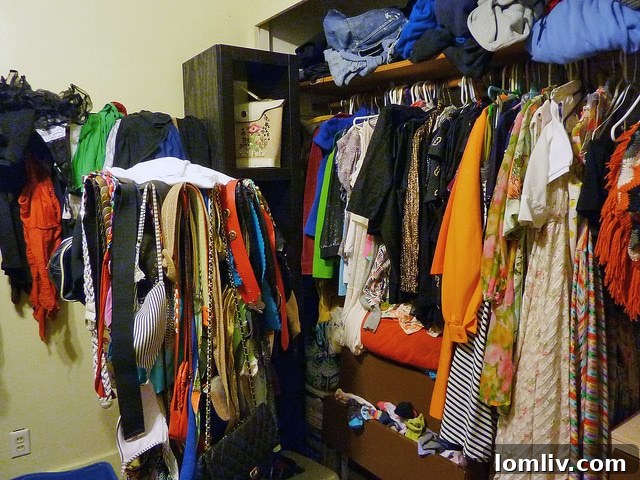
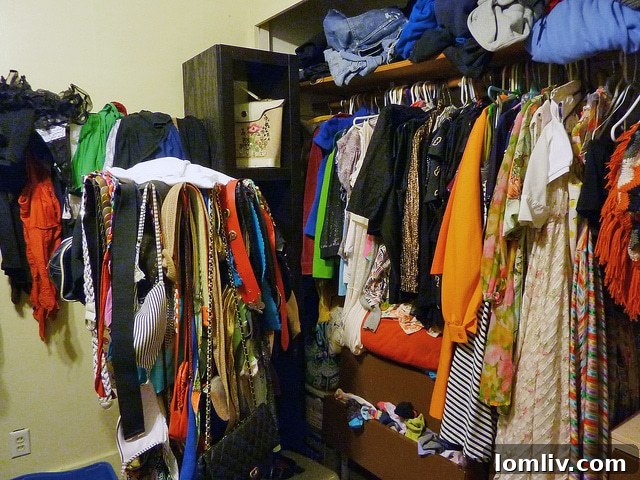
A disorganized closet can be a daily source of frustration, transforming the simple act of getting dressed into a daunting task. While the image above might not be my exact closet, it perfectly illustrates the potential for chaos that can accumulate throughout the year. Most homes, by January, see closets filled with a jumble of seasonal clothing, forgotten items, and piles of “to-donate” goods that never quite make it out the door.
This new year, reclaim your closet space with a focused decluttering effort. Pick just one closet or even a specific section, and dedicate a day to ruthlessly organize it. The goal is to create a functional and aesthetically pleasing space that serves your daily needs. Begin by emptying everything out. Sort items into distinct categories: “Keep,” “Sell,” “Donate,” and “Discard.” Be honest with yourself about what you truly use and love. Consider the “one-year rule”: if you haven’t worn it in a year, it’s likely time to let it go. Once cleared, vacuum, wipe down shelves, and dust every surface. Then, thoughtfully return only the items you’re keeping, utilizing smart storage solutions like matching hangers, drawer dividers, and clear bins. This singular act of organization will yield immediate and lasting positive effects, making your daily routine more efficient and enjoyable.
2. Create a Comprehensive Photo Inventory of Your Home’s Contents
While we never want to imagine the worst, preparing for unforeseen circumstances is a critical aspect of responsible homeownership. Should your home ever be subject to burglary, fire, or other damage, having a detailed photo inventory of your possessions can simplify the insurance claims process immensely. I speak from personal experience: after a burglary a few years ago, my diligent photographic record of art, electronics, and jewelry, stored on a secure USB drive, proved invaluable. Today, leveraging cloud storage services like Dropbox makes this even more convenient and secure.
Dedicate time to systematically photograph every room and its contents. Focus on high-value items such as electronics, appliances, furniture, art, jewelry, collectibles, and sentimental pieces. Take close-up shots of serial numbers and unique identifying features where possible. Beyond individual items, capture wider shots of each room to provide context. Store these photos in multiple secure locations—a cloud service, an external hard drive stored off-site, or a safe deposit box. This simple preventative measure offers significant peace of mind and can save you considerable stress and financial hardship should you ever need to file an insurance claim.
3. Eradicate Scuff Marks for Instantly Fresher Walls and Floors
As the year progresses, your home’s walls, stairways, and floors inevitably accumulate scuff marks – those unsightly dark streaks often left by shoes, furniture, children’s toys, or ladders. While a full spring cleaning might be months away, addressing these minor blemishes now can dramatically refresh your living spaces with minimal effort. This quick chore makes a surprisingly big difference, instantly brightening and tidying up your home’s appearance.
For most scuff marks, a Mr. Clean Magic Eraser (or a generic melamine foam sponge) is your best friend. Gently rub the eraser over the mark; its micro-abrasive properties can lift stains without damaging most painted surfaces. Always test a small, inconspicuous area first to ensure compatibility, especially on delicate finishes. If an eraser isn’t sufficient, touch-up paint is the next step. Ideally, use leftover paint from the original job to ensure a perfect match. If you don’t have any, take a small chip of paint or a photo of the area to your local hardware store to match the color, brand, and finish. Apply paint sparingly with a small brush, feathering the edges to blend seamlessly. This simple task will leave your home looking cleaner and more cared for, boosting your daily mood.
4. Streamline Your Finances with Automatic Bill Payments
In today’s fast-paced world, managing household bills can feel like a constant juggle. Simplify your financial life this year by enrolling in automatic payment plans for all recurring household expenses. This small change offers substantial benefits, eliminating the risk of missed payments, avoiding costly late fees, and safeguarding your credit score from negative marks.
Set up automatic payments for utilities (electricity, gas, water), mortgage or rent, internet, phone, streaming services, and any other regular bills. Most service providers offer this option through their online portals or customer service. While automation saves time and prevents oversights, it’s still wise to maintain a simple tracking system. Review your bank statements monthly to ensure payments are processed correctly and to catch any unexpected charges. Additionally, consider setting up email or text reminders a few days before each automatic payment, providing a helpful secondary alert. This financial organizational hack frees up mental space and ensures your essential services are always paid on time, contributing to overall financial stability and peace of mind.
5. Prioritize Safety: A Comprehensive Battery Check for Life-Saving Alarms
Home safety should always be a top priority, and one of the quickest, most impactful tasks you can complete is a thorough check of your smoke and carbon monoxide detectors. These devices are critical guardians, providing early warnings that can literally save lives in emergencies. This essential task takes mere minutes but offers invaluable protection.
Start by replacing the batteries in all smoke detectors. A good rule of thumb is to do this at least once a year, or twice if you align it with daylight saving time changes (spring forward/fall back). Similarly, replace the batteries in your carbon monoxide alarms, ensuring they are positioned correctly according to manufacturer guidelines (typically near sleeping areas and on every level of the home). Test each alarm by pressing its test button; you should hear a loud siren. Beyond alarms, verify that you have at least one working fire extinguisher readily accessible in your kitchen, and ideally one on each floor. Check its pressure gauge to ensure it’s in the green, and familiarize yourself with its operating instructions. These simple checks are foundational to a safe home environment, offering vital protection against potential hazards.
6. Develop a Proactive Home Maintenance Calendar for the Year
Staying on top of home maintenance can often feel overwhelming, with many homeowners struggling to remember what needs to be done and when. However, a structured approach to preventative maintenance is crucial for keeping your home in excellent condition, preventing minor issues from escalating into costly repairs, and extending the lifespan of your appliances and systems. A well-organized maintenance plan can also significantly boost your home’s energy efficiency and overall value.
Consider using resources like Demesne, which offers excellent home checklists for the year. For January, some key recommendations include:
- Schedule an Energy Audit: By now, you’ve likely received your first substantial winter heating bill. This is the perfect motivation to contact your utility company for a professional energy audit. They can identify drafts, insufficient insulation, inefficient appliances, and other areas where your home is losing energy, providing actionable recommendations to reduce your energy consumption and utility costs. While they’re there, inquire if they can also test for radon gas, especially if it’s never been done. Radon is an invisible, odorless gas that can pose serious health risks.
- Tackle Minor Household Repairs: Dedicate a weekend to a “fix-it” marathon. Walk through your entire house with a screwdriver and a notebook. Tighten loose screws on cabinet doors, drawer pulls, and furniture. Make a list of any broken electrical faceplates, missing knobs, sticky locks that need lubrication, or areas around sinks and tubs that require fresh caulking. A trip to the home improvement store for these small supplies will allow you to address numerous minor nuisances in one fell swoop, preventing them from becoming bigger problems and improving your home’s overall functionality and appearance.
7. Optimize Your Hot Water Heater for Efficiency and Longevity
Your hot water heater works tirelessly behind the scenes, providing comfort and convenience year-round. However, without proper attention, it can become a significant energy drain and is prone to premature failure. Taking the time to inspect and maintain your unit at the start of the year can dramatically improve its efficiency, extend its lifespan, and potentially save you hundreds on energy bills.
Begin by checking for any signs of leaks around the base or connections. Even minor drips can indicate a problem. Next, perform a crucial maintenance step: draining the tank. Sediment, consisting of mineral deposits, naturally accumulates at the bottom of the tank, reducing efficiency and accelerating corrosion. To drain, first turn off the power supply (electricity or gas) and the cold water inlet. Connect a hose to the drain valve at the bottom of the tank and direct it to a floor drain or outside. Open a hot water faucet somewhere in the house to break the vacuum, then open the drain valve. Let the water run until it comes out clear, indicating the sediment has been flushed out. Once drained, close the drain valve, remove the hose, and reopen the cold water inlet, allowing the tank to refill before restoring power. Additionally, test the temperature and pressure relief valve (T&P valve) by gently lifting its lever; a small burst of water should discharge. Finally, consider installing a water heater insulation blanket, especially on older models or those in unheated spaces. This simple addition can significantly reduce standby heat loss, cutting your energy bill for years to come.
8. Seal Your Home: Keep the Weather Outside All Year Long
One of the most effective ways to improve your home’s energy efficiency and comfort is to ensure it’s properly sealed against the elements. Drafts around windows and doors can lead to significant heat loss in winter and heat gain in summer, forcing your HVAC system to work harder and driving up your utility bills. This simple inspection and repair task can yield immediate returns on your investment of time and effort.
Walk around your home, paying close attention to all exterior doors and windows. A simple way to detect drafts is to hold a lit candle or your hand near the edges; if the flame flickers or you feel a cold breeze, you have an air leak. Inspect the weather stripping around each opening. Look for cracks, gaps, or signs of wear and tear. If the weather stripping is old, brittle, or missing, it’s time for an upgrade. For minor issues, you might be able to adjust existing stripping. For more significant deterioration, replacing it entirely is often the best solution. There are various types of weather stripping available, from foam and rubber to V-strip and door sweeps, suited for different needs. This quick home improvement project not only saves money on energy costs but also enhances your home’s overall comfort, keeping indoor temperatures more stable and consistent throughout the year.
9. Develop a Comprehensive Family Emergency Preparedness Plan
Your home is the central hub of your family’s life, and ensuring everyone’s safety in an emergency is paramount. Dedicating a small amount of time to create and discuss a family emergency plan can be one of the most important things you do this year. Whether facing a natural disaster like a tornado or flood, a power outage, a pandemic, or any other unforeseen crisis, being prepared can make all the difference. Resources like FEMA offer excellent emergency plan checklists here and here—print them out and review them thoroughly.
The first step is to assemble an emergency kit. This should include essentials like water (one gallon per person per day for at least three days), non-perishable food, a first-aid kit, a battery-powered or hand-crank radio, flashlights with extra batteries, a whistle, a multi-tool, copies of important documents, and basic sanitation supplies. Customize it to your family’s specific needs, including medications, infant formula, and pet supplies.
Next, sit down with your family to discuss various emergency scenarios. Establish clear escape routes from every room in case of fire, and designate an outside meeting point. Determine where to take shelter during specific weather events, such as a tornado warning. Discuss communication strategies, including an out-of-state contact person for family members to check in with if local lines are down. Assign responsibilities, such as who is in charge of updating the emergency food supply or checking the kit contents periodically. Make these critical decisions now, practice the plan, and revisit it regularly throughout the year to ensure everyone is prepared and confident in their roles. This proactive approach to safety will strengthen your family’s resilience and provide immense peace of mind.
By investing a little time and effort into these nine essential home organization and maintenance tasks at the start of the year, you’re not just tackling chores; you’re building a foundation for a more efficient, safer, and more enjoyable living experience. A well-managed home reduces stress, saves money, and enhances overall well-being. So, roll up your sleeves, tackle these projects, and set the stage for a truly smoother and happier year ahead in your cherished home.
Do you have any other indispensable happy home tips that you follow every year? Share your insights and wisdom in the comments below – we’d love to hear from you!