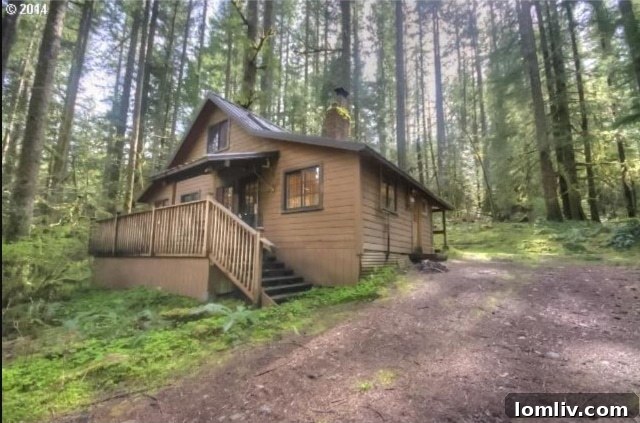
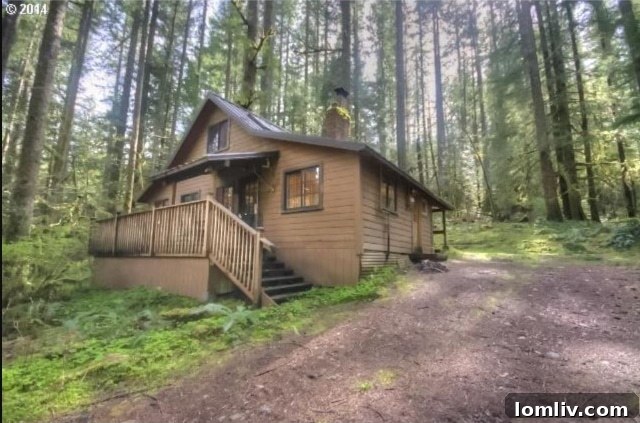
Discover Your Dream: Owning a Cabin in America’s National Forests
Imagine waking up to the gentle whispers of the wind through ancient trees, the crisp scent of pine filling the air, and a panorama of untouched wilderness stretching as far as the eye can see. For many, the idea of owning a private cabin deep within a national forest is merely a captivating dream. However, thanks to the unique and long-standing Recreation Residence Program, this dream can become a tangible reality. This program offers a remarkable opportunity to embrace a lifestyle intertwined with nature, providing unfettered access to some of the nation’s most pristine landscapes.
Since its inception in 1915, the Recreation Residence Program has empowered individuals and families to establish a personal retreat amidst the breathtaking beauty of America’s national forests. Unlike traditional property ownership, this program presents a distinctive arrangement: you purchase and own a charming cabin and any improvements made to it, while simultaneously leasing the land it occupies from the U.S. Forest Service. It’s an elegant solution designed to balance private enjoyment with public land stewardship, creating a legacy of outdoor recreation for generations.
What Exactly is the Recreation Residence Program?
The Recreation Residence Program, often simply referred to as the “cabin program,” was established with the visionary goal of providing the public with unique opportunities for extended recreational use within designated areas of national forests. Originating over a century ago, it reflects an early understanding of the public’s desire to connect intimately with nature, offering a semi-private base camp for exploring the vast wilderness. These rustic cabins, often steeped in history and character, are not mere vacation rentals but cherished family assets, passed down through generations, each telling its own story of adventure and tranquility.
At its core, the program facilitates a special kind of partnership between individual cabin owners and the federal government. Homeowners are granted the exclusive right to use their cabin and the immediate surrounding plot of land for recreational purposes, all while the land itself remains under the administration of the U.S. Forest Service. This unique blend of private ownership and public land lease is what sets the program apart, allowing countless individuals to enjoy a serene forest retreat that would otherwise be inaccessible. It’s a testament to a program designed to foster a deep appreciation for our natural heritage, encouraging responsible recreation and environmental stewardship.
The Unique Ownership Model: Cabin vs. Land Lease
Understanding the distinction between cabin ownership and land tenure is crucial for anyone considering a national forest cabin. When you purchase a cabin under the Recreation Residence Program, you become the outright owner of the physical structure and any permanent improvements you’ve made to it. This includes the walls, roof, foundation, interior fixtures, and any approved additions like decks or storage sheds. This aspect of ownership is similar to owning a conventional home; you are responsible for its maintenance, repairs, and insurance.
However, the land beneath your cabin is a different story. It belongs to the American people and is managed by the U.S. Forest Service. As a cabin owner, you enter into a lease agreement with the Forest Service, formalized through a document known as a Special Use Permit. This permit grants you the exclusive right to occupy a specific parcel of land for your cabin. Think of it as renting the ground your dream cabin sits upon, but with the security and long-term stability that comes from a federally regulated program. This dual ownership model ensures that while you enjoy your private haven, the surrounding national forest remains accessible and managed for the benefit of all citizens, safeguarding ecological integrity and public access.
Navigating Special Use Permits and Renewals
The Special Use Permit is the cornerstone of participation in the Recreation Residence Program. This permit is not a deed to the land, but rather a renewable authorization that grants the permittee (the cabin owner) the right to use a designated parcel of national forest land for a recreational residence. While it is typically renewed on an annual basis, these renewals are generally routine, provided the permit holder adheres to all terms and conditions, including environmental regulations, structural maintenance, and timely payment of fees. The permit outlines specific terms and conditions, ensuring that cabin use is consistent with Forest Service policies and the broader goals of national forest management.
It’s important to understand that the Special Use Permit is specific to the cabin and is transferable to a new owner when the cabin is sold. This ensures continuity and protects the investment of cabin owners. The Forest Service maintains a detailed record of each permit and conducts periodic reviews to ensure compliance and proper land stewardship. The system is designed to provide long-term stability for cabin owners, allowing them to enjoy their retreats for decades, often passing them down through generations. Adherence to the permit’s guidelines is key to a smooth and uninterrupted experience within this unique program.
Understanding the Cabin Fee Act and Its Impact
A significant development in the administration of the Recreation Residence Program was the enactment of the Cabin Fee Act. Prior to this legislation, the method for calculating permit fees was often complex and subject to varying interpretations, leading to inconsistencies and sometimes unpredictable costs for cabin owners. The Cabin Fee Act was designed to standardize and simplify the fee assessment process, bringing much-needed transparency and stability to the program.
Under the Cabin Fee Act, permit fees are now structured into clear tiers, directly tied to the appraised base value of the lot on which the cabin resides. This means that the annual fee you pay is a percentage of the land’s fair market value, as determined by professional appraisals conducted by the Forest Service. The act also established a transparent system for appeals and re-appraisals, giving cabin owners a clear understanding of how their fees are calculated and providing avenues for recourse if they believe an appraisal is inaccurate. This legislative framework has helped to solidify the long-term viability of the program, ensuring that fees are fair, predictable, and reflect the value of the unique privilege of leasing national forest land for a recreational residence.
The Allure of a National Forest Cabin: More Than Just a Retreat
For many, the appeal of a national forest cabin extends far beyond simple recreation. It’s about a lifestyle choice, a deliberate step towards disconnecting from the everyday hustle and reconnecting with nature’s rhythm. These cabins offer an unparalleled opportunity to immerse oneself in the serene beauty of the wilderness, providing a sanctuary where one can truly unwind and rejuvenate. Imagine having immediate access to hiking trails, fishing streams, and abundant wildlife right outside your doorstep. It’s a chance to build lasting memories with family and friends, creating traditions that center around outdoor adventures and quiet reflection.
Beyond personal enjoyment, owning a cabin in a national forest fosters a profound sense of stewardship. Cabin owners often become ardent protectors of their local environment, participating in volunteer efforts, monitoring wildlife, and advocating for sustainable practices. The program cultivates a vibrant community of like-minded individuals who share a deep respect for the natural world and a commitment to preserving its pristine condition. This unique blend of private solace and communal responsibility makes the Recreation Residence Program not just about owning a cabin, but about embracing a richer, more meaningful way of life.
Benefits of Embracing the Wilderness Cabin Lifestyle
The advantages of participating in the Recreation Residence Program are numerous and compelling. Foremost among them is the unparalleled **access to nature**. Your cabin serves as a gateway to endless outdoor activities, from leisurely nature walks and challenging hikes to fishing, hunting (where permitted), wildlife viewing, and stargazing under unpolluted skies. It’s a permanent base for exploration and adventure, providing a consistent escape from urban environments.
Furthermore, these cabins often become **family legacies**. Many are passed down through generations, becoming cherished gathering places for holidays, summer vacations, and weekend getaways. They offer a unique opportunity to instill a love for the outdoors in children and grandchildren, fostering a deep connection to the natural world. The **sense of community** among cabin owners is another significant benefit. These areas often develop tight-knit communities where neighbors look out for one another, sharing resources, stories, and a common appreciation for their unique surroundings. This camaraderie adds another layer of richness to the cabin ownership experience, transforming individual retreats into a network of supportive friendships. The relatively low cost of entry compared to traditional vacation homes, especially considering the pristine locations, also makes this an attractive option for many seeking an affordable wilderness escape.
Important Considerations and Potential Challenges
While the prospect of owning a cabin in the woods is enticing, it’s essential to approach the Recreation Residence Program with a clear understanding of its unique aspects and potential challenges. Unlike private land, national forest cabins come with certain **restrictions and regulations**. The Forest Service has guidelines on cabin size, appearance, and permissible modifications to ensure harmony with the natural environment. Major renovations often require prior approval, and there may be limitations on utility hookups or septic systems.
Another key consideration is **access and remoteness**. Many national forest cabins are located in truly wild areas, which can mean gravel roads, limited cell service, and seasonal access challenges due to snow or weather conditions. This remote nature, while appealing for solitude, also impacts maintenance, emergency services, and convenience. Furthermore, the **land lease aspect** means that while you own the cabin, you don’t own the underlying land. This can affect financing options, as some lenders are hesitant to offer mortgages on properties without outright land ownership. Resale values are tied to the cabin itself and the leasehold interest, rather than appreciating land value. Potential buyers must also qualify for the Special Use Permit.
Environmental factors also play a significant role. Cabin owners are often subject to strict **environmental stewardship responsibilities**, including wildfire prevention, waste management, and protection of natural resources. There’s also the risk of natural disasters like wildfires, floods, or tree falls, which cabin owners must prepare for and mitigate. Finally, the program’s long-term future, while historically stable, is always subject to potential changes in federal policy or land management priorities, though such changes typically involve extensive public process. These factors underscore the need for careful research and a realistic perspective before committing to this unique form of cabin ownership.
Financial and Legal Aspects: A Deeper Dive
Navigating the financial and legal landscape of a Forest Service cabin requires careful attention. As previously mentioned, the annual permit fee is determined by the Cabin Fee Act, based on periodic appraisals of the underlying land. These fees are subject to change over time, typically adjusted every 10 years, and it’s crucial for prospective buyers to understand the current fee structure and potential future increases. Beyond the permit fee, cabin owners are responsible for property taxes on the structure itself, utilities (which may be off-grid or limited in remote locations), insurance (highly recommended for structures in fire-prone or remote areas), and all maintenance and repair costs.
Securing financing for a Recreation Residence Program cabin can be more challenging than for conventional real estate. Traditional mortgage lenders often shy away from properties where the land is leased, as it doesn’t offer the same collateral. However, some specialized lenders are familiar with these unique properties and offer financing options. It’s advisable to explore all possibilities, including seller financing, cash purchases, or loans from credit unions experienced with such niche properties. Legally, the transfer of a Special Use Permit involves an application process with the Forest Service, requiring the new owner to meet certain criteria and agree to the permit terms. Professional legal advice specializing in federal land programs can be invaluable during the purchase process to ensure a smooth transition and full understanding of all obligations and rights.
Finding Your Wilderness Retreat: Getting Started
If the idea of owning a recreational residence in a national forest resonates with your desire for nature and tranquility, the journey to finding your ideal cabin begins with thorough research and exploration. Start by identifying national forests that align with your preferred climate, recreational activities, and proximity to your primary residence. Many national forests across the country participate in the Recreation Residence Program, each offering unique landscapes and communities.
Listings for these cabins are typically found through specialized real estate agents who understand the nuances of the program, or sometimes directly from current owners. Websites dedicated to national forest cabins or those with specific filters for “Forest Service cabins” can also be a valuable resource. Attending open houses or scheduling visits to cabins on the market will provide firsthand experience of the program’s realities, allowing you to assess access, condition, and the surrounding environment. Engage with current cabin owners and local Forest Service officials to gain insights into the specific area’s regulations, community dynamics, and any ongoing issues. Patience and persistence are key, as finding the perfect wilderness retreat that fits your needs and budget may take time, but the reward of a lifelong connection to nature is well worth the effort.
Is the Recreation Residence Program Right for You?
The Recreation Residence Program offers a truly unique and enriching opportunity for those who dream of a permanent escape into the heart of America’s national forests. It’s an ideal choice for individuals and families who prioritize outdoor adventure, seek a profound connection with nature, and are committed to responsible land stewardship. If you’re someone who values solitude, cherishes the simplicity of a cabin lifestyle, and is prepared to navigate the specific regulatory framework of a land lease program, then a national forest cabin could be your perfect sanctuary.
This program is not just about acquiring property; it’s about investing in a lifestyle, a community, and a legacy of environmental appreciation. While it comes with specific responsibilities and considerations unique to federal land ownership, the rewards of waking up to the grandeur of the wilderness, making cherished memories, and contributing to the preservation of our natural heritage are immeasurable. It represents a rare chance to truly live out the dream of a cabin in the woods, offering a profound and lasting connection to the wild heart of our nation.
Embrace Your Wilderness Dream
The Recreation Residence Program stands as a testament to a century-old vision: providing individuals with an extraordinary pathway to experience and protect the majestic beauty of our national forests. It’s an invitation to own a piece of that dream – a cozy cabin nestled amidst towering trees, beside flowing rivers, or overlooking breathtaking vistas. This unique model of cabin ownership combined with a land lease, regulated by the Special Use Permit and governed by the Cabin Fee Act, offers a stable and structured approach to wilderness living.
If the thought of having your own private sanctuary in the pristine wilderness of a national forest sparks your imagination, the Recreation Residence Program could be the perfect avenue to turn that dream into reality. It requires understanding its specific terms and embracing a commitment to outdoor living, but for those who yearn for a deep connection with nature, the rewards are immeasurable. Explore the possibilities, delve into the details, and discover how you can become part of this remarkable legacy of forest cabin ownership. To embark on your journey and find out more about the Recreation Residence Program and available cabin opportunities, visit SecondShelters.com now.