By Veletta Forsythe Lill
Former Dallas City Council Member, Preservationist
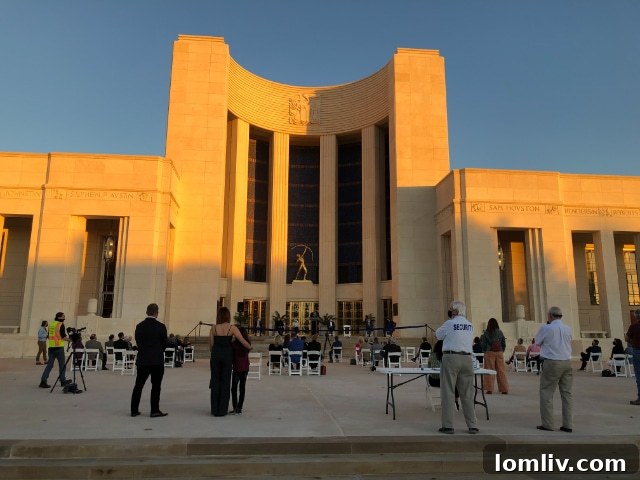
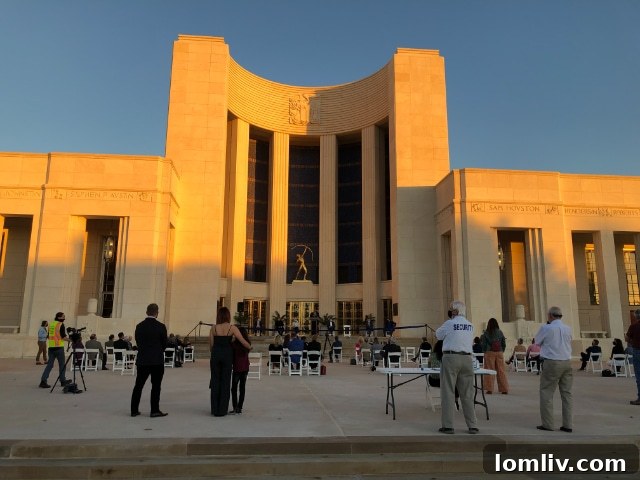
The Hall of State, a proud landmark within Dallas’ historic Fair Park, emerged in 1936 as the magnificent centerpiece of the Texas Centennial Exposition. This grand event celebrated four centuries of Texas history, and the Hall of State was designed to encapsulate the state’s enduring spirit and rich heritage. To this day, it stands as the most iconic example of Art Deco architecture in Texas, anchoring the largest collection of this distinctive style found anywhere in Dallas. Its very essence speaks volumes of a pivotal moment in Texas history, meticulously crafted to endure as a symbol of pride and accomplishment.
The Enduring Grandeur of Hall of State: A Texas Architectural Icon
From its conception, the Hall of State was envisioned as a profound tribute to Texas itself, meticulously constructed using primarily native materials that reflect the state’s natural beauty and resources. The striking facade, a masterpiece of craftsmanship, is composed of resilient Texas limestone, giving the building an imposing yet elegant presence. Inside, the design thoughtfully incorporates warm, inviting elements such as sweet gum wood-paneled walls, further cementing its connection to the land and showcasing local artistry. This deliberate choice of materials not only imbued the building with an authentic Texan character but also highlighted a commitment to sustainable quality and regional identity that remains relevant even today.
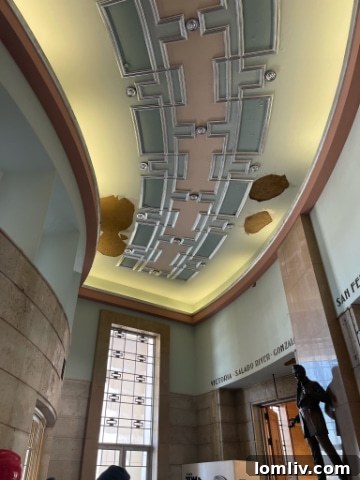
The artistic ambition for the Hall of State was truly unparalleled for its time. Out of a total building budget of $1.2 million—a substantial sum in the mid-1930s—an extraordinary $200,000, equivalent to 17 percent of the total, was specifically earmarked for its extensive art program. This significant investment ensured that virtually every space within the edifice would house a piece of art, effectively transforming the building into a sprawling, integrated gallery of Texan narratives. Visitors are greeted by gleaming, intricately ornamented door grilles, captivated by the colossal murals gracing the Great Hall, and enchanted by the delicate floor mosaics that vividly depict the diverse fauna of Texas. This comprehensive artistic approach, which permeates every aspect of the Hall of State, created a truly immersive cultural experience. Both local and national artists were meticulously selected and commissioned to create works that symbolically and expressively chronicled Texas’ long and illustrious history.
Spotlight on Talent: The Visionary Artists Behind the Hall of State’s Art Collection
The Hall of State brought together an extraordinary convergence of artistic talents, both established and emerging. Among the internationally renowned figures commissioned for this monumental project was Eugene Savage, whose awe-inspiring giant murals continue to dominate the Great Hall. Savage’s work, characterized by its epic scale and vibrant narrative, powerfully illustrates key historical moments and overarching themes from Texas’ past, drawing visitors into a compelling visual journey with their dynamic compositions and intricate details. These murals transcend mere decoration; they are integral to the Hall’s educational mission, offering profound insights into the state’s heritage.
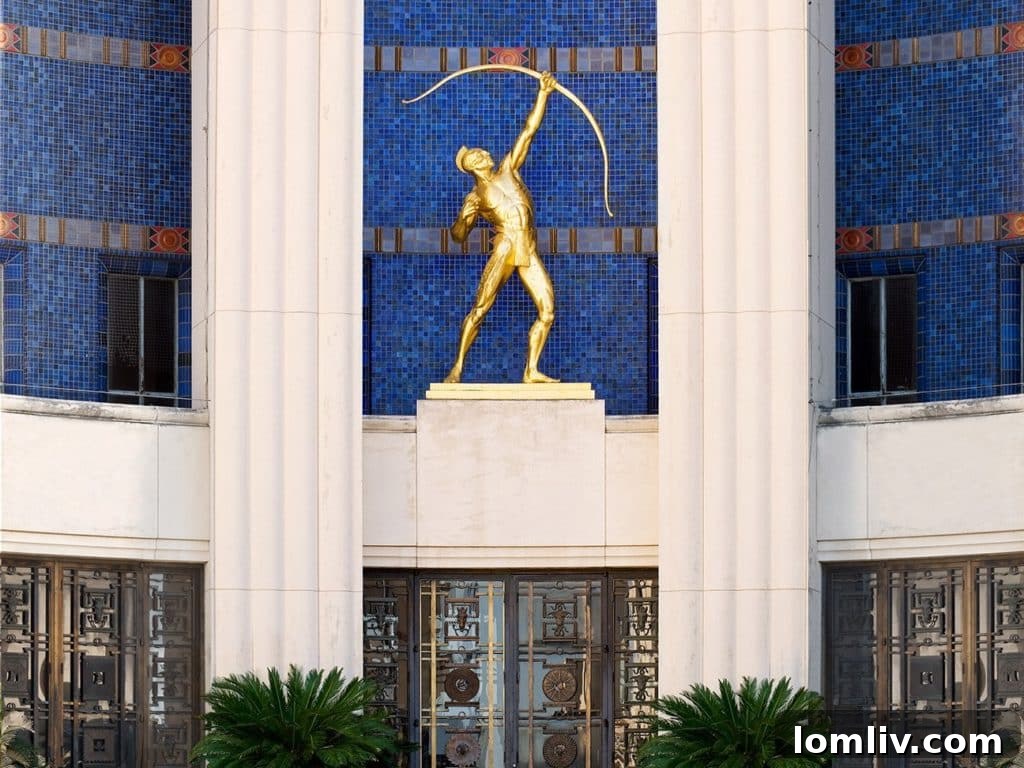
Equally vital were the contributions of local artists, whose unique perspectives and skills enriched the Hall’s artistic tapestry. Allie Tennant, a celebrated local woman artist, crafted the iconic gold leaf sculpture, Tejas Warrior. This powerful and symbolic piece, strategically positioned in the entry portico, stands as a vigilant guardian, honoring the indigenous heritage and pioneering spirit that defines Texas. Its shimmering gold leaf finish brilliantly catches and reflects light, creating a dramatic and unforgettable focal point at the building’s entrance.
Another remarkable talent was Dorothy Austin, a distinguished graduate of Hockaday, who, at just 25 years old, left an indelible mark on the Hall of State. Austin was responsible for designing the exquisite bronze front door grilles, which greet every visitor with their intricate Art Deco patterns—a testament to her meticulous craftsmanship. Her artistic prowess also extended to the West Texas Room, where she sculpted a charming and deeply characterful carved wooden cowboy. This piece beautifully encapsulates the rugged individualism and resilient spirit synonymous with West Texas culture, adding a touch of regional authenticity to the Hall’s diverse art collection. These diverse contributions underscore the profound depth of local and national talent that converged to create this monumental project.
The Unrivaled Beauty and Historical Significance of Polly Smith’s Orotones
Among the Hall of State’s most distinctive and precious artistic treasures are the remarkable orotone photographs created by Polly Smith. In 1935, visionary officials of the Texas Centennial specifically commissioned Smith, then a pioneering young photographer, to embark on an ambitious statewide journey. Her mission was to meticulously capture the very essence of Texas – its diverse landscapes, vibrant communities, and its remarkable people – all through her insightful lens. While a significant portion of her photographic output found widespread use in promotional and marketing materials for the Centennial, a select and highly curated group of her images underwent a specialized and meticulous printing process known as the orotone.
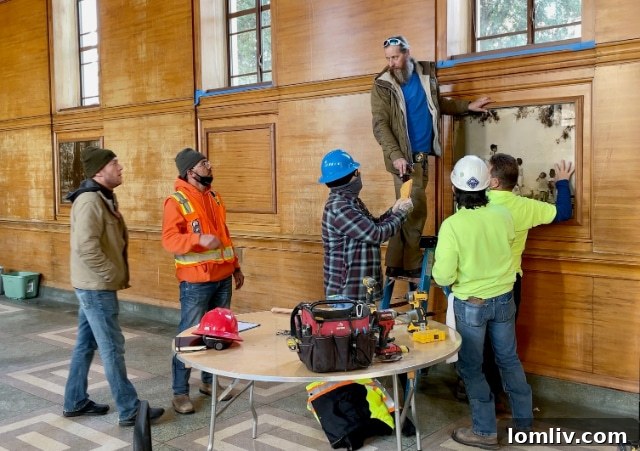
The orotone process is a complex and painstaking photographic technique that involves printing an image directly onto a glass plate, which is then backed with a metallic substance, typically a rich, gold-colored pigment. This unique method imbues the photographs with an unparalleled luminosity, depth, and an almost ethereal, three-dimensional quality that transcends traditional paper prints. It creates a radiant glow, making the images appear to be lit from within. These magnificent orotones, showcasing Polly Smith’s masterful compositions and keen eye, have been permanently and carefully embedded within the walls of the North and East Texas Rooms of the Hall of State since its grand opening. They are widely considered to be the only orotones of this impressive scale in the entire United States, elevating them from mere historical photographs to unparalleled works of photographic art and irreplaceable artifacts of Texas’ visual history.
A New Chapter Unveiled: The Comprehensive 2020 Renovation
For decades, municipal bond initiatives had periodically provided crucial funding for essential, albeit often unseen, infrastructure work within the Hall of State. However, by the close of the 2010s, it became increasingly evident that a truly comprehensive and visible restoration was needed to preserve the building’s iconic grandeur and functionality for future generations. By the end of 2020, a momentous bond-funded project, amounting to an impressive $14.4 million, successfully brought to completion an extensive interior and exterior renovation. This meticulous undertaking was designed to breathe new life into the historic structure while maintaining its authentic character.
The scope of this ambitious renovation was broad and profoundly impactful. The entire exterior facade underwent a thorough and sensitive cleaning process, skillfully restoring its original luster and revealing the intricate details of its Texas limestone craftsmanship that had been obscured by decades of environmental exposure. All the historic doors and windows were carefully restored to their original glory, a delicate task requiring specialized expertise to maintain their architectural integrity while simultaneously improving their functionality and energy efficiency. Accessibility was also significantly enhanced with the thoughtful addition of a modern, compliant ADA ramp, ensuring that all visitors could experience the Hall of State’s priceless treasures without impediment. Internally, much of the first floor received extensive repairs, including plasterwork and structural adjustments, culminating in a fresh coat of paint that revitalized its aesthetic and brought it closer to its original splendor. On November 6, 2020, a joyous ribbon-cutting ceremony marked the official culmination of these efforts, symbolizing a new and vibrant chapter for one of Texas’s most iconic and cherished buildings, poised to welcome visitors for decades to come.
From Triumphant Celebration to Unforeseen Crisis: The Impact of Winter Storm Uri
Tragically, the celebration surrounding the Hall of State’s magnificent renovation was short-lived. As the final punch list items and routine inspections were being completed, a catastrophic winter storm, later known as Winter Storm Uri, swept through Texas in February 2021. This unprecedented event severely impacted Dallas and the entire Fair Park complex, bringing with it widespread and prolonged power outages, plunging temperatures, and widespread infrastructure failures that tested the resilience of the entire state.
In the early hours of February 17, at approximately 4 a.m., an urgent call reached the Dallas Historical Society Facilities Manager, reporting a critical water flow sensor issue within the Hall of State’s fire sprinkler system. Reacting with remarkable speed and dedication, the manager immediately made his way to the site, only to be met with a distressing sight: water was visibly flowing from beneath the Hall’s majestic front doors. Upon entering the dark, powerless building, he discovered a torrent of water spraying from the ceiling, rapidly pooling across the historic floors. This alarming discovery quickly led to the arrival of the Dallas Fire-Rescue Department, who promptly and skillfully shut off the pressurized sprinkler system. What made this incident particularly ironic and frustrating was that the system, roughly 11 years old and situated in a heated space designed to prevent freezing, had been inspected for optimal function less than two weeks prior to the storm. Draining such complex lines is a specialized procedure and ideally requires the direct supervision of the fire department to ensure safety and prevent further damage.
Adding to the peril and complexity of the situation, shortly after the sprinkler system was disengaged, electricity was unexpectedly and intermittently restored to the building. This presented an immediate and severe hazard, as the building’s electrical panels were now thoroughly saturated with water, posing a significant risk of electrocution and potentially causing widespread electrical fires. Oncor, the local power provider, was immediately contacted to cut off all power to the building, a critical step to ensure the safety of personnel and prevent further electrical complications and irreparable damage to the Hall’s intricate systems.
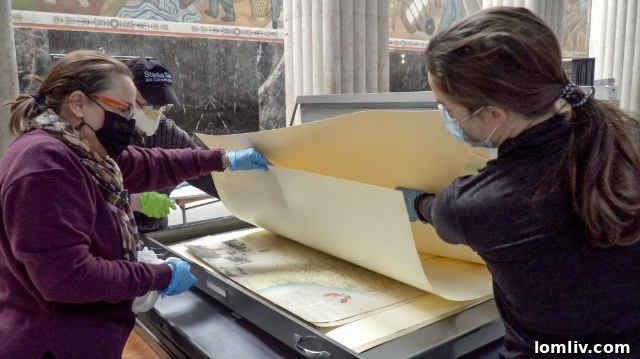
By 10 a.m. that same morning, an impressive and dedicated team of work crews had converged on the Hall of State, commencing the arduous and urgent task of pumping vast quantities of water out of the building. Simultaneously, powerful industrial heating and dehumidifying units were rapidly deployed to combat the pervasive moisture and restore a stable, controlled environment within the historic structure. Recognizing that water and humidity are the most formidable enemies of delicate documents and invaluable historical artifacts, addressing these elements with extreme urgency was paramount. A specialized document restoration company was quickly brought in to meticulously remove and flash-freeze any historical documents or maps from the Dallas Historical Society’s collection that had been directly impacted by the water, a critical intervention to halt deterioration and minimize loss.
The swift and compassionate response extended far beyond commercial services. Volunteers from TX-CERA (Texas Collections Emergency Resource Alliance), a vital network often affectionately referred to as the “Red Cross for art and collections,” arrived shortly thereafter, bringing invaluable expertise and support. This highly trained group dispatched a team of expert conservators and curators, who immediately set to work. Their primary objective was to carefully move papers and objects showing even mild water or humidity impact to a designated dry, dehumidified area for thorough assessment and triage. Fortunately, the grand and expansive Great Hall, a testament to its robust design and location, remained largely untouched by the water intrusion, making it the ideal central hub for these crucial recovery and preservation operations.
Safeguarding Priceless Heritage: Damage Assessment and Restoration Efforts
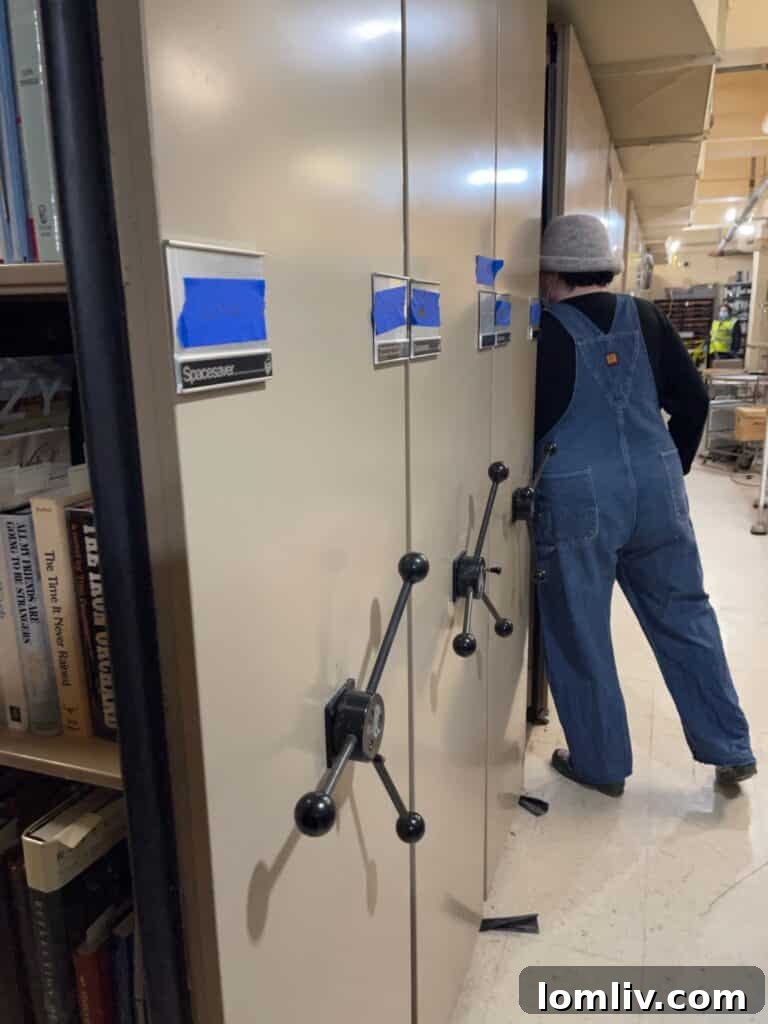
The Dallas Historical Society (DHS) serves as the proud custodian of an extraordinary collection exceeding 3 million items, representing a veritable treasure trove of Texas history, culture, and art. While the winter storm incident was deeply concerning, the swift, coordinated response from numerous professionals and volunteers, coupled with the DHS’s robust storage protocols, ensured that remarkably less than one percent of this vast collection was directly impacted by the water. The DHS strategically stores its precious items at two primary locations: within the Hall of State itself, where most documents are meticulously kept in sealed, largely waterproof archival cabinets, and in a smaller, meticulously acclimatized warehouse situated in the Oak Cliff area of Dallas. These sealed cabinets proved instrumental in mitigating widespread damage to paper documents, though every item still necessitated careful assessment for latent moisture.
The resilience of the collection was further bolstered by the fact that many of the three-dimensional artifacts, including delicate textiles and larger historical objects, are housed in the secure, off-site collection facility, thus remaining completely untouched by the water intrusion. However, the unique and irreplaceable artworks permanently affixed to the Hall of State’s walls, particularly the murals and the embedded orotones, required immediate and specialized attention due to their direct exposure to the water.
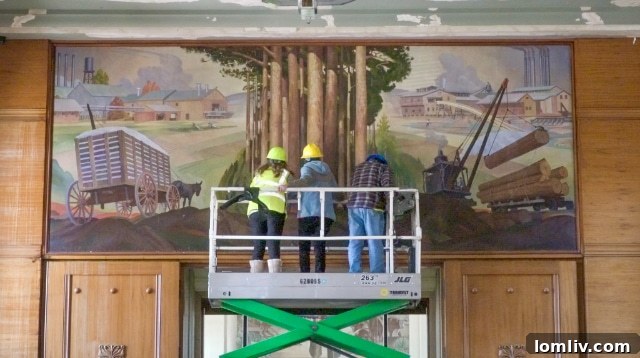
Art conservators from TX-CERA, renowned for their specialized expertise in historical art preservation, diligently inspected the magnificent murals located in the regional rooms (fortunately, the Great Hall’s murals were spared direct impact). They also carefully examined the rare and incredibly delicate Polly Smith orotones, and other historic cabinets that collectively comprise the Hall’s artistic and historical legacy. It is crucial to understand that all artwork permanently attached to the building’s walls is officially owned by the City of Dallas, with direct oversight provided by the City’s Office of Arts & Culture. As of the latest comprehensive assessments, all significant murals, including those by acclaimed Texas artists Tom Lea, Olin Herman Travis, and Arthur Starr Niendorff, have undergone thorough damage evaluation. Detailed restoration estimates, outlining the complex processes and costs required to return them to their original condition, have been meticulously prepared and submitted to the city for approval and funding.
Among the entire collection of artwork, the unique Polly Smith orotones suffered the most significant and distressing impact. These precious glass photographs, so deeply embedded in the walls, were directly in the path of the cascading water, leading to potential damage to both their delicate emulsion surfaces and the underlying wall structures. The ingress of water behind them presented a unique conservation challenge, risking degradation and separation. Their intricate composition and unparalleled historical significance make their conservation a top priority and one of the most technically challenging aspects of the overall restoration effort. The estimated cost for repairing just the affected artwork alone stands at a substantial $411,000, forming a significant portion of the total $3.2 million estimated for all necessary building repairs and comprehensive restoration.
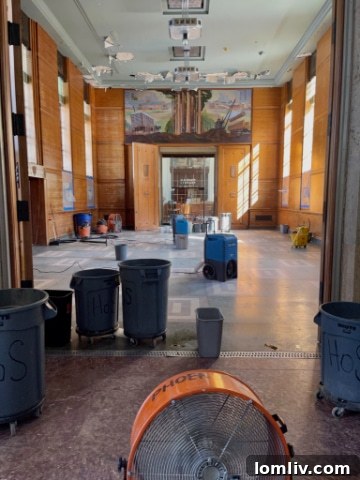
The comprehensive cost of collection restoration, encompassing everything from documents to artifacts, is still undergoing meticulous assessment by specialized conservators and is anticipated to take several more weeks to finalize. This extended timeline is a direct reflection of the unique nature of each individual item, many of which are irreplaceable and require highly specialized, individualized treatment plans tailored to their specific materials and damage profiles. Despite the daunting scale of the incident, the Dallas Historical Society remains remarkably optimistic, firmly believing that, thanks to the incredibly rapid and professional response from numerous dedicated experts and volunteers, and the strategic implementation of diverse and robust storage methods, all impacted items can ultimately be saved and meticulously preserved for future generations to study and appreciate.
While the past few weeks have undeniably been exhausting and challenging for everyone involved in the Hall of State’s recovery, vibrant “green shoots of hope” are steadily emerging for both the cherished historical collection and its invaluable artwork. The immediate critical question now centers on the timeline for the City of Dallas and/or the Federal Emergency Management Agency (FEMA) to organize and execute the necessary extensive repairs to the building’s fundamental infrastructure. There is a profound and sad irony in the fact that a system explicitly designed to protect this venerable building from the devastating effects of fire ultimately subjected this historic landmark to a damaging flood. Nonetheless, the unwavering resilience demonstrated by the Hall of State and its dedicated stewards highlights an ongoing, profound commitment to preserving Texas’ rich cultural heritage for all to experience, learn from, and cherish for centuries to come.
Readers who wish to contribute to the recovery and restoration efforts for this irreplaceable Texas treasure can make a donation by visiting dallashistory.org and clicking on the prominently displayed ‘Storm Damage Relief Fund’ banner. Every contribution, no matter the size, helps ensure the enduring future of this iconic landmark.

Veletta Forsythe Lill has been a transformative and influential force in Dallas for over three decades, significantly shaping the city’s cultural and physical landscape. Her distinguished public service career includes two terms as a Dallas City Council Member (1997-2005) and serving as the Executive Director of the Dallas Arts District (2008-2012). Known for her unwavering dedication to the arts and historic preservation, she has held influential positions on numerous private and non-profit boards, ranging from the esteemed Dallas Museum of Art to the National Trust for Historic Preservation. Her significant contributions to community development and cultural advocacy have been recognized with prestigious awards at local, state, and national levels. Currently, Ms. Lill proudly chairs the board of trustees for the Dallas Historical Society and is a founding board member of Fair Park First, the dedicated non-profit organization charged with the ongoing revitalization of Historic Fair Park.