

Construction projects, by their very nature, are intricate endeavors that demand precise coordination and expert oversight. From the moment an architectural blueprint is conceived to the final walkthrough, a myriad of moving parts—including meticulous planning, detailed scheduling, strict quality control, sound budgeting, and unwavering safety protocols—must function as a cohesive, unified whole. The journey from conceptual design to a completed structure is fraught with potential challenges, requiring a steady hand to navigate complexities and ensure every element aligns perfectly with the overarching vision.
In this demanding environment, the general contractor stands as the indispensable backbone of any construction project. They are the central orchestrators, tasked with transforming ambitious designs into tangible realities while upholding the highest standards of safety, quality, and efficiency. A skilled general contractor guarantees that deadlines are met, budgets are adhered to, and, most importantly, the client’s vision is brought to life seamlessly and successfully. Their role extends beyond mere supervision; it encompasses a holistic approach to project management that is critical for mitigating risks and achieving construction excellence.
Why General Contractors Are Indispensable for Project Success
The impact of effective supervision in construction cannot be overstated. We have often witnessed how quickly a promising project can derail due to a lack of centralized coordination, leading to spiraling costs, significant delays, and compromised quality. General contractors act as the primary coordinators, expertly managing the intricate dance between architects, engineers, specialized subcontractors, suppliers, and various regulatory bodies. Their expertise is crucial in establishing clear communication channels and streamlined workflows among all project stakeholders.
By effectively governing these complex interactions, general contractors proactively prevent common and costly pitfalls. They ensure that skilled tradespeople—from master masons and electricians to plumbers and carpenters—work in synchronized harmony, adhering to a unified schedule and consistent quality standards. This holistic approach to coordination significantly reduces the likelihood of miscommunication, scheduling conflicts, and resource mismanagement, which are notorious for causing expensive delays, rework, and ultimately, project failure. Their ability to foresee potential issues and address them before they escalate is a cornerstone of efficient project delivery.

Among their foundational and multi-faceted duties, general contractors meticulously handle a diverse set of responsibilities that are absolutely critical to the project’s overall viability and ultimate success:
- Comprehensive Budget Management: This responsibility extends far beyond simply tracking expenditures. General contractors are adept at developing accurate, detailed cost estimates during the planning phase, implementing rigorous cost control measures throughout the project lifecycle, and strategically negotiating contracts with vendors and suppliers for materials and labor. They are also responsible for transparently managing change orders and providing regular financial reports to clients, ensuring all expenses remain strictly in line with client expectations and the approved project budget. Their goal is to identify opportunities for value engineering and cost savings without ever compromising on the quality or integrity of the build.
- Strategic Work Sequencing and Scheduling: A construction project is an intricate puzzle of interconnected tasks, each dependent on others. General contractors masterfully sequence these tasks to ensure a logical and efficient flow from one stage to the next, thereby minimizing idle time and maximizing productivity on site. They leverage advanced project management methodologies, such as the Critical Path Method (CPM), and utilize sophisticated scheduling software to create realistic timelines, effectively allocate resources, and proactively anticipate and mitigate potential bottlenecks. This meticulous planning is paramount for ensuring timely project completion and avoiding costly delays.
- Expert Hiring and Management of Subcontractors: Modern construction projects rely heavily on specialized expertise across various trades. General contractors undertake the critical role of thoroughly vetting, hiring, and then rigorously managing a network of qualified subcontractors for specific tasks like electrical wiring, plumbing, HVAC installation, masonry, roofing, and more. This includes drafting and negotiating comprehensive contracts, continuously monitoring subcontractor performance against established benchmarks, ensuring adherence to the project schedule, and maintaining high-quality workmanship across all specialized areas. They consolidate diverse expert teams into a single, high-performing unit.
- Unwavering Safety and Code Compliance: The paramount importance of safety for everyone on a construction site—including workers, visitors, and the public—cannot be overstated. General contractors are responsible for developing and rigorously enforcing comprehensive safety protocols and site-specific safety plans. This involves conducting regular site inspections, providing essential safety training for all personnel, and ensuring strict adherence to all local, state, and federal building codes, regulations, and safety standards (e.g., OSHA). This meticulous attention to safety protects against accidents, minimizes legal liabilities, and prevents costly project shutdowns, fostering a secure and compliant working environment.
It is abundantly clear that even the most innovative and aesthetically brilliant design can falter dramatically during the implementation phase if this highly structured and disciplined process, orchestrated by a competent general contractor, is not meticulously followed. Their foresight, organizational prowess, and ability to manage complex logistics are what transform visionary design concepts into robust, high-quality, and enduring structures.
Core Functions: The Operational Pillars of Successful Construction Projects
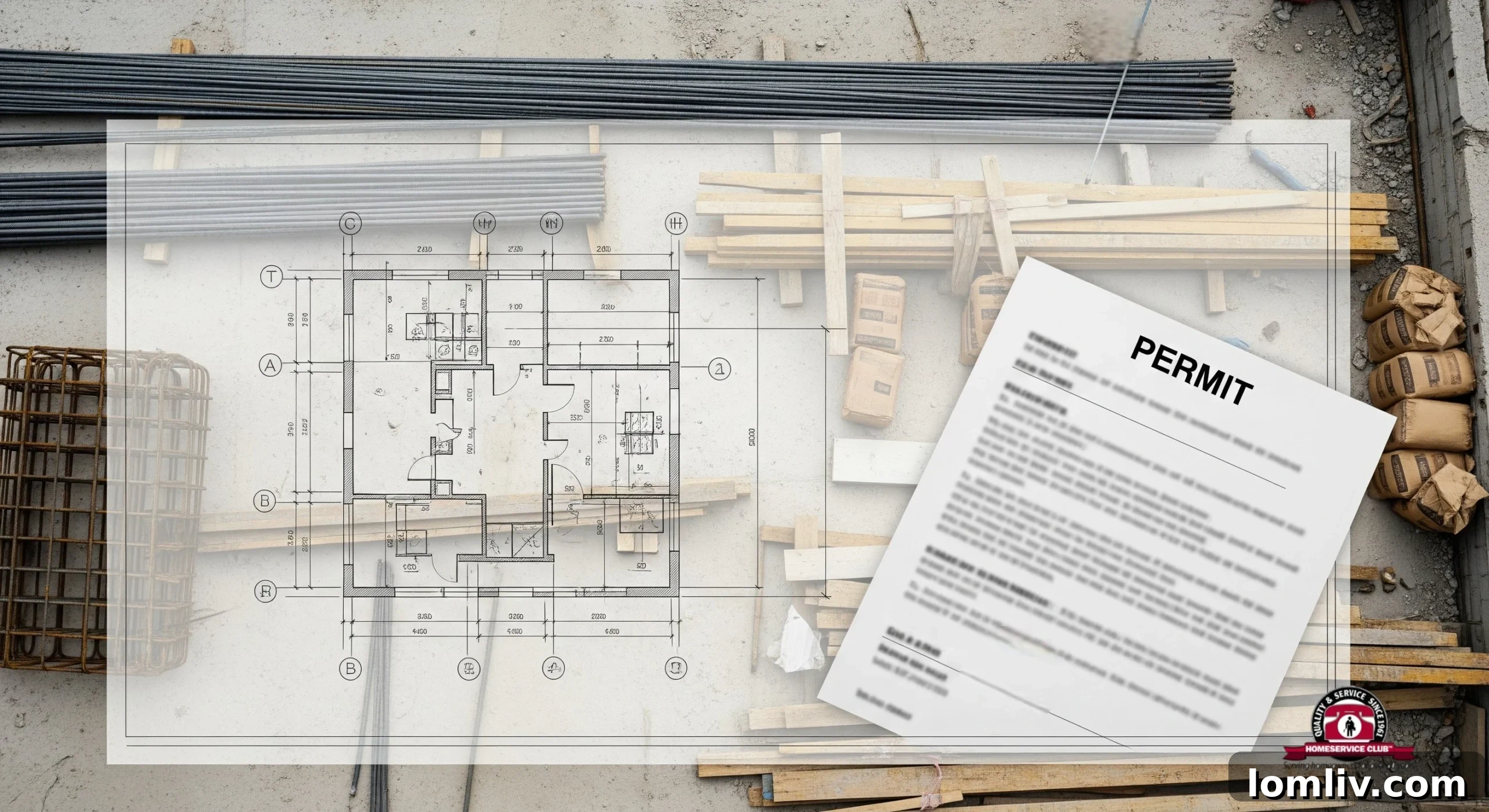
To fully grasp the extensive scope and profound impact of general contractors, it is essential to explore the specific operational areas where their responsibilities are most deeply rooted and critical. These core functions represent the foundational pillars upon which every successful construction project stands, ensuring stability, compliance, and excellence from start to finish:
- In-depth Planning and Permitting Expertise: Before any earth is moved or foundation is laid, an extensive and rigorous planning phase is absolutely essential. General contractors are instrumental in navigating the often-complex labyrinth of local, state, and federal regulations, zoning laws, building codes, and environmental impact assessments. They take on the critical responsibility of acquiring all necessary permits, licenses, and approvals from municipal and governmental authorities. This meticulous attention ensures that every single aspect of the project fully complies with legal requirements and local ordinances, a proactive approach that effectively prevents costly legal challenges, fines, and significant delays later in the construction process.
- Strategic Resource Allocation and Logistics Management: The efficient management and timely delivery of resources are fundamental to keeping any construction project on track and within budget. General contractors excel at ensuring that all necessary resources, which include heavy construction equipment, raw building materials (like steel, concrete, timber), and skilled labor, are procured, transported, and made available precisely when and where they are needed, in strict accordance with the project plan. This often involves sophisticated logistics planning, just-in-time inventory management, and fostering strong, reliable relationships with key suppliers to guarantee timely delivery, competitive pricing, and high-quality materials, thereby minimizing waste and ensuring continuous, uninterrupted progress.
- Proactive Problem Solving and Risk Mitigation: The dynamic and often unpredictable nature of construction means that unexpected challenges are an almost daily occurrence. Whether confronting unforeseen site conditions, grappling with material shortages, battling adverse weather conditions, or adapting to necessary design modifications, general contractors are seasoned experts in proactive troubleshooting and rapid problem resolution. They possess the extensive experience, critical thinking skills, and practical ingenuity to identify potential issues before they escalate into major problems, swiftly devise practical and effective solutions, and implement corrective actions with minimal disruption to the project schedule and budget.
- Rigorous Quality Assurance and Control: Maintaining consistently high standards of craftsmanship, material quality, and adherence to design specifications is a defining characteristic of a professional general contractor. They implement stringent quality assurance programs and comprehensive quality control checks throughout every single phase of construction, from the foundational work to the final finishes. This includes conducting regular, detailed inspections, verifying that all work meets or exceeds industry standards, design specifications, and contractual agreements, and promptly rectifying any deficiencies or deviations. Their vigilant oversight ensures that the final product is not only structurally sound and safe but also aesthetically pleasing, highly functional, and built to endure for decades.
Tangible Benefits for Clients: The Compelling Reasons to Partner with a General Contractor
Engaging a competent and reputable general contractor offers a multitude of distinct and tangible advantages for clients, significantly streamlining the often-complex construction process and robustly safeguarding their substantial investment. These invaluable benefits translate directly into greater peace of mind, substantial financial savings, and, ultimately, superior project outcomes:
- Leveraging Established Vendor Relationships and Buying Power: General contractors, through years of dedicated operation and successful project completion, cultivate extensive, trusted networks of reliable suppliers, highly specialized subcontractors, and skilled tradespeople. These long-standing and proven relationships often translate into preferred pricing, priority access to materials, and more reliable service, ultimately benefiting the client through significant cost savings and expedited project timelines. Their collective negotiation power and deep industry connections frequently secure rates and terms that individual clients would find challenging or impossible to achieve on their own.
- A Single Point of Contact for Simplified, Stress-Free Communication: Perhaps one of the most significant and appreciated benefits for clients is having a single, dedicated point of contact throughout the entire construction journey. Instead of the daunting task of managing dozens of individual schedules, coordinating various subcontractors, navigating different communication styles, and fielding countless inquiries, clients interact primarily and efficiently with their general contractor. This centralized communication channel dramatically simplifies the entire process, saves invaluable time, significantly reduces client stress, and ensures that all project-related updates, decisions, and crucial information are channeled efficiently, clearly, and effectively.
- Enhanced Time Efficiency and Expedited Project Completion: The meticulous planning, expert scheduling, and highly coordinated actions facilitated by a seasoned general contractor are absolutely pivotal in optimizing project timelines and accelerating completion. By proactively minimizing costly delays, preventing time-consuming rework through stringent quality control, and ensuring a continuous, uninterrupted workflow across all trades, general contractors significantly cut down on waste and expedite overall project completion. This enhanced efficiency means clients can occupy or begin utilizing their new or renovated spaces much sooner, thereby realizing their investment and achieving their objectives faster.
- Comprehensive Risk Reduction and Proactive Management: Construction projects are inherently fraught with a myriad of potential risks, encompassing financial overruns, potential legal disputes, significant safety hazards, and critical quality control issues. General contractors proactively manage these diverse risks through robust contractual agreements, comprehensive insurance coverage (including general liability, builder’s risk, and workers’ compensation), strict adherence to established safety protocols, and the proactive identification and mitigation of potential problems before they can escalate. Their profound expertise and meticulous risk management strategies safeguard the client from unforeseen liabilities, protect their financial investment, and ensure the project’s overall integrity and smooth progression.
By effectively entrusting the myriad operational complexities and day-to-day management to a qualified and experienced general contractor, customers are empowered to refocus their valuable energy and strategic attention on their overarching goals and the ultimate vision for their property, rather than becoming entangled and overwhelmed by intricate operational details, daily site challenges, and the constant coordination of multiple parties.
Seamless Collaboration with Designers and Architects: Bridging Vision and Reality

The synergy between general contractors and creative professionals like designers and architects is a profoundly crucial, though often understated, factor in the delivery of truly exceptional construction projects. While architects and designers are the brilliant minds who conceptualize the aesthetic and functional vision, it is the general contractor who meticulously translates this creative blueprint into a tangible, buildable reality. This collaborative process frequently commences early in the project lifecycle, often during the pre-construction phase, where the contractor provides invaluable input on constructability, assesses the cost-effectiveness of various design choices, and suggests practical alternative materials or construction methods.
General contractors meticulously assess the feasibility of intricate designs, proposing pragmatic solutions for complex architectural elements and ensuring that artistic visions can be executed efficiently within the established budget, schedule, and all regulatory constraints. This dynamic partnership is essential; it guarantees that the final product not only embodies the client’s creative aspirations and the designer’s ingenious vision but also possesses superior functionality, robust structural integrity, and long-term durability. It is this critical bridge between innovative design intent and practical, high-quality construction execution that truly elevates a project from good to outstanding.
Choosing the Right General Contractor for Your Project’s Success
Given their absolutely pivotal role in ensuring the successful outcome of any construction venture, selecting the right general contractor is arguably one of the most critical decisions a client will make. A careful, thorough evaluation process ensures that you forge a partnership built on unwavering trust, demonstrable competence, and shared goals. Key factors that should be meticulously considered during this crucial selection process include:
- Extensive Experience and a Robust Portfolio: Always seek out contractors with a proven track record, especially in projects similar in scope, scale, or complexity to your own. Diligently review their past work, scrutinize client testimonials, and examine detailed case studies to accurately gauge their expertise, consistency, and the quality of their previous endeavors.
- Impeccable Reputation and Verifiable References: A strong, positive reputation within the construction industry, coupled with enthusiastic and constructive feedback from former clients, serves as an invaluable indicator of a contractor’s reliability, professionalism, and ethical standards. Always request and diligently check multiple references to gain a comprehensive understanding of their performance.
- Clear and Effective Communication Style: Transparent, consistent, and highly effective communication is an absolute prerequisite for a smooth, stress-free project. Assess how responsive, clear, and proactive potential contractors are during initial discussions and subsequent interactions. They should be excellent listeners and clear communicators.
- Proper Licensing and Comprehensive Insurance: Verify, without exception, that the contractor holds all necessary and current licenses required by local and state authorities. Furthermore, ensure they carry comprehensive insurance policies, including general liability, builder’s risk, and workers’ compensation, to adequately protect all parties involved from unforeseen circumstances and liabilities.
- Detailed, Transparent Proposal and Contract: A reputable and professional contractor will always provide a clear, comprehensive, and meticulously detailed proposal that explicitly outlines the full scope of work, a realistic project timeline, a precise payment schedule, and all contractual terms and conditions. Ensure that the final contract is thorough, unambiguous, and mutually agreeable before signing.
Conclusion: The Unwavering Foundation of Construction Excellence
In summation, general contractors are far more than mere project managers; they are the unwavering foundation upon which construction excellence is meticulously built. Their comprehensive oversight and expert management are indispensable, spanning from the precise orchestration of complex schedules and the diligent management of budgets to the rigorous upholding of stringent safety standards and the unwavering assurance of impeccable quality. They act as the central nervous system, keeping every aspect of the project synchronized and on course.
Regardless of a project’s magnitude—be it a minor home renovation, a sophisticated large-scale commercial development, or a monumental industrial construction—having a reliable, experienced, and highly competent general contractor on board is not just beneficial; it is absolutely necessary for establishing and ensuring success from the very ground up. They are the essential professionals who transform conceptual designs into robust, tangible realities, adeptly mitigating risks, optimizing precious resources, and ultimately delivering projects that stand as enduring testaments to collaborative effort, professional expertise, and meticulous execution. For clients, designers, and developers alike, a skilled general contractor provides invaluable peace of mind, making the complex journey of construction a well-managed and ultimately rewarding experience.