Preserving Dallas’s Heritage: A Strategic Vision for Historic Preservation
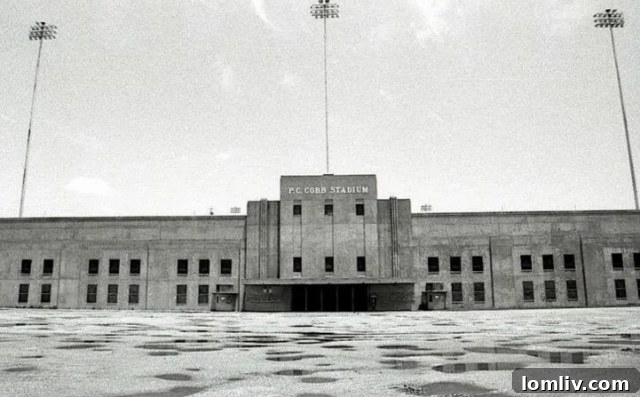
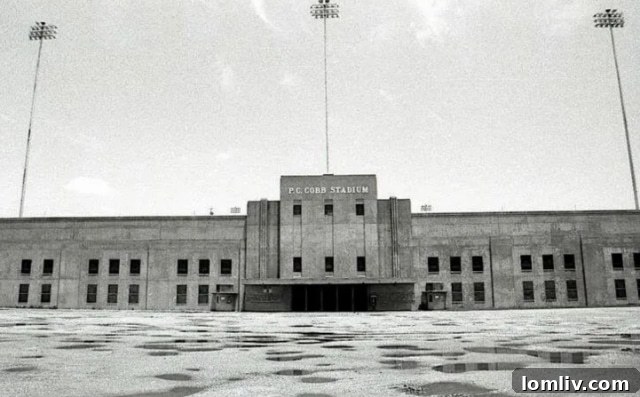
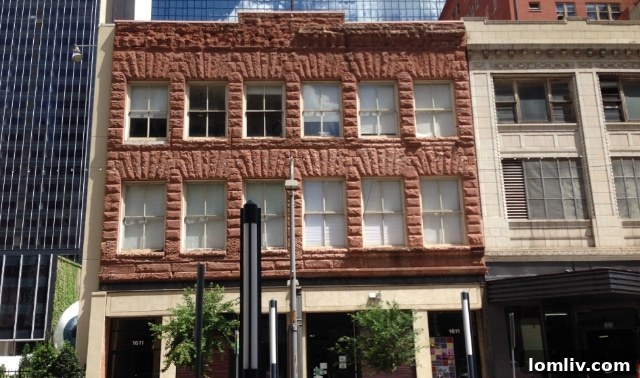
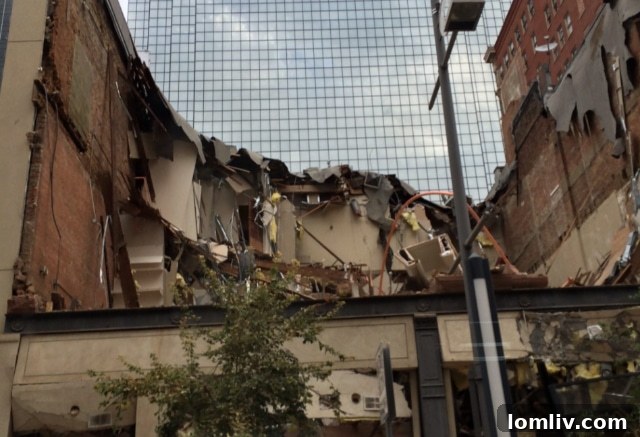
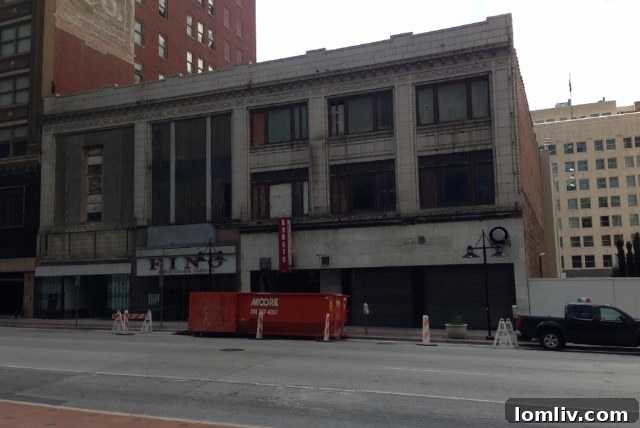
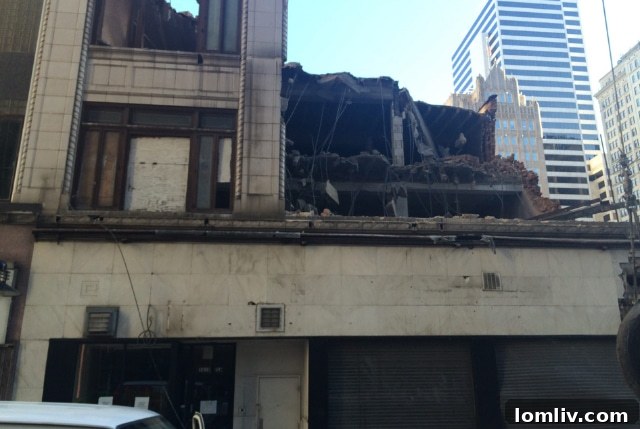
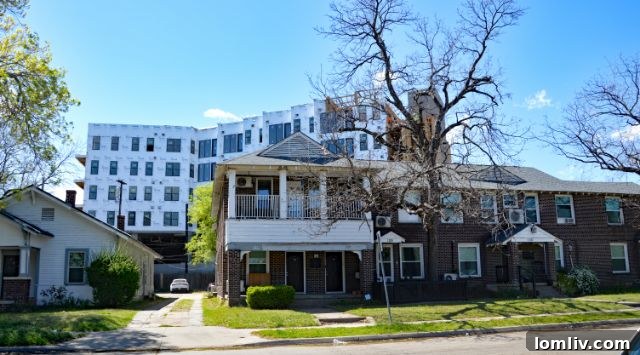
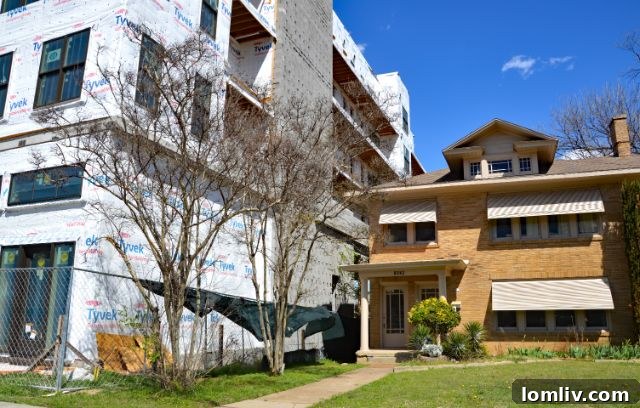
Dallas, a city known for its vibrant growth and dynamic skyline, also carries a poignant history of significant losses in historic preservation. Iconic structures and cherished neighborhoods, once cornerstones of the city’s identity, have succumbed to the tides of development. The demolition of the beloved Dr Pepper building on Mockingbird Lane, the disappearance of the historic P.C. Cobb Stadium, the transformation of Little Mexico, and the devastating “massacre on Main Street” in 2015, which saw some of Dallas’s oldest buildings razed, stand as stark reminders of what has been lost. These are not merely losses of bricks and mortar, but profound erasures of collective memory, cultural touchstones, and the tangible links to Dallas’s past. In the face of such losses, a common lament echoes: “Why doesn’t someone do something?”
The truth, however, is a powerful revelation: that “someone” is, in fact, all of us. Historic preservation is not a task for a select few; it is a shared responsibility, a collective endeavor that hinges on community engagement and a unified vision for our city’s future.
The Challenge of Siloed Efforts and a Fragmented Approach
While the adage “it takes a village” certainly applies to the monumental task of historic preservation, it often begins with a single voice drawing attention to a critical issue. Yet, even for dedicated advocates and writers specializing in the field, navigating the complex landscape of historic preservation in Dallas has frequently been confusing. A wealth of information exists, but it is often disparate, segmented, and “siloed.” This fragmentation presents a significant hurdle: if different entities, departments, or community groups are unaware of each other’s roles, capabilities, or ongoing initiatives, how can they effectively collaborate? How can Dallas collectively move forward with a genuine and impactful strategy to save not just buildings, but the rich cultural narratives embedded within them?
A New Era: Dallas’s Commitment to Strategic Historic Preservation
Recognizing these systemic challenges and the continuous erosion of its heritage, the City of Dallas has committed to a proactive solution. In a promising development, a preview of this ambitious initiative was recently unveiled at a “Coffee and Conversation” event. Hosted by AIA Dallas and the Architecture and Design Exchange (AD EX) and generously presented by HOK, a global leader in design, architecture, engineering, and planning, the session offered valuable insights into the city’s future plans. Moderated by Trinity Public Affairs consultant Katie O’Brien, the event brought together dedicated city officials who demonstrated a genuine and palpable interest in helping Dallas transcend its current struggles with historic preservation and mature into a city that champions its past while building for its future.
Understanding the Foundation: The City’s Office of Historic Preservation
At the heart of Dallas’s preservation efforts lies The City of Dallas Office of Historic Preservation. This vital department provides essential services, including facilitating Landmark Designation and issuing Certificates of Appropriateness. Furthermore, it manages crucial tax incentive programs designed to support the upkeep and restoration of historic structures within designated districts and for individual landmarks. However, the department has faced significant headwinds in recent years. The global pandemic stretched resources thin, forcing staff to focus primarily on maintaining core operations. This period was further compounded by considerable staff turnover, leading to a regrettable loss of invaluable institutional knowledge and expertise.
Amidst these challenges, Julia Ryan has stepped into a pivotal role, serving as the Director of Planning and Urban Design for the City of Dallas while also taking on the interim Directorship of the Office of Historic Preservation. Her dual expertise in planning and urban design offers a much-needed comprehensive perspective, equipping her with critical insight and problem-solving skills to navigate the complex interplay between growth and preservation.
Ryan candidly acknowledged the department’s quieter period: “You have not heard much from us because we have been nose to the grindstone with paperwork,” she stated. “We have been working diligently to rebuild our staff and institutional knowledge.” Despite the interim nature of her leadership, which can often be unsettling for staff, Ryan praised her team’s resilience. “We have four staff members right now, and they are my rock. We have two senior planners, a code compliance officer, and an administrative assistant. Two more staff will be in place next week. They are resilient, and I’m proud of the work and them stepping up to the challenges.”
Addressing these formidable challenges was the central theme of the recent information session. The ambitious strategy currently being developed is aptly named the “2023 Dallas Historic Preservation Strategic Process Overview”—a comprehensive title for a multi-faceted plan that promises to redefine Dallas’s approach to its heritage.
Phase 1: Cultivating a Shared Vision for Dallas’s Future
The strategic process begins with a crucial recognition: the city understands the urgent need for a cohesive program to stem the loss of its historic buildings and cultural identity. The initial phase is dedicated to thorough information gathering, a foundational step in understanding community desires and needs. This will be achieved through a series of neighborhood workshops and public meetings, designed to elicit direct input from residents about what they envision for their communities and how they believe Dallas’s unique character should be preserved. This is where individual participation becomes paramount – your voice and perspective are vital in shaping the collective future of Dallas. This comprehensive data collection will then inform and solidify a clear, actionable vision for historic preservation across the city.
The aspiration is to complete this critical information gathering and establish a preliminary vision by the end of 2023, setting a swift pace for this ambitious undertaking.
Phase 2: Building the Framework for Lasting Preservation
Following the establishment of a shared vision, Phase Two shifts focus to implementation. This stage involves identifying the necessary tools, policies, and codes that need to be developed, revised, or entirely re-evaluated to effectively realize the preservation goals. It encompasses determining the required materials, realistic timeframes, and essential resources to transition from conceptualization to tangible action. The City of Dallas is committed to fostering robust collaboration, working closely with the Landmark Commission, influential organizations like Preservation Dallas, and the broader community to forge practical and impactful strategies. Furthermore, they are leveraging external expertise by partnering with HR&A Advisors, Inc., a renowned consultancy firm.
Once these strategies are fully developed, the comprehensive vision and implementation plan will be presented to the Dallas City Council and the community for review and approval. If all proceeds according to this ambitious timeline, Dallas could have a fully articulated vision, identified resources, and a concrete plan for implementation by the end of 2024 or early 2025. This timeline reflects a significant commitment to expediting the process, recognizing the urgency of the situation.
Norman Alston, President of the Preservation Dallas Board, aptly summarized the magnitude of this initiative: “It’s going to be quite a complex tapestry we need to weave. It’s a tall order but a great thing to work towards.” This statement underscores the intricate nature of balancing growth with preservation, involving numerous stakeholders and diverse interests.
Beyond Buildings: The Indispensable Value of Cultural Preservation
Historic preservation extends far beyond the mere physical retention of old buildings. It is about safeguarding the very soul of a city, preserving the unique character, stories, and cultural legacies that define Dallas. Each historic structure, street, and neighborhood tells a part of Dallas’s journey, reflecting its diverse heritage, architectural evolution, and the lives of those who built and lived within its walls. Preserving these elements fosters a sense of place, strengthens community identity, and provides invaluable educational resources for future generations. Moreover, historic preservation contributes significantly to sustainable urban development by promoting adaptive reuse, reducing waste, and creating vibrant, walkable neighborhoods that attract tourism and economic investment. A city that respects its past is better equipped to shape a meaningful future.
Your Role: Activating Community Power in Historic Preservation
While the City of Dallas deserves commendation for initiating this critical conversation and developing a strategic roadmap, the ultimate success of this endeavor rests squarely on the shoulders of its citizens. It is time to move beyond passive observation and into active participation. If you lament the loss of a beloved old home or a cherished building, now is the moment to get involved. Attend the upcoming public meetings, engage in neighborhood workshops, communicate directly with your city council person, and don’t hesitate to “rattle some cages” to advocate for what you believe in. If joining a formal task force or committee isn’t feasible, consider forming your own grassroots organization to champion a historic site or neighborhood in your area. Dallas is our shared home, and it is up to each of us to actively shape its future, ensuring that its rich history is not just remembered, but vibrantly preserved for generations to come. Your participation is not just encouraged; it is essential.