Timeless Elegance at Your Curb: Discovering the Art of Vintage Mosaic Address Numbers
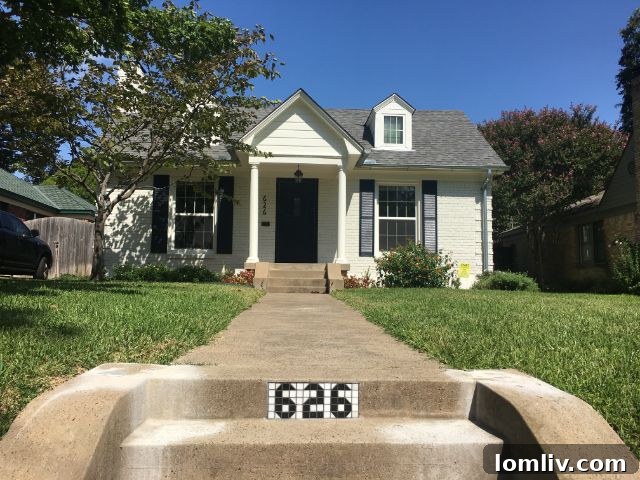
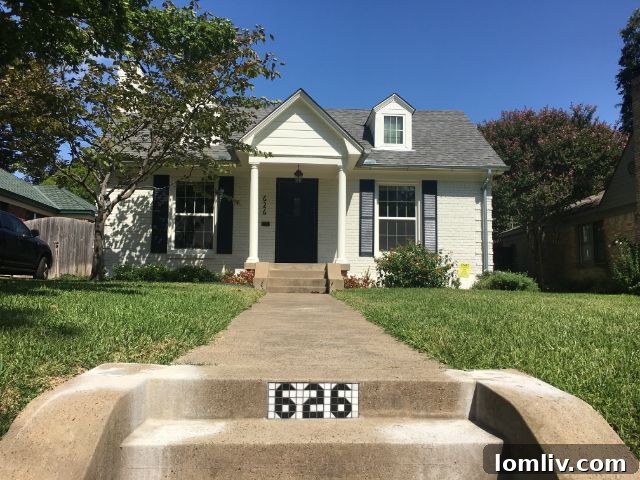
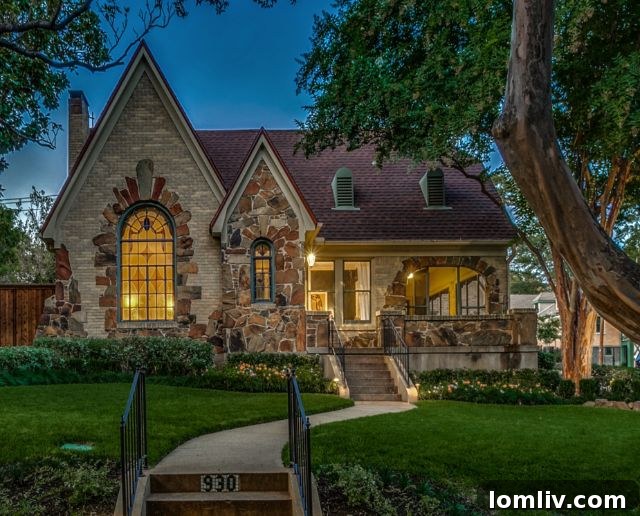
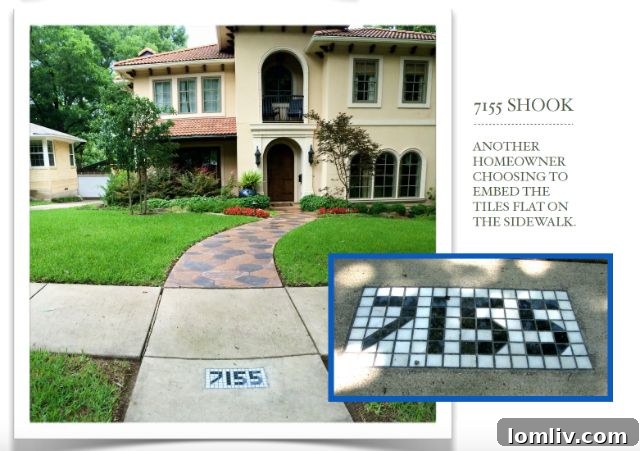
In the world of home aesthetics, first impressions are paramount. This is where the concept of “curb appeal” truly begins – right at the edge of your property, where your home first greets the world. While many homeowners focus on landscaping or paint colors, a growing trend is capturing attention: custom vintage-style mosaic address numbers. These stunning pieces of art, often seen adorning curbs, sidewalks, and even steps, are not just functional; they are exquisite statements that elevate a home’s character and significantly boost its outdoor allure. If you’ve been fortunate enough to spot these unique addresses around town, you understand their magnetic charm. And if your home doesn’t yet boast one, you’re likely already envisioning how this bespoke detail could transform your facade.
Forget generic, mass-produced numbers that fade over time or blend into the background. Mosaic address numbers offer a distinct blend of historical elegance and personal touch. They hark back to an era when craftsmanship was celebrated and details mattered. Beyond their undeniable beauty, these installations serve as a clear, enduring identifier for your home, making it easier for visitors, delivery services, and even emergency personnel to locate your property. This distinctive feature not only makes a memorable visual statement but also subtly communicates a homeowner’s appreciation for unique design and quality. It’s an investment that pays dividends in both aesthetic pleasure and practical utility, setting your home apart in the most sophisticated way.
Arthur Gonzales: The Artisan Reviving a Lost Art
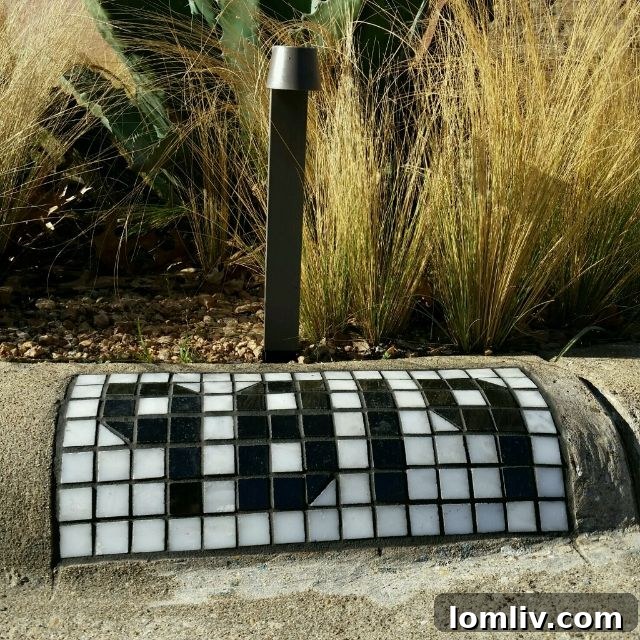
The resurgence of these charming mosaic addresses can often be attributed to passionate artisans who dedicated themselves to reviving this unique craft. Take, for instance, the remarkable journey of Arthur Gonzales, an individual whose talent and dedication have brought this lost art back to prominence in many communities. His story began quite serendipitously, sparked by the keen eye of a neighbor, Karen Albracht.
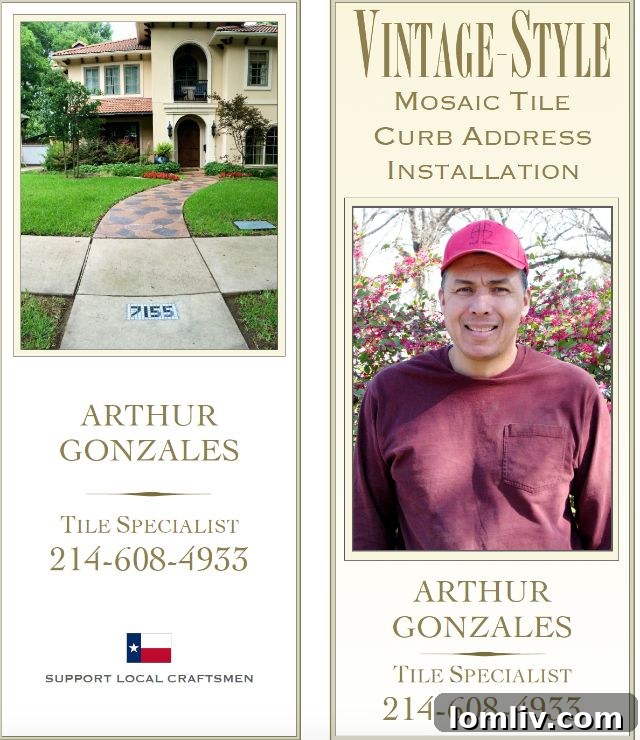
Some time ago, Karen, an enthusiastic advocate for local craftsmanship, stumbled upon a small advertisement in a community weekly newspaper. The ad, barely noticeable, featured a gentleman named Arthur Gonzales, who specialized in creating these exquisite mosaic vintage-style addresses. “I had seen addresses like this in California and thought it was so cool that someone was doing it here,” Albracht recounted. Intrigued, she tore out the ad, pinning it to her refrigerator as a persistent reminder of a unique discovery.
After a period of contemplation, Karen finally reached out to Arthur, delving deeper into his craft. What she discovered was not just a skilled artisan, but a story of passion, self-taught mastery, and exceptional quality. “The single thing about Arthur’s story that struck me was he had a cool idea, taught himself how to do it, and it turned out to be exceptional work,” Albracht emphasized. This grassroots discovery quickly blossomed into a local phenomenon.
Karen Albracht became the first person in her neighborhood to commission one of Arthur’s mosaic addresses. Overwhelmed by the superior quality and artistic flair, she took it upon herself to help Arthur showcase his talent. She generously designed a professional portfolio and brochure for him, effectively transforming him from a local secret into a recognized artisan. Leveraging the power of community, Albracht then spread the word on the popular neighborhood app, Nextdoor. This organic marketing approach perfectly aligned with the community-centric spirit of areas like Hollywood Heights, where unique home features and local talent are highly valued. Recognizing the broader appeal and compelling narrative, Albracht also extended an invitation for me to meet Arthur, knowing this captivating story was a perfect fit for readers of Candysdirt.com.
The Genesis of a Craft: From Family Skill to Historical Pursuit
Arthur Gonzales’ journey into the world of mosaic addresses is a testament to how diverse life experiences and latent talents can converge to create something truly special. As often happens, the elements for his unique calling had been aligning long before he fully realized his potential. Growing up, Arthur spent considerable time assisting his father with tile work, an invaluable apprenticeship that instilled in him the foundational skills and understanding of the craft. This early exposure to precision and material handling provided a solid bedrock for his future artistic endeavors.
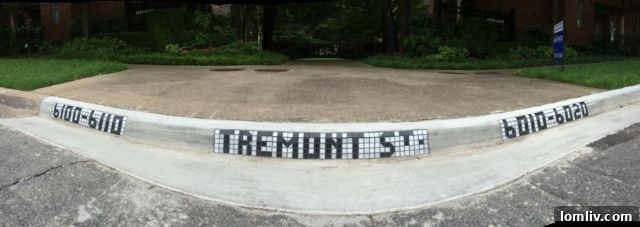
Beyond his inherent tiling skills, Arthur’s professional life also played an unexpected role in his artistic awakening. In his full-time occupation, he is responsible for ensuring worker safety for his company, a role that requires him to regularly traverse significant portions of the city. During his travels, Arthur began to notice intriguing remnants of tile street addresses embedded in the curbs of older Dallas neighborhoods. These subtle historical markers, often overlooked by others, piqued his curiosity.
Driven by an insatiable thirst for knowledge, Arthur embarked on a research quest to uncover the origins and history of these captivating mosaic installations. His investigation led him deep into the archives of City Hall, specifically to the basement, where he connected with the esteemed City of Dallas archivist, John Slate. “He knows everything,” Gonzales remarked, reflecting on Slate’s encyclopedic knowledge. Through his conversations with Slate, Arthur learned that early 20th-century urban developers had a distinct preference for these mosaic tile street signs. They favored them over the then-common practice of painted curbs, recognizing the unique ability of mosaics to elegantly showcase special areas and add a touch of sophistication to burgeoning neighborhoods. This historical context not only deepened Arthur’s appreciation for the craft but also affirmed the timeless appeal and practical advantages of these durable, artistic markers.
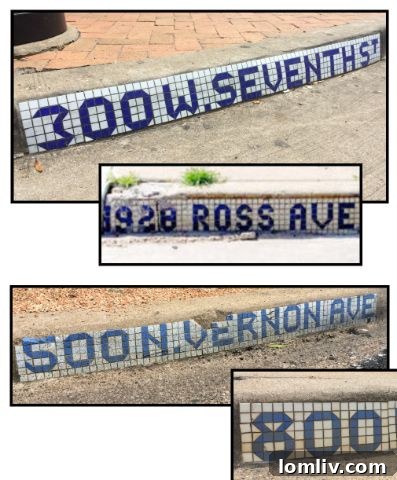
The reasoning behind the developers’ preference for mosaic vintage-style addresses is perfectly logical and remains highly relevant today. Unlike painted numbers that quickly fade under the harsh sun and relentless traffic, mosaic tiles offer unparalleled durability. They resist wear and tear, maintaining their vibrant appearance for decades. Furthermore, their reflective and dimensional nature ensures they show up easily, even when illuminated by a car’s headlights in the darkest of nights, a crucial safety and convenience feature. And, of course, their inherent beauty and intricate craftsmanship elevate them far beyond mere functionality. They are enduring pieces of public art, adding character and historical depth to any streetscape.
Preserving History: Gilbert Aguilar’s Legacy
Arthur Gonzales’ research not only unearthed the historical origins of these mosaic addresses but also connected him with another individual whose passion paralleled his own: Gilbert Aguilar. Aguilar had dedicated over thirty years of his career to the City of Dallas’s Department of Street Services, eventually ascending to the role of director. Throughout his tenure, he harbored a profound love and appreciation for these unique mosaic street addresses, recognizing their intrinsic value as tangible pieces of the city’s history.
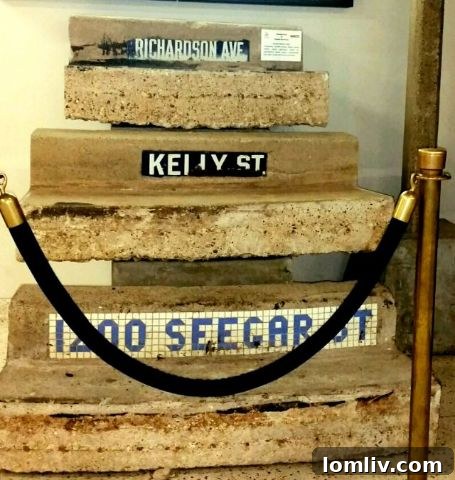
Gilbert Aguilar understood the importance of documenting and preserving this distinctive aspect of Dallas’s urban heritage. To this end, he meticulously curated an extraordinary collection of items related to these mosaic installations. This collection was not merely a random assortment; it was a carefully assembled archive designed to tell the story of these historical markers. It included salvaged curbs featuring original mosaic tile addresses, offering direct evidence of past craftsmanship. Alongside these, he preserved vintage parking meters, specialized tools used by street crews of yesteryear, original logbooks detailing installation and maintenance, and various other historical artifacts from the street department. Aguilar’s foresight ensured that a significant chapter of Dallas’s public design and infrastructure history was not lost to time but rather safeguarded for future generations to study and appreciate. His efforts provided Arthur with invaluable resources and further cemented the significance of reviving this beautiful craft.
The Tangible Benefits: Why a Mosaic Address is a Must-Have
Thanks to individuals like Arthur Gonzales and the historical preservation efforts by figures like Gilbert Aguilar, a once-lost art has been triumphantly rediscovered and revitalized, allowing us all to revel in its beauty and functionality. The opportunity to adorn your home with one of these distinctive mosaic vintage-style addresses is truly a special one. The moment I learned about Arthur’s work and its historical significance, I knew it was a feature my own home needed. Without hesitation, I immediately booked Gonzales to create my very own mosaic curb appeal statement.
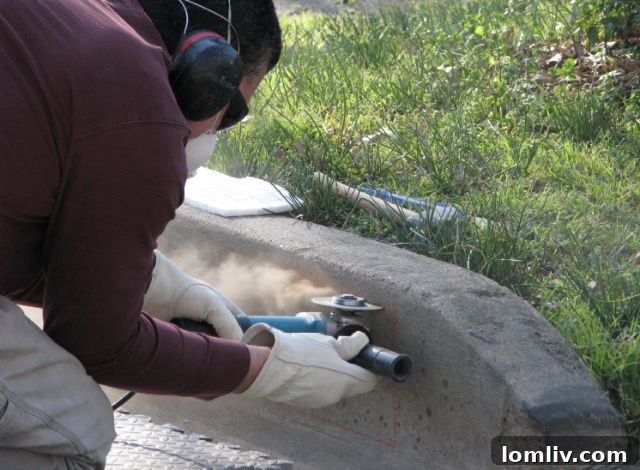
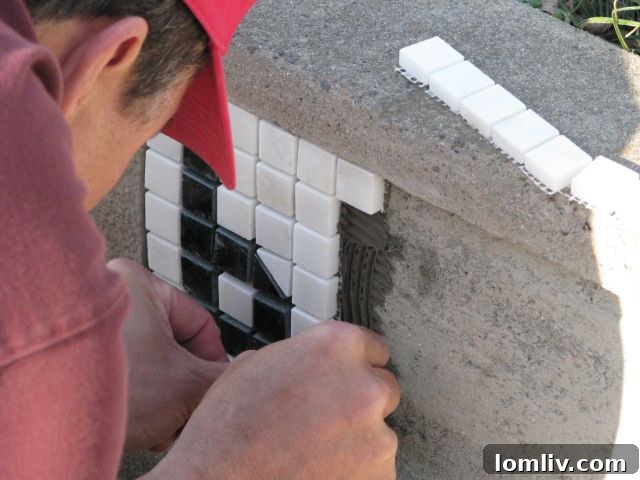
The process, while intricate, is handled with an artisan’s grace and efficiency, typically taking Arthur about three hours to complete an installation. This brief time investment yields a permanent, stunning upgrade to your home’s exterior. Arthur himself expresses immense satisfaction in his craft: “The self-made part is what appeals to me,” Gonzales shared. “I have the skillset, it’s not a service you expect to find, and it’s interesting!” This passion for the craft is evident in every meticulously placed tile and perfectly formed number, ensuring a result that is both beautiful and built to last.
The benefits of investing in a custom mosaic address extend far beyond mere aesthetics. Firstly, it provides unparalleled curb appeal, instantly elevating your home’s first impression. In a neighborhood where homes might look similar, a mosaic address makes yours truly stand out, offering a unique and elegant identifier. This distinctiveness is invaluable for homeowners who take pride in their property and wish to personalize it with a touch of timeless class. It also simplifies life for visitors, postal workers, and delivery services, ensuring your home is effortlessly located, day or night, rain or shine. The reflective quality of the tiles ensures visibility even in low light, adding a layer of practical convenience to its undeniable charm.
Transform Your Home: A Smart Investment for Homeowners and Sellers
It’s important to remember that Arthur Gonzales creates these masterpieces out of a true passion for the craft, fitting them into his schedule after his full-time job or during weekends. This bespoke service is not a mass-produced offering but a labor of love, making each installation genuinely unique. Consequently, demand for his exceptional work is high, and his availability is limited. If you’re eager to enhance your home with this distinctive feature and claim your piece of this revived historical art, it is highly recommended to reserve your spot on his schedule as soon as possible. Don’t miss the opportunity to transform your home’s exterior with such a sophisticated and enduring detail.
For those contemplating selling their home, a mosaic vintage-style address is an absolute game-changer. In today’s competitive real estate market, standing out is key, and curb appeal is your most potent weapon. Imagine potential buyers pulling up to your property; the first detail that catches their eye is a beautifully crafted, custom mosaic address. This immediate visual impact speaks volumes, signaling attention to detail, pride of ownership, and a touch of unique luxury that generic homes simply cannot replicate. It creates an unforgettable first impression, drawing buyers in and adding perceived value even before they step inside. This thoughtful enhancement can significantly differentiate your listing, captivate prospective purchasers from the moment they arrive, and ultimately contribute to a quicker, more profitable sale. It’s not just an address; it’s an investment in your home’s identity and its market potential.