Ensuring Neighborhood Harmony: The Critical Link Between Commercial Hubs and Residential Quality of Life
While our primary focus as a real estate blog revolves around homes, properties, and the vibrant communities they inhabit, we believe it’s essential to address broader issues that profoundly impact our daily lives. This includes covering incidents and trends that shape the safety and desirability of our neighborhoods. Recent events, such as a disturbing series of violent attacks on shoppers at prominent malls and strip centers, serve as a stark reminder that the quality of life in our residential areas is inextricably linked to the security and perceived safety of surrounding commercial spaces. These incidents don’t just affect shoppers; they ripple through the entire community, influencing everything from property values to the peace of mind of local residents.
The Pulsating Heart of Our Communities: Shopping Centers and Their Unseen Influence
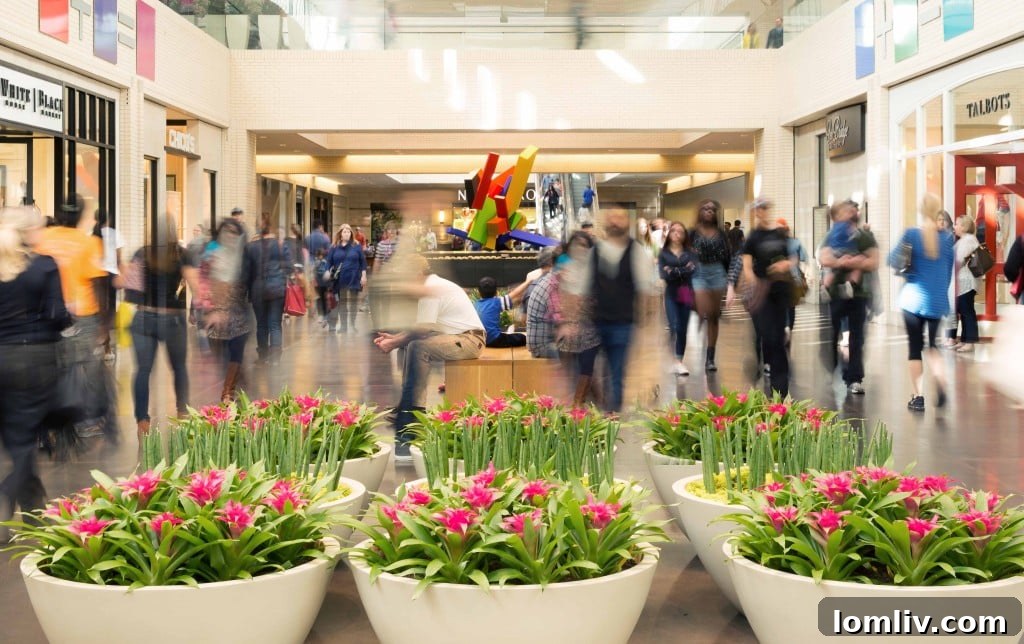
Shopping centers, from expansive regional malls to convenient local strip centers, are much more than mere retail destinations. They function as vital community hubs, economic engines, and significant contributors to the overall residential quality of life. These centers provide jobs, generate tax revenue, and offer spaces for social interaction, entertainment, and essential services. They are places where families gather, friends meet, and daily errands are accomplished. For many, proximity to well-maintained, attractive, and safe shopping options is a key factor in choosing a neighborhood, directly influencing real estate decisions and perceived community value. Therefore, any threat to the safety within these commercial environments is a direct threat to the well-being and stability of our residential areas.
The blend of commerce and community is delicate. When incidents of crime occur in these public spaces, they inevitably cast a shadow over the entire neighborhood. The sense of security, which is a fundamental aspect of residential quality of life, can be severely eroded. This raises critical questions about how we, as a community, and how commercial entities, should collaborate to ensure these vital spaces remain safe and welcoming for everyone. It’s a challenge that demands attention, understanding, and proactive solutions to maintain the vibrant ecosystem that thrives where homes meet businesses.
When Safety Concerns Cast a Shadow: Recent Incidents and Their Ripple Effect
The unsettling reality of recent security breaches has prompted many to question the safety of places they once considered commonplace and secure. Incidents ranging from robberies to violent assaults in parking lots and inside shopping centers have heightened anxieties among residents. This has sparked a broader conversation about where true safety lies in an urbanized environment. For instance, security experts sometimes suggest that downtown areas, with their higher density of people on the streets and constant activity, might paradoxically offer a greater sense of security due to the “safety in numbers” effect. The continuous flow of pedestrians and eyes on the street can deter opportunistic crime.
Conversely, while the interior of a well-patrolled mall like NorthPark might feel secure, the primary security challenge often arises in the transitional zones: specifically, as individuals arrive at or depart from these vast commercial complexes. Parking garages and sprawling surface lots, with their inherent cover and varying levels of visibility, can unfortunately become opportunistic targets for criminals. This creates a critical vulnerability point that undermines the overall sense of safety, transforming routine errands into potential anxieties for shoppers and local residents alike. It’s a nuanced problem that requires a multifaceted approach to security planning, considering both the vibrant interiors and the vulnerable peripheries of these important community assets.
NorthPark Center: A Beacon of Retail Excellence and Community Engagement
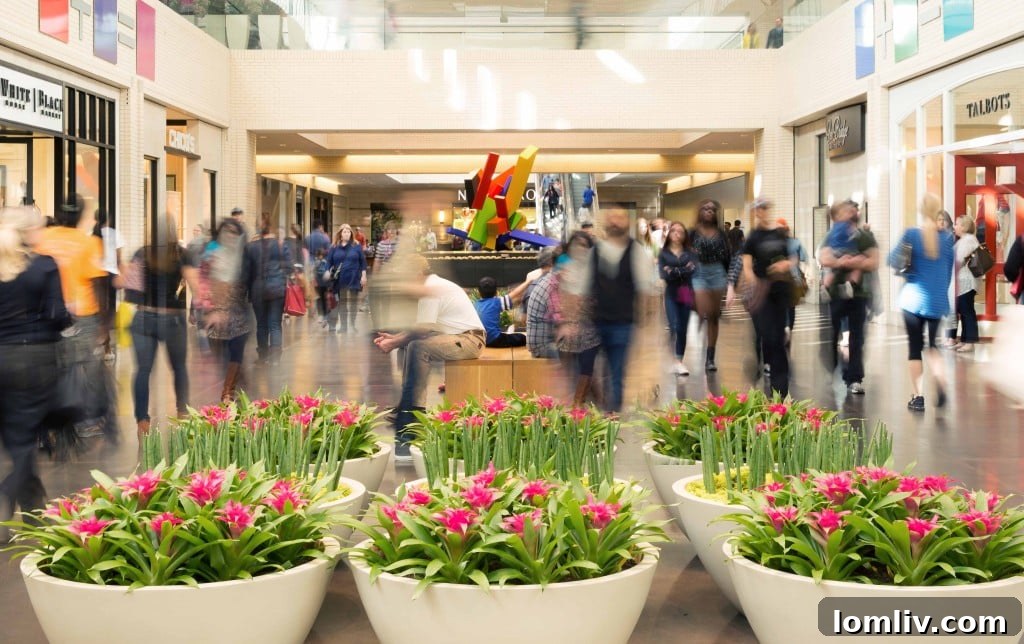
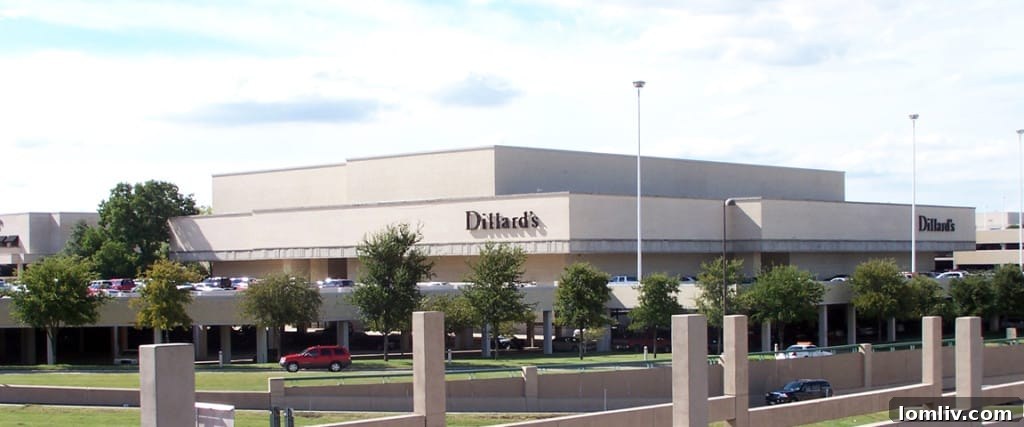
Dallas is home to some of the nation’s most impressive retail destinations, and NorthPark Mall stands out as a preeminent example. Consistently ranked among the top five shopping destinations in the country, it attracts more than 26 million visitors annually, making it a pivotal economic and social hub for the region. As a major Dallas attraction, NorthPark Center boasts an unparalleled collection of high-end retailers, including anchor stores such as Neiman Marcus, Nordstrom, Macy’s, and Dillard’s. These flagship department stores consistently achieve top-tier sales volumes, a testament to the mall’s drawing power and its strategic importance within the retail landscape, as highlighted by the mall’s official website.
Beyond its impressive retail figures, NorthPark Center is also a cultural landmark. It features an internationally acclaimed art collection, beautiful landscaping, and a variety of dining options, making it a destination that extends far beyond mere shopping. It serves as a gathering place for families, a venue for community events, and a significant contributor to the local economy through job creation and tourism. This immense popularity, while a source of pride and prosperity, also places a considerable responsibility on its management to ensure the safety and security of its millions of patrons. The well-being of NorthPark, and other similar centers, is a direct reflection on the vitality and safety of the surrounding Dallas neighborhoods.
Understanding the Threat: A Closer Look at Recent Security Breaches
The recent follow-up by Fox4 News on a distressing incident at NorthPark Mall brought into sharp focus the vulnerabilities that can affect even the most reputable establishments. The report detailed an attack on a mother, accompanied by her husband and toddler, as they were getting back into their car within a NorthPark Mall parking garage. This single story alone has understandably instilled a significant degree of fear and apprehension among many in the community, prompting a widespread reevaluation of personal safety protocols when visiting public spaces.
What makes this particular incident even more alarming is that it is not isolated. According to reports, there have been at least three major crime incidents at NorthPark Mall since December 16, with one of these alarming occurrences involving a gun. Such a string of events, especially in a location as prominent and frequented as NorthPark, necessitates a serious and transparent discussion about security measures, public awareness, and the collective responsibility to protect our community members. These incidents underscore the urgent need for enhanced vigilance and effective crime prevention strategies, not just from mall security and law enforcement, but from every individual visiting these vital community hubs.
Safeguarding Our Spaces: Strategies for Enhanced Mall Security and Personal Vigilance
Addressing the growing concerns about mall security requires a multi-pronged approach that combines robust institutional measures with increased personal vigilance. Modern mall security protocols typically involve a visible presence of trained security personnel, both uniformed and plainclothes, conducting regular patrols. These efforts are often augmented by advanced surveillance systems, including high-definition cameras strategically placed throughout the property, especially in parking structures and less-trafficked areas. Improved lighting, particularly in parking lots and garages, is another crucial deterrent, eliminating potential hiding spots and increasing visibility. Additionally, panic buttons, emergency call stations, and direct communication channels with local law enforcement are essential components of a comprehensive security plan.
However, individual shoppers also play a vital role in their own safety. Practicing situational awareness – being observant of surroundings, avoiding distractions like cell phones, and walking with purpose – can significantly reduce vulnerability. Parking in well-lit, busy areas, avoiding isolated spots, and walking in groups whenever possible are also highly recommended. Shoppers should secure valuables out of sight, never leaving them exposed in vehicles, and always be mindful of their personal belongings. Reporting suspicious activity immediately to mall security or law enforcement can also contribute to a safer environment for everyone. By fostering a culture of shared responsibility, where both institutions and individuals are actively engaged in safety, we can collectively work towards making our shopping centers secure and enjoyable for all.
The Broader Implications for Residential Quality of Life and Real Estate
The safety and security of commercial centers like NorthPark Mall extend far beyond the immediate concerns of shoppers. These factors profoundly influence the residential quality of life in surrounding communities and, consequently, have a tangible impact on local real estate markets. When a prestigious mall experiences a series of security incidents, it can subtly, or sometimes overtly, alter the perception of desirability for nearby neighborhoods. Prospective homebuyers often prioritize safety and convenience; if the major shopping and entertainment hub of an area is perceived as unsafe, it can diminish the overall appeal of living in close proximity.
Property values are intrinsically linked to a neighborhood’s reputation, which includes the perceived safety and quality of its amenities. A decline in shopper confidence due to security concerns could potentially lead to reduced foot traffic, affecting businesses, and in turn, impacting the economic vibrancy of the area. Real estate agents and developers understand that a strong sense of community safety, bolstered by secure commercial spaces, is a significant selling point. Therefore, proactive measures by mall management, in collaboration with local law enforcement, are not just about protecting patrons; they are about safeguarding the economic health and residential appeal of the entire region. Maintaining a secure environment in these hubs is paramount to sustaining a robust real estate market and a high quality of life for residents.
Community Collaboration: A United Front for a Secure Future
Effectively addressing the complex challenge of public safety in commercial areas requires more than just internal security efforts; it demands robust community collaboration. A united front, involving mall management, local law enforcement agencies, city officials, and residents, is essential for creating and maintaining truly secure environments. Open lines of communication, shared intelligence, and coordinated action plans can significantly enhance crime prevention and response. For instance, regular meetings between mall security teams and local police can help identify emerging threats and allocate resources more efficiently. Similarly, encouraging community watch programs in neighborhoods adjacent to shopping centers can foster a broader network of vigilance, ensuring that eyes are on the streets both inside and outside these commercial zones.
Furthermore, public awareness campaigns, educating residents on personal safety tips and how to report suspicious activities, empower individuals to be active participants in crime prevention. By pooling resources, sharing best practices, and fostering a sense of collective responsibility, communities can build resilience against criminal activity. This collaborative spirit not only strengthens security measures but also reinforces the social fabric, rebuilding trust and ensuring that our essential commercial spaces remain vibrant, safe, and welcoming places for everyone to enjoy. A secure future is a shared responsibility, best achieved through continuous partnership and mutual commitment.
Reclaiming Confidence: Moving Forward with Intentional Safety
In conclusion, the balance between enjoying the conveniences and amenities of modern shopping centers and prioritizing personal safety is a critical aspect of contemporary residential life. As a real estate blog committed to informing our community, we will continue to highlight issues that impact the comfort, security, and overall well-being of our neighborhoods and homes. The recent incidents at prominent commercial hubs serve as a potent reminder that vigilance, proactive security measures, and strong community partnerships are not luxuries, but necessities.
Reclaiming full confidence in our public spaces requires ongoing commitment from all stakeholders: mall operators investing in advanced security infrastructure, law enforcement maintaining a visible and responsive presence, and individuals practicing heightened situational awareness. By continuously adapting and improving our safety strategies, we can ensure that our malls and shopping centers remain thriving, safe environments that contribute positively to the high quality of life we all strive for in our Dallas communities. Our collective effort is key to ensuring that every visit to a commercial hub is a secure and enjoyable experience, reinforcing the strength and desirability of our beloved neighborhoods.