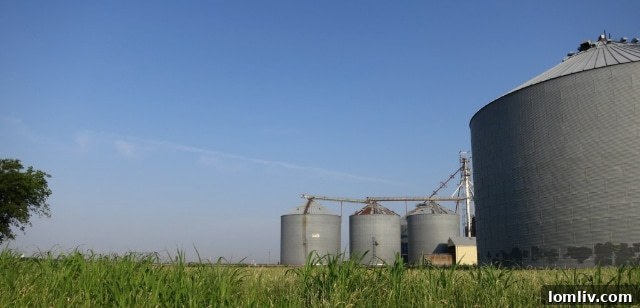
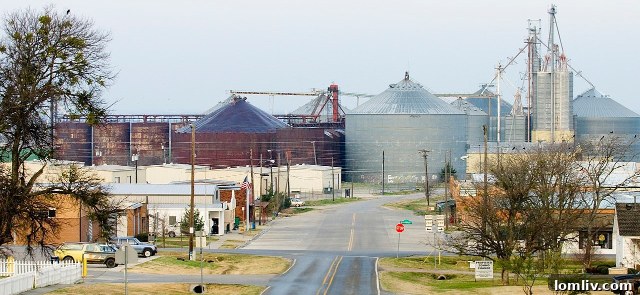
For decades, the towering grain silos along a quiet, two-lane highway served as an unmistakable beacon for anyone traversing the northern reaches of Collin County. Before the expansive Sam Rayburn Tollway reshaped the landscape, these colossal structures stood as silent sentinels, often catching the soft, distant glow of metro Dallas lights on a dark night. They weren’t just functional storage facilities; they were a landmark, a geographical anchor, and a profound symbol of Prosper’s rich agricultural heritage.
Throughout much of their recent history, these impressive grain silos have stood largely empty, their utility from a bygone era giving way to their role as a nostalgic reminder of a community built on farming. Across Texas and beyond, these relics of agricultural ingenuity have found new life, transforming from dormant giants into vibrant community hubs or unique accommodations. In Waco, the acclaimed Fixer Upper duo, Chip and Joanna Gaines, famously revitalized a set of old silos into their hugely popular Magnolia Market at the Silos, creating a bustling shopping and entertainment complex that draws visitors from all over. Similarly, in the charming town of Round Top, enterprising individuals have ingeniously converted silos into quirky and memorable vacation rentals, offering an unconventional lodging experience. These instances highlight the deep cultural resonance and architectural significance that silos hold in the American landscape, often gaining protected historic status due to their importance.
This week, however, marks a pivotal moment for Prosper, Texas, as the town confronts a significant change to its iconic skyline. The community learned that four of its beloved silos are slated for removal, signaling a profound shift in the visual identity of this rapidly growing Collin County town. According to a recent news release from the Town of Prosper, Blue Star Corp., an entity owned by Dallas Cowboys owner Jerry Jones, has acquired the land beneath the two largest silos situated on the westernmost flank of the cluster. These two giants, alongside two smaller silos positioned on the northernmost edge—the latter owned by BNSF Railroad—are scheduled for demolition. This development underscores the relentless pace of growth and modernization sweeping through Prosper, often at the expense of its most enduring historical structures.
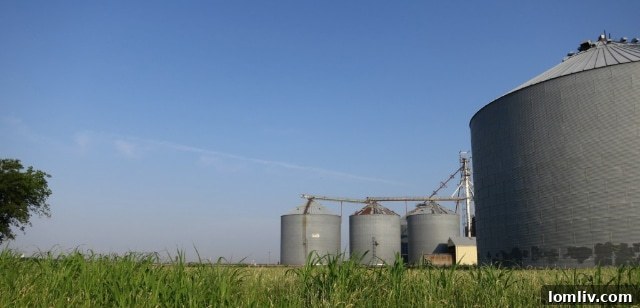
The announcement from the Town of Prosper carried a tone of wistful acknowledgment, recognizing the deep emotional connection residents have with these structures. “While the silos have sat empty for many years, their presence gave residents and visitors a sense of the Town’s roots, a set of identifying symbols unmatched by any other,” the release stated. This sentiment echoes throughout communities witnessing the transformation of agricultural landmarks, where the physical structures embody collective memory and a shared past. The silos weren’t just buildings; they were storytellers, silent witnesses to generations of growth, struggle, and prosperity. Their removal represents not just a physical alteration but a symbolic shift in the town’s narrative, moving further away from its agrarian origins towards a more urbanized future.
Amidst the news of demolition, there’s also a glimmer of preservation. The town thoughtfully clarified that not all silos would disappear. The three smaller silos located on the southernmost edge of the grouping are slated to remain in place, offering a vital link to the town’s past. Additionally, the single larger silo situated on the east side of the railroad tracks at Broadway Street will also be preserved. This selective retention demonstrates a conscious effort by Prosper’s leadership to balance inevitable development with the desire to honor and maintain its historical identity. Demolition of the other four silos is expected to commence this week, paving the way for Blue Star Corp.’s ambitious plans for a new mixed-use development. This project is part of a much larger vision, as Dallas Cowboys owner Jerry Jones and his associated companies command nearly 500 acres between downtown Prosper and the burgeoning Dallas Parkway corridor, positioning them as key players in the town’s expansive future.
The gravity of losing such a prominent landmark was palpable in the town’s official statement. The towering silos were not just structures; they were the community’s defining feature, a physical embodiment of its origins and the spirit of its people. The news release eloquently painted a picture of Prosper’s past, articulating the profound connection between the silos and the town’s very name: “The farmers of yesteryear have all gone, ending generations of families toiling on the land’s rich soil for the prolific crops that led to the naming of the Town with its current moniker – Prosper.” This excerpt poignantly captures the essence of a community rooted in agriculture, where success and abundance were intrinsically linked to the land and its yield. The silos stood as a testament to this era, facilitating the storage and distribution of grain and corn, thus playing an integral role in the bustling farming economy of the early days. Their strategic location near the railroad tracks made them a crucial nexus for commerce, enabling the sale and distribution of crops grown in the fertile Richland area to markets far and wide, both north and south. They were, in essence, the arteries of Prosper’s early economic heart.
“The farmers of yesteryear have all gone, ending generations of families toiling on the land’s rich soil for the prolific crops that led to the naming of the Town with its current moniker – Prosper. The iconic silos were an integral part of the bustling farming economy of the early days, providing a way for the grain and corn farmers of the area to store their crops. Because they were built in close proximity to the railroad tracks, the silos also served as a launching point for the sale and distribution of the crops grown in Richland to all points north and south.”
Town of Prosper news release, May 5
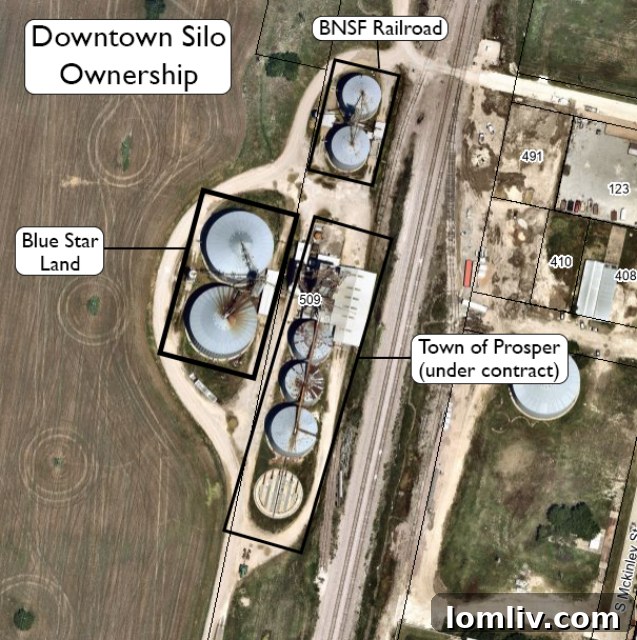
Understanding the irreplaceable value of these structures as historical town landmarks, Prosper has not been idle in the face of these changes. In a testament to its commitment to preserving its heritage amidst rapid expansion, the Town issued a follow-up statement outlining its proactive plans for the remaining silos. Recognizing their importance, town officials initiated discussions with the property developer many months prior to the public announcement. This foresight has culminated in a significant move: “The Town is currently in the process of purchasing a 2.87-acre portion of the property from the developer that includes the three smaller silos at a cost of approximately $690,000.” This substantial investment underscores the town’s unwavering intent to safeguard these remaining structures, not just as static monuments but as active elements in Prosper’s future narrative. The acquisition is more than just a purchase; it’s a strategic step towards integrating the past with the future, ensuring that future generations can connect with the town’s foundational story. The primary goals include eliminating any safety hazards associated with the aging structures and, crucially, incorporating them into the ambitious Downtown Master Plan. This plan envisions the silos as focal points in ongoing downtown revitalization efforts, potentially transforming them into public art, interactive historical exhibits, or unique architectural features that anchor new commercial and cultural spaces. This approach allows Prosper to honor its agricultural roots while simultaneously fostering a vibrant, modern urban core.
The transformation of Prosper’s skyline, marked by the partial demolition and preservation of its iconic grain silos, is a microcosm of the changes sweeping across many North Texas communities. As rural areas give way to suburban expansion, towns like Prosper grapple with the delicate balance of embracing progress while cherishing their unique identities. The Sam Rayburn Tollway, once a distant concept, now brings thousands of new residents and businesses, fundamentally altering the fabric of what was once a quiet farming community. The silos, for so long a symbol of stability and tradition, now stand at the intersection of history and innovation. Their story in Prosper reflects a broader narrative of Texas’s evolution, where the echoes of its agrarian past resonate within its burgeoning metropolitan future. The town’s deliberate steps to preserve some of these structures and integrate them into future development plans offer a hopeful model for how communities can navigate growth without entirely erasing the tangible links to their cherished heritage, ensuring that the spirit of Prosper continues to thrive.
Explore the Rich History of Texas Silos and Agriculture
- Delve deeper into the architecture and significance of Texas Grain Elevators | Learn about the specific history of silos in Prosper, Texas
- Gain comprehensive insights into Historical Agriculture Processing Facilities across Texas