The real estate market in Dallas, Fort Worth, and the wider Texas region has demonstrated remarkable resilience and growth, particularly in new and existing home sales. Despite global economic uncertainties, the housing sector has experienced an unprecedented surge, reaching levels not seen in years. This article delves into the dynamics driving this boom, examining sales figures, price trends, and broader market indicators that paint a comprehensive picture of the current Texas real estate landscape.
While economic forecasts often predict market corrections, the current momentum in Dallas real estate and across Texas suggests a robust period for sellers and a challenging but navigable environment for buyers. Understanding the factors contributing to this thriving market is crucial for anyone involved in or considering entering the Texas housing scene.
Texas Real Estate Thrives: A Deep Dive into New Home Sales
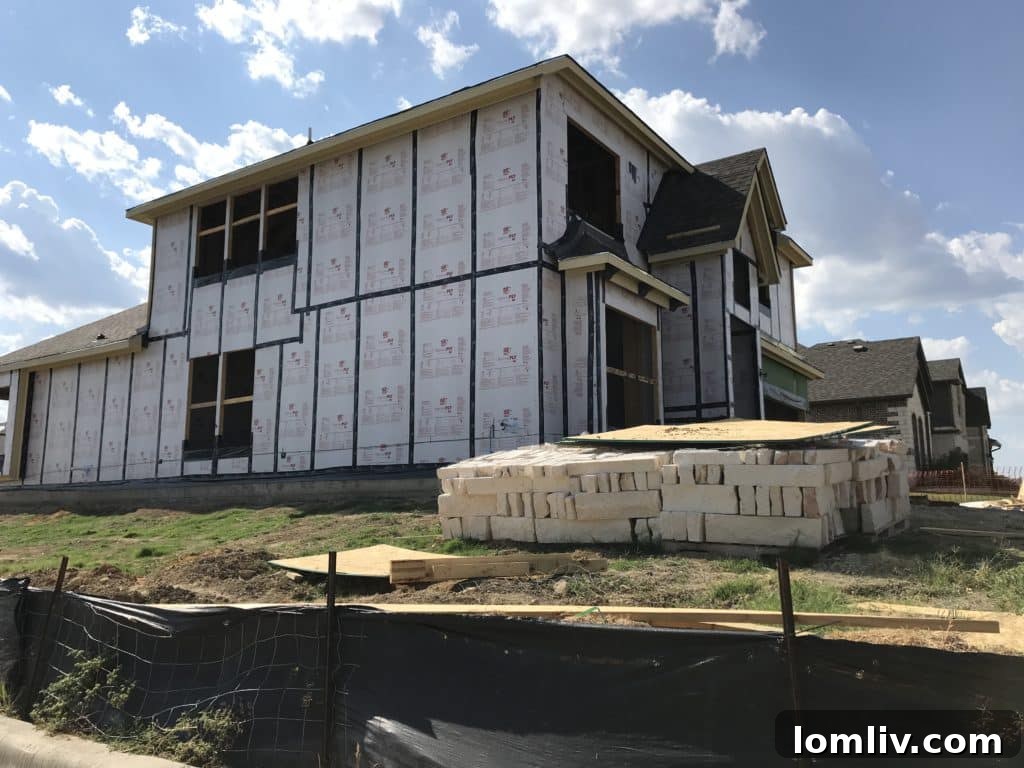
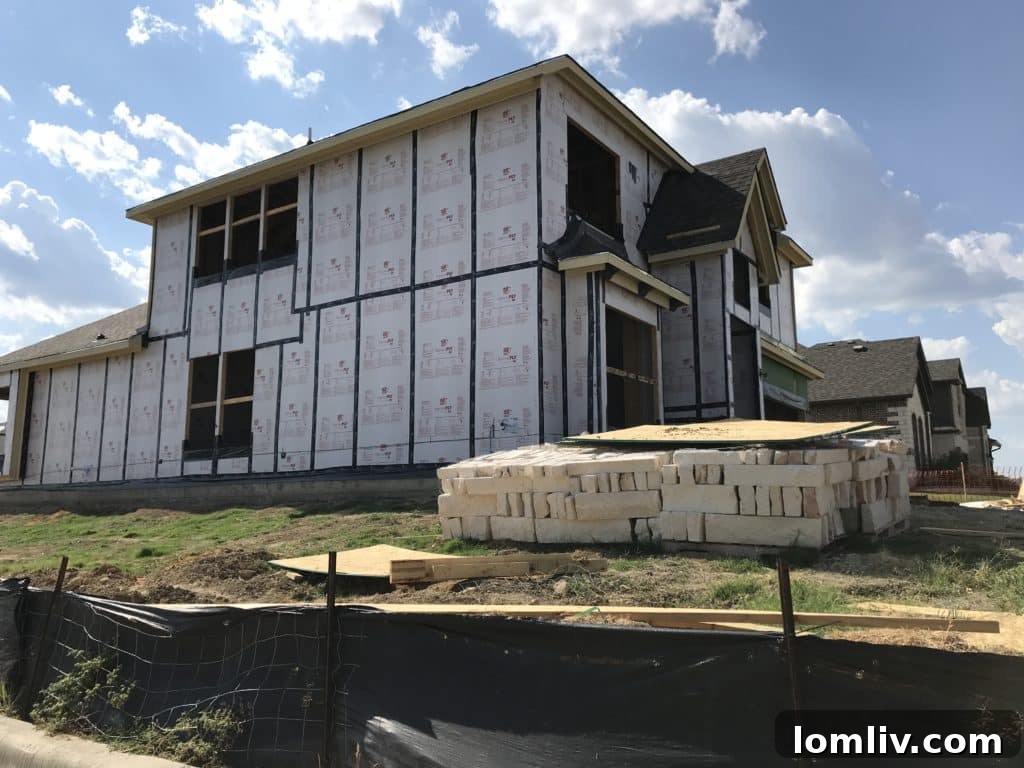
The past few months have been exceptionally strong for new single-family home sales, not just in Texas but nationwide. This segment of the housing market has experienced its third consecutive month of increases, catapulting sales figures to their highest point since 2006. From June to July, sales saw a significant jump of 13.9 percent, reaching a seasonally adjusted annual rate of 901,000 units, as reported by U.S. Census Bureau data. This surge represents a remarkable 36 percent increase compared to the same period a year ago, underscoring the rapid recovery and expansion of the new home market.
In Texas, this positive trend mirrors national patterns. New home sales have consistently climbed after an initial dip during the early months of the COVID-19 pandemic. Dallas-based HomesUSA.com highlights that the state’s housing market has shown incredible adaptability and demand. The Dallas-Fort Worth (DFW) area, in particular, has emerged as a powerhouse within the state. July new home sales in DFW, based on a 12-month moving average, totaled 1,495 units, surpassing June’s 1,453. These figures position DFW as the leader among Texas’s four major new-home markets, which also include Houston, Austin, and San Antonio. This sustained growth in new home construction reflects both a strong underlying demand and the proactive efforts of developers to meet it.
Driving Factors Behind the New Home Boom
Several critical factors are fueling this impressive growth in new home sales. Homebuilders are reporting not only a surge in sales but also a notable increase in pending sales, signaling continued strong demand. Furthermore, the average “Days on Market” for new homes sold in July slightly decreased from 102.87 to 102.50, indicating that properties are being purchased more quickly. This speed in transactions, coupled with robust sales, points to a competitive market for new constructions.
For potential homebuyers, there was a glimmer of good news as the average new home price experienced a slight decrease, falling from $370,483 in June to $370,209 in July. While a modest reduction, it offers a small respite in an otherwise escalating market.
Ben Caballero, CEO of HomesUSA.com, attributes this sales increase to several interwoven factors. Historically low interest rates have undoubtedly made homeownership more accessible and attractive, reducing monthly mortgage payments and increasing purchasing power. Beyond financial incentives, the COVID-19 pandemic and its associated shelter-in-place mandates have profoundly reshaped homeowners’ perspectives on their living spaces. As Caballero explains, “They’re working from home, they’re evaluating the home, maybe they’re having to teach their kids at home.” This increased time spent at home has led many to reassess their current living situations, prompting questions like, “Is this the home we really want to have in the next 10 or so years?” For many, the answer has been a resounding ‘no,’ driving them to seek larger homes, different layouts, or entirely new locations. This introspection often leads to decisions to either renovate and sell or purchase a new property that better suits evolving lifestyle needs.
HomesUSA.com, a crucial data aggregator for the Texas market, compiles its comprehensive reports from multiple listing services provided by the Houston Association of Realtors, North Texas Real Estate Information Systems, San Antonio Board of Realtors, and the Austin Board of Realtors. This broad data collection ensures a holistic view of the state’s dynamic housing trends.
On a national scale, the new-home inventory saw a modest 1.6 percent dip in July from June, as per the census report. This decreasing inventory, coupled with sky-high demand, has pushed builder confidence to unprecedented levels. The National Association of Home Builders/Wells Fargo Housing Market Index has reached its highest reading in the 35-year history of the report, signifying immense optimism among homebuilders about the current and future state of the market.
However, this booming trend may not be sustainable indefinitely. Caballero cautions, “I don’t know how long it’s going to last because the builders’ inventories are dropping significantly.” He believes that this dwindling supply will inevitably impact future sales, potentially slowing the pace of growth if demand continues to outstrip the available housing stock. The balance between robust demand and limited supply will be a key determinant of the market’s trajectory in the coming months.
Dallas-Area Home Resale Prices Also Climb Amidst Strong Demand
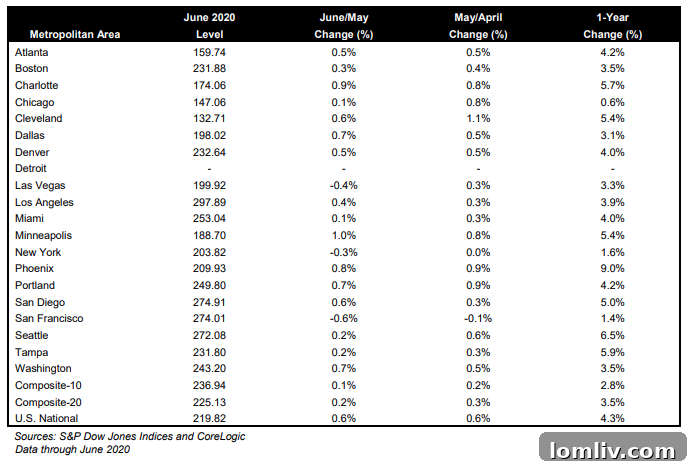
The robust performance of the Dallas real estate market isn’t confined to new constructions alone; existing single-family home sales and prices have also shown remarkable strength. The COVID-19 pandemic, far from dampening enthusiasm, has seemingly amplified demand across the board. According to the latest S&P CoreLogic Case-Shiller U.S. National Home Price NSA Index, Dallas-area home resale prices experienced a solid 3.1 percent year-over-year increase. While home prices are rising, interestingly, overall asking rents in the DFW metropolitan area declined by 1.6 percent, indicating a potential shift in preference towards homeownership or increased supply in the rental market.
Nationally, the S&P CoreLogic Case-Shiller index reported a 4.3 percent annual gain, mirroring the growth observed in the previous month. This index is a highly respected benchmark in the housing market, calculated monthly from a composite of single-family home price indices across the nine U.S. census divisions. Its methodology relies on tracking properties that have sold at least twice, providing a reliable indicator of housing value changes over time by accounting for quality and size differences.
The Metropolitan Statistical Area (MSA) data used in the report is derived from a composite of 20 major metro areas, including the Dallas area which encompasses Fort Worth, Arlington, and 12 North Texas counties. This extensive coverage allows for a granular understanding of regional market dynamics within the broader national context.
While the Case-Shiller report provides a historical view, other local indices are already showing even higher median-price gains in North Texas. These more recent data points are expected to be incorporated into the Case-Shiller aggregation in subsequent reports, suggesting that the upward trend in prices may be accelerating further than currently reflected.
In the Case-Shiller report, it was noted that year-over-year home prices were higher than a year ago in all 20 major U.S. cities included in the monthly survey. This widespread appreciation underscores the broad strength of the national housing market. Among these cities, the Phoenix metro area led the pack with an impressive 9 percent price gain, followed by Seattle at 6.5 percent. Notably, five of the 19 cities surveyed reported even higher increases in the year ending June 2020 compared to the year ending May 2020, suggesting an accelerating pace of appreciation in key urban centers.
Commenting on these figures, S&P managing director Craig J. Lazzara stated in the report, “Housing prices were stable in June.” He further emphasized the need for more data to definitively understand the market’s future trajectory: “More data will be required to understand whether the market resumes its previous path of accelerating prices, continues to decelerate or remains stable.” Lazzara also provided a crucial distinction, noting that “deceleration is quite different from an environment in which prices actually fall.” This implies that even if the rate of price increase slows down, it doesn’t necessarily mean prices are declining, offering a nuanced perspective for market watchers.
Month-over-month, the national index recorded a 0.2 percent increase. Dallas specifically showed a non-seasonal adjustment of 0.7 percent and a seasonal adjustment of 0.4 percent, indicating steady, albeit slightly moderated, growth compared to the previous period. These figures reinforce the consistent strength of the Dallas-Fort Worth real estate market within the national context.
Broader Real Estate Insights: Texas Market Updates
Beyond the primary focus on new and existing home sales, several other noteworthy developments are shaping the broader Texas real estate landscape:
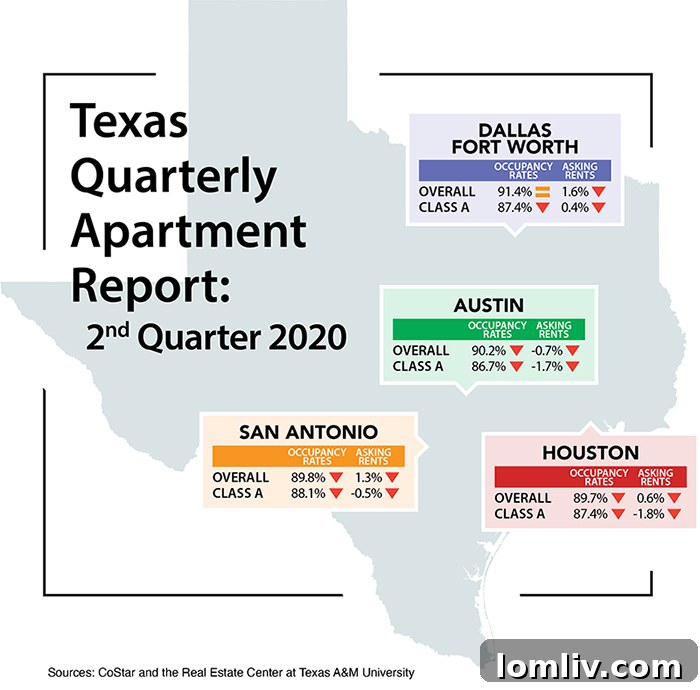
- Dallas-Fort Worth Apartment Market Stability: The Dallas-Fort Worth area continues to lead major Texas metro areas in apartment occupancy rates, maintaining a robust 91.4 percent. This statistic, derived from second-quarter figures released by the Texas A&M University Real Estate Center, underscores the region’s strong rental demand. For the first time since the economic downturn of 2007-2009, the actual vacancy rate of 8.7 percent has slightly surpassed the natural vacancy rate of 8.5 percent. This slight shift could indicate a growing supply or a stabilization in rental demand. Class A apartments, defined as luxury units, recorded 87.4 percent occupancy rates, with a modest 0.4 percent decline in asking rents. This suggests that while the overall rental market remains strong, the high-end segment might be experiencing some adjustments.
- Fort Worth City Council Rejects Apartment Complex Zoning: The Fort Worth City Council recently rejected crucial zoning approval for an 80-unit apartment complex. This proposed development, located near the Linwood neighborhood in the cultural district west of downtown, specifically at the northwest corner of Carroll Street and Azalea Avenue, faced opposition. Saigebrook Development and O-SDA Industries, the developers behind the Azalea West complex, and the Linwood neighborhood residents have been at loggerheads over concerns regarding increased traffic and parking congestion. This decision highlights the ongoing tension between urban development needs, particularly for affordable housing, and existing community concerns about infrastructure and quality of life.
- Significant West Texas Ranch Sale: A sprawling 14,500-acre West Texas ranch, known as The Caloosa Ranch, recently sold for an impressive $13.2 million. Located approximately 200 miles west of Fort Worth in Aspermont, this vast property is renowned for its diverse hunting opportunities, including quail, turkey, whitetail deer, and waterfowl. Whitetail Properties Real Estate facilitated the transaction, though the buyer’s identity remains undisclosed. This high-value sale of a large recreational and agricultural property underscores the continued interest and investment in Texas’s rural and luxury land markets, signaling confidence in the long-term value of such assets.
- Groupon’s “Unworldly” Real Estate Deal: In a lighthearted yet thought-provoking twist, Groupon recently offered a unique real estate deal: one acre of land on Mars for as low as $15. Partnering with Buy Planet Mars, Groupon’s offer includes a deed, a map of the purchased location, and a Mars info eBook. While enticing, the fine print clearly states that the purchase is “for entertainment purposes only.” This novelty offering humorously contrasts with the serious nature of earthly real estate, reminding us that true property ownership involves tangible assets and legal frameworks, far beyond speculative or entertainment-based “investments.” So, aspiring Martian homeowners will have to hold off on finding a builder for their single-family extraterrestrial residence.
- Centennial Anniversary for Texas REALTORS®: Last Thursday marked a significant milestone: the 100th anniversary of Texas REALTORS®. Established a century ago, the organization has played a pivotal role in shaping Texas’s real estate industry. A historical tweet from @TXRealtors commemorated the event, noting that the Texas Real Estate Association headquarters at 500 E. 12th Street in Austin was purchased for $47,000 in 1956. This century of service highlights the enduring importance of real estate professionals and their advocacy in fostering a vibrant and ethical housing market across the state.
2020 is the 100th anniversary of Texas REALTORS®. The Texas Real Estate Association headquarters at 500 E. 12th Street in Austin was built for $47,000 in 1956. #TBT #ShapingTexas pic.twitter.com/Fa26JlxVTG
— Texas REALTORS® (@TXRealtors) August 27, 2020
Conclusion: A Dynamic Outlook for Texas Real Estate
The Dallas-Fort Worth and broader Texas real estate markets are currently experiencing a period of extraordinary growth, driven by a confluence of low interest rates, shifting lifestyle priorities, and resilient consumer demand. Both new and existing home sales have surged, pushing prices upward and reducing market inventory. While this boom offers significant opportunities for sellers and developers, it also presents challenges for buyers, particularly as supply struggles to keep pace with demand.
Experts like Ben Caballero caution that the current pace might not be sustainable indefinitely, primarily due to dwindling builder inventories. However, the underlying economic strength of Texas, coupled with its continued appeal for migration and business relocation, suggests that the market will remain robust, even if the rate of appreciation moderates. The insights from the S&P CoreLogic Case-Shiller Index further affirm the stability and growth in home prices, distinguishing current market dynamics from a potential downturn.
From the leading apartment occupancy rates in DFW to significant land transactions and the ongoing discussions around urban development, Texas real estate remains a vibrant and complex landscape. As the market continues to evolve, stakeholders will need to closely monitor inventory levels, interest rate fluctuations, and economic indicators to navigate what promises to be an exciting, albeit dynamic, future for Texas real estate.