Dive into the Debate: Navigating the Booming Private Pool Rental Market with Swimply
As summer temperatures continue to set records, countless individuals across the nation are seeking that perfect, refreshing escape – a final dip to beat the heat. This surging demand has fueled the rapid growth of innovative platforms, yet it has also sparked significant debate, especially concerning the popular pool-sharing program, Swimply. While many celebrate its convenience and unique offerings, others are raising a cautious hand, questioning its legal and regulatory implications.
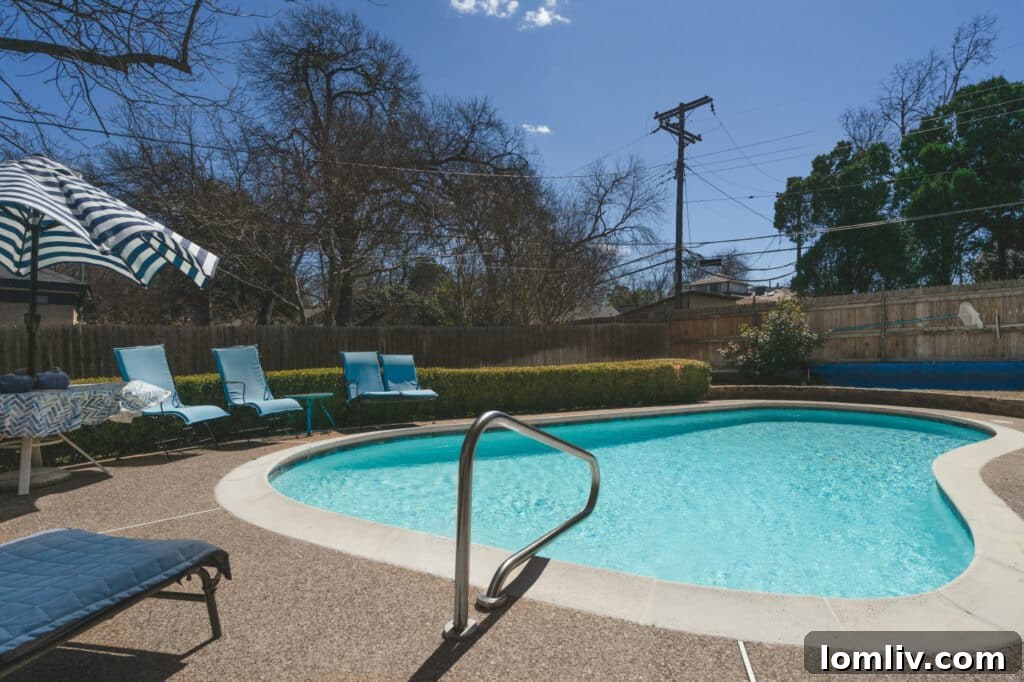
Swimply, often dubbed the “Airbnb for pools,” has emerged as a groundbreaking social platform that allows homeowners to rent out their private swimming pools to guests, either by the day or by the hour. This ingenious model offers a unique solution for those craving a private aquatic experience without the commitment of ownership, and for homeowners looking to monetize their underutilized backyard oases. The platform’s innovative approach has clearly resonated with a broad audience, transforming the way people access and enjoy swimming pools.
The Phenomenon of Pool Sharing: A Win-Win for Many
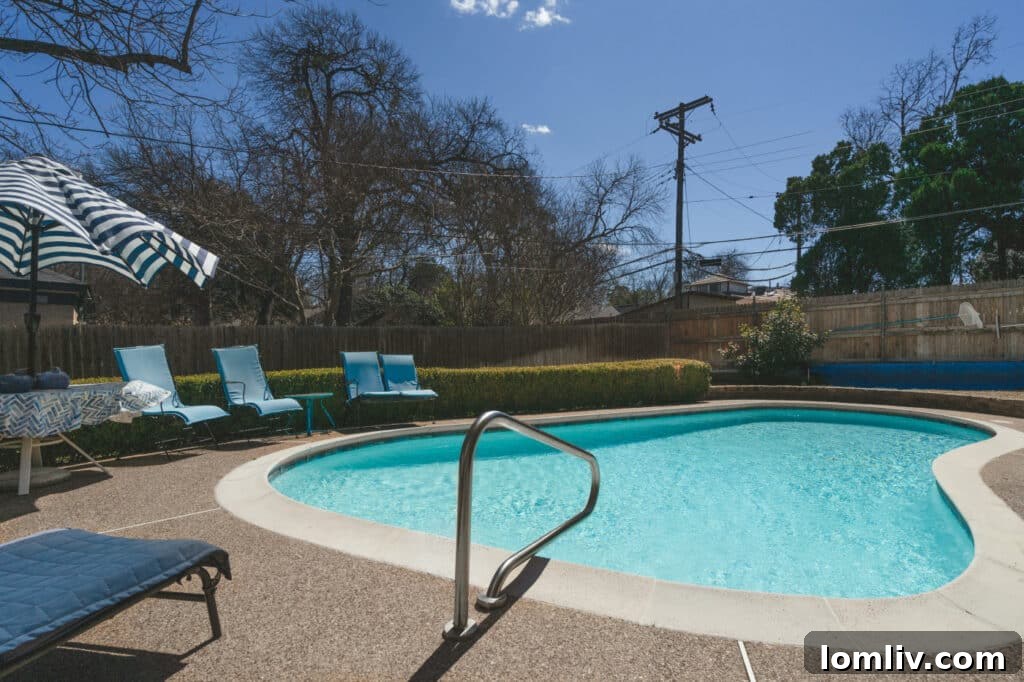
The concept of sharing underutilized assets has gained immense traction in recent years, and Swimply perfectly embodies this trend. For homeowners, it presents an appealing opportunity to generate supplementary income from their private pools, which often represent a significant investment in both cost and maintenance. Instead of sitting idle, these backyard amenities can become vibrant hubs of activity, bringing in revenue and fostering community connections. Hosts can set their own prices, availability, and house rules, offering a flexible income stream that adapts to their lifestyle.
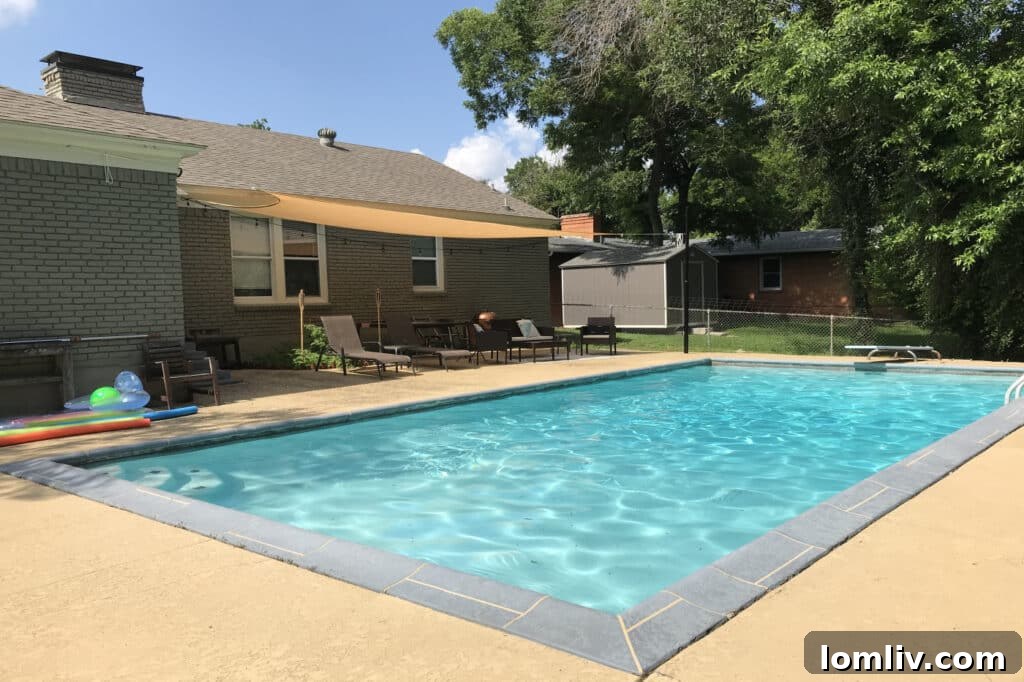
Guests, on the other hand, benefit from unparalleled access to private, often luxurious, swimming experiences. Unlike crowded public pools or expensive resort day passes, Swimply offers a more intimate and personal environment. Whether it’s a family looking for a secluded spot for a birthday party, a couple seeking a romantic afternoon swim, or a group of friends gathering for a relaxed get-together, Swimply provides a diverse range of options. Many hosts go above and beyond, offering extra amenities like Wi-Fi access, clean bathrooms, grills for barbecues, and even snacks, transforming a simple pool rental into a full-fledged private retreat. This level of personalized service and privacy is a significant draw, contributing to the platform’s burgeoning popularity.
In vibrant metropolitan areas like Dallas, Swimply has seen remarkable success. With over 260 pools listed in the Dallas area alone, the platform has cultivated a robust community of users. The numerous five-star reviews are a testament to the positive experiences had by both hosts and guests, highlighting the platform’s effectiveness in connecting people with unique aquatic spaces. From tranquil, family-friendly pools without deep ends to larger venues capable of hosting up to 25 guests, the variety of options available caters to a wide array of preferences and needs, showcasing the dynamic nature of the shared economy in action.

The Regulatory Rip Curl: Palm Springs Sets a Precedent
Despite its widespread appeal, Swimply’s rapid expansion has not been without its challenges, particularly regarding local regulations and zoning laws. The platform, much like other sharing economy services, operates in a grey area that often clashes with established municipal codes designed for traditional commercial businesses or purely residential uses. One of the most significant confrontations recently arose in Palm Springs, California, a city renowned for its resort culture and strict zoning ordinances.
In a move that sent ripples through the pool-sharing community, Palm Springs officials declared Swimply pools operating in residential neighborhoods illegal. According to an August 3 report in the Desert Sun newspaper, city officials cited their zoning code, stating that renting pools is “not listed as an allowable use nor considered to be ancillary or incidental to residential use.” This decision hinges on the argument that monetizing a private backyard pool, even for short durations, transforms a residential property into a commercial establishment. This fundamental reclassification raises a host of concerns for city planners, including potential increases in noise, traffic, parking issues, and overall strain on residential infrastructure and neighborhood character.
The Palm Springs ruling highlights a critical dilemma faced by cities across the country: how to integrate innovative sharing economy models into existing regulatory frameworks. The debate mirrors earlier discussions surrounding short-term rental platforms like Airbnb and Vrbo, where cities grappled with balancing homeowner property rights and income opportunities against the preservation of residential community characteristics and housing affordability. For Swimply, the core issue revolves around whether a private pool, when rented out, maintains its private status or crosses the line into commercial operation, thus requiring commercial permits, inspections, and adherence to specific business zoning regulations.
Will Dallas Dive In? Examining Local Regulations and the Future
The legal challenges faced by Swimply in Palm Springs naturally beg the question: what will be the fate of pool-sharing platforms in other major cities, particularly those where the service is thriving, such as Dallas? The Dallas City Council and its Zoning Ordinance Advisory Committee have recently engaged in extensive discussions concerning short-term rental properties, signaling a proactive approach to regulating the sharing economy within its jurisdiction. However, specific discussions directly addressing pool-sharing platforms like Swimply have not yet taken center stage.
Dallas city code outlines clear regulations and inspection requirements for various types of commercial pools, including those found in health clubs, hotels/motels, and institutional facilities. Private backyard pools, while requiring a permit for construction, generally operate under a different set of rules, with homeowners largely free to decide who can use their personal swimming facilities. This distinction is crucial: is a Swimply pool considered a private amenity shared by choice, or does the transaction of rental fees transform it into a commercial venture subject to more stringent oversight?
Swimply maintains that it operates well within existing legal boundaries, viewing itself as a technology platform connecting individuals rather than a pool operator. The company is even looking beyond pools, signaling an ambitious expansion plan. A new feature advertised on their site indicates that soon, users will be able to list and rent an even broader array of private amenities. “From sport courts and large backyards to home gyms and music studios, we’re going beyond pools in order to place the awesome spaces of the world at your fingertips,” the site declares. This strategic move suggests Swimply’s long-term vision to become a comprehensive platform for sharing private spaces, further complicating potential regulatory efforts if cities decide to intervene.
Guests utilizing Swimply already benefit from a highly customizable search experience. The platform allows users to filter pool searches not just by location, but also by an extensive list of amenities. These include heated pools, availability of grills, hot tubs, fire pits, pet-friendly options, water slides, on-site restrooms, and ADA-friendly access. Users can also specify preferences for indoor or outdoor pools, and even saltwater or chlorine systems. Notably, diving boards are not listed as a filter option, which might reflect safety considerations or simply user demand. This detailed filtering capability enhances the user experience, allowing guests to find the perfect private oasis tailored to their specific needs and desires.
Ensuring Safety and Trust: Swimply’s Proactive Measures
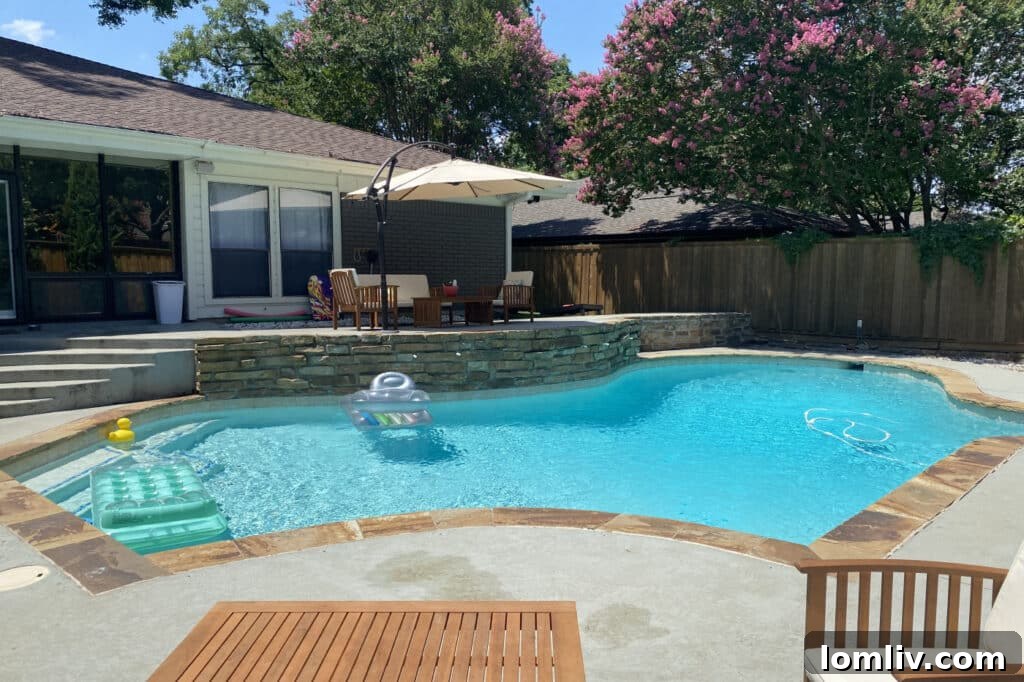
Beyond regulatory skirmishes, safety and liability are paramount concerns for any platform facilitating private rentals. Swimply has taken proactive steps to address these critical issues, aiming to instill confidence in both its hosts and guests. All Swimply hosts in the U.S. are covered by a comprehensive $1 million liability insurance policy, providing a significant safety net in the event of unforeseen accidents or injuries. Additionally, the platform offers $100,000 of property protection coverage, safeguarding hosts against potential damage to their property during a rental period. These insurance provisions are crucial for mitigating risks and providing peace of mind in a market that involves private property and public use.
Furthermore, Swimply mandates certain safety standards for its hosts. For instance, hosts are generally required to ensure their pools are inspected and maintained, including proper levels of chlorine or other sanitizers, to guarantee a safe and hygienic swimming environment for guests. While the extent of these inspections may vary by location and host responsibility, the emphasis on basic maintenance standards is a vital component of the platform’s commitment to user safety. These measures are designed to address common safety concerns, from water quality to potential drowning risks, and to differentiate Swimply from unregulated private transactions.
The Legal Tussle: Wisconsin’s Experience and Swimply’s Resilience
The clash with Palm Springs isn’t Swimply’s first encounter with state and local authorities. Last year, officials in Wisconsin attempted to regulate Swimply hosts, alleging they were operating illegally and should be required to obtain the same licenses and permits as operators of large public pools. This move mirrored the commercial reclassification argument seen in Palm Springs. However, Swimply demonstrated its resilience and legal acumen by threatening to sue the state, arguing against what it perceived as overreaching and mischaracterization of its service. Faced with potential protracted legal battles, Wisconsin officials ultimately backed down, allowing Swimply to continue operating largely unimpeded.
This incident in Wisconsin set an important precedent, illustrating Swimply’s willingness to vigorously defend its business model and its hosts against what it considers undue regulatory burdens. It underscored the platform’s argument that it is not a direct operator of pools, but rather a digital marketplace. This distinction is central to the ongoing legal debate surrounding the sharing economy: are these platforms merely facilitators, or do they bear the full regulatory responsibilities of the services they connect?
The Broader Implications and Future Outlook
Launched in 2018, Swimply initially faced hurdles, including the challenging landscape of the COVID-19 pandemic. However, its fortunes dramatically shifted after a pivotal appearance on the entrepreneurial television series Shark Tank in 2020. This exposure propelled the platform to new heights, with revenues reportedly increasing by an astonishing 4,000 percent. Swimply sustains its operations and growth by taking a 15 percent commission from the rental fees, a standard business model for many sharing economy platforms.
The ongoing discussions surrounding Swimply and similar platforms highlight a broader societal and economic shift: the increasing desire for personalized experiences and the monetization of private assets. As technology continues to facilitate these connections, cities and regulatory bodies face the complex task of adapting outdated laws to modern innovations. The balance lies in fostering entrepreneurial growth and consumer choice while safeguarding community standards, public safety, and fair competition. The future of private pool sharing, and indeed the entire sharing economy, will depend on creative solutions that satisfy both the innovative spirit of these platforms and the legitimate concerns of local governments and residents alike.