Navigating Post-Storm Recovery: Protecting Your Home and Finances from Contractor Scams
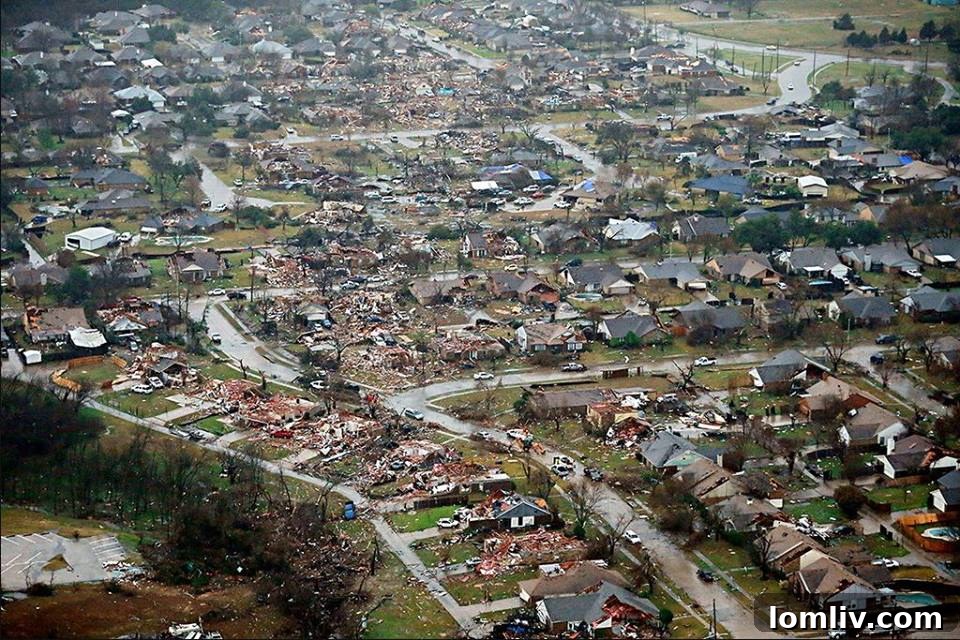
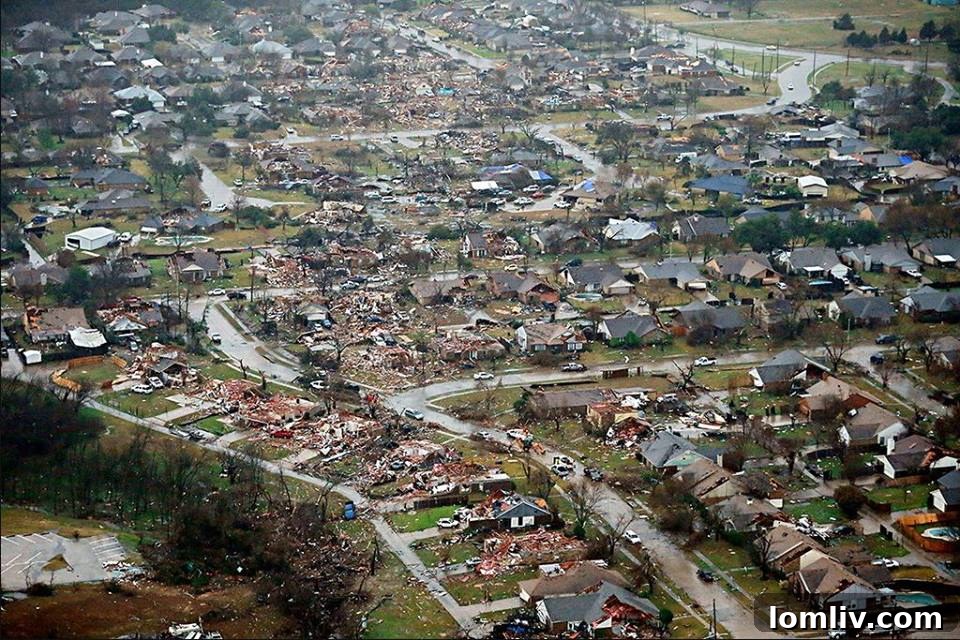
Editor’s Note: Following significant weather events, such as the recent severe storms that have impacted many in North Texas, including our own Daltxrealestate.com staff, we are re-sharing vital information. Our aim is to equip homeowners with the knowledge to safeguard themselves against common scams and fraudulent schemes that unfortunately emerge in the aftermath of natural disasters. The advice below, originally issued by the Dallas Builders Association, remains as crucial today as it ever was.
The devastation left by severe storms can be overwhelming. When hundreds, even thousands, of homes in communities like Rowlett face extensive damage requiring urgent repairs, a new kind of threat often emerges: unscrupulous contractors. These “fly-by-night” operators prey on the vulnerability and desperation of storm victims, adding financial fraud to the already heavy burden imposed by Mother Nature. Protecting yourself and your property from these predatory practices is paramount to a successful and stress-free recovery.
The good news is that reputable organizations and resources are available to guide homeowners through the repair and rebuilding process. The Dallas Builders Association (DBA), for instance, consistently provides invaluable tips and guidelines to ensure that homeowners partner with contractors who deliver not only quality service but also operate with unwavering integrity. Here at Daltxrealestate.com, we also take pride in our curated list of Daltxrealestate.com Hot Builders—preferred home builders whom we rigorously vet, personally know, and implicitly trust. These are the professionals we would confidently recommend for any building or restoration project, large or small. We are committed to staying informed and are always here to offer support, answer questions, and provide suggestions as our community rebuilds.
Immediate Guidance: Avoiding Contractor Fraud After Disasters
(Originally issued by the Dallas Builders Association following severe North Texas storms)
In the wake of devastating severe weather, ensuring the safety and security of your home and finances becomes a top priority. Unfortunately, disaster zones often attract individuals and companies looking to exploit homeowners during their most vulnerable moments. The Dallas Builders Association (DBA) has historically stepped up to offer critical guidance aimed at preventing storm victims from incurring further damage and losses from fraudulent and unscrupulous contractors.
“Losses due to fraud are one of the untold costs associated with disasters,” states Phil Crone, Dallas BA Executive Officer. “It is only a matter of time before fly-by-night contractors make their way here from out of state, or even from within the state, seeking to capitalize on the tragedy. Fortunately, there are many protections in place for consumers, but homeowners must be vigilant and informed.”
These “fly-by-night” contractors often appear in affected communities almost immediately after a disaster strikes. Their modus operandi typically involves preying on the urgency of the situation, promising inexpensive and quick repair work, only to swindle homeowners out of their precious and limited resources. They may perform shoddy work, charge exorbitant fees, or even take an upfront payment and disappear entirely. The Dallas BA strongly urges all storm victims to be acutely aware of and beware of contractors who exhibit any of the following concerning behaviors:
- Refuse to Provide a Written Contract: If a contractor tells you that a contract on a job “will not be necessary,” consider this a monumental red flag. A detailed, written contract is your primary legal protection. It should clearly outline the scope of work, materials to be used, project timeline, payment schedule, warranty information, and dispute resolution clauses. Without it, you have little recourse if problems arise.
- Demand Full Payment Upfront or Cash to a Salesperson: Be extremely wary if a contractor asks for payment for the entire job upfront, or insists on cash payments made directly to a salesperson rather than a check or money order made out to the registered company. Reputable contractors typically require a reasonable down payment (often 10-30%) and then phased payments tied to project milestones. Full upfront payment leaves you with no leverage if the work is not completed or is subpar. Cash payments are difficult to trace and can facilitate fraud.
- Utilize Intimidation, Scare Tactics, or Threats: Any contractor who employs high-pressure sales tactics, attempts to intimidate you into making a quick decision, or uses threats (e.g., “the damage will get worse if you don’t sign today,” “your insurance won’t cover it if you wait”) is likely not someone you want to do business with. Take your time, get multiple estimates, and never feel forced into a decision.
- Offer a “Special Low Price” Valid for a Limited Time Only: This is a classic scammer tactic designed to prevent you from getting other bids or thinking clearly. A legitimate contractor will provide a fair estimate and allow you reasonable time to review it and compare it with other offers without artificial deadlines.
- Fail to Provide Verifiable References: If a contractor will not provide references from previous clients, or if the references they provide cannot be located or seem suspicious, proceed with extreme caution. Always ask for at least three recent references and take the time to call them and inquire about their experience with the contractor, the quality of work, adherence to deadlines, and communication.
- Provide an Unverifiable Business Address: A legitimate business will have a verifiable physical address. Be suspicious of contractors who operate solely out of a P.O. Box, a cell phone, or who cannot provide a stable business location. A quick online search or check with the local Better Business Bureau can help verify their physical presence.
Comprehensive Steps for a Safe Post-Storm Recovery and Contractor Selection
Beyond identifying red flags, proactive steps are essential to secure a safe and effective recovery for your home. North Texans looking for more information to help them get on the road to recovery and rebuilding should always prioritize due diligence. Here’s an expanded guide on how to choose a reputable contractor and protect yourself:
1. Verify Licensing and Insurance
Always ask for proof of license (if required in your area for the specific trade), general liability insurance, and worker’s compensation insurance. A reputable contractor will carry these.
- General Liability Insurance: Protects you from claims of property damage or bodily injury caused by the contractor or their crew.
- Worker’s Compensation Insurance: Covers injuries sustained by the contractor’s employees on your property, preventing you from being liable.
- Bonding: Some contractors are bonded, which provides a layer of financial protection for the homeowner if the contractor fails to complete the job or meet contractual obligations.
2. Get Multiple Written Estimates
Contact at least three different contractors for detailed, written estimates. This allows you to compare not just prices, but also the scope of work, materials, and proposed timelines. Be wary of estimates that are significantly lower or higher than others, as they might indicate cutting corners or overcharging.
3. Check References and Online Reviews
In addition to personal references, check online reviews on platforms like the Better Business Bureau (BBB), Google, Yelp, and local community forums. Look for consistent positive feedback and how the contractor addresses any negative reviews.
4. Demand a Detailed Written Contract
As mentioned, this is non-negotiable. The contract should include:
- Contractor’s name, address, phone number, and license number.
- Your name and the property address.
- A clear, detailed description of the work to be performed.
- A list of materials to be used, including specific brands and colors.
- The total cost of the project.
- A payment schedule with clearly defined milestones.
- Start and completion dates.
- Warranty information for materials and labor.
- A clause for dispute resolution.
- Proof of insurance and bonding.
- Permit responsibilities (who will pull them).
- A cancellation clause.
5. Understand Payment Schedules
Never pay for the entire job upfront. A reasonable payment structure typically includes a down payment (10-30%), followed by incremental payments tied to the completion of specific stages of the project. The final payment should only be made after all work is completed to your satisfaction and all necessary inspections have passed.
6. Don’t Pay in Cash
Always pay by check, credit card, or money order. These methods provide a verifiable record of your payments, which is crucial if any disputes arise.
7. Verify Permits
Ensure that the contractor obtains all necessary permits from your local municipality before work begins. This is not only a legal requirement but also ensures that the work will be inspected and adhere to local building codes, protecting the long-term integrity and safety of your home. Never let a contractor pressure you into pulling the permits yourself.
8. Trust Your Instincts
If something feels off, it probably is. If a contractor makes you uncomfortable, rushes you, or seems unwilling to answer questions thoroughly, move on to another option. Your peace of mind is invaluable during this stressful time.
Valuable Resources for Homeowners
For additional in-depth information and resources to aid in your post-storm recovery and rebuilding efforts, we highly recommend visiting DallasBuilders.com. Their website features a special section specifically designed for homeowners seeking to select a contractor, including:
- Detailed checklists of questions to ask prospective contractors.
- Information on relevant Texas legislation that protects homeowners.
- A search link to locate residential construction professionals who are members of the Dallas Builders Association, indicating a commitment to industry standards and ethics.
Beyond the DBA, consider reaching out to your insurance company, as they often have lists of preferred contractors. The Better Business Bureau (BBB) is another excellent resource for checking a contractor’s reputation and complaint history. Your local city or county government’s permitting or consumer affairs department can also offer guidance and verify licenses.
About the Dallas Builders Association
The Home Builders Association of Greater Dallas, chartered in 1944, stands as a prominent trade association representing all segments of the residential building industry across the Dallas Metropolitan area. Its enduring mission is to champion the ability of its members to provide safe, affordable, and high-quality housing to the citizens of local communities. By setting high standards and offering crucial guidance, the Dallas Builders Association plays a vital role in fostering trust and excellence within the construction industry, particularly during critical times of recovery and rebuilding.
Rebuilding after a storm is a challenging journey, but by staying informed, exercising caution, and utilizing trusted resources, homeowners can navigate this process successfully and protect themselves from further victimization. Prioritize vigilance, ask the right questions, and partner with professionals who genuinely care about your home and your community.