Dallas City Council District 7 Runoff: A Deep Dive into a Pivotal Election
The recent Dallas municipal election brought forth several compelling narratives, but few were as striking as the outcome in Dallas City Council District 7. The incumbent, Kevin Felder, failed to secure a second term, finishing a distant fourth in a crowded field of hopefuls. This significant shift paved the way for a crucial runoff election, featuring two well-known figures vying for the district’s representation: Tiffinni Young and Adam Bazaldua.
District 7 is no stranger to political contention, and its upcoming runoff on June 8th promises to be a closely watched contest. Voters in this diverse district are presented with a clear choice between a former council member with prior experience and a dedicated community activist and educator deeply rooted in local issues.
The Contenders: Experience vs. Community Roots
Tiffinni Young: A Return to the Horseshoe?
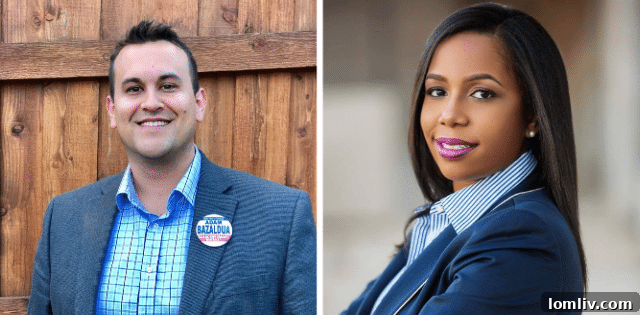
Tiffinni Young is a familiar face to District 7 constituents, having previously served on the Dallas City Council. Elected in 2015, Young gained firsthand experience navigating the complexities of city governance, policymaking, and constituent services. Her tenure saw her engage with various community initiatives and municipal challenges, shaping her understanding of the district’s needs. However, her re-election bid in 2017 ended in a runoff loss on June 10, 2017, meaning this current race marks an attempt to reclaim her seat. Her supporters often highlight her prior experience as a significant asset, arguing that her past time “on the horseshoe” (a common colloquialism for the council chambers) provides her with an immediate advantage in understanding the council’s operations and the city’s intricate budget processes.
Adam Bazaldua: The Advocate from Within
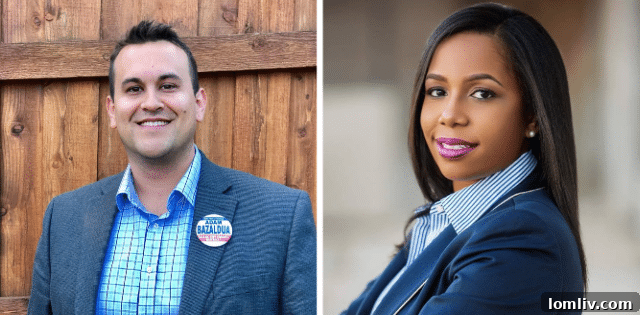
Challenging Young is Adam Bazaldua, a high school teacher whose deep involvement in the community has made him a recognizable and respected figure within District 7. Bazaldua’s roots in education and his active participation in various community groups and task forces have positioned him as a strong advocate for residents. His campaign emphasizes a grassroots approach, highlighting his direct engagement with everyday struggles and his commitment to bringing a fresh perspective to city hall. As an educator, he often brings a unique lens to policy discussions, focusing on the long-term impact on families, youth, and the broader social fabric of the district.
Election Night Results and the Path to Runoff
The initial election results underscored the tight competition for the District 7 seat. Adam Bazaldua emerged with 23 percent of the vote, closely followed by Tiffinni Young, who garnered 22.17 percent. The narrow margin between the two candidates set the stage for an intense runoff campaign, requiring both to redouble their efforts to secure a majority.
This situation was not unique to District 7. Across Dallas, the municipal elections saw a total of six races—five city council seats and one Dallas ISD school board race—where no single candidate achieved the 50 percent threshold required for an outright victory. This phenomenon effectively extended the election season, leading to a series of runoff elections scheduled for Saturday, June 8th. Runoff elections are critical in ensuring that elected officials have a clear mandate from the majority of voters, though they often see lower turnout, making every vote even more impactful.
Voter Engagement and Candidate Transparency: A Key Differentiator
In an effort to provide voters with comprehensive insights into each candidate’s platform and policy positions, our publication solicited questions from readers and constituents across the affected districts. These questions were meticulously crafted into a detailed questionnaire, designed to elicit specific and actionable responses from all candidates.
Regrettably, for the District 7 race, only Adam Bazaldua returned his completed questionnaire. Despite multiple attempts to reach Tiffinni Young’s campaign via email and social media platforms, we received no response. This disparity in engagement with voter-driven inquiries highlights a potential difference in approach to transparency and direct communication with the electorate, providing voters with more detailed information from one candidate over the other. Bazaldua’s willingness to openly address these questions offers a valuable window into his priorities and proposed solutions for District 7.
Below, we present Adam Bazaldua’s responses in full, offering key highlights of his vision for the district and the city.
Adam Bazaldua’s Vision for Dallas City Council District 7
Understanding District 7: Strengths and Struggles
When asked to describe his district, Adam Bazaldua highlighted its rich tapestry of human experience. “District 7 is comprised of vast diversity in not only racial demographic, but in socio-economics as well,” he articulated. This diversity, he notes, spans geographically from the historic community of Joppa up to the vibrant areas of South Dallas/Fair Park, extending from South Cedars to the Mesquite City Line, and also encompassing areas north of I-30 between Ferguson, Buckner, and south of Oates. This wide geographical and demographic spread makes District 7 a microcosm of Dallas’s broader challenges and opportunities.
Bazaldua firmly believes that the greatest strength of District 7 lies precisely in this diversity and the profound “sense of community throughout the district.” This inherent community spirit, he suggests, is a powerful asset that can be leveraged to address pressing issues. However, he was equally candid about the significant hurdles facing residents. “The biggest struggles in our district are the many quality of life issues that directly affect the constituents,” he stated. These critical issues include challenges in community engagement, a pressing need for affordable housing, the pervasive problem of homelessness, persistent concerns over crime rates, and the critical demand for adequate city services across all parts of the district. Addressing these multifaceted problems effectively will require a holistic and well-coordinated strategy.
Prioritizing Community Engagement: Building a Stronger District
When pressed to select one of these struggles and elaborate on his approach, Bazaldua chose community engagement, underscoring its foundational role in fostering a healthier, more vibrant district. He believes that strong community engagement is not merely about participation, but about creating tangible improvements that foster pride and ownership among residents. “There are many beautification projects that can be initiated by our leadership to promote community engagement and help the overall morale and aesthetics of our communities,” he explained.
His proposed solutions are concrete and innovative. Bazaldua plans to implement various street art projects, transforming public spaces into canvases that reflect the district’s culture and identity. Furthermore, he intends to launch an “adopt the street” program, initially piloting it in District 7 with the long-term vision of expanding it city-wide. This program would empower local residents and businesses to take responsibility for maintaining and beautifying their immediate surroundings, fostering a greater sense of collective responsibility. Additionally, he proposes expanding tree planting and landscaping programs, collaborating directly with Dallas Independent School District (DISD) schools within the district. This initiative would not only enhance green spaces but also provide educational opportunities for students, connecting them directly to environmental stewardship and community improvement efforts. These projects aim to visibly improve the district while simultaneously strengthening neighborhood bonds.
Addressing Dallas Police Department (DPD) Shortages and Pay Issues
The challenges facing the Dallas Police Department, particularly concerning officer shortages and competitive pay, are city-wide concerns that deeply impact public safety in District 7. Bazaldua did not mince words when addressing this critical issue. “If we want the best police force in Texas, which we do, their salary should reflect that,” he asserted. He emphasizes that Dallas needs to compete effectively with other major Texas cities that often offer more attractive compensation packages to law enforcement professionals. Achieving salary parity is, in his view, the essential first step to successfully recruiting and retaining the highly skilled and dedicated officers necessary to serve the city effectively.
Funding Solutions for DPD Salary Increases
Understanding that increasing DPD’s starting salaries requires careful fiscal planning, Bazaldua was asked where such significant funding would originate. His response points to a strategic re-evaluation of existing resources. “The city’s budget already allocates 60% of funds to public safety,” he noted. Instead of seeking new revenue streams, his approach would involve a critical “audit and repurpose” of these existing allocations. This means meticulously examining how the current 60% is spent, identifying inefficiencies, outdated programs, or areas where funds could be more strategically redirected to reflect the city’s most urgent public safety priorities, namely officer compensation and recruitment initiatives.
Innovative Strategies for Officer Retention and Recruitment
Beyond initial recruitment and competitive pay, retaining trained officers is a significant challenge for DPD, especially after taxpayers have invested heavily in their training. Bazaldua’s solution is both innovative and community-centric. He believes the problem is two-fold: not just retention, but also robust recruitment.
His groundbreaking proposal suggests a comprehensive training program that begins within DISD. “Speaking as a teacher, I know we have the resources in DISD to provide the college hours students need, the certifications, and even soft tactical training to set interested students on a career path to DPD,” he explained. This initiative would create a pipeline for local talent, offering students a clear and supported pathway into law enforcement careers directly out of high school or college, while still in the Dallas public school system. The benefits of this approach are manifold: it would address both recruitment and retention challenges by fostering a sense of loyalty and local investment. Moreover, Bazaldua highlights its potential to build “bridges between youth and police” and cultivate a “community policing mindset” where “Dallasites would be policing Dallasites.” This homegrown approach could lead to a police force that deeply understands and is intrinsically connected to the communities it serves, fostering greater trust and collaboration.
Re-evaluating the VisitDallas Contract: Ensuring Accountability
The controversy surrounding the city’s contract with VisitDallas, the organization responsible for promoting Dallas as a tourist and convention destination, has been a significant point of contention. The question posed to Bazaldua was whether Dallas should open the duties of promoting the city to an Request for Proposal (RFP) process instead of simply renewing the VisitDallas contract in 2020. His stance on this is unequivocally in favor of greater accountability and transparency.
“Any time tax dollars are misused or unaccounted for, we need to immediately reevaluate,” Bazaldua asserted. He pointed to specific concerns about the lack of return on investment from the current contract. In light of these issues, he stated, “I am fully in favor of terminating the contract with VisitDallas and putting it out for a competitive, fair bidding process.” This position aligns with a broader call for rigorous oversight of how public funds are utilized, ensuring that taxpayer money yields demonstrable benefits for the city. A competitive bidding process, he argues, would not only ensure fairness but also potentially attract more effective and cost-efficient strategies for city promotion.
Restoring Public Trust: A Commitment to Integrity
District 7 has unfortunately faced challenges regarding public trust, particularly in light of past federal charges levied against a former representative, Carolyn Davis, who pleaded guilty to federal bribery charges after being term-limited out in 2016. Bazaldua was directly asked how he would prove to the district that its representation can be trusted.
His response was personal and heartfelt, emphasizing the core values that guide his life. “My most prized role is husband and father,” he shared. He elaborated on how this foundational identity shapes his public conduct: “Ultimately, with any of my actions, I want to behave in a way that shows integrity, one that sets the right example for my kids.” This statement underscores his commitment to ethical leadership and transparency, aiming to restore confidence by demonstrating consistent moral character and an unwavering dedication to serving the community with honesty and accountability. For Bazaldua, public service is an extension of his personal commitment to integrity and setting a positive example.
Your Voice Matters: Runoff Election Day Details
The runoff elections for Dallas City Council Districts 9, 4 (both city and Dallas ISD), 7, 14, and the Mayoral election are scheduled for **Saturday, June 8, from 7 a.m. to 7 p.m.** Your participation in these crucial elections is vital for shaping the future of Dallas. Even if you did not cast a ballot in the general election, you are still eligible to vote in the runoff, provided you are a currently registered voter.
To find your polling location and access more essential voting information, please click here.
City Council D7 Adam Bazaldua by Bethany Erickson on Scribd