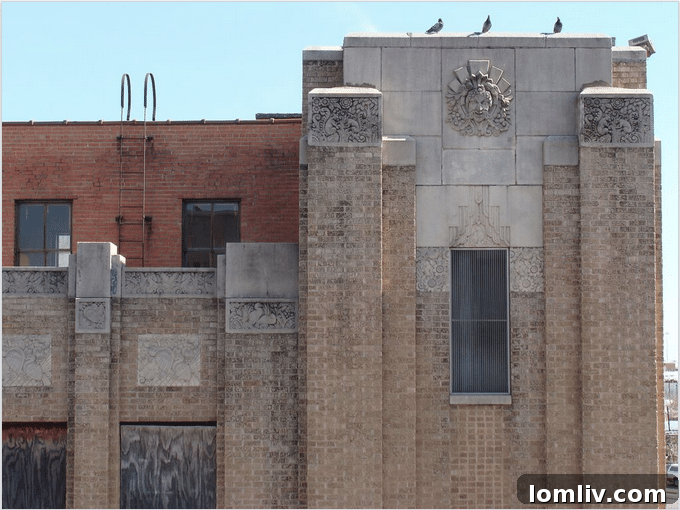
508 Park: A Dallas Icon Reborn – Preserving Music History and Art Deco Grandeur at Encore Park
In the heart of downtown Dallas, a remarkable transformation has unfolded, breathing new life into a building once nearly lost to time. The venerable 508 Park, an Art Deco masterpiece and a silent witness to pivotal moments in American music history, has been meticulously restored to its former glory. This architectural gem, now the vibrant center of the multi-faceted Encore Park campus, is no longer just a building; it’s a testament to preservation, community, and the enduring power of culture.
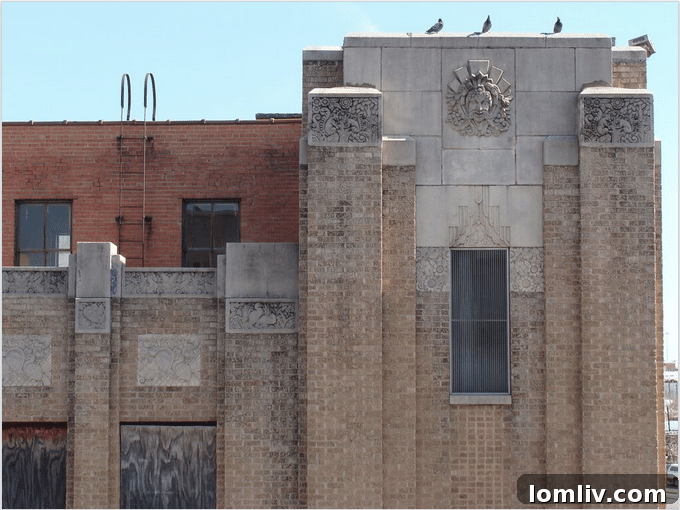
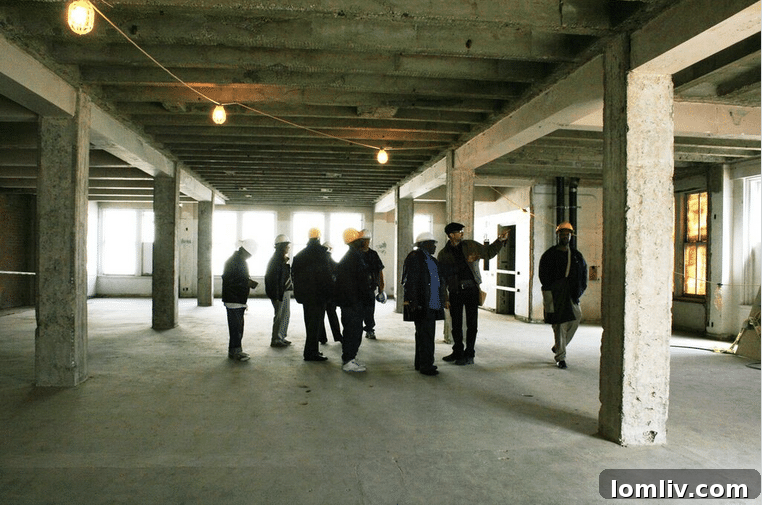
For two long decades, the tan brick edifice near Park and Young streets in downtown Dallas languished in obscurity, its windows boarded up, sidewalks strewn with debris, and walls marred by graffiti. An unassuming bystander might have dismissed it as just another forgotten structure, yet beneath the layers of neglect lay a rich tapestry of intersecting histories, eagerly awaiting rediscovery.
The Legendary Echoes of 508 Park: A Cradle of American Music
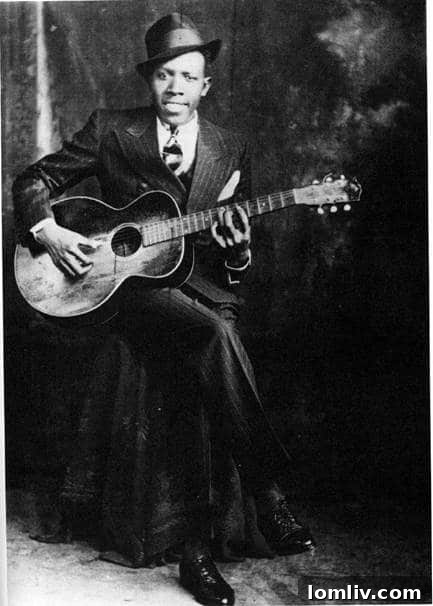
This architecturally significant Art Deco building, known simply as 508 Park, was once a pulsating nerve center of the local music scene. Its hallowed halls witnessed the creation of musical legends. Most notably, in 1937, Mississippi Delta blues icon Robert Johnson recorded nearly half of his entire body of work here, including his final, seminal recordings. These sessions cemented 508 Park’s place in the pantheon of American music history.
But Johnson was far from the only legend to grace its studios. Over 800 blues, jazz, western swing, and Mexican recordings were produced at 508 Park during its heyday in the 1930s. Musical titans like Gene Autry, Bob Wills and the Texas Playboys, the Light Crust Doughboys, and Lolo Cavasos all captured their artistry within these walls, shaping the sounds that defined an era and continue to influence musicians today. The building became a vibrant melting pot of diverse musical genres, reflecting the rich cultural landscape of Texas and the nation.
Encore Park: A Visionary Cultural and Community Hub
The turning point for 508 Park arrived in 2011 when The Stewpot, an outreach ministry of First Presbyterian Church located directly across the street, acquired the property. This acquisition marked the beginning of an extraordinary journey, propelled by the tireless efforts of The Stewpot, dedicated preservationists, insightful historians, skilled architects, and passionate volunteers. Thanks to their collective vision and unwavering commitment, this architecturally significant structure is once again “singing,” not just with music, but with the vibrancy of a revitalized community.
The sprawling campus, now officially known as Encore Park, represents a multi-phased, multi-venue initiative. Its ambitious goal is to create an inclusive space where diverse cultures converge to experience and appreciate history, art, music, and community gardening. Encore Park embodies a philosophy that intertwines cultural heritage with social impact, leveraging the past to build a stronger, more connected future for downtown Dallas.
At the helm of Encore Park Dallas is Executive Director Pat Bywaters, grandson of the influential Texas artist and “Dallas Nine” member, Jerry Bywaters. Pat has been instrumental in spearheading the exhaustive research into 508 Park’s rich history, meticulously tracing its past through archives spanning California, Louisiana, and New York.
“I love doing research, and I’ve always loved history,” Bywaters shares. “As soon as we looked into 508, the music history came flooding. The Encore Park project preserves not only an architectural relic but a special place and time in Dallas’ history.” His passion for historical accuracy and cultural preservation has been a driving force behind the project’s success, ensuring that every restoration decision honors the building’s storied past.
From Warner Bros. Film Exchange to Musical Hotspot: A Unique History
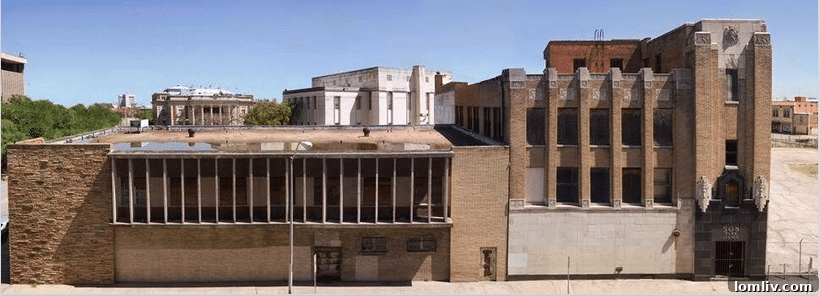
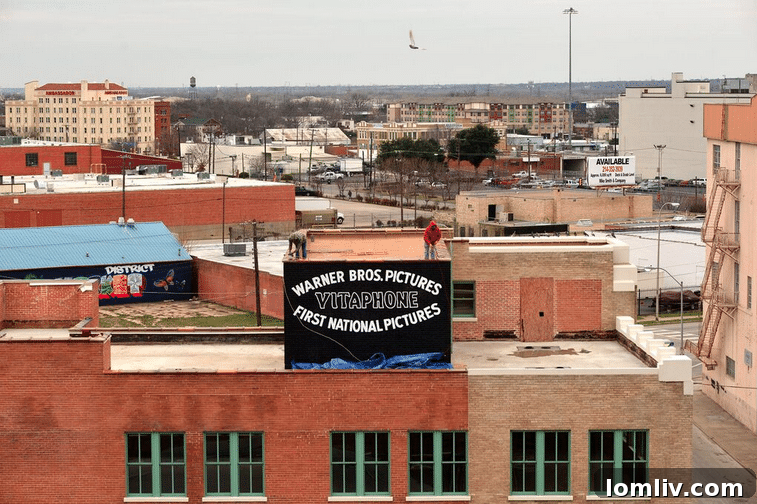
The story of 508 Park begins in 1929 when it was constructed by Warner Brothers as a vital film exchange and distribution hub. In the early 1930s, even as Warner Bros. was revolutionizing cinema by adding sound to their films within these very walls, local music scouts were actively seeking out new talent. It was on the building’s third floor that many of the iconic blues, jazz, and western swing records of the era were made, creating a unique dual identity for the structure – a place where both cinematic and musical revolutions unfolded concurrently.
Following its illustrious period as a recording studio and film exchange, the building transitioned into a liquor distribution warehouse, its glory days seemingly behind it. It then sat abandoned for two decades, a silent monument to its past. However, a peculiar aspect of its original construction inadvertently contributed to its preservation. As a storage facility for highly flammable cellulose nitrate film reels—a film base that is also an explosive—508 Park required special construction methods. It was built with minimal timber, employing sturdy, fire-resistant materials that ultimately protected it from decay and extensive structural damage during its abandonment.
“The building was a mess more than a wreck—it was built very sturdy and there was not a lot of rot,” Bywaters explains, highlighting the fortuitous engineering foresight. “We’ve done a 95 percent restoration of the exterior, not changing anything, but bringing it back to its 1930s condition.” This commitment to historical authenticity meant not merely renovating, but meticulously recreating its original appearance, ensuring its Art Deco charm shines once more.
Meticulous Restoration: Bringing Back the 1930s Splendor
The exterior restoration of 508 Park involved a comprehensive array of work, including the installation of a new roof, extensive masonry repairs, meticulous cleaning and polishing of the marble elements, and the application of a specialized mineral coating to the cast stone on the facade. Future phases of development will also include the restoration of the building’s original Art Deco elevator, a challenging but rewarding endeavor. Even lost details were recreated; large sconces that once flanked the front door, having vanished over the years, were painstakingly recreated by Potter Art Metal, commissioned specifically for The Stewpot’s 40th anniversary celebration.
The interior restoration has been equally deliberate, involving a careful demolition process to remove anything added since 1960s (the last interior renovation having taken place in 1963). The guiding principle, as Bywaters articulates, was to “preserve evidence of what had gone on in the building in its past.” This meant not erasing history, but carefully uncovering and highlighting it.
An exemplary instance of this painstaking commitment to historic accuracy involved the faded paint on the windowsills, which was no longer identifiable. Enter art conservator Michael van Enter, of van Enter Studio, who conducted a microscopic paint analysis. This forensic investigation revealed that the newel posts, balusters, and many of the walls, columns, interior windows, and doors were originally painted a specific shade called “Burma Jade.” Today, visitors can witness these sills repainted in that exact, historically accurate color, a testament to the dedication to authenticity that defines the entire project.
Encore Park’s Grand Debut and Future Phases: Art, Culture, and Community Outreach
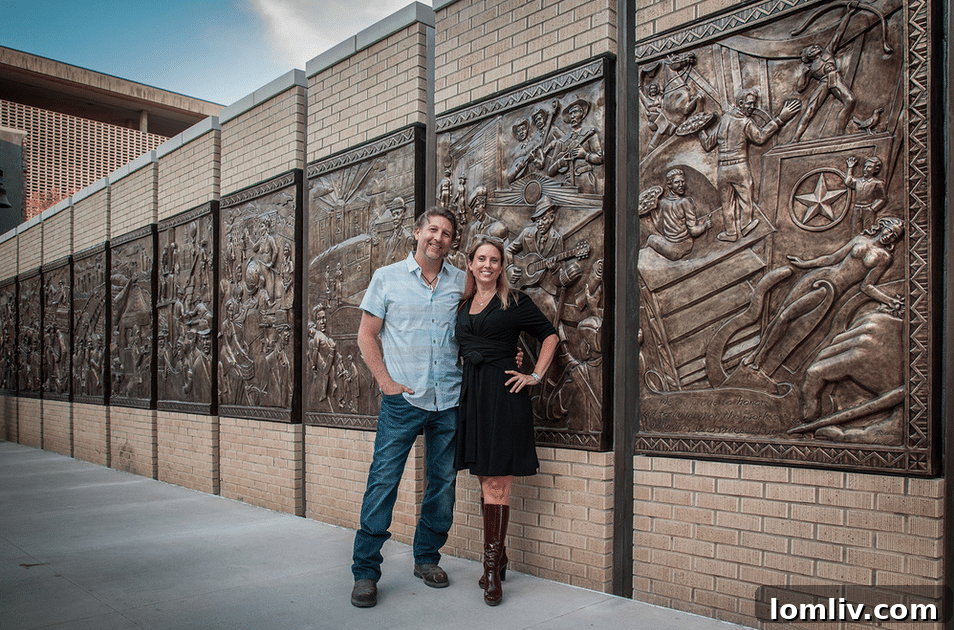
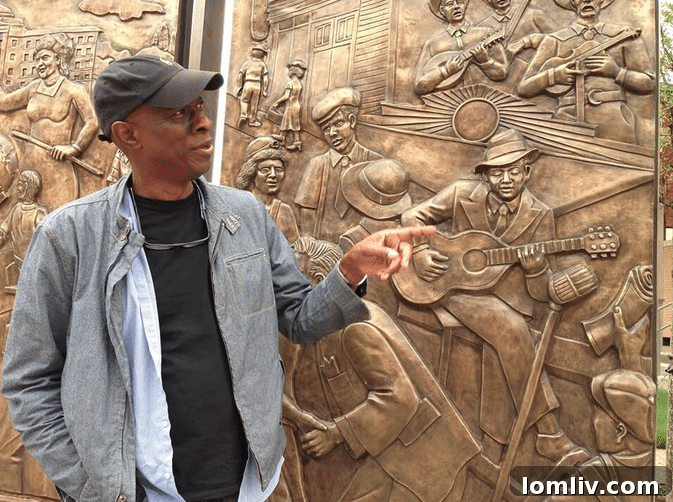
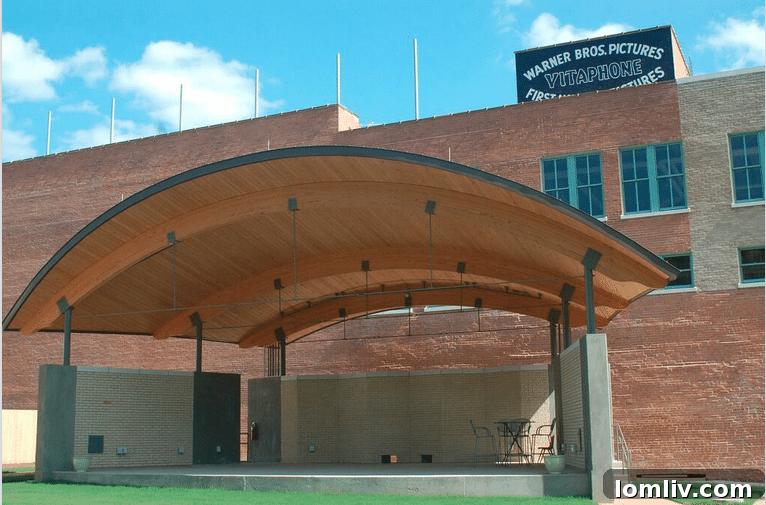
The first phase of Encore Park debuted in October 2014, marking a significant milestone with the unveiling of the 508 Amphitheater and a magnificent sculpture wall. This lost-wax bronze sculpture, titled The Birth of a City, is a collaborative masterpiece by Dallas artists Brad Oldham and Christy Coltrin. Spanning ten six-by-four-foot panels, it visually narrates iconic and lesser-known stories unique to Dallas, all rendered in a distinctive 1930s style. Bywaters notes, “They were inspired by a particular image of the building the Houston Viaduct over the Trinity River, which was an engineering marvel when it was built, and they did the sculpture in the 1930’s style.” This artistic installation beautifully intertwines the city’s industrial past with its cultural present.
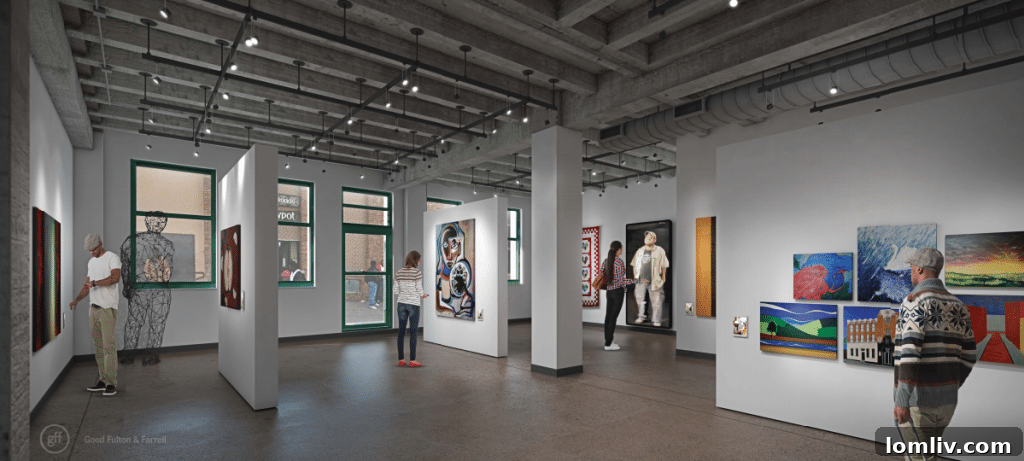
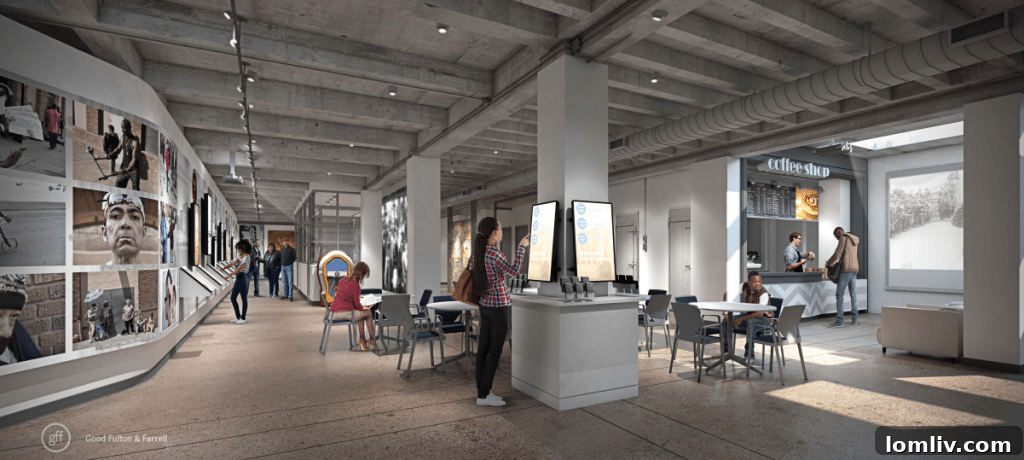
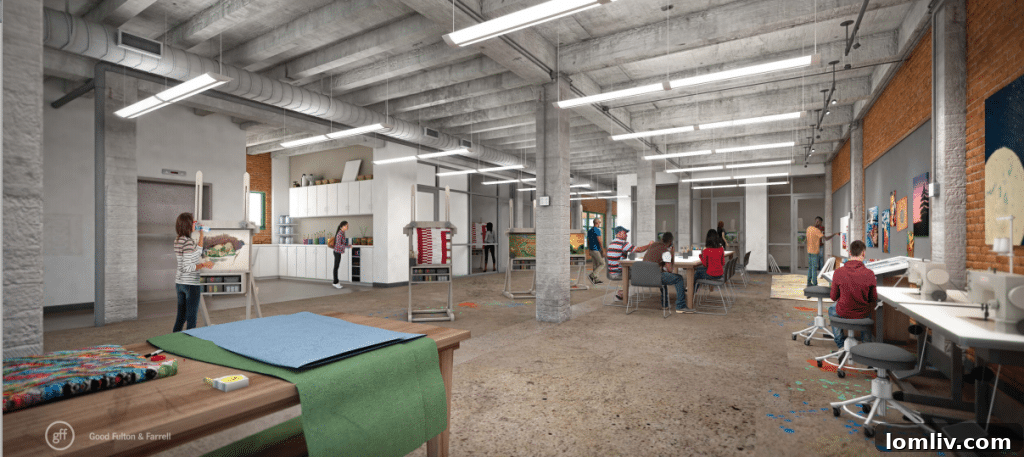
Fundraising efforts are actively underway for phases two and three, which will focus on completing the interior restoration and fit-out of 508 Park. One of the most anticipated additions is the Museum of Street Culture at The Stewpot. This innovative museum will offer compelling exhibitions and programs that expertly connect the building’s rich film history with the legendary music recorded within its walls. Beyond its historical focus, the museum will also shine a much-needed spotlight on the homeless community and their artistic expressions, alongside exploring contemporary street culture, including performance art, installations, and emerging art forms. This pioneering approach represents an innovative form of outreach by The Stewpot, working collaboratively within the community to help alleviate homelessness and suffering by celebrating the resilience and creativity found in unexpected places.
To date, nearly half of the ambitious $13-million capital campaign has been successfully raised to complete these comprehensive renovations. The full vision includes not only the museum but also dedicated art galleries and studios, a state-of-the-art recording studio, versatile event spaces, a charming rooftop terrace, and a welcoming coffee shop. Furthermore, the project encompasses the historic renovation of 515 Park, which will further revitalize the area by providing crucial space for several existing and future partners of The Stewpot, extending the positive impact across the neighborhood.
Engaging the Public: Current Events and Future Celebrations
Encore Park has already embraced its role as a public cultural institution, throwing its doors wide open to the community. In collaboration with the historic Texas Theatre, the park hosts engaging movie screenings, showcasing Warner Brothers films from the 1930s, ’40s, and ’50s every other Sunday. These free events include a 16mm short film followed by a feature-length classic, offering a nostalgic journey back to the golden age of cinema.
Looking ahead, October’s celebration of The Stewpot’s 40th anniversary promises to be a major highlight. Bywaters envisions a grand community meal complemented by “crazy entertainment—this group has no lack of creativity,” promising an unforgettable celebration of community spirit and artistic talent.
Other planned activities highlight Encore Park’s diverse offerings:
- October 4: A heartwarming blessing of the animals at the 508 Amphitheater, commemorating St. Francis of Assisi’s birthday at 2 PM.
- October 7: A special monthly worship service hosted by The Stewpot, featuring the musical talents of KM Williams at the 508 Amphitheater.
- October 24: The grand 40th-anniversary celebration, featuring a Stewpot Talent Show, a performance by the inspiring Dallas Street Choir, a vibrant street fair showcasing art from The Stewpot Open Art Program, and an captivating evening performance.
The year’s events will culminate with a spirited fiddle competition on November 7, further cementing Encore Park’s commitment to fostering traditional and contemporary music forms.
A National Treasure Reborn: The Enduring Impact of 508 Park
The extensive restoration of 508 Park has rightfully garnered national attention, solidifying its destiny to become a vibrant hub of music, art, and culture once again for Dallas. Its significance extends far beyond its physical structure, touching the very soul of American cultural heritage.
As Michael Taft, former director of the American Folklife Center at the Library of Congress, eloquently stated in theDallas Observer: “The significance of any building is what we put into it. A building is just bricks and mortar. But 508 Park Avenue is one of two buildings that has a connection with and is part of the story of two of the most important recording sessions in American history.” This profound statement underscores the unique and irreplaceable role 508 Park plays in the narrative of American music and cultural preservation.
The journey of 508 Park from a neglected shell to a thriving cultural campus is a powerful testament to the vision, dedication, and collaborative spirit of the Dallas community. It’s a story not just of restoring bricks and mortar, but of rekindling the soul of a historic landmark, ensuring that its echoes of music and its lessons of history continue to resonate for generations to come, enriching the lives of all who visit Encore Park.