Lakewood Elementary’s Future: Addressing Overcrowding with Community and DISD Support in Dallas’ Hollywood Heights
For many families considering a move to Dallas, the quality of local schools is often a top priority, and rightly so. When my family chose to settle in the charming Hollywood Heights neighborhood, the highly regarded Lakewood Elementary School district was undoubtedly a significant draw. Nestled just south of the vibrant Lakewood area, Hollywood Heights boasts zoning for this coveted educational institution. We recognized this as an invaluable resource, not only for the potential academic benefits for our future children but also for its profound impact on property values. A strong school district can provide a stable foundation for a home’s value, and with our new addition—a three-month-old daughter—the promise of a quality education has become more immediate and personal. At the time, my understanding of Lakewood Elementary, or even the broader Dallas Independent School District (DISD), was limited, but that was soon to change.
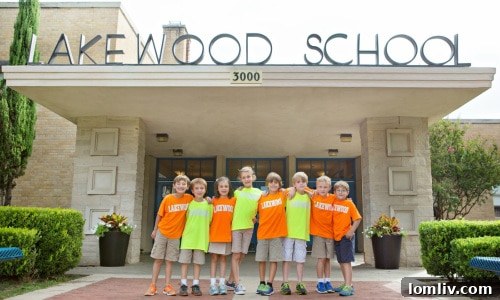
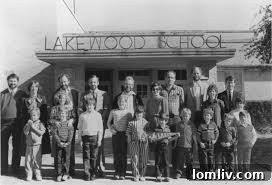
The journey into understanding the local educational landscape truly began at a Hollywood Heights Santa Monica Neighborhood Association Meeting. It was here that I first encountered the dedicated parents from the Lakewood Elementary PTA, passionately discussing their ambitious capital campaign. The central issue was clear: Lakewood Elementary was grappling with severe overcrowding, a challenge that threatened to compromise the quality of education and the safety of its students. Originally built in 1951 to comfortably accommodate 350 students, the school’s infrastructure was struggling to keep pace with the rapid growth of the surrounding community. This initial presentation was an eye-opener, highlighting the critical need for expansion and modernization, setting the stage for a compelling community-driven initiative.
The Urgent Need for Expansion: A Growing Community, A Strained School Environment
The numbers paint a stark picture of the challenges facing Lakewood Elementary. While previous additions to the school in the past had managed to expand its capacity to approximately 600 students, current enrollment figures have soared past this limit, reaching close to an astonishing 840 students. The projections for the upcoming school year are even more daunting, anticipating enrollment could hit 900 students. Such dramatic growth places immense pressure on every aspect of the school’s operations, from classroom space and cafeteria lines to playgrounds and administrative services. “Tight quarters for learning” is an understatement; this level of overcrowding poses serious logistical hurdles and, more critically, raises significant safety and security concerns for students and staff alike. Maintaining an optimal learning environment becomes incredibly difficult when space is at such a premium, impacting everything from individual student attention to the availability of specialized learning areas, and potentially compromising the overall educational experience for every child.
Community-Driven Solutions: The Lakewood Elementary Expansion Foundation (LEEF)
It is in the face of these formidable challenges that the spirit of the Hollywood Heights community truly shines. The dedicated parents and community members I heard speaking at the meeting are not just vocal advocates; they are proactive agents of change. Through the community-driven Lakewood Elementary Expansion Foundation (LEEF), they have launched an impressive capital campaign aimed at raising the necessary funds for comprehensive expansion plans. These plans are designed not only to address the immediate crisis but also to meet the educational needs of future generations, ensuring a sustainable and thriving learning environment for years to come. Their tireless efforts have already yielded remarkable results, with over $300,000 successfully raised through various fundraising initiatives and community support. This grassroots initiative underscores the profound commitment of the Hollywood Heights and Lakewood communities to ensuring their children have access to a high-quality, safe, and effective learning environment that fosters academic excellence and personal growth.
DISD’s Strategic Intervention: The $137 Million Bridge Plan for Dallas Schools
The community’s fervent efforts and the escalating challenges at schools like Lakewood Elementary have not gone unnoticed by the wider district. In a significant development, it was recently announced that the Dallas Independent School District (DISD) is proposing a comprehensive “bridge plan” designed to address the most pressing facilities needs across nine of its campuses, with Lakewood Elementary being a key beneficiary. This $137 million plan represents a crucial step towards providing immediate relief to overcrowded and aging school facilities throughout the district. The urgency of this initiative is highlighted by its timeline: “If the bridge plan is approved by the Board of Trustees in late March, improvement plans for facilities could begin this spring.” This is notably swifter than any activity tied to a much larger, proposed $1.5 billion bond package, which wouldn’t even be voted on until November at the earliest. The bridge plan thus acts as a vital stopgap, ensuring that critical improvements can commence without significant delay, thereby mitigating some of the most severe challenges faced by these schools and their growing student populations.
Beyond Lakewood Elementary, the list of schools slated to receive funding under this essential bridge plan includes several other vital institutions within the DISD network, each facing its unique set of challenges related to infrastructure and capacity. These schools are Stonewall Jackson, B.H. Macon Elementary, Nathan Adams Elementary, Tom Field Elementary, Seagoville Elementary, Edward Titche Elementary, W.E. Greiner Elementary, and W.T. White High School. This comprehensive approach by DISD demonstrates a recognition of the widespread need for facility upgrades and expansion across various segments of the district, aiming to improve the learning conditions for thousands of students. It signifies a proactive measure to ensure that all children in the Dallas school system have access to environments conducive to optimal learning and development, preventing further strain on existing resources.
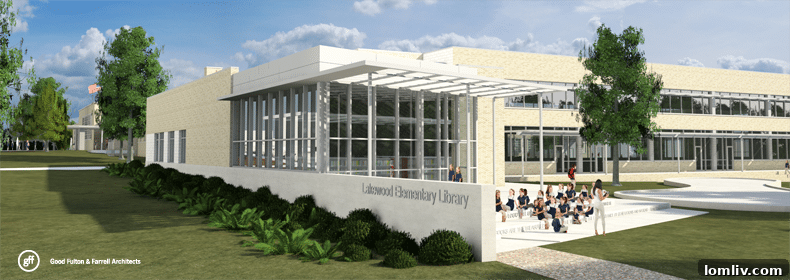
Direct Impact on Lakewood Elementary: A $12 Million Boost for Progress and Modernization
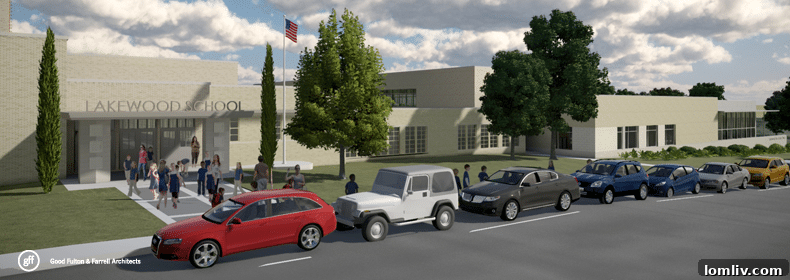
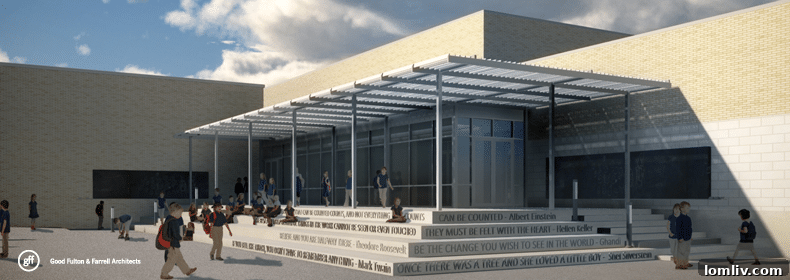
Should the $137 million bridge plan receive approval this spring, Lakewood Elementary stands to gain a substantial $12 million allocation. This significant investment is earmarked specifically to address its critical overcrowding issues and fund much-needed renovations that will transform the learning environment. Imagine the potential: new classrooms to ease the strain of burgeoning student numbers, creating more focused and less disruptive learning spaces. Modernized learning areas could be equipped with cutting-edge technology and flexible layouts designed for contemporary educational practices, fostering innovation and engagement. Furthermore, essential infrastructure upgrades that enhance safety, accessibility, and overall functionality would improve everything from HVAC systems to playgrounds. This funding could translate into not just more space, but demonstrably better space—environments conducive to focused learning, creative exploration, and collaborative activities, ultimately elevating the entire educational experience. These improvements are vital for sustaining Lakewood Elementary’s reputation as a high-performing school and ensuring it can continue to serve the educational needs of the Hollywood Heights and Lakewood communities effectively for generations to come.
The bridge plan’s reach also extends its benefits to other schools facing similar pressures within the DISD system. For instance, Stonewall Jackson Elementary, located on Mockingbird Lane near Greenville Avenue, is slated to receive a notable $5 million. This allocation will undoubtedly address its own capacity and facility challenges, improving conditions for its students and staff. This demonstrates DISD’s overarching commitment to addressing specific, high-priority needs across its diverse portfolio of schools, acknowledging that a thriving educational ecosystem requires robust and well-maintained facilities for all students, regardless of their specific campus. The collective impact of these investments promises a brighter future for public education infrastructure across Dallas.
The Road Ahead: Sustained Community Engagement and Critical Board Decisions
The path forward for these vital improvements involves continued community engagement and crucial decisions by the DISD Board of Trustees. Parents and community advocates are scheduled to address the trustees again on March 5, reinforcing their collective voice and the urgent need for these improvements. Their consistent presence and powerful advocacy underscore the depth of community commitment. While the precise date for the bridge plan’s final vote is anticipated around March 26th, as confirmed by a DISD spokesperson, the period leading up to this decision is critical. The continued active participation of parents, local associations like the Hollywood Heights Santa Monica Neighborhood Association, and foundations like LEEF will be instrumental in ensuring the plan moves forward without hitches. Their advocacy highlights the symbiotic relationship between a school, its district, and the community it serves. The success of such initiatives relies heavily on collaborative efforts, demonstrating that when stakeholders unite with a shared vision, significant progress can indeed be made toward improving public education infrastructure and securing the best possible future for our children.
A Brighter Outlook for Dallas Schools and the Hollywood Heights Community
The narrative unfolding at Lakewood Elementary is a testament to the resilience and unwavering dedication of the Hollywood Heights and Lakewood communities, coupled with the responsive and strategic planning of the Dallas Independent School District. The proposed $137 million bridge plan and the ongoing, highly successful capital campaign by LEEF represent a powerful, dual approach to tackling a pervasive challenge faced by many growing urban school districts: balancing rapid population growth with adequate educational infrastructure. This concerted effort ensures that the cherished quality of education at Lakewood Elementary is not merely maintained but significantly enhanced, providing a robust foundation for its students’ academic and personal development. For current residents of Hollywood Heights and prospective homeowners, these developments signal a continued commitment to excellent schools, which in turn reinforces the neighborhood’s desirability, stability, and property values. The future of Lakewood Elementary, and indeed many DISD schools, appears demonstrably brighter thanks to these strategic interventions and the unwavering support of an engaged and passionate community. We eagerly await the final decisions and look forward to witnessing these vital plans progress, shaping the educational landscape of Dallas for years to come and ensuring every child has the opportunity to thrive in a conducive learning environment.