As professionals in the dynamic world of real estate and homebuilding, continuous learning and gaining fresh perspectives are crucial for success. While industry reports and market analyses provide essential data, sometimes the most profound insights come from unexpected sources. We’re talking about the magic of cinema!
Beyond entertainment, movies offer unique windows into the human experience, economic forces, and the sometimes-cutthroat realities of property dealings. From cautionary tales of financial collapse to hilarious sagas of homeownership gone wrong, and intense dramas of salesmanship, these films can inform, inspire, and even challenge your understanding of the real estate landscape. So, if you’ve been looking for something impactful to watch that directly relates to your profession, look no further. Here are five essential films every real estate agent and homebuilder should add to their must-see list, carefully selected to offer both valuable lessons and engaging narratives.
The Big Short (2015): Unpacking the 2008 Housing Market Collapse
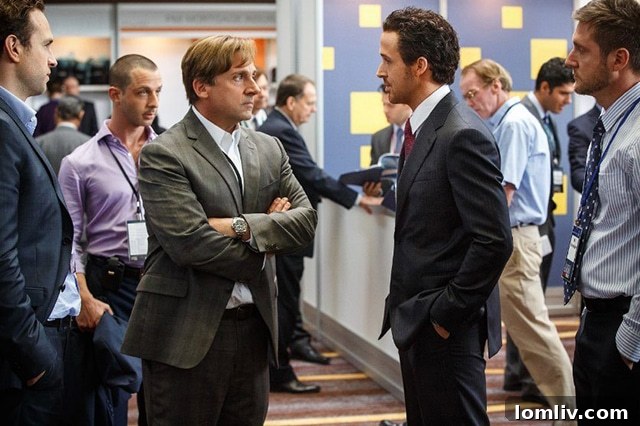
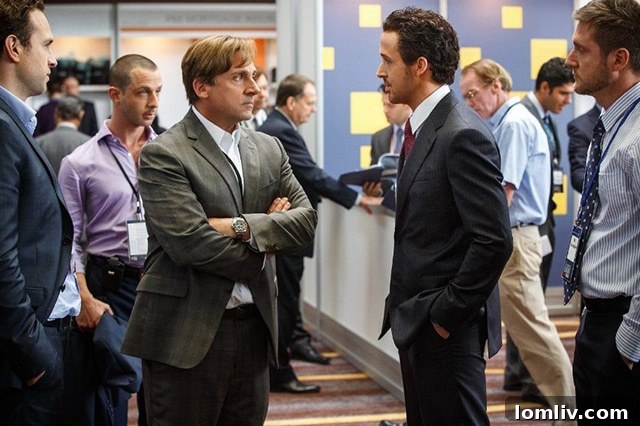
Directed by Adam McKay, this Oscar-winning film is an electrifying and often darkly comedic portrayal of the 2007-2008 housing market crisis. It meticulously chronicles the events leading up to the catastrophic collapse, not through the eyes of regulators or politicians, but through a handful of eccentric outsiders who foresaw the impending disaster and decided to bet against the market. Featuring an all-star cast including Christian Bale, Steve Carell, Ryan Gosling, and Brad Pitt, The Big Short transforms complex financial jargon into an accessible, compelling narrative.
For real estate agents and homebuilders, this film is far more than just a historical account; it’s a critical educational tool. It dissects the intricate web of subprime mortgages, collateralized debt obligations (CDOs), and credit default swaps (CDSs) that ultimately brought the global economy to its knees. Watching it helps professionals understand the vulnerabilities within financial systems, the domino effect of risky lending practices, and the profound impact of market speculation on everyday homeowners. It serves as a stark reminder of the importance of ethical practices, thorough due diligence, and the need to recognize warning signs of an overheating market. Understanding the root causes of past crises can equip today’s real estate professionals with the foresight to better navigate future economic shifts and protect their clients’ interests.

One of the film’s most innovative features is its use of celebrity cameos – including Selena Gomez, Anthony Bourdain, and Margot Robbie – who break the fourth wall to explain arcane financial concepts in relatable, often hilarious, ways. These unexpected moments make the film incredibly engaging and ensure that even those without a finance background can grasp the gravity of the situation. This storytelling technique makes the film not just watchable, but genuinely insightful, offering a crash course in the intricate financial instruments that fueled the housing bubble. It highlights how seemingly isolated financial products can have devastating real-world consequences on property values, foreclosures, and the livelihoods of millions. Every real estate professional should watch this film to better appreciate the broader economic forces that constantly shape the local and national housing markets.
Glengarry Glen Ross (1992): The Unvarnished Truth of Salesmanship
Adapted from David Mamet’s Pulitzer Prize-winning play, Glengarry Glen Ross plunges viewers into the cutthroat, high-stakes world of Chicago real estate sales. The film, set over two tense days, depicts a group of desperate real estate agents vying for “premium” leads in a ruthless sales contest orchestrated by their corporate superiors. The stakes are brutally clear: first prize is a Cadillac Eldorado, second prize is a set of steak knives, and third prize is unemployment. This premise creates an atmosphere of intense pressure, ethical compromise, and raw human ambition that is both captivating and chilling.
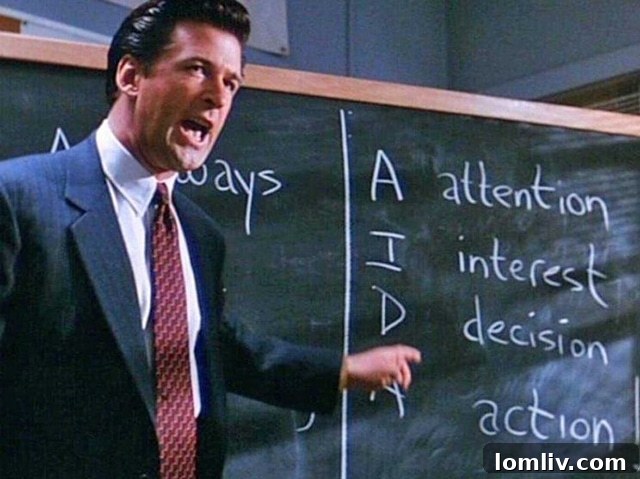
Alec Baldwin delivers an unforgettable performance as Blake, a cryptic consultant sent to “motivate” the struggling sales team. His legendary “Always Be Closing” (ABC) speech is arguably one of the most iconic sales monologues in cinematic history. While the tactics Blake advocates are ethically dubious, the scene perfectly encapsulates the immense pressure and psychological warfare often present in high-pressure sales environments. For real estate agents, this film serves as a powerful, albeit extreme, look at the realities of aggressive sales, negotiation, and the relentless pursuit of the deal. It prompts vital questions about the line between motivation and manipulation, the importance of integrity, and the long-term consequences of short-sighted, unethical practices in the pursuit of commissions.
Beyond Baldwin, the film boasts an incredible ensemble cast including Jack Lemmon, Al Pacino, Ed Harris, and Kevin Spacey, each portraying characters grappling with their own desperation and moral dilemmas. Their raw, unfiltered dialogue, peppered with a staggering 138 uses of the f-word, reflects the intensity and stress of their environment. While the film showcases the dark underbelly of sales, it also offers invaluable insights into the psychology of motivation, the dynamics of a competitive workplace, and the art of persuasion. Professionals can learn from both the positive aspects – the sheer determination and resilience required in sales – and the negative – the dangers of allowing desperation to compromise ethics. It’s a powerful reminder that while closing deals is essential, building trust and maintaining a stellar reputation are paramount in the long run, especially in a client-facing industry like real estate.
The Money Pit (1986): A Hilarious Lesson in Home Inspection and Renovation
For a lighter, yet equally instructive, cinematic experience, The Money Pit is a quintessential comedy about the perils of homeownership gone horribly wrong. Starring Tom Hanks and Shelley Long as Walter and Anna, this film marked the first collaboration between Hanks and Steven Spielberg. The premise is simple: a young couple, desperate for a new home, is bulldozed into buying a seemingly grand, yet severely distressed, mansion at a price that seems too good to be true. As anyone in real estate knows, when something seems “too good to be true,” it almost always is.
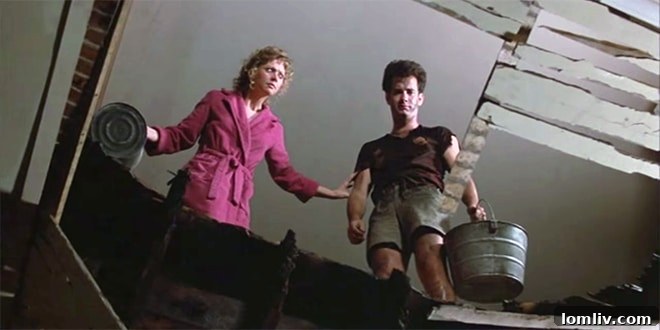
The couple quickly discovers the true nature of their bargain: the house is a complete disaster. Doors fall off hinges, staircases collapse, plumbing systems fail spectacularly, and even the chimney tumbles into the living room. The film escalates these structural calamities into a series of increasingly absurd and hilarious events, transforming their dream home into a living nightmare. This comedic masterpiece serves as an invaluable, albeit exaggerated, cautionary tale for both prospective homebuyers and the real estate professionals who guide them. It powerfully underscores the critical importance of thorough home inspections, meticulous due diligence, and understanding the true cost of renovations, especially when dealing with older or distressed properties.
For homebuilders and renovators, The Money Pit is a comedic ode to the challenges and frustrations inherent in property rehabilitation. It highlights the countless unexpected issues that can arise during a renovation, from structural defects to unforeseen plumbing and electrical nightmares, and the potential for costs to spiral out of control. Real estate agents can use the film as a humorous talking point with clients, emphasizing the need for realistic expectations when purchasing a fixer-upper and the value of having a contingency fund for unforeseen repairs. It’s a vivid illustration of why a detailed property survey and an honest assessment of a property’s condition are non-negotiable before closing a deal.

Interestingly, the actual homeowners of the Lattingtown, New York mansion featured in the film proved far luckier than Walter and Anna. After extensive, legitimate renovations, the 8,435-square-foot upstate New York property sold for a remarkable $3.5 million in 2019, more than 30 years after the film’s release. This real-world outcome provides a silver lining to the film’s comedic chaos, demonstrating that with proper planning, expertise, and a substantial investment, even a “money pit” can be transformed into a valuable piece of prime real estate. It’s a testament to the potential for property value appreciation and the rewarding outcomes of successful renovation projects, offering a glimmer of hope after all the comedic mishaps.

I Love You, Man (2009): A Real Estate Agent’s Personal & Professional Journey
This heartwarming comedy features Paul Rudd as Peter Klaven, a Los Angeles real estate agent grappling with an unusual problem: he’s newly engaged but realizes he has no close male friends to be his best man. His personal quest for a “bro” intertwines humorously with his professional life, particularly his efforts to sell an incredibly over-the-top mansion belonging to bodybuilder-turned-actor Lou Ferrigno. I Love You, Man offers a charming and lighthearted look at the daily life, challenges, and quirky interactions of a real estate professional, far removed from the high drama of financial crises or the stress of collapsing homes.

The film humorously showcases various aspects of a real estate agent’s role, from the meticulous process of staging and marketing a unique luxury property to the sometimes-awkward interactions at open houses. Peter’s attempts to sell Ferrigno’s mansion highlight the need for agents to adapt their sales strategies to fit specific properties and high-profile clients, navigating their unique demands and eccentricities. At one open house, Peter meets Sydney Fife (Jason Segel), a self-proclaimed investor whose primary motive for attending open houses is to scope out recently-divorced women and enjoy free refreshments. This quirky encounter provides a comedic, yet insightful, glimpse into the diverse motivations and sometimes unexpected characters that frequent open houses, reminding agents that not every visitor is a serious buyer, but every interaction is an opportunity.
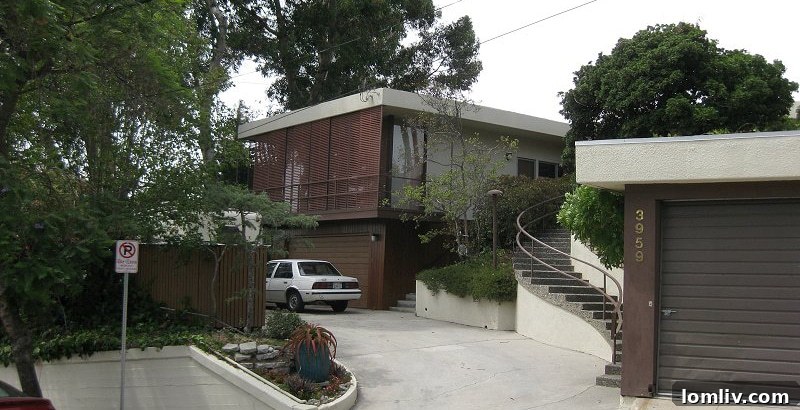
Beyond the professional narrative, the film also offers a visual treat for real estate aficionados, particularly with the depiction of Peter and Zooey’s (Rashida Jones) uber-cool Midcentury Modern home. This architectural gem, located in Los Angeles’s desirable Los Feliz neighborhood, serves as a testament to timeless design and aesthetic appeal. The film inadvertently highlights the enduring value and desirability of unique architectural styles, which is an important aspect for agents specializing in niche markets. A recent off-market Zillow Zestimate values the actual 3,310-square-foot property at a substantial $2,795,170, underscoring the appreciation of well-maintained and architecturally significant homes. I Love You, Man is a delightful watch that reminds real estate professionals about the importance of personality, networking, and the subtle art of connecting with people, all while enjoying some truly impressive property showcases.

99 Homes (2015): The Ethical Tightrope of Foreclosure and Profit
Set against the backdrop of the devastating 2010 Florida housing crisis, 99 Homes is a gripping and morally complex drama that resonates deeply within the real estate world. The film centers on Dennis Nash (Andrew Garfield), a single father who, along with his mother Lynn (Laura Dern) and young son, is brutally evicted from his childhood home. In a desperate attempt to regain his property and provide for his family, Nash strikes a “deal with the devil,” accepting work from Rick Carver (Michael Shannon), the ruthless real estate shark who orchestrated his family’s eviction. This dramatic narrative explores the harrowing human cost of economic downturns and the profound ethical dilemmas faced when individuals must compromise their principles to survive.
For real estate agents, homebuilders, and anyone involved in property investment, 99 Homes serves as a powerful and often uncomfortable examination of the darker side of the industry during periods of crisis. Michael Shannon’s chilling portrayal of Carver highlights the predatory practices that can emerge when distress meets opportunity, revealing how some profit from the misfortune of others through foreclosures and flips. The film forces viewers to confront the moral complexities of a system that allows such exploitation, and it challenges professionals to reflect on their own ethical boundaries and responsibilities to their communities and clients. It’s a stark reminder that while real estate is a business, it fundamentally deals with people’s most valuable assets and their sense of security.
Dennis Nash’s journey, from victim to accomplice, is a poignant exploration of survival, complicity, and the erosion of conscience under pressure. The film vividly depicts the emotional toll of eviction, the desperation of homeowners, and the systematic nature of the foreclosure machine. This film encourages real estate professionals to consider the broader social impact of their work and to champion fair practices, especially when dealing with vulnerable populations. The most memorable line from the film, delivered by Carver, encapsulates its brutal realism: “Don’t get sentimental about real estate.” While a stark and cynical viewpoint, it underscores the need for professionals to be pragmatic, yet never at the expense of empathy and integrity. 99 Homes is an essential watch for anyone seeking a deeper understanding of the societal implications of real estate markets and the critical importance of ethical decision-making in a challenging industry.
These five films, spanning various genres and themes, offer a rich tapestry of experiences and insights for real estate agents and homebuilders. From understanding complex market dynamics and navigating tough sales environments to appreciating the challenges of homeownership and confronting ethical dilemmas, each movie provides unique perspectives that can inform and enhance your professional journey. They serve as engaging reminders that the real estate world is multifaceted, filled with both triumphs and tribulations, and always influenced by the human element. So, grab some popcorn and settle in; your next professional development session might just be a movie night!
All movies are available on Amazon Prime Video.