Understanding Texas Politics: A Comprehensive Look at 2018 Primary Ballot Propositions and Enduring Issues
For Texas homeowners, the annual cycle of property taxes often brings a wave of anxiety and strategic planning. This year, as in previous years, residents have a crucial 30-day window to protest their property tax assessments. However, it’s important to note the earlier starting date of April 15, signifying a shift that homeowners should be acutely aware of. Preparing for this period involves not only understanding local appraisal processes but also keeping abreast of broader political discussions around property tax reform, which remains a consistently hot topic across the state.
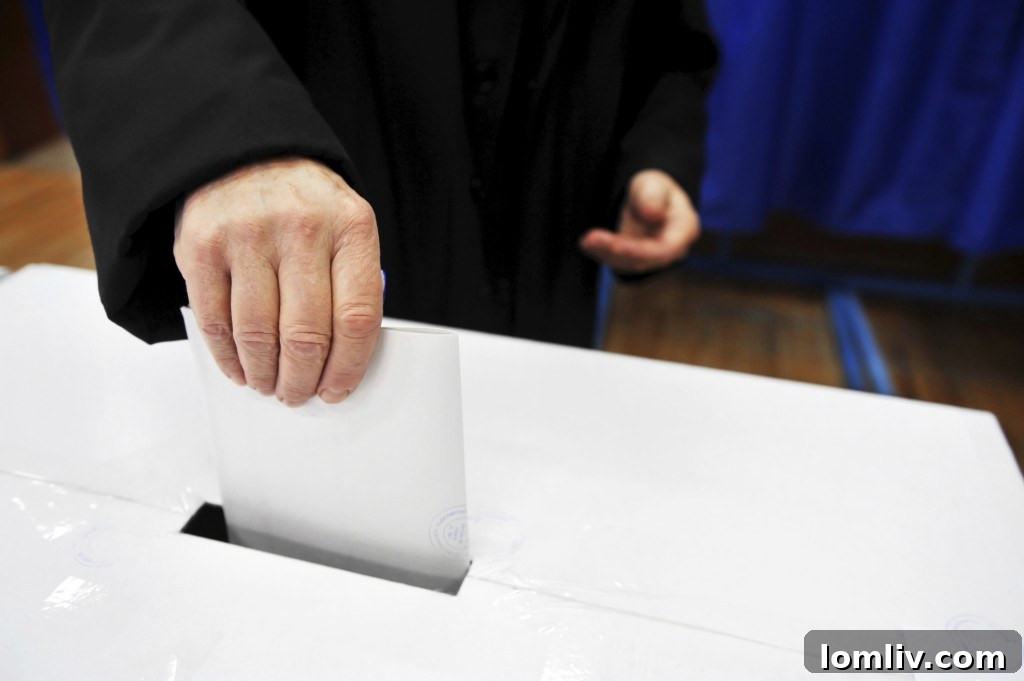
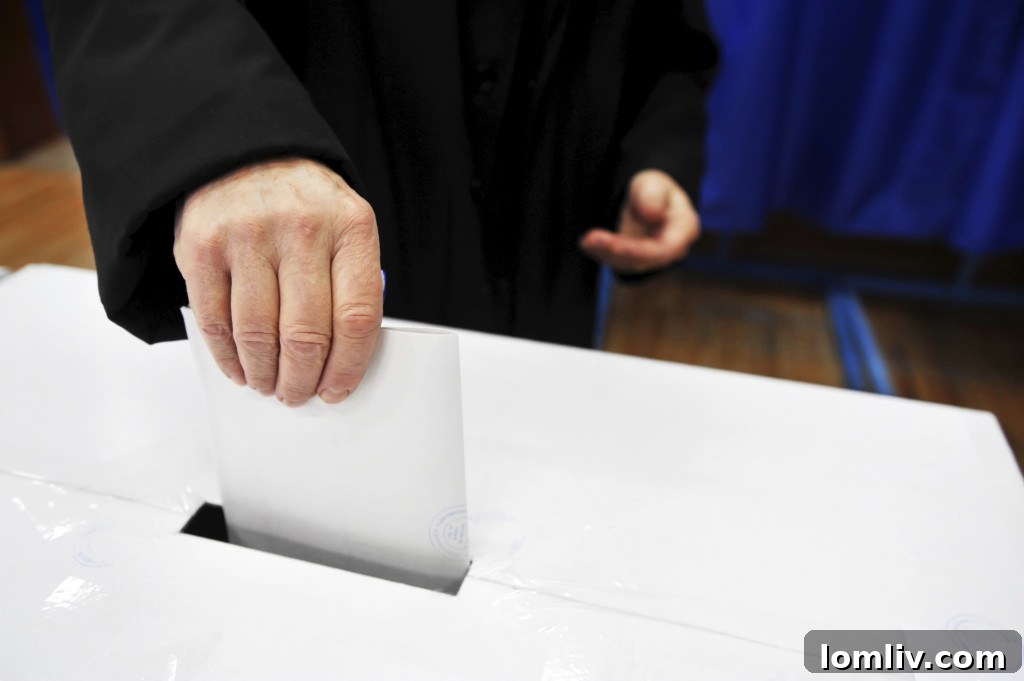
Beyond the immediate financial concerns of property taxes, the political landscape in Texas is continually shaped by the choices made during primary elections. The 2018 Texas primary elections offered a revealing snapshot of the ideological divides and pressing concerns within both major parties. Voters were presented with distinct sets of ballot propositions—twelve submitted by the State Democratic Executive Committee and ten by the State Republican Executive Committee. A fundamental aspect of this system is that voters could only cast ballots for propositions associated with their declared party affiliation, ensuring a clear delineation of party priorities and voter sentiment.
Examining these propositions side-by-side provides invaluable insight into the core principles and pressing issues each party sought to address. While both the Republican and Democratic parties touched on housing-related matters, their approaches diverged significantly. Republicans demonstrated strong unity on the need for comprehensive property tax reform, aiming to alleviate the financial burden on homeowners. In stark contrast, Democrats focused their collective efforts on advocating for affordable housing solutions, encompassing a broader vision that included initiatives like widespread high-speed internet access and robust anti-discrimination measures. These differing priorities underscore the fundamental philosophical gaps between the two parties, offering a clearer understanding of their respective legislative agendas and long-term goals for the state.
Perhaps one of the most contentious issues that highlighted these ideological differences was the “bathroom bill.” The Republican proposition, framed as “Should we protect the privacy and safety of women and children in spaces such as bathrooms, locker rooms, and showers in all Texas schools and government buildings?” garnered significant support from their base. Conversely, the Democratic ballot proposition presented a diametrically opposed view: “Should everyone in Texas have the right to a life of dignity and respect, free from discrimination and harassment anywhere, including businesses and public facilities, no matter how they identify, the color of their skin, who they love, socioeconomic status, or from where they come?” The overwhelming Republican support (90%) for the “bathroom bill,” compared to a comparatively lower (68%) support for abolishing abortion, signals the strategic emphasis and perceived urgency of certain social issues within the party’s platform at the time.
These propositions serve as an excellent barometer for the pressing concerns and “hot button” issues dominating Texas politics. From healthcare—where Republicans sought to repeal Obamacare and Democrats advocated for a universal healthcare system—to various other social and economic policies, the primary ballot propositions offered a definitive look at each party’s current essence. For individuals grappling with their political identity, these proposals provided a sharp contrast, helping to clarify the core tenets of contemporary Republican and Democratic platforms. While the idea of merging these diverse propositions onto a single ballot is an intriguing thought, the reality of partisan politics means voters are asked to choose a distinct path, reflecting the deep ideological chasm that often characterizes modern political discourse.
2018 Republican Primary Ballot Propositions (99% Voting In)
The Republican Party’s propositions in the 2018 primary reflected a consistent emphasis on fiscal conservatism, individual liberty, and traditional values. These proposals aimed to reshape government’s role, protect specific freedoms, and reinforce a conservative social agenda. The voting percentages offer insight into the unity and priorities of the Republican base.
Prop #1 – Texas Property Tax Reform
Statement: Texas should replace the property tax system with an appropriate consumption tax equivalent.
Results: For: 1,055,049 or 68% | Against: 500,845 or 32%
This proposition highlights a long-standing conservative desire to shift the tax burden away from property ownership, which can be particularly onerous for fixed-income residents and small businesses, towards consumption. The debate around a consumption tax often centers on its potential impact on different income brackets and its administrative feasibility.
Prop #2 – Toll Roads Approval
Statement: No governmental entity should ever construct or fund construction of toll roads without voter approval.
Results: For: 1,372,517 or 90% | Against: 154,071 or 10%
This proposition reflects a strong preference for direct voter oversight on significant infrastructure projects, particularly those that involve tolls. It underscores a conservative principle of limiting government power and ensuring public accountability, aiming to prevent projects perceived as unnecessary or financially burdensome without citizen endorsement.
Prop #3 – House Speaker Vote
Statement: Republicans in the Texas House should select their Speaker nominee by secret ballot in a binding caucus without Democrat influence.
Results: For: 1,277,401 or 85% | Against: 223,892 or 15%
This internal party proposition reveals a desire for greater party cohesion and control within the legislative process. It addresses concerns about cross-party influence in leadership selection, aiming to solidify a unified Republican agenda in the Texas House.
Prop #4 – Screening New Hires (E-Verify)
Statement: Should require employers to screen new hires through the free E-Verify system to protect jobs for legal workers.
Results: For: 1,372,125 or 90% | Against: 147,981 or 10%
This proposition strongly aligns with conservative stances on immigration and workforce regulation. E-Verify is a federal program designed to confirm the eligibility of employees to work in the United States, and its mandatory implementation reflects a commitment to prioritizing legal employment and controlling illegal immigration.
Prop #5 – School Choice
Statement: Texas families should be empowered to choose from public, private, charter, or homeschool options for their children’s education, using tax credits or exemptions without government constraints or intrusion.
Results: For: 1,202,004 or 79% | Against: 326,236 or 21%
A cornerstone of conservative education reform, “school choice” advocates for empowering parents by allowing public funds (via tax credits or exemptions) to follow students to their chosen educational setting. This initiative emphasizes parental rights, competition among schools, and reducing perceived government overreach in education.
Prop #6 – Privacy Protection
Statement: Should we protect the privacy and safety of women and children in spaces such as bathrooms, locker rooms, and showers in all Texas schools and government buildings.
Results: For: 1,386,587 or 90% | Against: 149,907 or 10%
This is the “bathroom bill” proposition, reflecting social conservative concerns about gender identity and the use of public facilities. It highlights a focus on traditional gender segregation in private spaces within public buildings, framed as a measure to protect vulnerable populations.
Prop #7 – Abolish Abortion in Texas
Statement: Abolish abortion in Texas.
Results: For: 1,027,876 or 68% | Against: 479,269 or 32%
This proposition directly addresses one of the most significant moral and political issues in the United States. While supported by a supermajority, the 68% “for” vote indicates that even within the Republican base, there was a notable minority with differing views or nuances on the complete abolition of abortion.
Prop #8 – Voter Fraud Punishment
Statement: Fraud should be a felony in Texas to help ensure fair elections.
Results: For: 1,460,287 or 95% | Against: 80,448 or 5%
Reflecting widespread conservative concerns about election integrity, this proposition calls for strict penalties for voter fraud. The overwhelming support suggests a strong desire within the Republican party for stringent measures to safeguard the electoral process and prevent perceived abuses.
Prop #9 – Repeal Obamacare
Statement: Texas demands that Congress completely repeal Obamacare.
Results: For: 1,327,146 or 87% | Against: 199,065 or 13%
The call to repeal the Affordable Care Act (Obamacare) has been a central tenet of the Republican platform since its inception. This proposition demonstrates continued strong opposition to the federal healthcare law, advocating for market-based healthcare reforms and reduced government involvement in health insurance.
Prop #10 – Property Tax Cap
Statement: To slow the growth of property taxes, yearly revenue increases should be capped at 4%, with increases in excess of 4% requiring voter approval.
Results: For: 1,418,184 or 94% | Against: 92,248 or 6%
This proposition directly addresses the burden of rising property taxes on Texans, a critical concern for many homeowners. By proposing a revenue cap and requiring voter approval for higher increases, it seeks to introduce greater fiscal discipline at the local level and provide homeowners with more control over their tax liability.
Prop #11 – Stadium Tax Dollars
Statement: Tax dollars should not be used to fund the building of stadiums for professional or semi-professional sports teams.
Results: For: 1,325,486 or 87% | Against: 203,184 or 13%
This proposition reflects a common conservative stance against using public funds for private enterprises, particularly for sports venues. It highlights a preference for taxpayer money to be allocated to essential public services rather than subsidizing commercial ventures that may not yield broad public benefit.
2018 Democratic Primary Ballot Propositions
The Democratic Party’s propositions in the 2018 primary showcased a commitment to social justice, economic equality, and robust public services. These proposals aimed to expand access, protect vulnerable populations, and leverage government as a tool for societal improvement. The high approval rates within the Democratic base indicate strong consensus on these core progressive values.
Prop #1 – Public Education
Statement: Should everyone in Texas have the right to quality public education from pre-k to 12th grade, and affordable college and career training without the burden of crushing student loan debt?
Results: For: 1,016,576 or 96% | Against: 42,212 or 4%
This proposition underscores a fundamental Democratic belief in universal access to quality education at all levels, from early childhood through higher education. It connects the right to education with economic opportunity and highlights the growing concern over student loan debt as a barrier to upward mobility.
Prop #2 – Refinance Student Loans
Statement: Should everyone in Texas have the right to refinance student loan debt with the Federal Reserve at a 0% interest rate, as relief for the crushing burden of debt and an investment in the next generation of Americans?
Results: For: 986,440 or 93% | Against: 69,071 or 7%
Building on the previous proposition, this proposal offers a specific, bold solution to the student loan crisis. By advocating for 0% interest refinancing through the Federal Reserve, it aims to provide significant financial relief to millions of Americans, viewing it as both an economic stimulus and an investment in the nation’s future human capital.
Prop #3 – Universal Health Care
Statement: Should everyone in Texas have a right to healthcare, guaranteed by a universal, quality Medicare-for-all system?
Results: For: 1,004,450 or 95% | Against: 54,998 or 5%
This proposition articulates a core Democratic platform plank: the belief that healthcare is a fundamental human right. Advocating for a Medicare-for-all system reflects a desire to move towards a single-payer healthcare system, aiming to ensure comprehensive and equitable access to medical services for all Texans, regardless of income or employment status.
Prop #4 – Economic Security
Statement: Should everyone in Texas have the right to economic security, where all workers have earned paid family and sick leave and a living wage that respects their hard work?
Results: For: 1,008,850 or 96% | Against: 44,659 or 4%
This proposition champions workers’ rights and economic fairness, proposing policies like paid family and sick leave, and a living wage. It addresses issues of income inequality and workplace protections, seeking to establish a baseline of economic dignity and stability for all working Texans.
Prop #5 – National Jobs Program
Statement: Should the Democratic Party promote a national jobs program, with high wage and labor standards, to replace crumbling infrastructure and rebuild hurricane damaged areas, paid for with local, state, and federal bonds financed through the Federal Reserve at low interest with long term maturities?
Results: For: 966,222 or 93% | Against: 72,193 or 7%
This ambitious proposal outlines a large-scale federal investment in infrastructure and disaster recovery, particularly pertinent for Texas which often faces severe weather events. It highlights a commitment to job creation through public works, emphasizing high labor standards and innovative financing mechanisms through the Federal Reserve.
Prop #6 – Right to Clean Air, Water
Statement: Should everyone in Texas have the right to clean air, safe water, and a healthy environment?
Results: For: 1,040,820 or 99% | Against: 15,430 or 1%
With near-unanimous support, this proposition articulates a fundamental environmental right. It reflects a strong Democratic commitment to environmental protection, clean energy, and public health, acknowledging the critical importance of a healthy ecosystem for all citizens.
Prop #7 – Right to Dignity, Respect
Statement: Should everyone in Texas have the right to a life of dignity and respect, free from discrimination and harassment anywhere, including businesses and public facilities, no matter how they identify, the color of their skin, who they love, socioeconomic status, or from where they come?
Results: For: 1,019,252 or 97% | Against: 31,531 or 3%
This broadly inclusive anti-discrimination proposition stands in stark contrast to the Republican “bathroom bill.” It champions civil rights and social justice for all individuals, regardless of identity or background, emphasizing a comprehensive vision of equality and respect in all public and commercial spaces.
Prop #8 – Right to Housing
Statement: Should everyone in Texas have the right to affordable and accessible housing and modern utilities including high-speed internet, free from any form of discrimination?
Results: For: 956,701 or 92% | Against: 85,177 or 8%
This proposition addresses the pressing issue of housing affordability and accessibility, extending the concept of basic rights to include modern utilities like high-speed internet. It highlights a commitment to combating discrimination in housing and ensuring digital equity, particularly for underserved communities.
Prop #9 – Right to Vote
Statement: Should every eligible Texan have the right to vote, made easier by automatic voter registration, the option to vote by mail, a state election holiday, and no corporate campaign influence, foreign interference, or illegal gerrymandering?
Results: For: 991,232 or 95% | Against: 56,981 or 5%
This proposition outlines a comprehensive vision for expanding voting access and protecting electoral integrity. It advocates for reforms such as automatic voter registration and vote-by-mail, alongside measures to counteract corporate influence, foreign interference, and gerrymandering, aiming to make voting easier and more equitable for all eligible citizens.
Prop #10 – Fair Criminal Justice System
Statement: Should everyone in Texas have the right to a fair criminal justice system that treats people equally and puts an end to the mass incarceration of young people of color for minor offenses?
Results: For: 1,013,348 or 97% | Against: 33,869 or 3%
With overwhelming support, this proposition addresses systemic issues within the criminal justice system, particularly focusing on racial disparities and mass incarceration. It calls for reforms to ensure equal treatment under the law and to reduce the disproportionate imprisonment of young people of color for minor offenses.
Prop #11 – Immigrant Rights
Statement: Should there be a just and fair comprehensive immigration reform solution that includes an earned path to citizenship for law-abiding immigrants and their children, keeps families together, protects DREAMers, and provides workforce solutions for businesses?
Results: For: 991,528 or 94% | Against: 58,327 or 6%
This proposition lays out a progressive framework for comprehensive immigration reform. It emphasizes a path to citizenship for undocumented immigrants, family unity, protection for DACA recipients (DREAMers), and addressing workforce needs for businesses, reflecting a more humane and economically integrated approach to immigration.
Prop #12 – Right to Fair Taxation
Statement: Should everyone in Texas have the right to a fair tax system, where all interests (business, corporations, and individuals) pay their share, so that state government meets its obligations?
Results: For: 1,009,739 or 97% | Against: 35,683 or 3%
This proposition reflects a core Democratic principle of progressive taxation, advocating for a system where all entities—including corporations and wealthy individuals—contribute equitably to state revenue. The goal is to ensure sufficient funding for public services and government obligations, emphasizing fairness and shared responsibility.
The Enduring Significance of Primary Propositions in Texas Politics
The 2018 Texas primary ballot propositions, while specific to their time, offer a powerful and enduring illustration of the divergent paths the state’s two major political parties envision for its future. The Republican platform, heavily focused on property tax relief, fiscal conservatism, individual choice in education, and traditional social values, underscored a commitment to limited government intervention and market-driven solutions. Their strong support for measures like E-Verify and stricter voter fraud penalties also highlighted ongoing concerns about immigration and election integrity.
Conversely, the Democratic platform painted a picture of an expansive role for government in ensuring social welfare, economic justice, and equal opportunity. Their propositions championed universal access to healthcare and education, championed robust environmental protections, and advocated for broad anti-discrimination measures. Initiatives like student loan refinancing and a national jobs program pointed to a desire for proactive government intervention to address economic disparities and invest in public goods.
These primary propositions are more than just internal party polls; they are foundational statements that often inform legislative priorities, campaign rhetoric, and ultimately, the policy debates that shape the lives of Texans. They reveal the core anxieties, aspirations, and moral frameworks that guide each party. Understanding these deep-seated differences is crucial for anyone seeking to comprehend the complex, often contentious, yet always dynamic political landscape of Texas. As homeowners navigate property tax protests and citizens engage with current political discourse, the echoes of these foundational propositions continue to resonate, reminding us of the persistent ideological divides and the ongoing pursuit of distinct visions for the Lone Star State.